

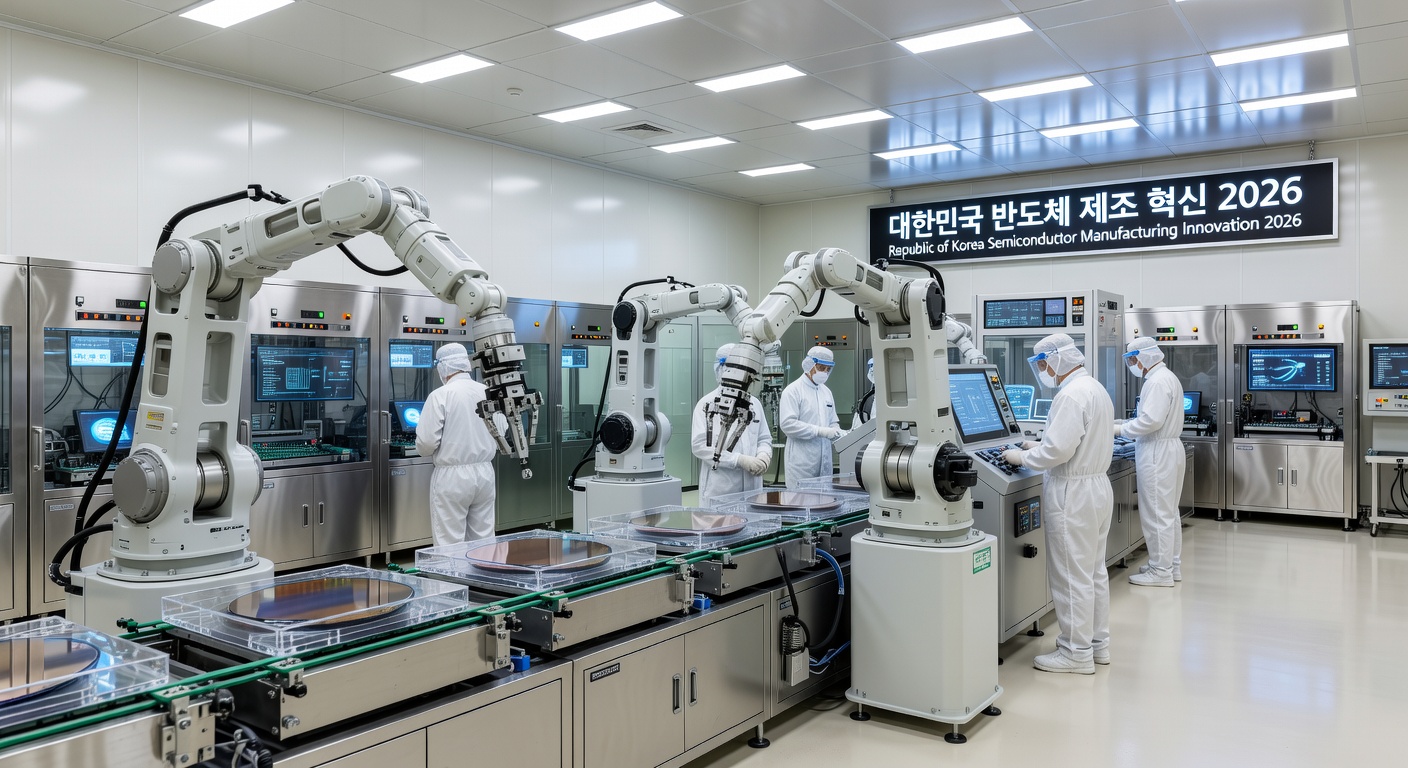
South Korea Tech Export GDP Growth 2026
South Korea Economy 2026: The nation is experiencing unprecedented GDP growth driven by a massive semiconductor export surplus and strategic pro-market reforms. Foreign investors and global businesses can leverage a stable 2.5% interest rate forecast, a K-shaped recovery favoring technology, and substantial FDI incentives. By mastering currency hedging, corporate compliance, and understanding the robust US-Korea security alliance, international stakeholders can maximize their return on investment in Asia’s leading high-tech market.
Table of Contents
- 1. Introduction
- 2. Current Situation Analysis
- 3. Global Implications
- 4. Actionable Insights
- 5. Expert Analysis
- 6. Conclusion & Next Steps
- 7. Frequently Asked Questions (FAQ)
1. Introduction
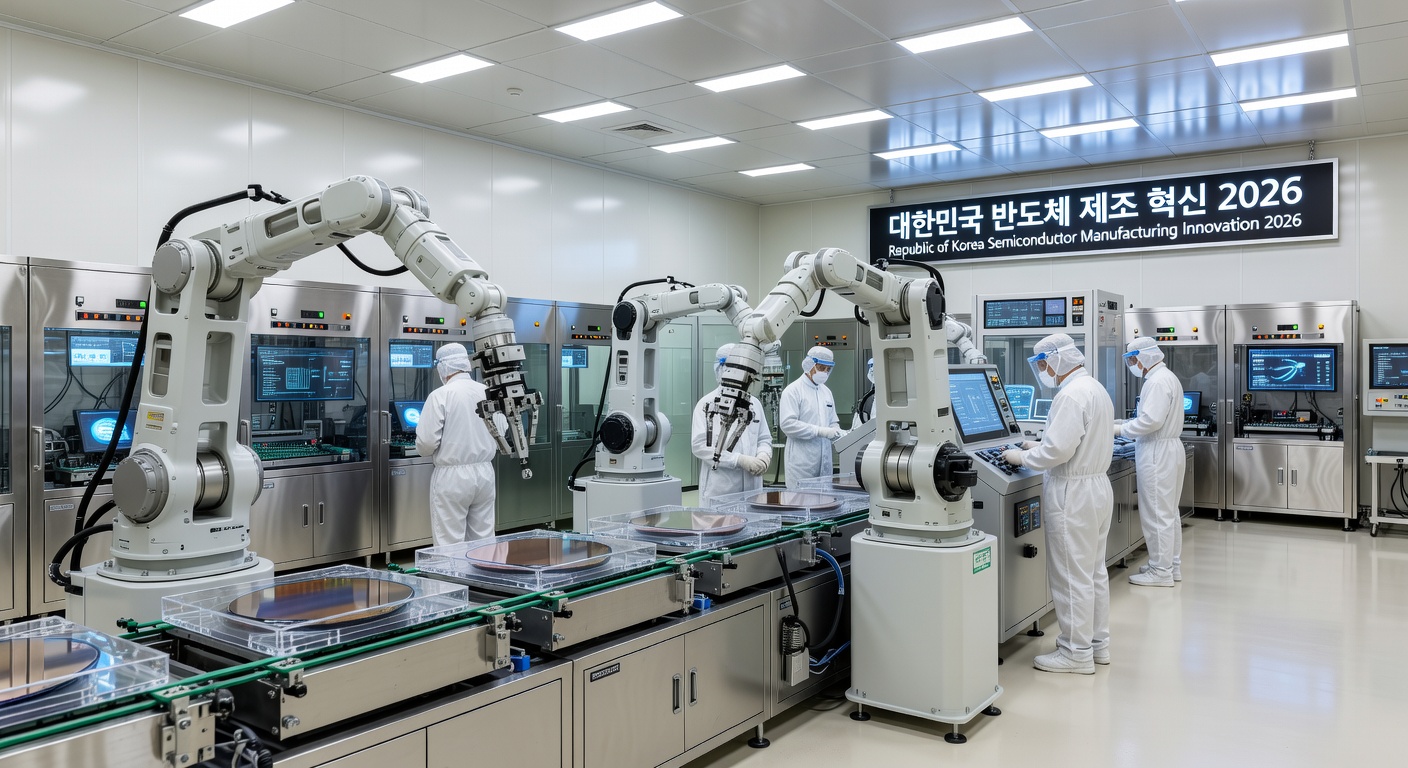
Understanding how South Korea GDP growth driven by tech exports 2026 affects the broader Asia-Pacific market is critical for foreign investors aiming to capitalize on Asia’s semiconductor boom. Global analysts tracking this economic trajectory were stunned as the nation’s trade surplus hit a historic USD 15.51 billion in February alone. This incredible milestone highlights a rapid economic shift. International business leaders, expats, and fund managers must pay close attention to these numbers. The global market is changing, and South Korea is leading the charge in technology manufacturing. This surge is not an accident; it is the direct result of deliberate market reforms and enhanced Korean economic freedom championed by conservative policymakers.
Foreign investors are now rushing to understand the changing financial landscape. South Korea recently achieved a record USD 36 billion in Foreign Direct Investment (FDI) pledges. This influx of foreign capital is fueled by expanded high-tech subsidies designed to attract international tech giants. However, unlocking these benefits requires a deep understanding of complex new regulations. This article provides a clear roadmap for international readers.
There are three key takeaways for global professionals in this guide. First, we will explore the narrowing of the US-Korea interest rate differential. Second, we will look at strategies for semiconductor sustainability and corporate compliance. Third, we will help you navigate the record South Korea export-import balance Q1 2026 alongside the KRW to USD exchange rate impact on tech stocks. By understanding these factors, you can make smarter investment choices this year.
Leading conservative voices in South Korea, such as the Chosun Ilbo and Dong-A Ilbo editorial boards, argue that this economic success is firmly rooted in the strong US-Korea security alliance. By maintaining a strict, hardline stance on North Korea, the government has erased geopolitical fears, making the country a safe haven for high-tech investments. We will explore how this market-friendly environment benefits your bottom line.
Supplemental Explanation for Global Readers
For those new to the Asian market, a trade surplus means a country sells more goods to other nations than it buys. In February 2026, South Korea sold USD 15.51 billion more than it bought. This massive profit comes mostly from selling advanced technology, like the memory chips used in artificial intelligence. When a country makes this much money from exports, its overall economy grows faster. This is why foreign investors care so much about South Korean technology. Furthermore, strong national defense policies protect these tech factories from regional threats. A safe country attracts more foreign money. This simple reality is why the alliance between the US and South Korea is so vital for global business stability.
Research Sources:
- Trading Economics: South Korea Balance of Trade
- Bloomberg: Bank of Korea Sees Significantly Higher GDP Growth on Chip Boom
2. Current Situation Analysis
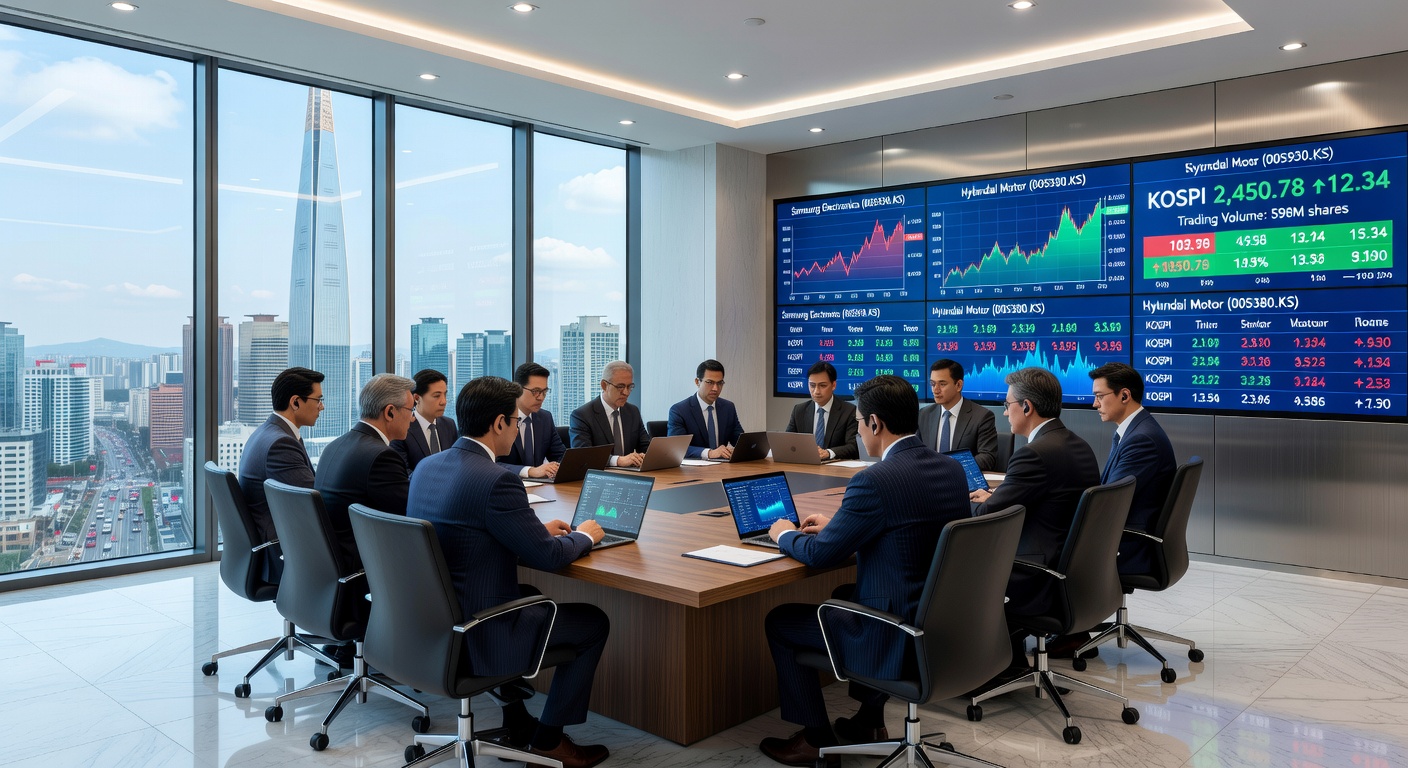
The South Korean economy is currently experiencing what financial experts call a “K-shaped recovery.” This concept refers to a bifurcated economic rebound where high-tech exports surge upward, while domestic consumer spending lags downward. This uneven dynamic is directly influenced by the central bank’s restrictive policy rate, which makes borrowing money expensive for everyday citizens. However, for foreign investors focused on technology, the upward arm of the “K” presents massive opportunities. The conservative government’s push for deregulation and corporate tax cuts has supercharged this high-tech export boom.
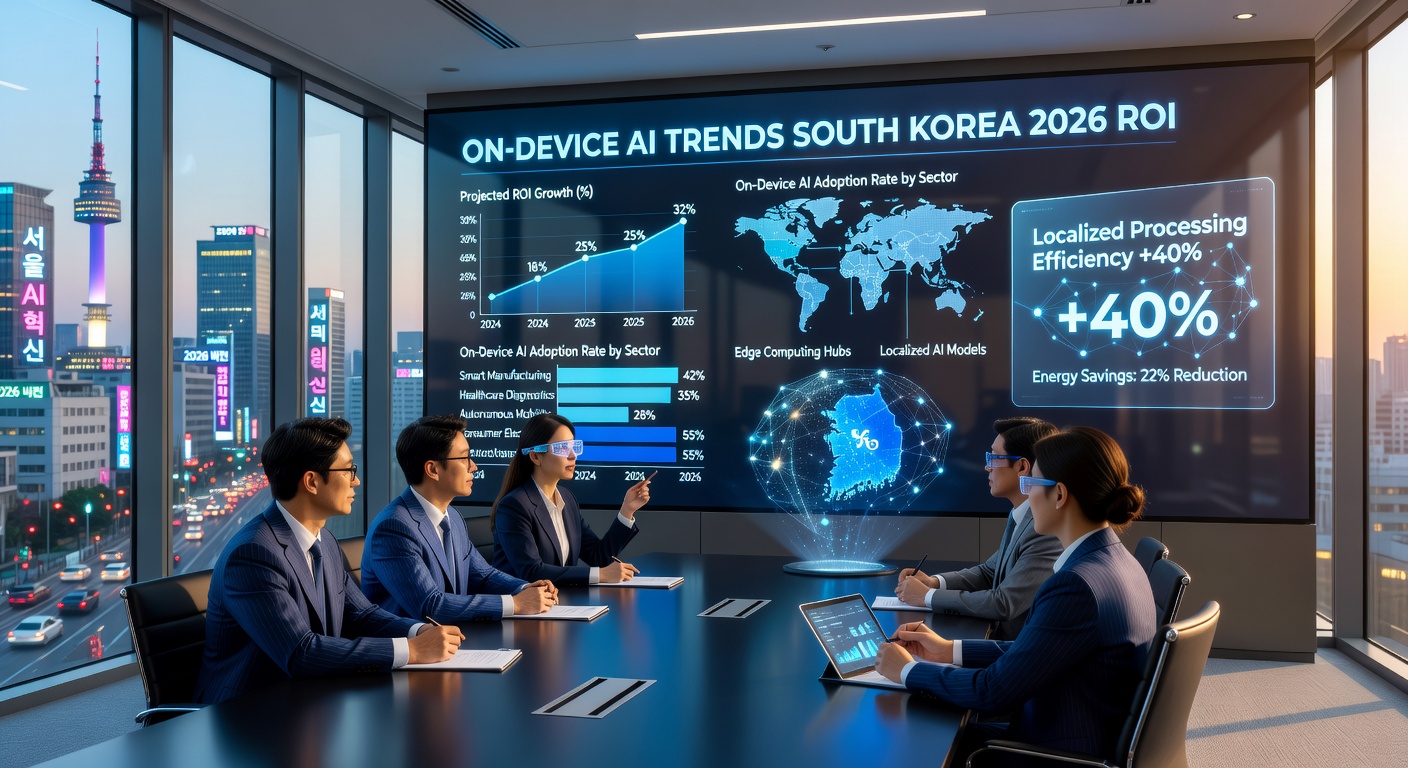
Recent 2026 data points paint a very clear picture of this growth. The central bank officially raised its Bank of Korea interest rate forecast 2026 growth projection to 2.0% in February. Meanwhile, the South Korea export-import balance Q1 2026 reflects a massive 102.7% surge in tech exports compared to previous periods. At the same time, energy imports dropped by 6.8%. This drop in energy costs is a game-changer. It fundamentally improves Energy costs and semiconductor manufacturing sustainability, making Korean factories much more profitable.
To attract even more international business, Korea’s 2026 policies prioritize digital equity, regional development, and transparency. Foreign firms are required to meet specific localization rules. The government is offering incredible financial benefits to companies that comply. Key trends include 75% cash grants on qualified investments from a massive KRW 200 billion budget. These incentives outpace many European and American programs by bundling support for strategic sectors like artificial intelligence, semiconductors, and clean tech.
Foreign Direct Investment (FDI) Incentives Comparison
| Incentive Type | Key Features in South Korea (2026) | Comparison to Global Benchmarks |
|---|---|---|
| Cash Grants | Up to 75% of setup costs; expanded heavily in 2026 for high-tech sectors. | Higher rates than typical US state grants (20-30%); strongly rivals EU’s IPCEI funding. |
| Policy Loans | Low interest rates for facilities and R&D; tied to job creation and regional impact. | Offers longer repayment tenors than standard US Small Business Administration loans. |
| Tax Relief | 100% income tax cut for 5 years, then 50% for 2 more; 75% property tax reduction. | Matches or significantly exceeds EU R&D tax credits in overall duration and value. |
Supplemental Explanation for Global Readers
A “K-shaped recovery” gets its name from the shape of the letter K. One line goes up, representing wealthy tech companies making record profits. The other line goes down, representing everyday shoppers spending less money at local stores. The government keeps interest rates high to stop everyday prices from rising too fast. While this hurts local shoppers, the government is simultaneously giving massive cash grants to foreign tech companies. This market-friendly approach ensures that the country remains a global technology superpower. Conservative analysts praise this strategy, noting that lowering corporate taxes and supporting free markets is the best way to secure long-term national wealth.
Research Sources:
3. Global Implications
These economic shifts have massive impacts on international investors, expats, and multinational businesses. Global fund managers must dynamically hedge their portfolios against the KRW to USD exchange rate impact on tech stocks. As the US Federal Reserve anticipates cutting its own interest rates, the Korean Won is expected to strengthen. A stronger Won significantly alters the offshore valuations of Korean tech equities. If you are an American or European investor, changes in currency values can wipe out your stock market gains if you are not careful.
When comparing South Korea to global benchmarks, the nation stands out. The projected 2.0% South Korea GDP growth driven by tech exports 2026 outpaces the International Monetary Fund’s advanced economy average. Furthermore, local corporate initiatives targeting Energy costs and semiconductor manufacturing sustainability outcompete specific EU and US efficiency metrics. South Korean factories are simply producing computer chips faster, cheaper, and cleaner than their Western rivals.
However, foreign stakeholders must conduct a careful risk assessment. Heavy reliance on AI-driven IT exports leaves the broader Korean economy vulnerable. If there is a sudden global semiconductor supply glut, or if Western tech giants reduce their AI capital expenditures, Korea’s export engine could stall. To mitigate these risks, the current conservative administration is leaning heavily on the US-Korea security alliance. By aligning supply chains strictly with American and allied interests, South Korea ensures a steady, guaranteed market for its technology exports.
Foreign platforms operating in Korea also face heightened environmental, social, and governance (ESG) scrutiny. Navigating the South Korea fair trade commission retail regulations is mandatory for e-commerce and retail investors. Furthermore, strict Product labeling requirements South Korea mandate detailed origin and ingredient disclosures. Non-compliance risks severe fines, especially as enforcement rises to protect consumers.
Supplemental Explanation for Global Readers
Hedging against currency rates is like buying insurance for your money. If you buy a Korean stock using US Dollars, you want the Korean Won to stay stable. If the value of the Won changes suddenly, the actual profit you take back to your home country might shrink. This is the “KRW to USD exchange rate impact.” Furthermore, while the tech boom is exciting, it is risky to rely on just one industry. To protect the economy, conservative Korean leaders strongly support American foreign policy. By being America’s best friend in Asia, South Korea guarantees that US tech companies will keep buying Korean computer chips, keeping the economy safe and growing.
Research Sources:
4. Actionable Insights
There are specific steps global readers should take right now to benefit from this economic landscape. Institutional investors should rebalance their Asia-Pacific asset allocations to favor Korean foundries. You should utilize the flat Bank of Korea interest rate forecast 2026 to accurately project fixed-income yields. Because the central bank is keeping rates steady, predicting your return on investment is much easier this year. Stability is the friend of the foreign investor.
We strongly recommend specific investment opportunities and avoidance strategies. Investors should overweight Korean tech giants that are directly benefiting from AI infrastructure demand. However, you must actively hedge against the KRW to USD exchange rate impact on tech stocks. We advise using forward currency contracts ahead of the third quarter of 2026 to lock in your profits safely. Taking these protective steps ensures your gains are not lost to currency fluctuations.
You must also monitor policy changes affecting foreigners. Recent adjustments in national customs data reporting and semiconductor tax credits require immediate attention. International supply chain managers must strictly audit their first and second-quarter compliance frameworks. You must verify that your business aligns with the latest South Korea fair trade commission retail regulations regarding pricing transparency and fair online promotions. Engage local legal counsel to ensure you meet all Product labeling requirements South Korea before bringing new physical products to the market.
To assist with these steps, global businesses can access practical resources online. The Ministry of Economy and Finance (MOEF) provides an excellent English portal. The Bank of Korea Economic Statistics System (ECOS) offers real-time financial data. Finally, the Korea Customs Service trade statistics database is vital for tracking export trends.
Step-by-Step 2026 Market Entry Roadmap
| Phase | Action Required | Expected Outcome |
|---|---|---|
| 1. Pre-Assessment | Evaluate your business against Foreign direct investment (FDI) incentives Korea 2026 using MOTIE portals. | Identify which 75% cash grants or tax cuts your company qualifies for. |
| 2. Design & Strategy | Design a project plan emphasizing job creation and ESG impact, structuring deals with 40% equity and 30% loans. | Increases the likelihood of government approval by aligning with conservative market goals. |
| 3. Compliance Audit | Audit online storefronts against South Korea fair trade commission retail regulations and update physical packages for Product labeling requirements South Korea. | Avoids costly fines and ensures smooth customs clearance for imported goods. |
| 4. Execution | Match your strategy to local co-funds, submit English-translated documents, and execute with active KRW currency hedging. | Seamless market entry with protected profits against the KRW to USD exchange rate impact on tech stocks. |
Supplemental Explanation for Global Readers
When we say “overweight Korean tech giants,” it means you should put a larger percentage of your investment money into Korean technology companies compared to other industries. Because artificial intelligence requires massive amounts of memory chips, Korean companies that make these chips are guaranteed to make money. However, making the money is only half the battle. You must follow the rules to keep it. South Korea has strict laws about how products must be labeled and how online stores must treat customers. By hiring local experts to handle these rules, foreign businesses can enjoy the massive tax cuts and cash grants offered by the pro-business government without getting into legal trouble.

5. Expert Analysis
Looking closely at official forecasts reveals a fascinating debate between international and domestic experts. The International Monetary Fund (IMF) revised its 2026 growth outlook for South Korea to a modest 1.9%. Conversely, the Bank of Korea interest rate forecast 2026 suggests internal confidence, with domestic authorities projecting a slightly higher 2.0% growth rate. To suppress property market inflation, the central bank has signaled that the base rate will remain unchanged at 2.5%. This flat rate creates a predictable environment for corporate planning.
There is a distinct contrast between the international perspective and the Korean domestic view. Domestic policymakers frequently fret over sluggish private consumption and household debt. Everyday citizens are feeling the pinch of high interest rates. However, international analysts view the USD 15.51 billion February surplus in the South Korea export-import balance Q1 2026 as a definitive indicator of robust external economic health. Foreign experts care less about local retail shopping and more about global tech dominance.
Expert quotes from recent research materials confirm this global optimism. Financial experts at ING Think note that:
“The central bank projects 1.8% GDP growth and 2.1% inflation for 2026.”
Meanwhile, optimistic BOK officials highlight:
“Significantly higher growth this year compared to last, supported by a chip boom.”
Prominent conservative Korean media outlets, such as the Chosun Ilbo and Dong-A Ilbo, offer critical analysis on this success. They argue that this tech boom is not just luck; it is the result of returning to core principles of Korean economic freedom. By moving away from previous administrations’ heavy taxation policies, the current government has allowed corporations to breathe, invest, and innovate. They argue that maintaining a tough stance on national security and embracing market-driven reforms are the true engines of this historic trade surplus.
Supplemental Explanation for Global Readers
In economics, inflation means things get more expensive over time. To stop houses and groceries from getting too expensive, the Bank of Korea keeps its main interest rate at 2.5%. This makes borrowing money for mortgages harder, which cools down the housing market. While local newspapers worry about citizens not buying enough goods, international experts are thrilled. They see South Korea making billions of dollars selling computer chips abroad. Conservative experts believe that by keeping taxes low for businesses and maintaining a strong military alliance with America, South Korea is creating the perfect, safe environment for these tech companies to thrive globally.
Research Sources:
6. Conclusion & Next Steps
In summary, South Korea’s 2026 macroeconomic landscape is heavily defined by record-breaking tech export surpluses. We are witnessing a stabilizing interest rate environment and rapidly improving semiconductor energy efficiencies. These factors combine to create highly targeted, lucrative opportunities for foreign capital. However, maximizing these benefits demands localized compliance with trade, ESG, and consumer rules. You must balance the excitement of 75% cash grants with the reality of strict corporate governance.
By understanding the forces driving the economy—such as pro-market reforms, a strong US security alliance, and strategic deregulation—international investors can safely navigate this landscape. South Korea is open for business, and its tech sector is leading the world.
To deepen your understanding of these topics, please review our related internal content. We highly recommend reading “Navigating South Korea’s Semiconductor Subsidies: A 2026 Guide for Expats” and “How US Fed Rate Cuts Influence APAC Equity Markets in 2026.” These guides offer further actionable steps for corporate tax structures and expat blueprints.
Call-to-Action for International Readers
Do not miss out on the latest financial shifts in the Asia-Pacific region. Subscribe to our global macroeconomic newsletter today. You will receive real-time alerts on the Bank of Korea’s next rate decision, updates on the Korean Won exchange rate, and monthly international compliance checklists tailored for foreign expats and investors.
Updated Resource List
- Korea Customs Service (KCS) Trade Data Portal
- ING Think Asia 2026 Outlook
- Trading Economics South Korea Hub
Supplemental Explanation for Global Readers
To succeed in South Korea in 2026, you must understand both the opportunities and the rules. The government wants your investment and will give you massive tax breaks to get it. However, you must respect their laws on fair trade and product labeling. The current conservative government is highly supportive of foreign businesses, provided they operate transparently and contribute to the high-tech economy. By staying informed and using the resources provided in this guide, you can safely grow your wealth in one of Asia’s most dynamic and secure markets.
7. Frequently Asked Questions (FAQ)
Q: What is the main driver of South Korea’s economic growth in 2026?
A: South Korea’s growth is predominantly driven by a historic surge in technology exports, especially artificial intelligence and advanced memory chips, resulting in a record trade surplus.
Q: How does the “K-shaped recovery” affect foreign investors?
A: While domestic consumer spending remains low due to high interest rates, the tech export sector is experiencing rapid expansion. This dynamic provides a highly profitable environment for foreign capital focused specifically on the high-tech sector.
Q: What should international businesses be aware of regarding compliance in South Korea?
A: Foreign companies must strictly adhere to the latest South Korea fair trade commission retail regulations and product labeling rules. Ensuring thorough compliance is essential to access significant FDI incentives, including massive tax cuts and up to 75% cash grants.