

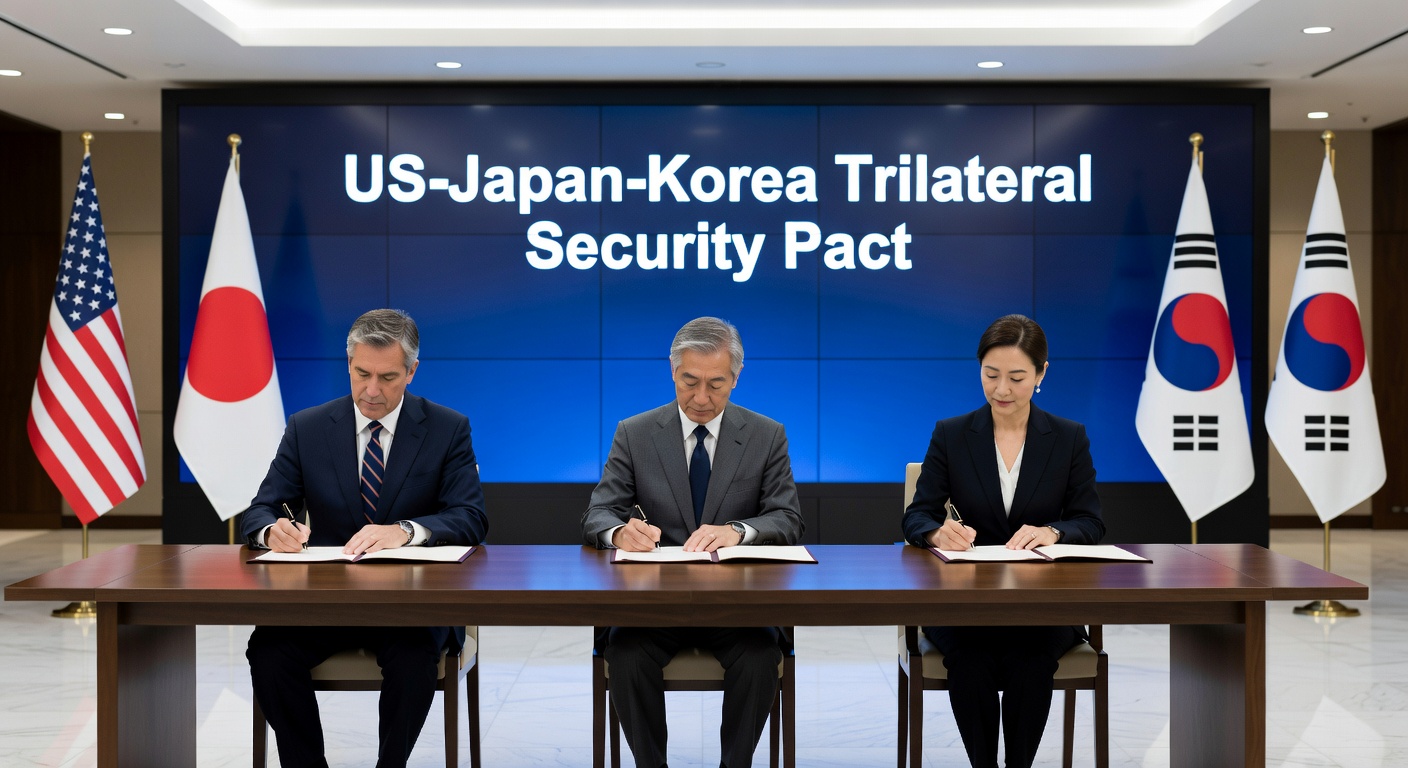
US-Japan-Korea Trilateral Security Pact
Key Summary: The US-Japan-South Korea trilateral security pact continues to shape East Asian market stability. With South Korea’s defense budget rising to 15.8% amid evolving geopolitical dynamics, understanding these strategic defense frameworks is essential. This integration of military alliances and economic strategies directly influences global capital, supply chain security, and international trade routes in 2026.
Table of Contents
- 1. Introduction
- 2. Current Situation
- 3. Global Implications
- 4. Actionable Insights
- 5. Expert Analysis
- 6. Conclusion & Next Steps
- 7. Frequently Asked Questions (FAQ)
1. Introduction
The US-Japan-South Korea trilateral security pact has become a prominent anchor for East Asian market stability as we navigate early 2026. Global markets are closely watching East Asia. South Korea has expanded its defense budget to a substantial 15.8% of total national spending. This significant budget increase is seen as a direct response to evolving geopolitical complexities.
Many policymakers in Seoul emphasize that economic stability relies heavily on robust military defense. Understanding this trilateral framework is essential for foreign investors, expats, and business analysts. It influences how global capital, supply chains, and international trade routes may navigate regional uncertainties.
Security analysts often argue that secure borders are foundational for a stable free market. A structured strategic stance is believed to provide the safety net that global businesses require. When foreign companies observe strong international security ties, it often supports investment confidence. The alliance serves as a strategic shield for global trade. For more context on the regional threats driving this pact, extensive analyses are available.
We have three key takeaways for global readers today. First, we will explore how defense dialogues impact defense and tech stock prices. Second, we will look at how regional containment strategies influence computer chip export protocols. Third, we will discuss the financial effects of changing military command structures. Together, these points illustrate areas for potential investment and risk management. To understand the growing domestic pressure for stronger defense, researchers continue to track shifting public sentiments.
Introduction: Supplemental Explanation
The defense budget increase to 15.8% marks a notable shift in South Korean policy for 2026. For many years, defense spending grew at a more moderate pace. However, defense advocates successfully argued that economic growth is closely tied to national safety. This expanded budget is designed to secure vital trade routes in the Yellow Sea and the East Sea.
It also sends a clear message to global investors regarding asset protection. By coordinating the resources of three major economies, the pact aims to lower the risk of sudden market disruptions caused by external variables. For international readers, this indicates that South Korean markets maintain frameworks designed for stability despite regional challenges.
2. Current Situation
The US-Japan-South Korea trilateral security pact is actively at work right now through multi-domain military exercises. These exercises indicate that the three nations are coordinating deeply. To grasp the implications, foreign readers should be familiar with two key defense concepts. The first is the Three-Axis System, designed for defense readiness, missile interception, and structured retaliation capabilities. Defense experts view this system as a critical guarantee of national survival.
The second concept is Strategic Flexibility. This approach allows US military forces in South Korea to mobilize for diverse logistical requirements in the wider Indo-Pacific region.
While these exercises take place, discussions are ongoing regarding the future deployment of defense infrastructure. Various commentators strongly argue that current troop placements play a vital deterrent role. Concurrently, operational frameworks are evolving, giving institutions new tools to manage border safety. You can track the UN Command role in Korean Peninsula stability through ongoing policy updates.
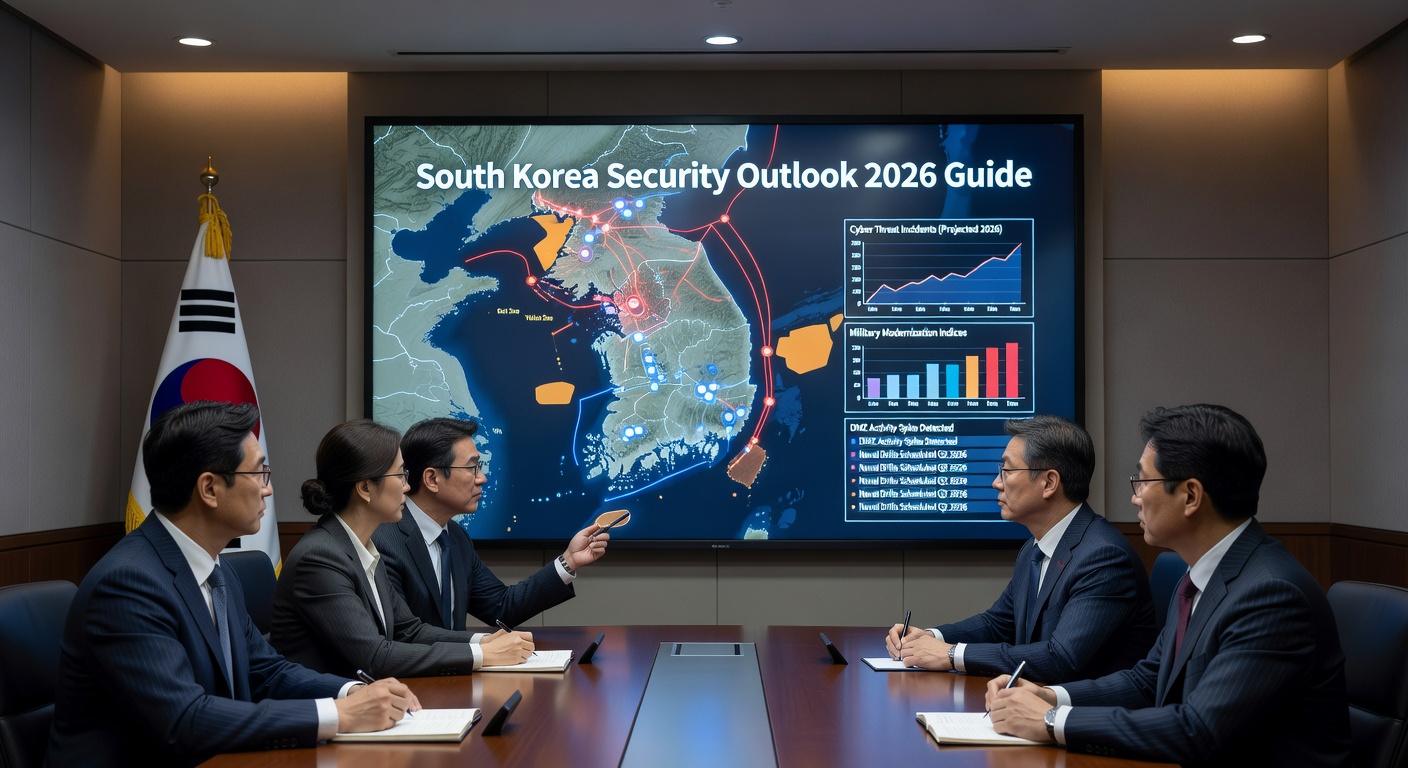
Visual Recommendation: Imagine a tactical map illustrating the border between North and South Korea, alongside the expanded geographic footprint of the trilateral maritime defense zones stretching into the ocean. This underscores how military presence overlaps with important shipping lanes for cargo. For an in-depth look at these aligned alliances, various institutional reports offer expansive data.
Comparing Traditional vs. Trilateral Security Postures
| Feature | Traditional Security Posture | 2026 Trilateral Security Pact | Impact on Global Investors |
|---|---|---|---|
| Focus | Defending local borders. | Protecting the broader Indo-Pacific region. | Secures global supply chains. |
| Military Drills | Bilateral formats. | Integrated trilateral exercises. | Demonstrates unified market protection. |
| Strategy | Reactive defense protocols. | Preemptive readiness systems. | Increases confidence in defense stocks. |
| Troop Movement | Static placements. | “Strategic Flexibility” for regional deployment. | Aims to lower regional shipping risks. |
Current Situation: Supplemental Explanation
The Three-Axis System relies significantly on high-tech weapons, advanced radar, and artificial intelligence. This infrastructure demands create opportunities for global tech and defense companies seeking government contracts. Concurrently, Strategic Flexibility signifies that the alliance focuses on overarching regional economic stability rather than strictly localized defense.
Many lawmakers strongly support both concepts, suggesting that integrated defense with Japan and the US strengthens the country’s resilience against regional pressures. For expats and investors, this situation highlights a period of intense defense cooperation, meant to ensure that supply chains linking major capitals remain robust.

3. Global Implications
Global investors in tech and energy are analyzing the regional containment strategies in effect for 2026. Reports of new military plans from neighboring states introduce potential variables for ocean shipping lanes. Financial analysts warn that ignoring regional dynamics can impact market confidence. Consequently, many advocate for a firm strategic approach to protect global business interests.
Maintaining secure logistics ensures that cargo ships can deliver critical components like computer chips and fuel safely. Multinational companies frequently update their risk assessments to account for these variables. For insight into the North Korean strategy, international policy journals offer extensive reviews.
Discussions around South Korea’s defense capabilities are also evolving. Recent surveys indicate substantial public support for enhancing indigenous deterrent capabilities. From a national security perspective, this is viewed as a matter of sovereignty and self-defense. Prominent voices suggest that these discussions compel allies to prioritize South Korea’s safety requirements. This dialogue signals potential shifts in regulations for exporting advanced technology. To understand the sovereignty aspect of this debate, readers can look to diplomatic historical analyses.
Despite regional pressures, South Korea’s economic fundamentals remain robust. When comparing South Korea to global benchmarks, its sovereign risk profile demonstrates high resilience, supported heavily by international alliances. Market strategies often prioritize these alliances to mitigate risk.
Sovereign Risk Profile Comparison (Q1 2026)
| Region | Market Resilience | Primary Security Risk | Investment Outlook |
|---|---|---|---|
| South Korea | High (Backed by Trilateral Pact) | Regional Geopolitical Developments | Strong in Defense and Tech |
| United States | Very High | Global supply chain disruptions | Safe Haven, High Tech Growth |
| European Union | Moderate to High | Eastern Europe border conflicts | Energy sector volatility |
Global Implications: Supplemental Explanation
Defense policy dialogues have notable financial consequences for foreign stakeholders. Strategic leaders may leverage public sentiment to negotiate enhanced technology sharing and defense integrations. This strategy aims to secure enhanced protection while adhering to global non-proliferation norms.
Furthermore, regional containment strategies encourage multinational companies to localize their tech supply chains nearer to aligned nations. This trend, often referred to as “friend-shoring,” positions South Korea as a prime destination for targeted industrial investments.

4. Actionable Insights
There are specific steps global readers should consider. First, conduct thorough audits of your supply chain dependencies in the Yellow Sea to assess vulnerability to maritime disruptions. Second, evaluating joint-venture capital toward defense, aerospace, and AI sectors may prove beneficial. Companies integrated into the broader security network are frequently engaging with significant government procurement cycles.
Pro-business lawmakers are actively streamlining regulations to help foreign contractors navigate the market more efficiently. This creates an inviting environment for international investors aiming to participate in East Asian economic expansion.
Additionally, monitoring logistical and infrastructural updates provides foresight into new commercial contracts. Upgraded mandates often lead to developments in road networks, tech grids, and premium logistics routes. Investors can utilize avoidance strategies to protect assets, focusing on industries heavily supported by national security priorities rather than highly volatile unregulated sectors.
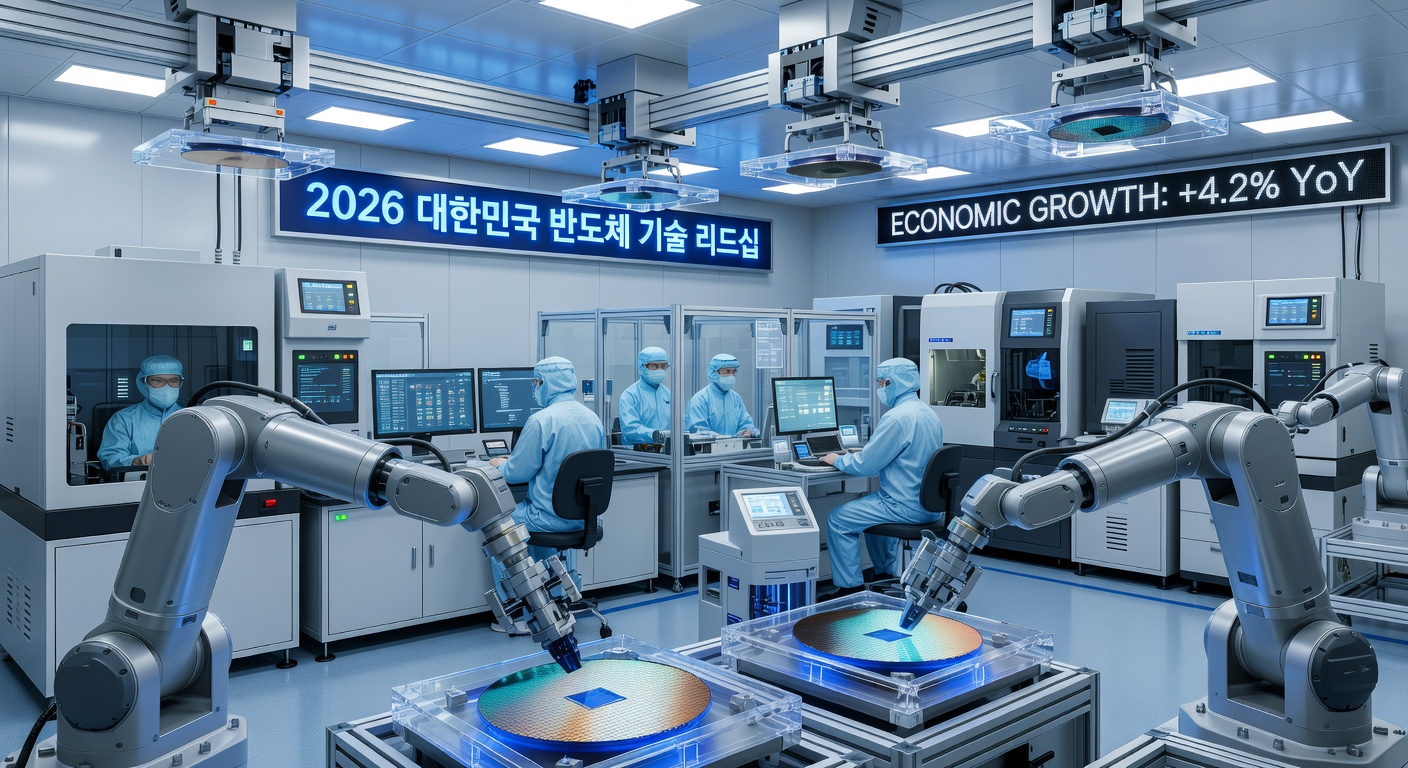
Finally, anticipate stricter export controls on critical minerals and semiconductor components. Authorities are aligning closely with high-tech compliance frameworks to manage sensitive supply chains. While this increases administrative requirements, it can yield structural advantages for compliant companies.
Investment Opportunities vs Avoidance Strategies
| Action Strategy | Target Sectors | Reason for 2026 Action |
|---|---|---|
| Invest (Pivot Capital) | AI, Aerospace, Defense Tech | Integration into the security pact with substantial funding. |
| Secure (Logistics) | Port infrastructure, Rail networks | Backed by logistical demands of stability operations. |
| Comply (Export) | Semiconductors, Critical Minerals | New strict export controls align with high-tech compliance strategies. |
| Avoid (Risk) | Unregulated tech startups | Vulnerable to unpredictable regulatory shifts and market volatility. |
Actionable Insights: Supplemental Explanation
Foreign investors frequently inquire about practically aligning their portfolios with these regional frameworks. Government procurement and strict compliance are key mechanisms. In 2026, there is an active push for acquiring advanced AI systems for monitoring. Tech companies forming joint ventures with local firms are participating in these major bids.
Market reforms have systematically facilitated foreign capital entry into specific sectors safely. However, trade compliance is heavily enforced. Export controls on semiconductors demand immediate supply chain audits to ensure alignment with prevailing regulatory frameworks.
5. Expert Analysis
First-quarter 2026 assessments indicate stable Foreign Direct Investment (FDI) inflows. This stability suggests that overarching regional containment strategies are maintaining market confidence. In basic terms, structured deterrence measures are mitigating geopolitical tensions, fostering a calm investment climate. Institutional strength continues to prove to global investors that South Korea’s civic and economic foundations are resilient.
International perspectives often differ from domestic views on defense policies. While domestic dialogue may focus on national self-reliance, international analysts typically view these discussions as strategic catalysts for expanding consultative frameworks. Policy experts frequently highlight that coordinated approaches act as a solid economic firewall for capital. You can read more about why this agreement must evolve in contemporary foreign policy literature.
Academic discussions emphasize this institutional resilience. Market analysts pivot this conversation toward economic safety, arguing that navigating recent years highlights the effectiveness of robust legal and constitutional checks. To see how experts balance denuclearization and risk reduction today, thorough assessments are widely published.
2026 Expert Forecasts on Trilateral Security
| Expert Domain | Q1 2026 Observation | 2026-2027 Forecast |
|---|---|---|
| Economic Analysts | Stable FDI inflows despite regional rhetoric. | Continuous growth in defense and aerospace sectors. |
| Political Scientists | Strong institutional resilience demonstrated. | Civic institutions will maintain market stability and order. |
| Defense Strategists | Integrated exercises deter maritime risks. | Expanded consultative frameworks. |
| Trade Specialists | Strict semiconductor export controls implemented. | “Friend-shoring” brings tech supply chains closer to aligned hubs. |
Expert Analysis: Supplemental Explanation
South Korea’s trajectory in 2026 highlights notable democratic and economic resilience. Market mechanisms have consistently shown the capacity to weather political noise without disrupting long-term fundamentals. For international readers, this expert consensus is highly reassuring, indicating that investments are operating within an environment supported by solid legal and international frameworks.
6. Conclusion & Next Steps
In conclusion, the US-Japan-South Korea trilateral security pact represents a major factor for East Asian commerce today. Despite regional volatility, South Korea remains a resilient environment for global capital. Institutionalized defense initiatives aim to keep sea lanes open and supply chains functional.
Recent policy developments have successfully tied national security directly to economic stability. By adapting export controls and adjusting defense budgets, the region continues to position itself as a modern, stable partner for foreign investors. The continuity of international alliances reinforces a long-term economic strategy.
We recommend continuing to explore how geopolitical shifts impact investments. Engaging with in-depth analysis regarding technology sectors, local political landscapes, and market regulations will assist in navigating East Asia effectively.
Updated 2026 Resource List for Global Readers:
- 38 North: For technical analysis of regional containment strategies.
- Center for Strategic and International Studies (CSIS): For extensive data on the trilateral security pact.
- American Enterprise Institute: For perspectives on evolving troop presences and alliances.
Conclusion: Supplemental Explanation
Navigating the complexities of the 2026 Asian market requires clear, actionable intelligence. Security and economics frequently intersect. A prevalent viewpoint identifies that military preparedness often underpins economic prosperity. As defense policies take shape, foreign investors should align capital and logistics with overarching stability frameworks, ensuring readiness against regional shifts.
7. Frequently Asked Questions (FAQ)
How does the trilateral security pact impact foreign investments in South Korea?
The pact enhances market stability by pooling resources across three major economies to deter regional threats. This coordinated defense strategy acts as an economic firewall, maintaining open trade routes and protecting supply chains, which in turn boosts investor confidence.
What is the “Three-Axis System”?
The Three-Axis System is a strategic defense protocol focusing on preemptive readiness, missile interception, and structured response capabilities. It relies heavily on advanced radar, AI, and high-tech weaponry, significantly driving growth in the defense and technology sectors.
How are export controls changing for the semiconductor industry in 2026?
In alignment with comprehensive high-tech compliance strategies, regulations around the export of critical minerals and semiconductor components have become much stricter. Companies must conduct thorough supply chain audits to remain compliant with these new security-focused standards.