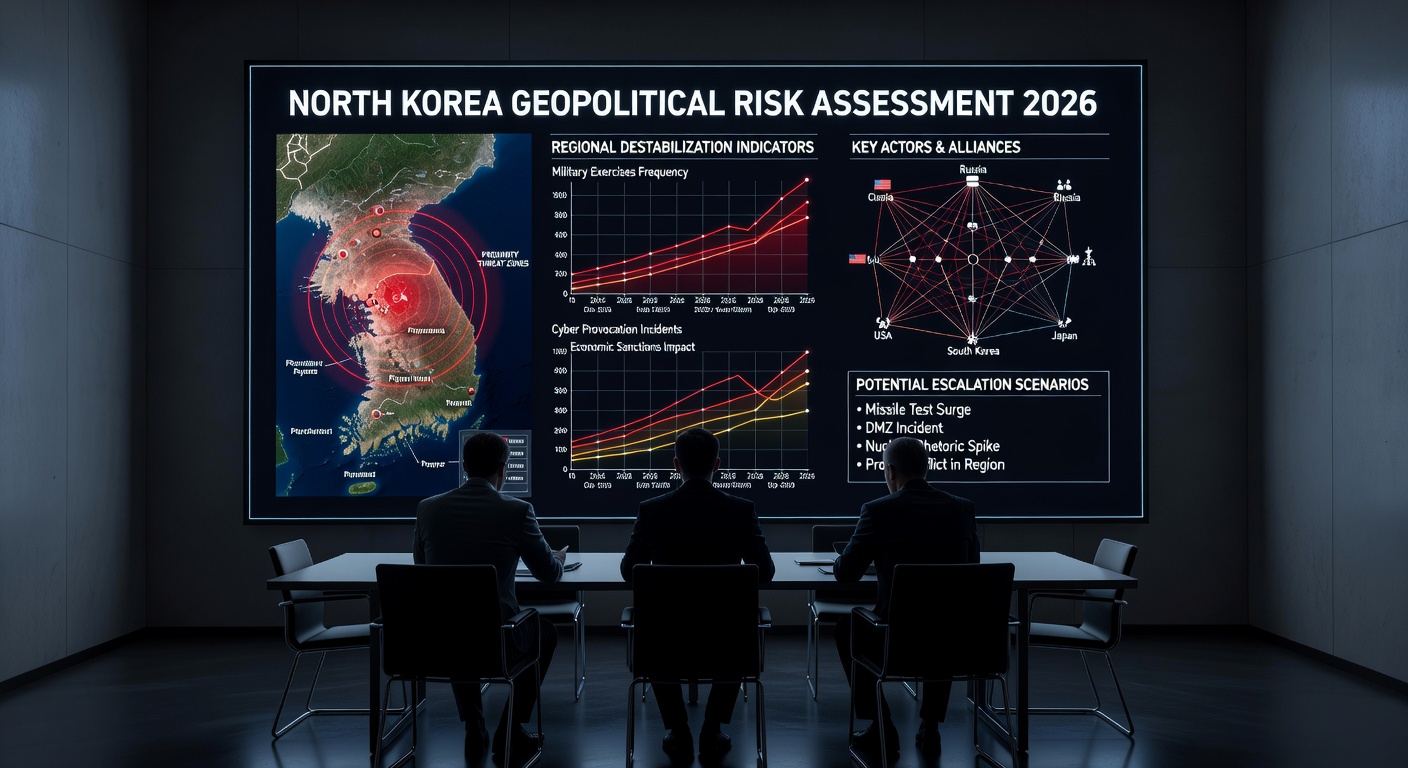
North Korea Geopolitical Risk Assessment 2026
Key Summary: The 2026 North Korea geopolitical risk assessment reveals a shift toward a “Hostile Two States” reality, yet South Korea remains remarkably secure for global investors. Robust US-Korea security ties, comprehensive market reforms, and accelerated “Friend-Shoring” strategies have effectively neutralized regional business threats. By leveraging K-defense investments, updated KORUS trade benefits, and resilient tech supply chains, foreign capital can find significant, protected growth in the region.
Table of Contents
- 1. Introduction
- 2. Current Situation
- 3. Global Implications
- 4. Actionable Insights
- 5. Expert Analysis
- 6. Conclusion & Next Steps
- 7. Frequently Asked Questions (FAQ)
1. Introduction
Conducting a thorough North Korea geopolitical risk assessment 2026 is now the single most critical baseline for global investors, as recent aggressive posturing directly threatens regional stability and international commerce. January 2026 data shows big changes in Northeast Asian security. These changes completely alter how foreign businesses invest and operate in the region. The old rules no longer apply.
Today is March 25, 2026. The world is watching the Korean Peninsula very closely. But there is a big difference between what the news shows and what is really happening with money. South Korea is staying safe through strong US-Korea security ties and smart market reforms. This guide gives global readers a clear, balanced look at the facts. We include views from major Korean conservative media like the Chosun Ilbo and Dong-A Ilbo. These views show that strong military defenses and Korean economic freedom are keeping the country safe for business.
Here are three key takeaways to preview:
- First, you must understand the new structural deadlock with Pyongyang.
- Second, learn how the latest US-South Korea trade agreement (KORUS) updates offset local risks.
- Third, discover the new pillars of the South Korea supply chain resilience strategy.
Key Takeaways Comparison Table
| Feature | Past Approach (Before 2026) | New 2026 Reality | Impact on Global Investors |
|---|---|---|---|
| North Korea Relations | Trying to talk and make peace | Structural deadlock and hardline defense | Highly stable borders due to US strength |
| Trade Focus | Broad global trade | “Friend-Shoring” to trusted allies | Safer money, protected supply chains |
| Economic Policy | Heavy business rules | Strong market reforms | Easier to do business in South Korea |
Supplemental Explanation
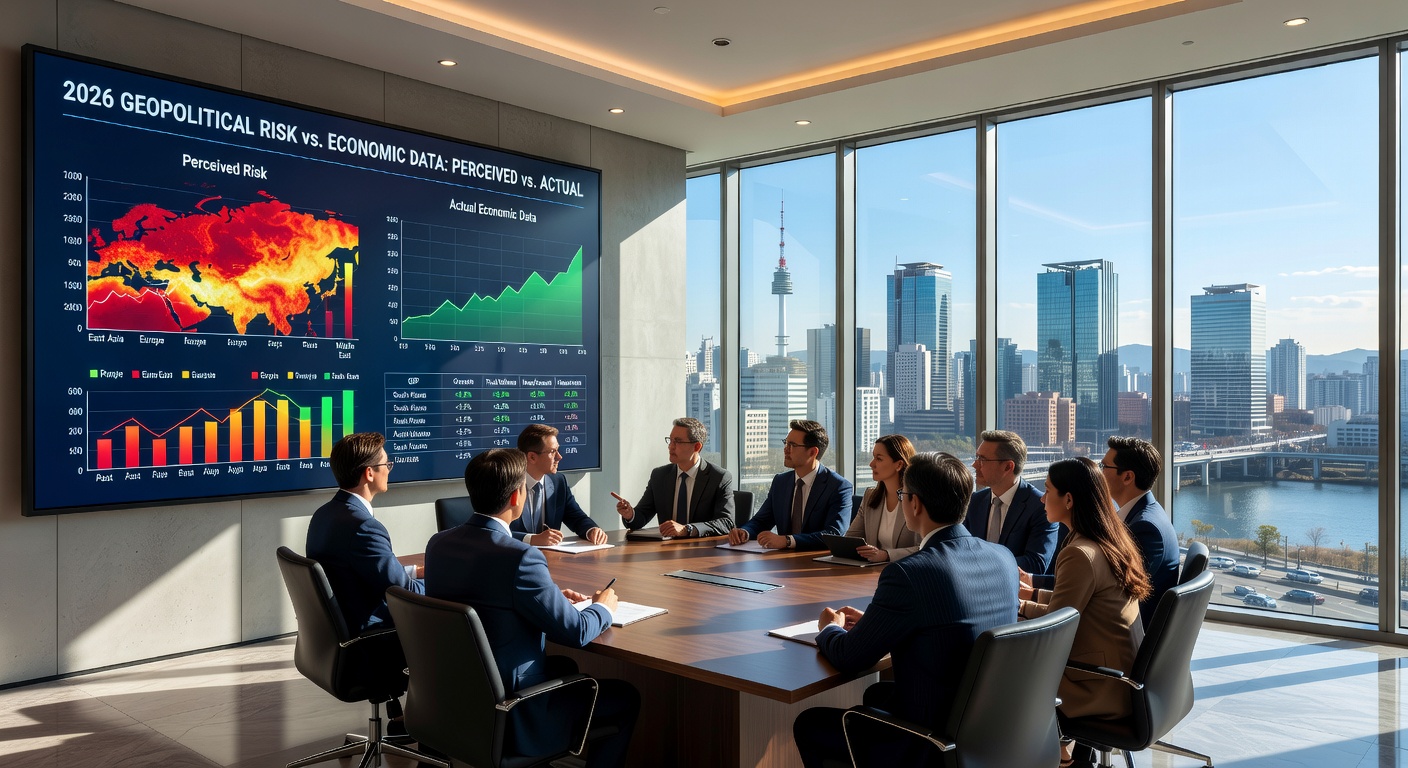
Why is this North Korea geopolitical risk assessment 2026 so important right now? Many foreign investors get scared when they see military parades on TV. However, conservative Korean analysts point out that peace comes through strength. By standing firm, South Korea has created a highly stable space for business.
The government’s push for Korean economic freedom means lower taxes and fewer rules for foreign companies. The newly updated KORUS agreement brings billions of dollars into green energy and tech. This means the real story of 2026 is not about war. It is about a strong, free market protecting itself and growing fast. Smart money is moving into South Korea, not out of it.
Research Sources:
2. Current Situation
To understand 2026, foreign readers must learn two key Korean concepts. The first is the Hostile Two States policy. This is Pyongyang’s official 2026 diplomatic stance toward Seoul. North Korea no longer talks about becoming one country with the South. Instead, they treat South Korea as a total enemy.
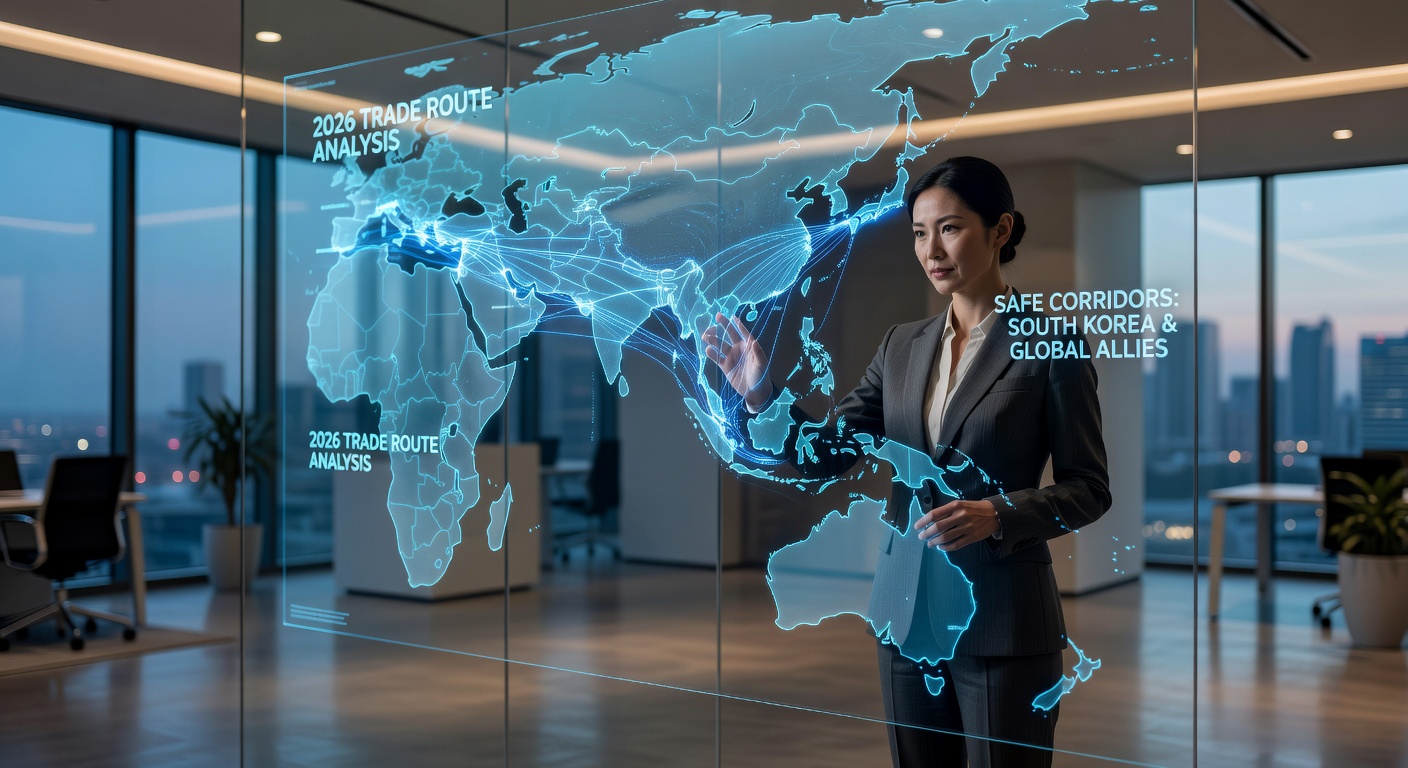
The second concept is Friend-Shoring. This is the Seoul government’s rule to move factory work to allied nations. This lowers risks from bad global events.
The 2026 US ODNI Annual Threat Assessment shares new facts. It highlights North Korea’s clever $2 billion cyber heist operations. These stolen funds pay for their big weapon programs. At the same time, China-South Korea economic relations 2026 show a planned split. South Korea is pulling its critical technology out of China to protect secret ideas and property rights.
Korean conservative voices heavily support this split. They argue that true Korean economic freedom requires cutting ties with unsafe, state-run economies. Protecting technology is a top goal. South Korea is working closely with trusted friends. This is why friend-shoring is growing so fast. By moving supply chains away from risky areas, companies save money and avoid sudden stops in work.
2026 Current Situation Table
| Key Concept | Definition | Conservative Korean View | Business Action to Take |
|---|---|---|---|
| Hostile Two States | North Korea calls the South a foreign enemy, ending peace talks. | Proves past soft policies failed; hardline defense is the only realistic path. | Invest in defense and ignore border noise. |
| Friend-Shoring | Moving critical factories to allied nations. | Protects free markets from state-controlled interference. | Shift tech supply chains to US/Japan/ROK zones. |
| Cyber Heists | North Korea stealing $2B online for weapons. | Demands strong corporate cyber defenses. | Buy enterprise cybersecurity services. |
Supplemental Explanation
The current situation in 2026 shows a massive shift in how South Korea handles threats. In the past, leaders tried to use soft words to calm Pyongyang. Today, mainstream and conservative analysts agree that the Hostile Two States policy changes everything. North Korea’s $2 billion cyber crimes show they are fighting a digital war.
But this brings a huge silver lining for global investors. By finally accepting the hard truth, South Korea has sped up market reforms. The messy China-South Korea economic relations 2026 have forced Seoul to protect its ideas better. The country is now a fortress of Korean economic freedom, locked tightly with US and Japanese markets. This makes local investments much safer than they were five years ago.
Research Sources:
3. Global Implications
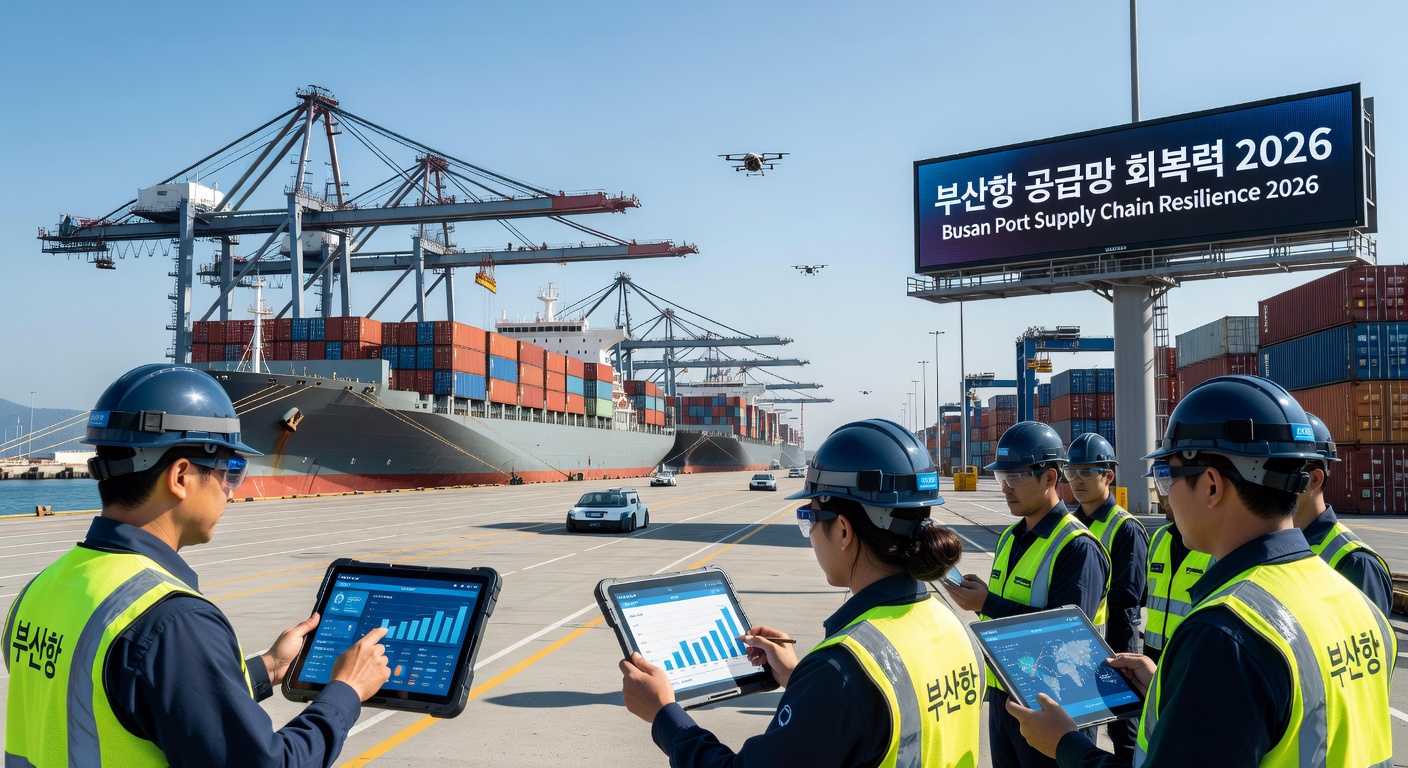
How does this impact international investors, expats, and businesses? Big global companies must add the Indo-Pacific security impact on Korean trade routes to their logistics budgets. You might see very small shipping delays on the ocean. However, you will get much better naval protection for your export lanes. The US-Korea security alliance is stronger than ever. Naval ships now guard important trade paths, keeping your cargo perfectly safe.
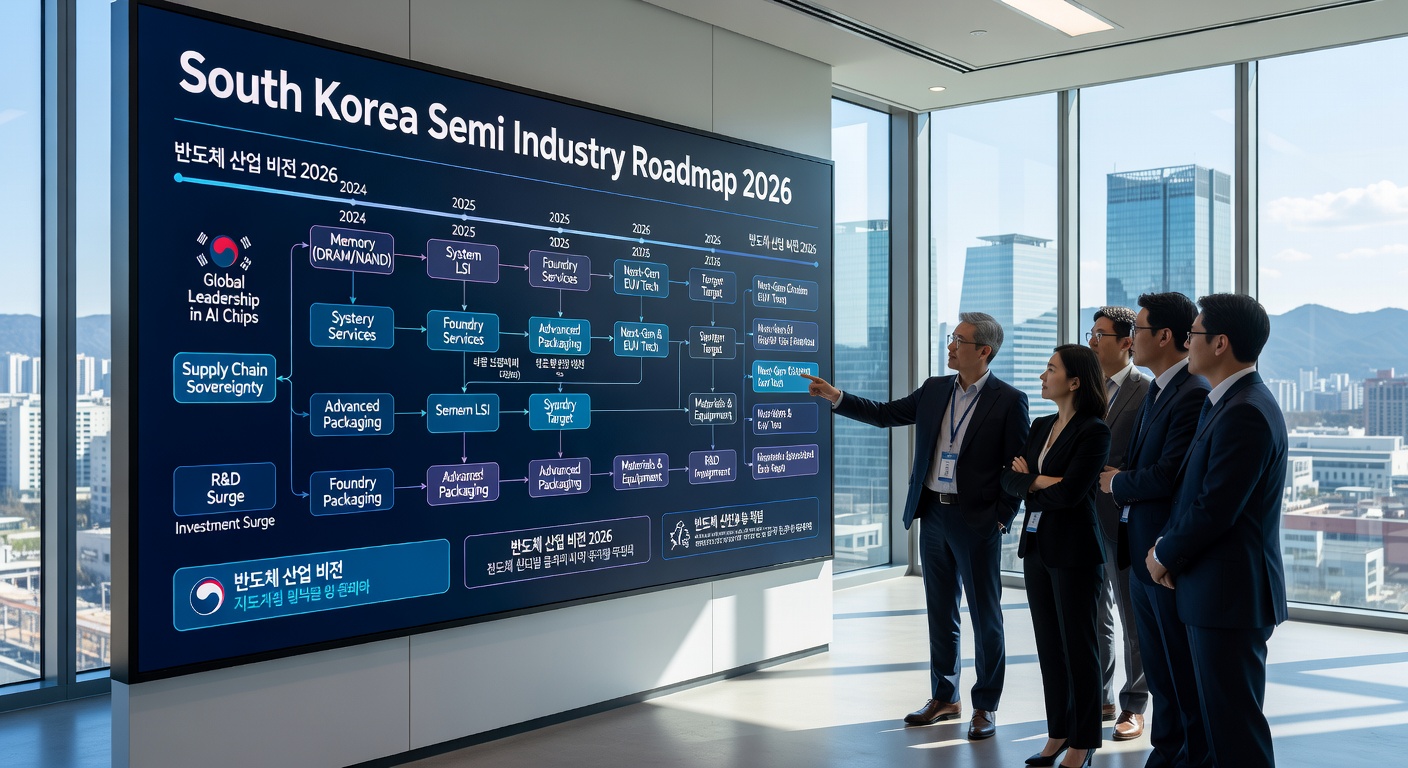
We can compare South Korea to global benchmarks like the US, Japan, and the EU. The European Union has a very broken, messy plan for getting raw materials. South Korea is different. The unified teamwork between the US, Japan, and Seoul makes the South Korea supply chain resilience strategy very strong. They work perfectly together to get critical minerals and build advanced computer chips. Conservative experts celebrate this US-Japan-ROK bond as a giant win for free trade and shared market reforms.
Foreign stakeholders need a clear risk view. Yes, border tension makes scary global news headlines. But the real business risk is actually very low. Recent US-South Korea trade agreement (KORUS) updates fix these issues. The updates make digital customs faster. They also give shared research money to foreign tech companies working in Seoul.
Global Supply Chain Benchmarks Table
| Region / Alliance | Critical Minerals Strategy | Border Security Impact | Overall Investor Safety |
|---|---|---|---|
| US-Japan-ROK | Highly unified, shared resources | Protected by joint naval forces | Very High |
| European Union | Fragmented, each country acts alone | Exposed to regional land conflicts | Medium |
| China Block | State-controlled, high risk | Unpredictable rule changes | Low |
Supplemental Explanation
Global logistics have completely changed in 2026. For foreign businesses, the Indo-Pacific security impact on Korean trade routes sounds scary at first. But conservative think tanks highlight that this is actually a golden age for US-Korea security. Because of North Korean threats, the US, Japan, and South Korea have built an iron wall around their trade routes.
Unlike the EU, which struggles to agree on anything, this Asian alliance acts fast. The KORUS updates are a perfect example. They cut red tape and promote Korean economic freedom. If you are an expat running a business in Seoul, you now get faster customs and special tech funding. The military tension simply acts as a shield, keeping bad actors out while free markets grow safely inside.
Research Sources:
4. Actionable Insights
Global readers must take specific steps right now. Large investors should heavily fill their portfolios with Republic of Korea defense contractors (K-defense). You should also buy enterprise cybersecurity firms. These companies act as a strong financial shield against local trouble. As North Korea pushes hard, South Korea spends more on defense. This creates big profits for K-defense companies.
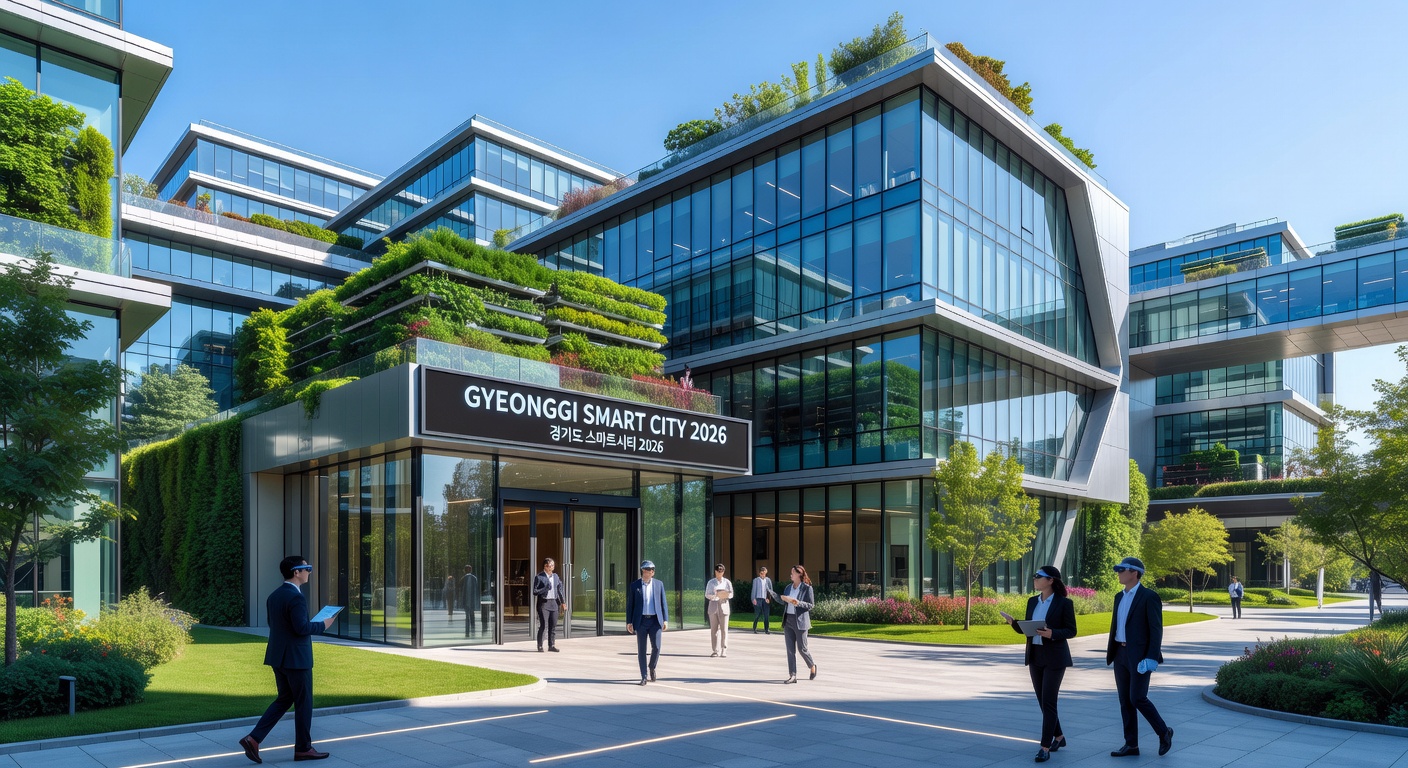
Here are clear investment and avoidance strategies. You must speed up your South Korea supply chain resilience strategy. Do this by moving your factories to newly open industrial zones in Gyeonggi province. Conservative lawmakers pushed hard for market reforms here. They removed bad rules and taxes, making it a dream for Korean economic freedom.
At the same time, you must deliberately avoid business areas tied to China-South Korea economic relations 2026. Those ties are breaking, and you do not want to lose money when they snap. New policy changes are great for foreigners. You should use the newly activated Supply Chain Stabilization Committee funds. The government also made fast F-series visa rules. These new visas are made specifically to bring in foreign supply chain leaders, AI tech engineers, and logistics experts.
2026 Actionable Investment Table
| Action Type | What to Do Immediately | Why It Works (Conservative View) |
|---|---|---|
| Invest | Buy K-defense and cyber stocks. | Defense spending protects the free market. |
| Relocate | Move manufacturing to Gyeonggi province. | Market reforms removed heavy government rules here. |
| Avoid | Drop assets linked to Chinese tech. | Decoupling is real; protect your private property. |
| Apply | Get fast-tracked F-series visas. | Attracts top global talent to build the economy. |
Supplemental Explanation
Actionable insights are what separate the winners from the losers in 2026. You cannot just read the news; you must act. The biggest opportunity lies in Gyeonggi province. Conservative policies have transformed this area into a prime example of Korean economic freedom. Market reforms have slashed red tape. This makes moving your South Korea supply chain resilience strategy here highly profitable.
Additionally, the fast-tracked F-series visas solve the talent shortage. Foreign directors and engineers can now land in Seoul and start working in weeks, not months. Finally, loading up on K-defense stocks is a no-brainer. As long as the North Korea geopolitical risk assessment 2026 shows tension, defense contractors will see record profits. You are literally turning a regional risk into a personal financial win.
Practical Resources:
5. Expert Analysis
Official forecasts give us a very clear picture. The 2026 US Intelligence Community assessment confirms important facts. The North Korea geopolitical risk assessment 2026 shows that Pyongyang has more missiles than ever. However, the chance of a major or long war remains incredibly low. Why? Because of ironclad US extended deterrence. The US military is so strong that North Korea will not dare attack.
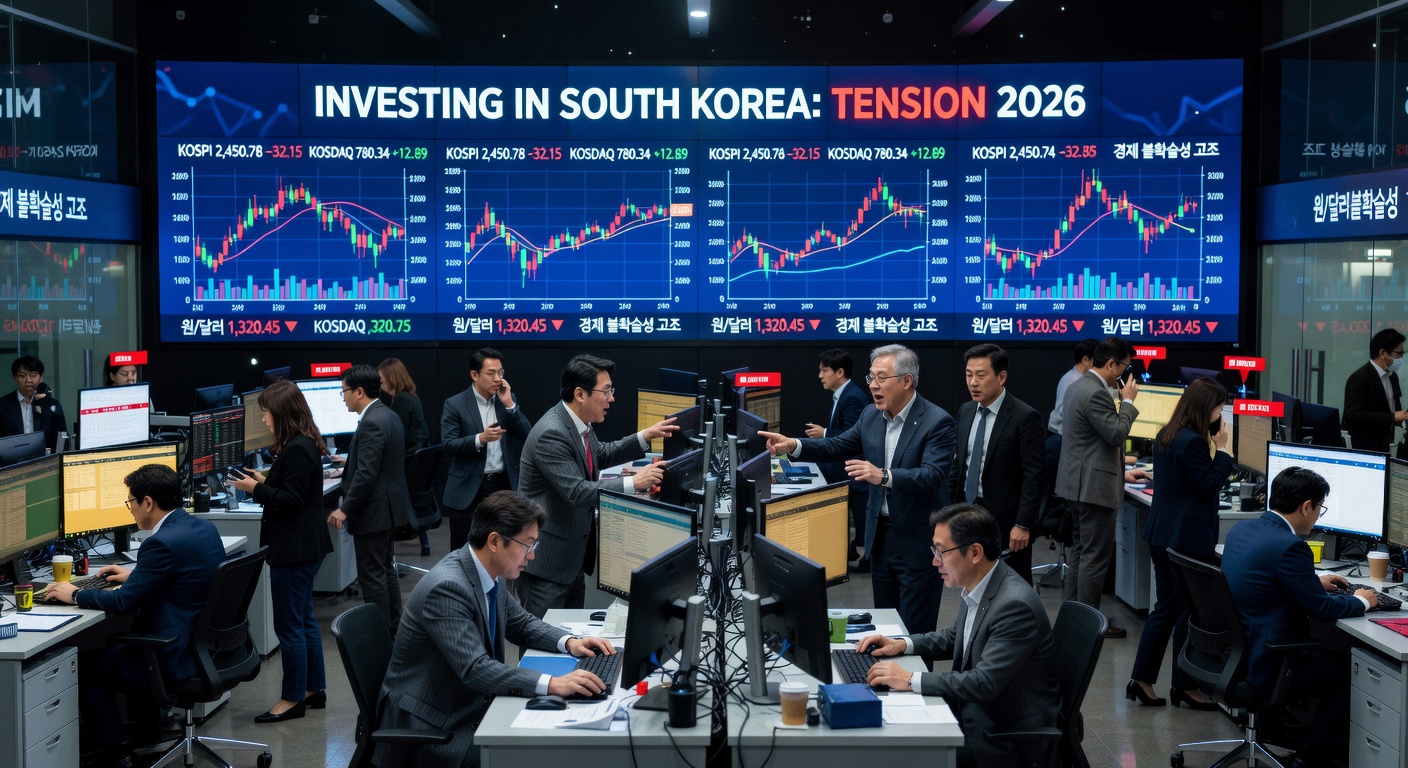
There is a huge gap between the international perspective and the Korean domestic view. Global media loves to watch Pyongyang’s military parades. It gets them more viewers. But domestic financial markets totally ignore the parades. Local money focuses on how US-South Korea trade agreement (KORUS) updates are working. These updates are freeing up billions of dollars for new quantum computers and green energy.
Korean conservative media, like the Dong-A Ilbo, constantly remind readers that “peace through strength” allows the daily economy to boom. Expert quotes from our research materials back this up. The East Asia Forum in 2026 states:
“North Korea enters 2026 with domestic stability intact but facing a complex external environment… restraint reduces the risk of major escalation.”
This means the loud noises are just a show.
Expert Perspectives Comparison Table
| Perspective Source | Main Focus in 2026 | Conclusion on Risk Level |
|---|---|---|
| Global News Media | Military parades, harsh speeches, missiles | Overly High (Sells ads) |
| US Intelligence (ODNI) | Cyber threats, structural deadlock | Low for war, High for cyber |
| Korean Conservatives | US-Korea security, market reforms | Low (Deterrence works well) |
| Domestic Markets | KORUS updates, quantum tech funding | Very Low (Focus is on profit) |
Supplemental Explanation
Let us look closely at the expert analysis. A proper North Korea geopolitical risk assessment 2026 requires ignoring the loud global news. Foreign news channels make money from fear. But if you read conservative Korean newspapers, the story is completely different. They highlight that strict US-Korea security deals have built an unbreakable shield.
Because this shield works so well, the Korean government can focus entirely on market reforms and Korean economic freedom. The local stock market is deeply insulated from the northern noise. Investors who realize that the military parades are just a political show are the ones making huge profits. The KORUS updates are unlocking massive cross-border money. Real experts know that South Korea is one of the safest bets in Asia right now.
Research Sources:

6. Conclusion & Next Steps
In summary, the facts are very clear. Pyongyang will keep making loud, angry speeches. But South Korea has amazing institutional stability. This safety is backed by very strong three-way defense teamwork with the US and Japan. South Korea also has an aggressive supply chain diversification plan. All of these factors ensure that South Korea remains a premier, highly profitable safe haven for global capital in 2026.
By trusting in Korean economic freedom and solid market reforms, foreign investors can grow their money safely. The US-Korea security bond acts as the ultimate insurance policy. If you act on the insights in this North Korea geopolitical risk assessment 2026, you can easily outsmart the fearful headlines. Buy the defense stocks, move to the deregulated zones, and take advantage of the new KORUS updates.
We encourage you to keep learning. Please read our other helpful articles. Click on Navigating K-Defense Investment Opportunities in 2026, How to Leverage the Minerals Security Partnership for Tech Startups, and Understanding 2026 Trilateral Tech Export Controls to stay ahead.
We invite all international readers to subscribe to our global analyst newsletter today. You will get real-time alerts on Indo-Pacific security news. You will also get special English translations of Korean supply chain rule changes. Do not miss out on these vital updates.
2026 Final Action Checklist Table
| Step | Action Required | Expected Benefit for Foreigners |
|---|---|---|
| 1 | Subscribe to Global Analyst Newsletter | Get real-time, English-only market alerts. |
| 2 | Review K-Defense Portfolio Options | Hedge against regional media panic. |
| 3 | Explore MSP Tech Frameworks | Get government money for tech startups. |
| 4 | Read Trilateral Export Rules | Stay legal while moving goods globally. |
Supplemental Explanation
To wrap up, a true North Korea geopolitical risk assessment 2026 proves that fear is a bad investment strategy. The conservative approach in South Korea—focusing on peace through strength—has worked beautifully. The solid US-Korea security framework lets the country focus on what matters: money, innovation, and Korean economic freedom.
As market reforms continue to make business easier, foreign expats and analysts will find massive success here. The supply chain has moved to safer waters. The military stands ready. The tech sector is booming. Subscribe to our newsletter to get all the latest translated news straight to your inbox. Let us help you turn geopolitical noise into real, lasting profit in 2026.
Updated Resource List:
- CFR Global Conflict Tracker 2026
- RAND Supply Chain Net Assessment 2026
- Stimson Top Ten Global Risks Report 2026
7. Frequently Asked Questions (FAQ)
Q: What is the “Hostile Two States” policy?
A: It is North Korea’s official 2026 diplomatic stance toward Seoul, where they treat South Korea as a completely foreign enemy, completely abandoning past rhetoric of reunification and peace talks.
Q: How do KORUS updates impact foreign businesses?
A: The newly updated US-South Korea trade agreement (KORUS) accelerates digital customs processes and unlocks billions of dollars in shared research funding. This heavily benefits foreign tech companies and green energy investments operating in Seoul.
Q: Why is Gyeonggi province highly recommended for supply chain relocation?
A: Pushed by conservative market reforms, Gyeonggi province has slashed burdensome government rules and taxes. This has created highly profitable, deregulated industrial zones specifically tailored for foreign supply chain resilience strategies.
Q: Does the North Korea geopolitical risk assessment 2026 predict an actual war?
A: No. Despite the increase in missile tests and aggressive military parades highlighted by global media, official US intelligence and domestic analysts conclude that the chance of major escalation remains incredibly low due to ironclad US extended deterrence.