Experience-based retail trends Seoul 2026
Key Summary: Tracking experience-based retail trends in Seoul for 2026 is critical for global brand directors. The city has transformed into a prime testing ground for interactive consumer spaces, pivoting away from permanent flagships toward highly profitable temporary pop-ups. International investors must adapt to this shift toward retailtainment by leveraging agile short-term leases, focusing on experiential spatial design, and capitalizing on South Korea’s pro-business, deregulated market environment to ensure successful international market entry.
Table of Contents
- 1. Introduction: The Retail Evolution
- 2. Current Situation: Market Dynamics
- 3. Global Implications for Investors
- 4. Actionable Insights for 2026
- 5. Expert Industry Analysis
- 6. Conclusion & Next Steps
- 7. Frequently Asked Questions (FAQ)
1. Introduction: The Retail Evolution
Tracking experience-based retail trends in Seoul for 2026 is now an absolute imperative for global brand directors. The city has evolved into the world’s most aggressive testing ground for multi-billion-dollar interactive consumer spaces. International investors must monitor Seoul’s retail evolution to optimize their brick-and-mortar strategies globally.
Asia’s trend capital offers unique lessons. Legacy retail is quickly pivoting to retailtainment. There is a major strategic shift away from permanent flagship stores. Instead, brands prefer viral temporary spaces. This creates highly lucrative opportunities for foreign market entry.
Through the lens of recent South Korea department store sales analysis, we see a clear change in shopping habits. Consumers now demand exclusive events rather than simple product displays. The future of convenience stores in South Korea also reflects this shift. Corner shops are becoming high-tech hubs for daily interactive services. This briefing provides a complete picture of the consumer landscape for international stakeholders. Market-friendly policies and new infrastructure are making Seoul highly attractive.
| Key Takeaway Area | 2026 Market Reality | Global Business Impact |
|---|---|---|
| Retailtainment Focus | Stores now act as art galleries and tech hubs. | Brands must invest in spatial design, not just inventory. |
| Temporary Spaces | Pop-up stores drive the majority of viral marketing. | Shorter leases reduce long-term financial risk. |
| FDI Opportunities | Relaxed zoning rules welcome foreign capital. | Easier entry for international luxury and indie brands. |
Research Sources:
Supplemental Explanation: Introduction Context
Understanding the 2026 Seoul retail market requires looking beyond simple store sales. The city is a fast-paced laboratory for global consumer behavior. Foreign business leaders often struggle with the speed of Korean trends. However, this speed is exactly what makes Seoul valuable.
If a retail concept works in Seoul, it can often succeed anywhere in the world. The shift toward experience-based shopping is permanent. Global brands that fail to adapt will lose their competitive edge. By studying how Korean shoppers interact with physical spaces, international directors can design better stores in their home countries. This guide simplifies the complex data from early 2026. We break down the exact strategies that are working right now. We also highlight the underlying economic rules protecting your investments.
2. Current Situation: Market Dynamics
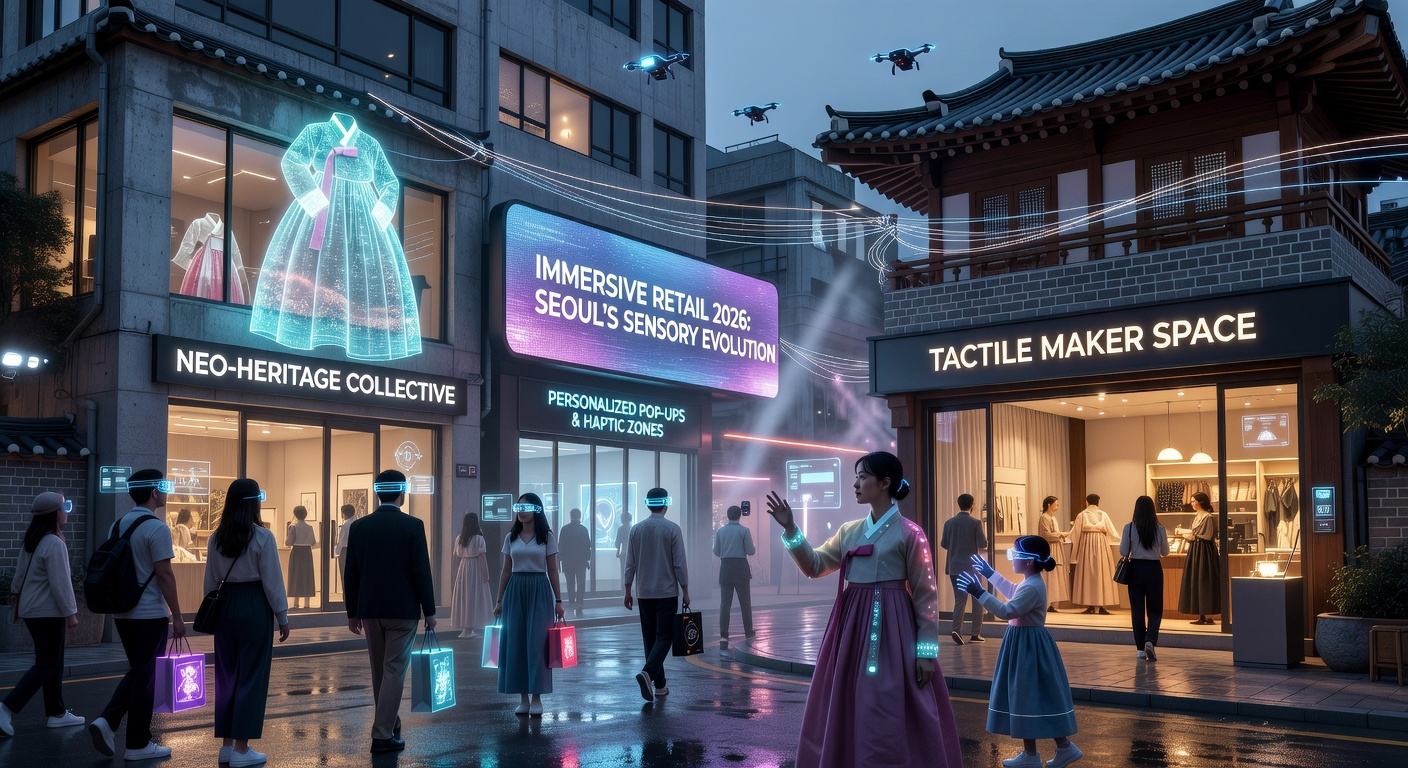
To understand the market, foreigners must know two key Korean concepts. The first is Retailtainment. This means merging retail spaces with art, robotics, and cafes. Gentle Monster’s Haus Nowhere is a perfect example of this trend. The second concept is the MZ Generation. This refers to Millennials and Gen Z. These young shoppers drive the entire experience-first economy. They value shareable moments over owning physical items.
As of March 2026, the data is staggering. An average of ten new temporary brand spaces open daily in Seoul’s creative hubs. This proves the massive profitability of pop-up store marketing strategies in Seongsu-dong. Brands generate massive buzz through short-term exclusivity.
Simultaneously, traditional retail giants are adapting to survive. They are executing major South Korea hypermarket restructuring updates. Big-box retailers are converting stagnant inventory floors into highly interactive lifestyle zones. They are adding indoor parks, gourmet food halls, and gaming areas to bring people back.
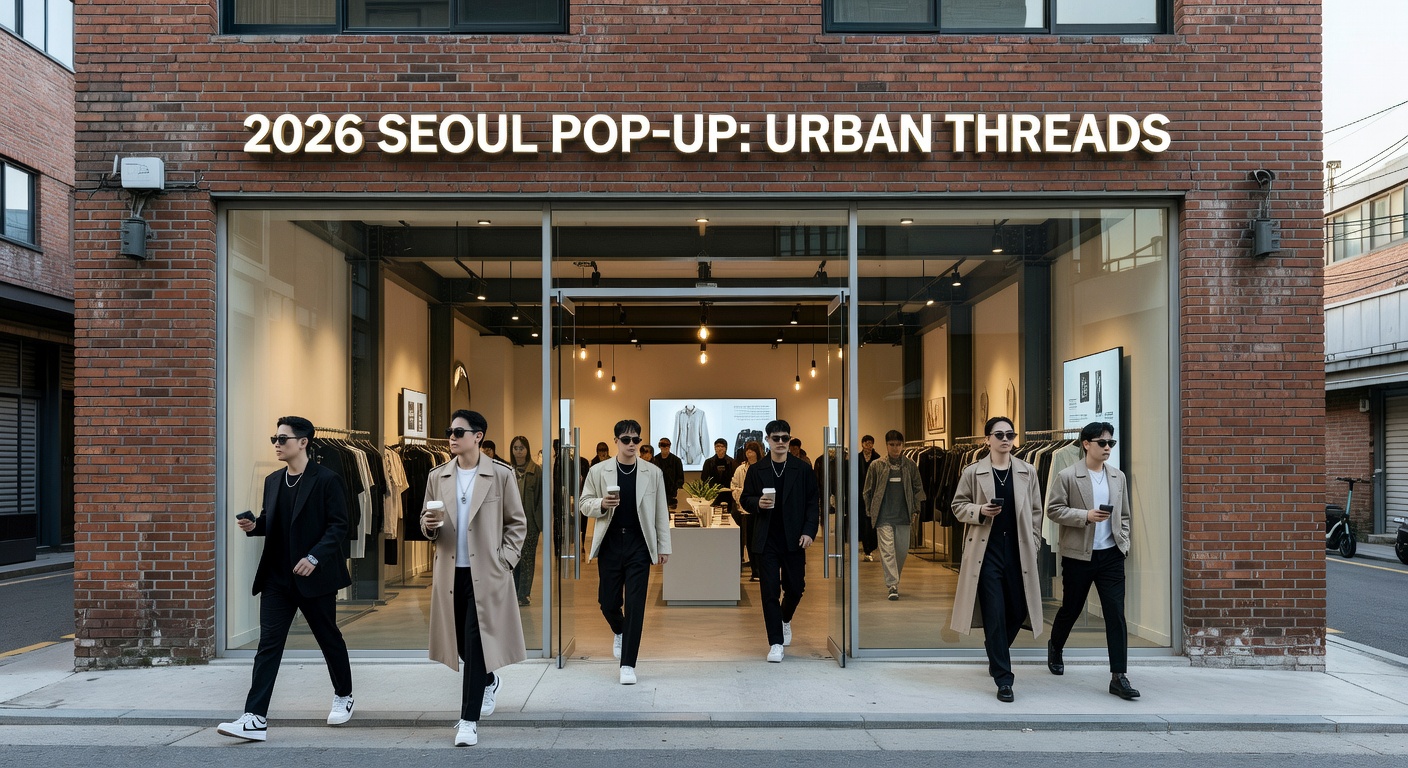
Visual recommendation: A comparative heat map showing the density of 2026 pop-up clusters in Seongsu-dong versus traditional tourist shopping districts like Myeongdong.
| Shopping District | Primary Function in 2026 | Target Demographic | Business Model Focus |
|---|---|---|---|
| Seongsu-dong | Brand testing and interactive pop-ups. | Local MZ Generation and trend-seekers. | High-impact, short-term engagements. |
| Myeongdong | Mass market cosmetics and fashion. | International tourists and tour groups. | High-volume, traditional transactions. |
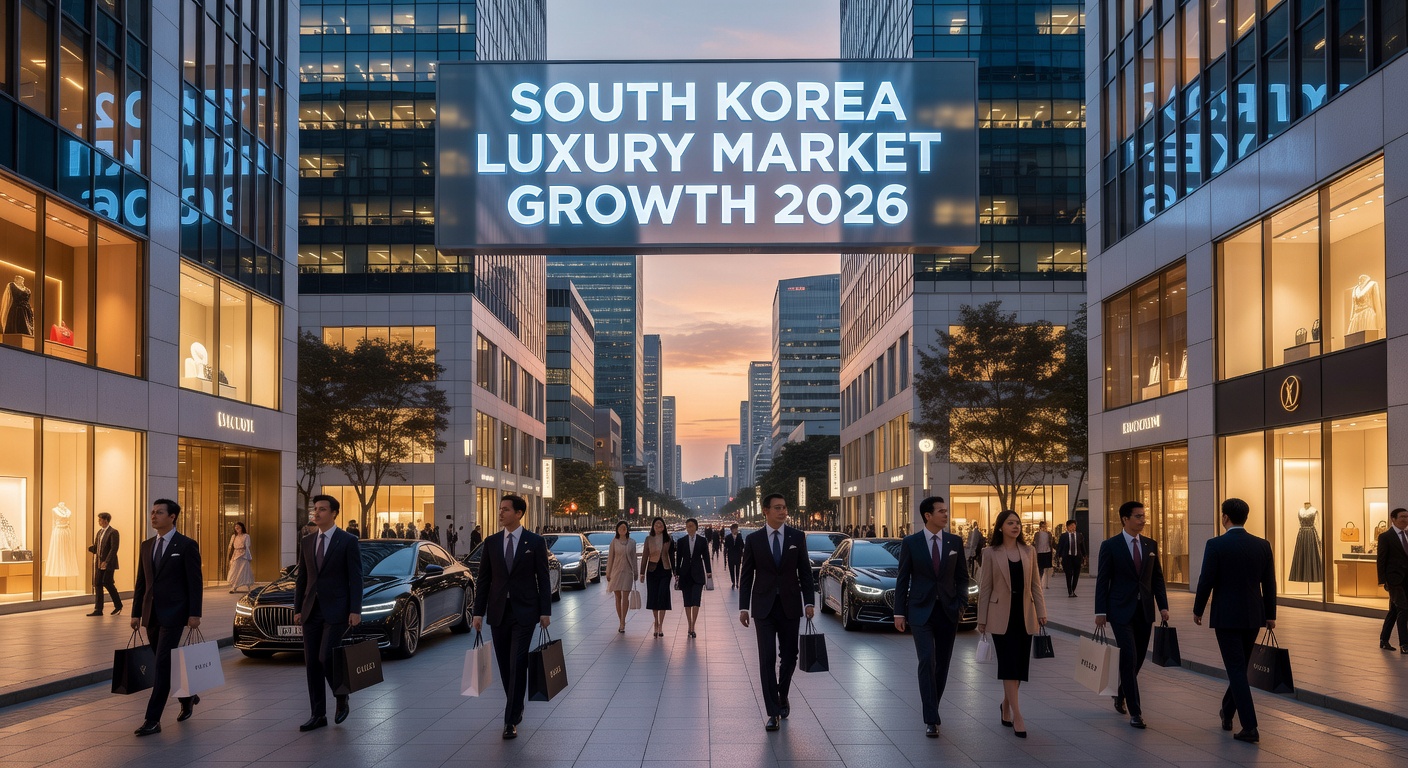
| Gangnam | Luxury flagships and premium services. | High-income professionals and elites. | VIP experiences and long-term brand building. |
Research URLs:
Supplemental Explanation: Current Market Dynamics
The retail environment in Seoul has completely transformed by early 2026. Pop-up stores are no longer a fringe marketing tactic. They are the core strategy for brand launches. Seongsu-dong, often called the Brooklyn of Seoul, is the epicenter of this movement. Old shoe factories have become cutting-edge fashion hubs.
This rapid change forces older hypermarkets to rethink their purpose. Large supermarkets used to rely purely on grocery sales. Now, they must offer an experience to survive. They are tearing down regular aisles to build tennis courts and cooking studios inside the stores. This keeps shoppers in the building longer. For global readers, the lesson is clear. You cannot just put items on a shelf. You must give the customer a reason to visit your physical space instead of buying online.
3. Global Implications for Investors
How does this retail shift impact international investors, expats, and foreign businesses? The answer is profound. Foreign retail brands can no longer rely on standard transactional storefronts. Successful market entry in Korea requires immersive, highly localized spaces. These spaces function as urban tourism content rather than mere shops. People visit them like they visit museums or theme parks.
Unlike the United States, Japan, or the EU, Seoul treats temporary stores differently. In Western markets, pop-ups often function as cheap clearance outlets. In Seoul, they are premium, reservation-only social currency events. This sets a new standard for luxury and indie brands globally. Getting a ticket to a local pop-up is a status symbol.
However, there are risks for foreign stakeholders. Rapid gentrification and soaring commercial rents in eastern Seoul pose serious financial risks for long-term leases. Therefore, agile, short-term retail deployments are highly favorable for foreign market entrants.
| Retail Strategy Aspect | US / EU Markets | Seoul 2026 Market |
|---|---|---|
| Purpose of Pop-ups | Liquidating old inventory quickly. | Launching premium new products exclusively. |
| Store Layout | Packed shelves for maximum volume. | Artistic spaces with minimal product display. |
| Customer Action | Walk in, buy, and leave. | Book ahead, take photos, share online. |
| Investment Risk | High cost for long-term leases. | Lower risk via short-term rentals. |
Source citations:
Supplemental Explanation: Geopolitical and Economic Context
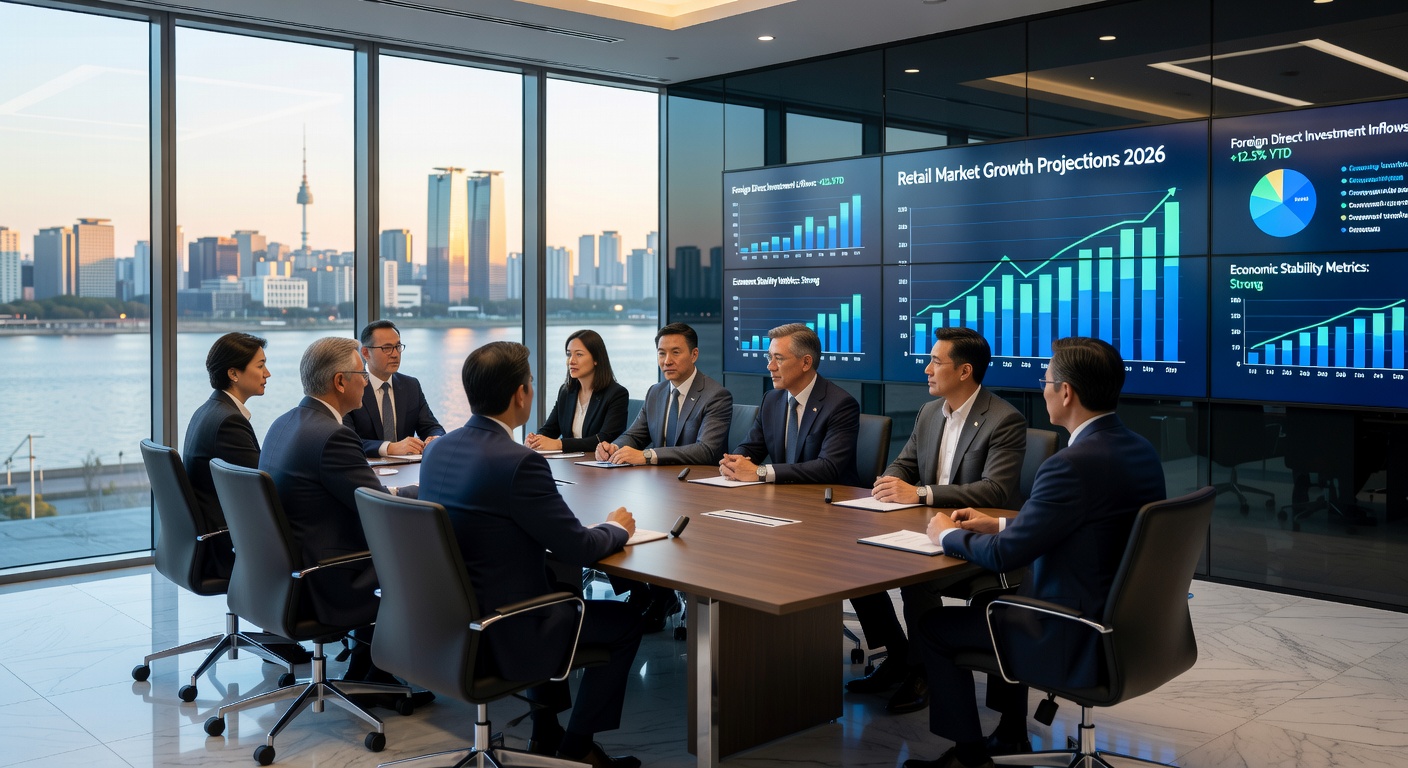
International investors must also consider the geopolitical climate. The strong US-Korea security alliance provides a highly stable environment for foreign direct investment. Western brands can test new concepts here without fear of sudden economic collapse.
This security shield fosters Korean economic freedom. It allows consumer markets to thrive despite regional tensions. When foreign brands invest in Seoul, they benefit from a deeply protected capitalist system. The government actively defends free enterprise. This means your commercial rights are secure.
North Korea’s posturing does not slow down Seoul’s retail sector. Instead, a firm security stance gives local consumers the confidence to keep spending. Global businesses can deploy capital safely. They can use Seoul as a reliable launchpad for the rest of the Asian market.
4. Actionable Insights for 2026
Global readers must take specific steps right now to succeed. First, allocate your 2026-2027 APAC expansion budget toward communication-focused physical spaces. Do not spend heavily on pure inventory holding. Instead, leverage the expertise of local Korean spatial design agencies. These local experts know how to craft viral spaces.
Investors should seek out hybrid retail models. Integrate high-end food and beverage options or tech showcases into your stores. You must avoid long-term capital commitments in outdated big-box retail formats. Flexibility is your best asset.
Stay updated on policy changes affecting foreigners. The Seoul Metropolitan Government’s commercial zoning regulations are changing rapidly. They are easing foreign direct investment (FDI) guidelines for temporary commercial properties. Pro-market reforms are cutting red tape.
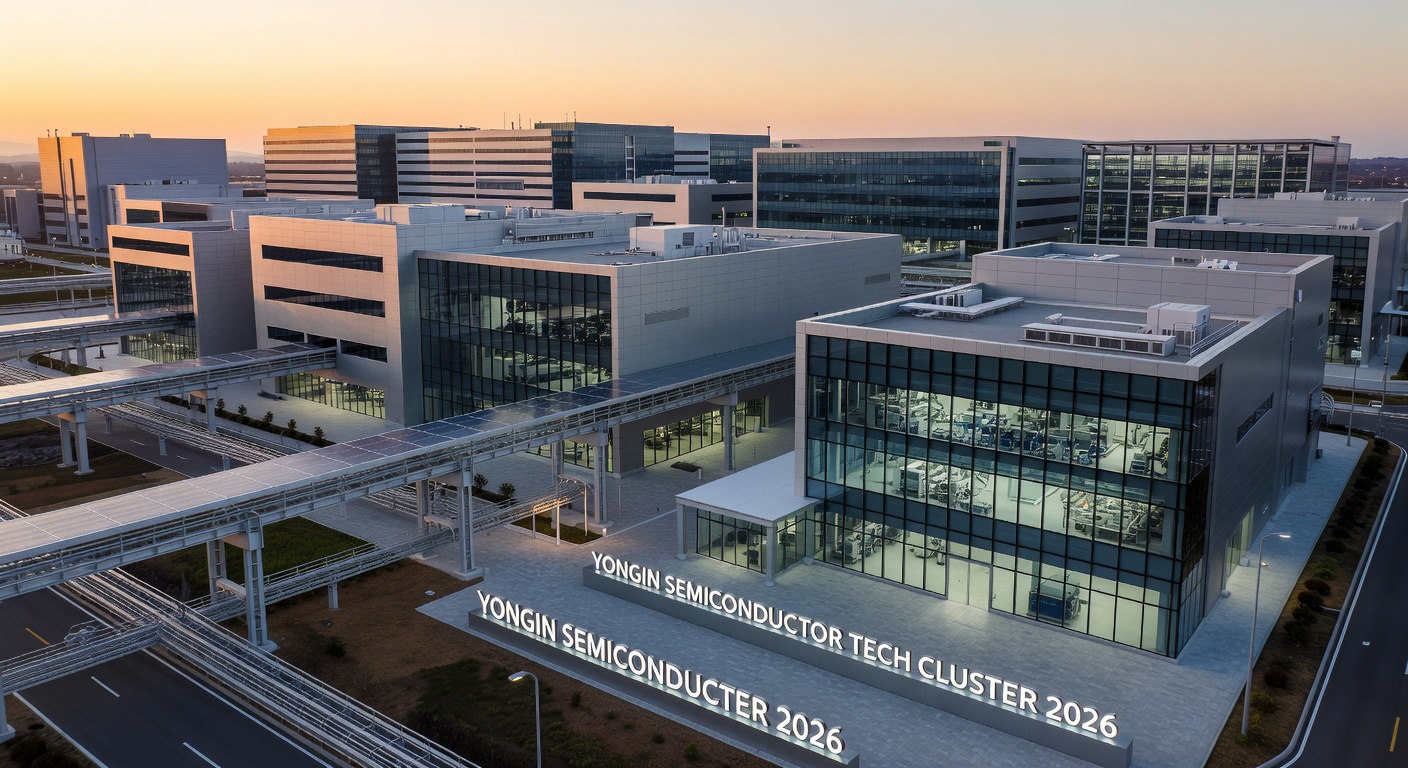
Additionally, look at the massive new wealth being generated just outside Seoul. The Semiconductor Special Act 2026, passed in January 2026, designates new tech clusters as strategic infrastructure. The Yongin mega-cluster features 360 trillion KRW from Samsung and 600 trillion KRW from SK hynix. This 11.44 million square meter project is creating thousands of high-income jobs. These wealthy tech workers will flood into Seoul to spend their money at premium retail spaces.
| Do This | Avoid This | Reason for 2026 Market |
|---|---|---|
| Hire local Korean design firms. | Import exact store layouts from home. | Local tastes require specific cultural touches. |
| Sign 3-month to 1-year leases. | Commit to 10-year retail leases. | Neighborhood trends shift rapidly in Seoul. |
| Target high-income tech workers. | Rely only on international tourists. | Domestic wealth from semiconductor hubs is booming. |
| Track zoning deregulation. | Ignore local municipal rules. | New market reforms offer tax breaks for FDI. |
Practical resources:
- Links to Invest Korea’s commercial real estate guidelines
- Bilingual reservation platforms for monitoring local retail events and commercial availability.
Supplemental Explanation: Following the Money
The connection between heavy industry and luxury retail is undeniable. The massive semiconductor investments in Gyeonggi-do directly fuel Seoul’s retail economy. When SK hynix and Samsung inject nearly one thousand trillion KRW into the region by 2030, the ripple effects are huge.
High-paying engineering jobs create a wealthy young demographic. These are the exact consumers who line up for exclusive pop-ups in Seongsu-dong. Furthermore, the government focus on deregulation makes it easier for foreign brands to capture this wealth. The easing of the 52-hour workweek in special zones and fast-tracked infrastructure permits show a strong pro-business attitude. By aligning your retail entry with these zones of massive capital injection, your brand is guaranteed a high-spending customer base. This is the ultimate actionable insight for 2026.
5. Expert Industry Analysis
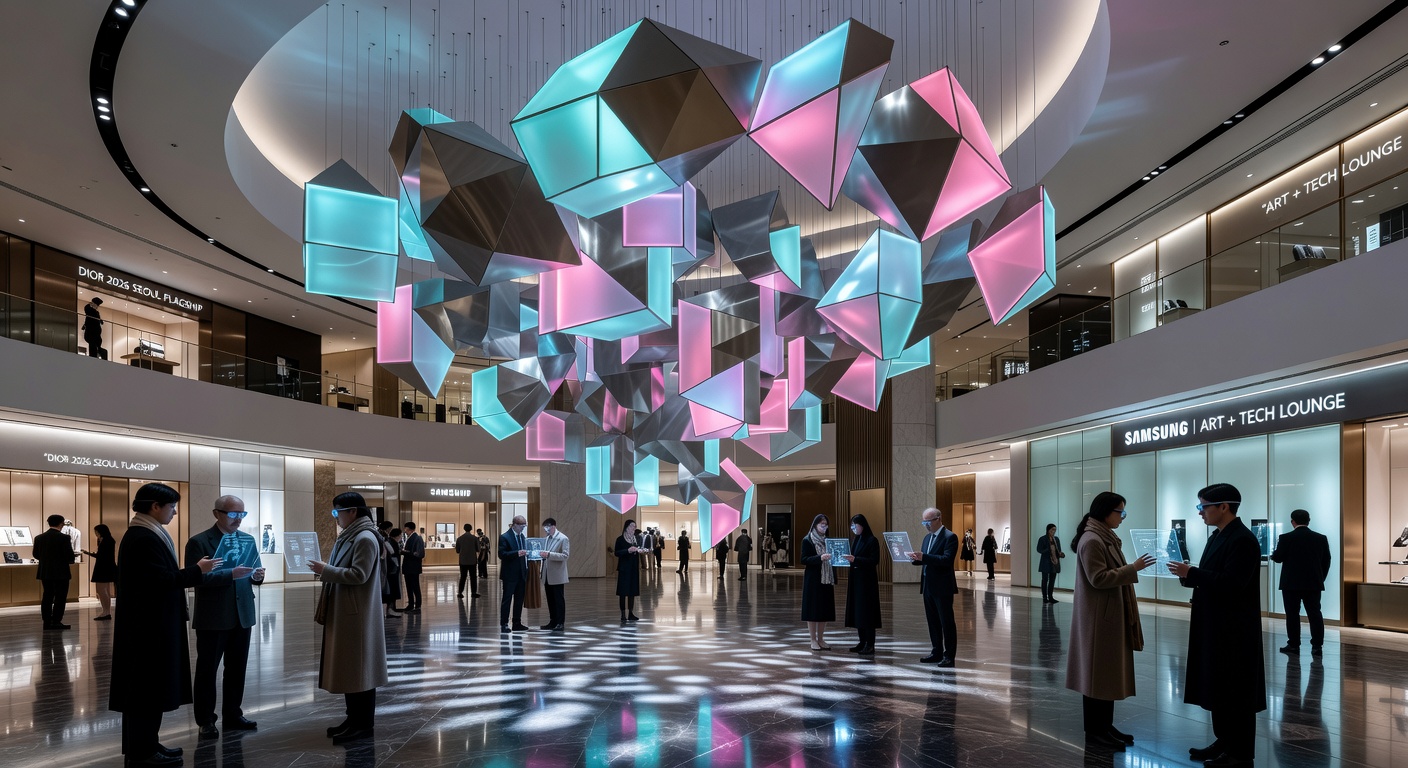
Early 2026 industry data reveals powerful new trends. Official forecasts indicate that department stores successfully integrating large-scale art installations are winning. These locations see a 30% higher foot traffic retention rate among international tourists compared to traditional layouts. Rotating brand experiences keep the space fresh and exciting.
There is a major difference between international perspectives and the Korean domestic view. Western analysts often evaluate store profitability purely through direct sales per square foot. They want to know exactly how much cash the store made that day. However, Korean retail experts look at the bigger picture. They emphasize the marketing return on investment. They measure the global social media amplification generated by experiential spaces.
“The point of having a store in Seoul is not to drive pure sales, but to create immersive flagship experiences that complement their online presence.”
This validates the strategic shift toward high-impact neighborhoods. Leading conservative Korean voices, such as Chosun Ilbo and Dong-A Ilbo, strongly support this market evolution. Conservative analysis highlights that market-friendly policy support is vital for this retail boom. They argue that a hardline stance on North Korea ensures the national stability required for international business. A strong US-Korea security partnership protects the Korean economic freedom that allows foreign brands to prosper without interference.
| Metric | Western Analyst Focus | Korean Expert Focus |
|---|---|---|
| Primary Goal | Direct sales per square foot. | Social media impressions and brand hype. |
| Store Function | Transactional point of sale. | Immersive marketing and entertainment. |
| Success Indicator | Daily cash register totals. | Waitlist length and online photo shares. |
| Policy View | Demands strict tax incentives. | Values broad economic freedom and security. |
Source hyperlinks:
Supplemental Explanation: The Conservative Economic View
Why do conservative perspectives matter to global investors? Because they shape the business climate. Outlets like Chosun Ilbo and Dong-A Ilbo reflect the views of Korea’s major corporate leaders and policymakers. Their focus on market reforms means less government interference in your business.
When conservative analysts praise deregulation, it signals a welcoming environment for foreign direct investment. Furthermore, their emphasis on a strong national defense and tight ties with the United States reduces geopolitical risk. Foreign investors often worry about regional threats. However, the current policy framework guarantees a secure, pro-capitalist society.
This political stability is the foundation of the 2026 retail boom. It allows companies to sign leases and build expensive art installations without fearing economic disruption. Security and economic freedom go hand in hand.
6. Conclusion & Next Steps
The 2026 retail landscape in Seoul conclusively proves a major global shift. The future of brick-and-mortar operations relies heavily on exclusivity, artistic integration, and short-term interactive engagements. Brands that understand this will thrive. Those who cling to old models will fail.
Foreign businesses must act quickly to secure their place in this dynamic market. You must leverage local design talent, embrace short-term spaces, and utilize the pro-business policies currently in place. The massive wealth generated by Korea’s tech sector provides a ready-made audience for premium retail experiences.
Read our comprehensive guide on “Top Foreign Direct Investment Zones in Seoul 2026” for more details. Also, be sure to review “Navigating Commercial Real Estate Leases in South Korea” before signing any contracts.
We strongly encourage you to take action today. Subscribe to our Global Investor Newsletter. You will get real-time updates on APAC consumer trends, market entry strategies, and commercial real estate opportunities in South Korea. Stay ahead of the competition.
| Resource Category | 2026 Recommended Action |
|---|---|
| Real Estate Data | Consult Invest Korea for updated commercial zoning maps. |
| Consumer Trends | Follow Vogue Business for the latest retailtainment shifts. |
| Legal Guidelines | Review the latest FDI deregulation policies online. |
| Daily Monitoring | Use bilingual platforms to track Seongsu-dong pop-up events. |
Updated resource list: Consolidated reading list of 2026 Korean retail trend reports and trusted commercial property consultants.
Supplemental Explanation: Final Action Plan
Entering the South Korean market in 2026 is an exciting opportunity. However, it requires a clear plan. Do not rush into long-term leases in declining traditional districts. Instead, test the waters with a high-impact pop-up in Seongsu-dong. Partner with a local agency to ensure your brand resonates with the MZ Generation.
Keep a close eye on the broader economic drivers, like the Yongin semiconductor cluster, to understand where the wealth is moving. Finally, trust in the systemic stability provided by strong US-Korea security ties and ongoing market reforms. These factors guarantee that Seoul will remain a top-tier destination for global retail investment for years to come. By following this guide, your brand can successfully navigate the complexities of experience-based retail in the world’s most innovative city.
7. Frequently Asked Questions (FAQ)
Q1. Why are temporary pop-up stores more successful than permanent flagships in Seoul 2026?
The MZ Generation values exclusivity and highly shareable social currency over standard transactions. Short-term pop-ups drive immense online buzz and urgency, allowing brands to minimize long-term financial lease risks while maximizing local cultural impact.
Q2. How is deregulation aiding foreign retail investors in South Korea?
The Seoul Metropolitan Government and broader pro-market reforms have significantly eased zoning laws and FDI (Foreign Direct Investment) guidelines. This cuts red tape for temporary commercial properties, making it faster and cheaper for international brands to launch experiential spaces.
Q3. What is the impact of the Yongin Semiconductor Mega-Cluster on Seoul’s retail?
The massive KRW injection into the nearby tech clusters is creating a booming economy of highly-paid engineers. This newly wealthy demographic is flooding into Seoul seeking luxury and exclusive retailtainment experiences, providing a reliable and lucrative customer base for high-end international brands.