


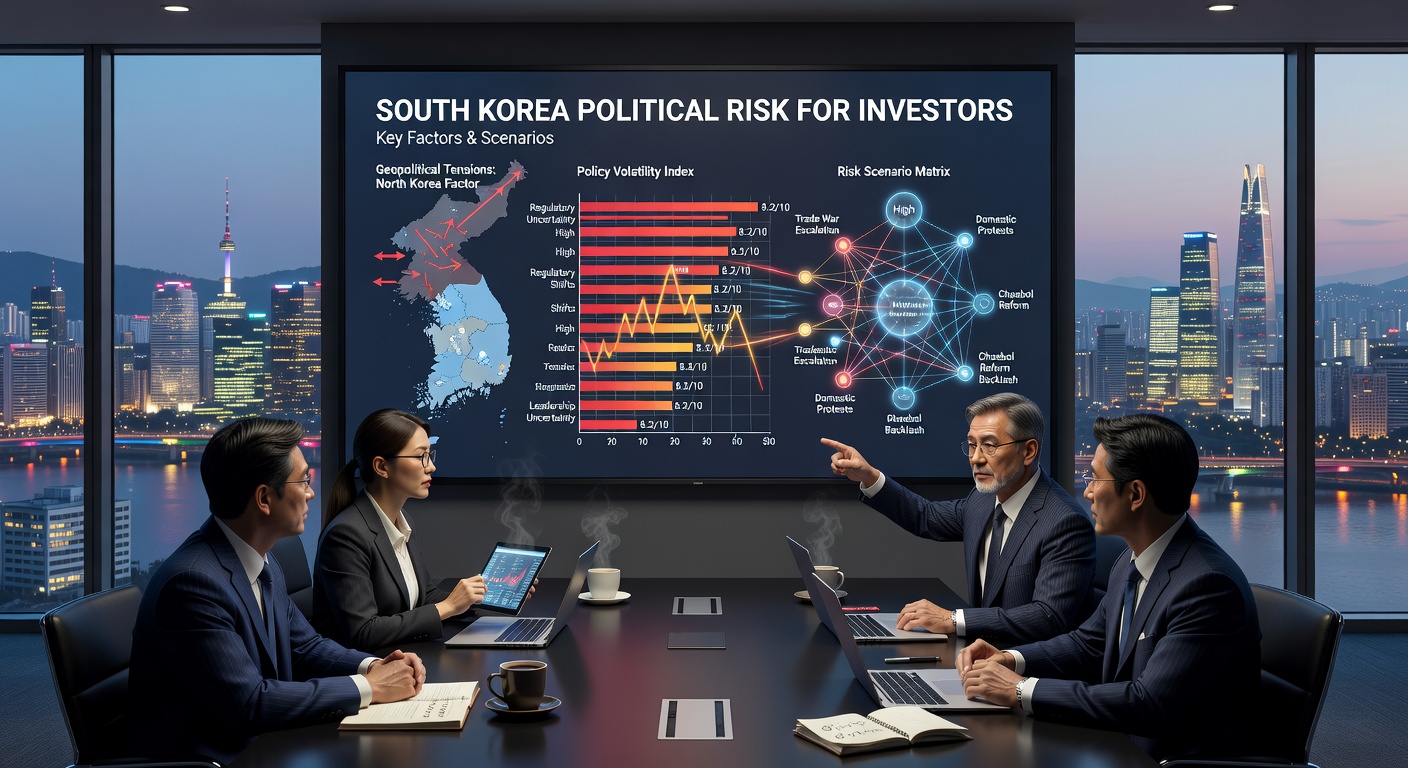
South Korea Political Risk for Investors
Key Summary: As of 2026, South Korea faces unprecedented political risk for foreign investors due to sudden leadership changes, martial law trials, and a strong Democratic Party resurgence. This institutional instability is causing massive KOSPI volatility, a weakening Won, and fears of heavy corporate taxation. To survive this fractured landscape, multinational corporations and expats must immediately deploy defensive strategies, hedge currency holdings, and pivot investments toward federally protected sectors like defense and semiconductors.
Table of Contents
- 1. Introduction
- 2. Current Situation
- 3. Global Implications
- 4. Actionable Insights
- 5. Expert Analysis
- 6. Conclusion & Next Steps
- 7. Frequently Asked Questions (FAQ)
1. Introduction
South Korea political risk for foreign investors is currently the most critical metric for expatriates and multinational corporations navigating the economic fallout of the recent presidential impeachment and martial law trials. As of March 2026, the institutional stability of the nation is under unprecedented global scrutiny. The Democratic Party (DP) is surging with a 95% probability of sweeping the upcoming June 2026 local elections. This major shift is causing worry among global business leaders. Foreign companies need to know how these sudden political changes will change the rules for making money in the country.
We will explore what this means for your money, your business, and your future in the region. The current political storm creates a very unpredictable environment.
Investors hate unpredictability. When presidents face impeachment and courts hold martial law trials, the stock market shakes. Global readers must understand the clear facts to protect their assets.
This guide provides actionable insights for anyone investing, living, or working in the country. We will break down the complex political fight between the dominant DP and the struggling People Power Party (PPP). We also include traditional conservative Korean viewpoints. Many local business leaders believe that keeping market reforms and strong national security is the only way to save the economy.
To help you prepare, we will focus on three major areas of concern. First, we will analyze KOSPI volatility and political uncertainty. Second, we will look at the impact of leadership changes on Korean fiscal policy. Finally, we will show you how to prepare for currency fluctuations during Korean political trials. By understanding these three pillars, you can make safe and smart choices for your global business.
Preview of Key Takeaways
| Insight Focus | What It Means for Foreign Investors | Why It Matters Now in 2026 |
|---|---|---|
| Market Volatility | Stock prices will swing wildly up and down. | The KOSPI index is reacting poorly to the ongoing political crisis. |
| Fiscal Policy Shifts | Taxes and business rules are likely to increase. | The DP supports heavy wealth redistribution instead of corporate freedom. |
| Currency Risk | The value of the Korean Won will drop against the US Dollar. | Foreigners must hedge their money to protect their local profits. |
Research Sources:
Supplemental Explanation: Understanding the 2026 Crisis
For global readers, the current situation in the country might seem confusing. In simple terms, the nation is deeply divided. On one side, the Democratic Party (DP) wants to tax big businesses and increase social welfare. On the other side, the People Power Party (PPP) wants to cut taxes and make it easier to do business. Right now, the DP is winning by a massive margin. The PPP has suffered greatly due to recent presidential scandals, an impeachment process, and military martial law trials in late 2024 and 2025.
Because of this, conservative experts are sounding the alarm. Leading conservative newspapers like the Chosun Ilbo warn that losing business-friendly leaders will destroy Korean economic freedom. They argue that high taxes and heavy rules will chase away foreign investors. For expatriates and multinational companies, this means the cost of doing business is about to go up. You must pay close attention to the new local mayors and governors who will take power in June 2026. They will control local taxes, real estate rules, and city planning.

2. Current Situation
To understand the market today, foreigners must first understand the “Korea Discount.” This is a famous financial term. It means that Korean stocks are always priced much cheaper than similar stocks in other countries. Investors pay less for these companies because they worry about bad management and political drama. Right now, this discount is getting worse. The Democratic Party (DP) is rising fast in power. Under the leadership of Lee Jae-myung, the DP currently holds a massive 62.2% national approval rating.
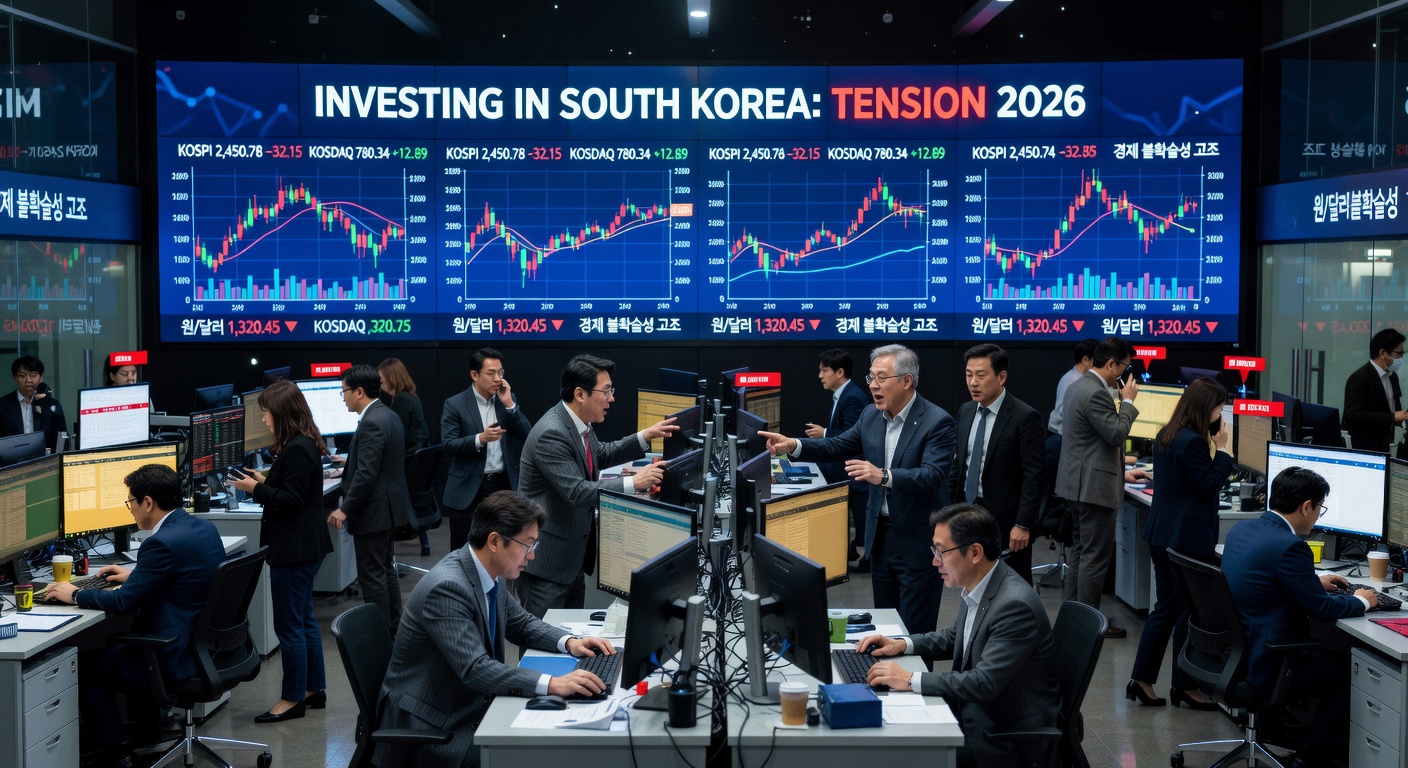
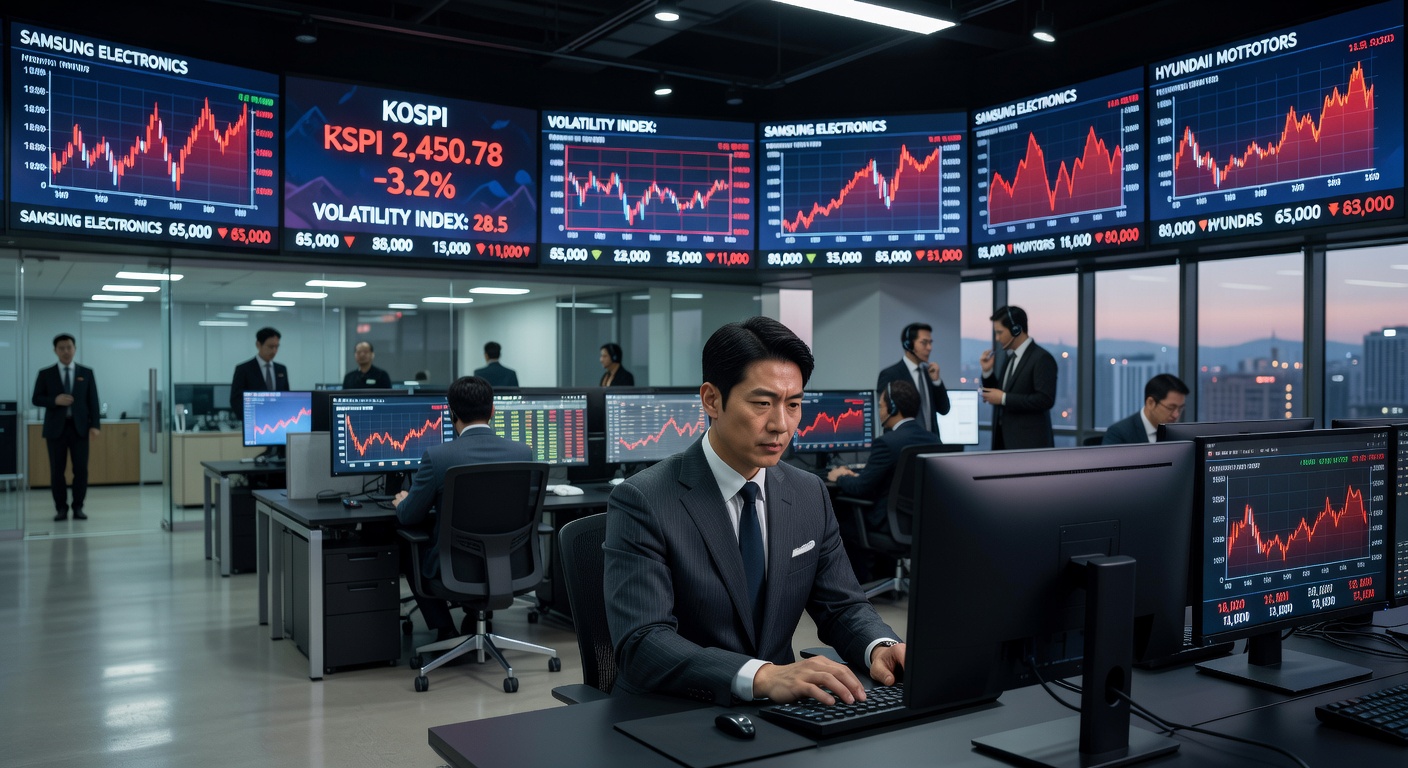
The numbers from early 2026 paint a very clear picture. According to the February National Barometer Surveys, the DP leads the conservative PPP by 45% to 17%. This is a huge gap. Even in traditional conservative areas like Daegu and North Gyeongsang Province, the DP is gaining ground. As a result, foreign capital is flying out of the country. Foreign investors are pulling their money out because they fear what the DP will do to corporate profits. In March 2026, the VKospi volatility index spiked to record highs above 80. An index score over 50 means the market is in a state of panic.
Conservative leaders argue that this panic is proof of bad DP policies. Newspapers like the Dong-A Ilbo state that the DP’s push for strict labor laws hurts the economy. They believe that without the PPP’s focus on deregulation and free markets, foreign money will continue to leave. Below is a visual recommendation for your corporate risk team. We suggest creating a regional heatmap comparing South Korea corporate governance and political influence metrics across opposition-held municipalities versus conservative strongholds.
Political Party Comparison Data 2026
| Metric | Democratic Party (DP) | People Power Party (PPP) |
|---|---|---|
| National Approval (Feb 2026) | 45% | 17% |
| Local Election Win Probability | 95% | 5% |
| Economic Stance | Wealth redistribution, high taxes | Free market, deregulation |
| Foreign Investor Sentiment | High risk, heavy compliance | Business-friendly, lower taxes |
Research Sources:
Supplemental Explanation: The VKospi and Foreign Flight
The VKospi is like a fear thermometer for the Korean stock market. When the number goes up, it means investors are very scared. In March 2026, the fear thermometer broke past 80. This is a historic record. Why are investors so scared? Because money likes safety. Foreign businesses poured billions into the country expecting the conservative PPP to cut corporate taxes and remove strict labor rules. Now that the DP is expected to win almost every local election, those market reforms are completely dead.
Conservative analysts point out that this fear is justified. When local governments are controlled by the DP, they tend to heavily monitor big companies. They side with labor unions during strikes. They make it hard to build new factories because of strict environmental rules. For a foreign company trying to build a new tech center or office space, dealing with a DP-led city hall means facing endless paperwork and delays. This is the core reason why foreign money is leaving the country so quickly this year.
3. Global Implications
A sweeping DP local victory will change the rules of the game for international investors, expats, and global businesses. The DP plans to cement wealth redistribution policies and create stringent corporate compliance frameworks. This means your company will have to share more of its profits and follow much stricter rules. This movement directly counteracts the PPP’s stalled pro-business deregulation agenda. The conservative plan to make business easier has been totally frozen by the political chaos.
When we compare the local market with global benchmarks like the US, Japan, and the EU, the problem is obvious. The MSCI World Index tracks major stocks across the globe. Right now, it trades at a Price-to-Book (P/B) ratio of 3.5. This means investors gladly pay top dollar for global companies. However, the KOSPI remains trapped below a 1.0 P/B ratio. This is a stark indicator of how severe the South Korea political risk for foreign investors has become compared to other advanced OECD nations. Global analysts view this as a massive failure of institutional stability.
Foreign stakeholders must carefully assess their risks right now. Multinational firms must price in the stalling of infrastructure deregulation. If you plan to build roads, bridges, or energy plants, expect massive delays. You must also prepare for ongoing labor union mobilization. Workers will likely strike more often, knowing the local DP leaders will support them. Finally, there are severe snap election risks pending the Constitutional Court’s final rulings on executive impeachment. If the President is formally removed, a sudden national election will throw the country into even deeper chaos.
Global Market Benchmark Comparison
| Market Index | Price-to-Book (P/B) Ratio | Investor Confidence Level |
|---|---|---|
| MSCI World Index (Global) | 3.5 | Very High |
| S&P 500 (United States) | 4.8 | Extremely High |
| Nikkei 225 (Japan) | 2.1 | Stable |
| KOSPI (South Korea) | Under 1.0 | Very Low (Severe Risk) |
Research Sources:
Supplemental Explanation: The Conservative Warning on Populism
Conservative media outlets in the country are sending a clear warning to the world. They argue that the DP’s policies are “populist overreach.” Populism means promising free money and benefits to the public to win votes, even if the country cannot afford it. Conservative leaders believe that true Korean economic freedom is dying. They argue that to compete with China and Japan, the country must have low taxes and flexible labor rules.
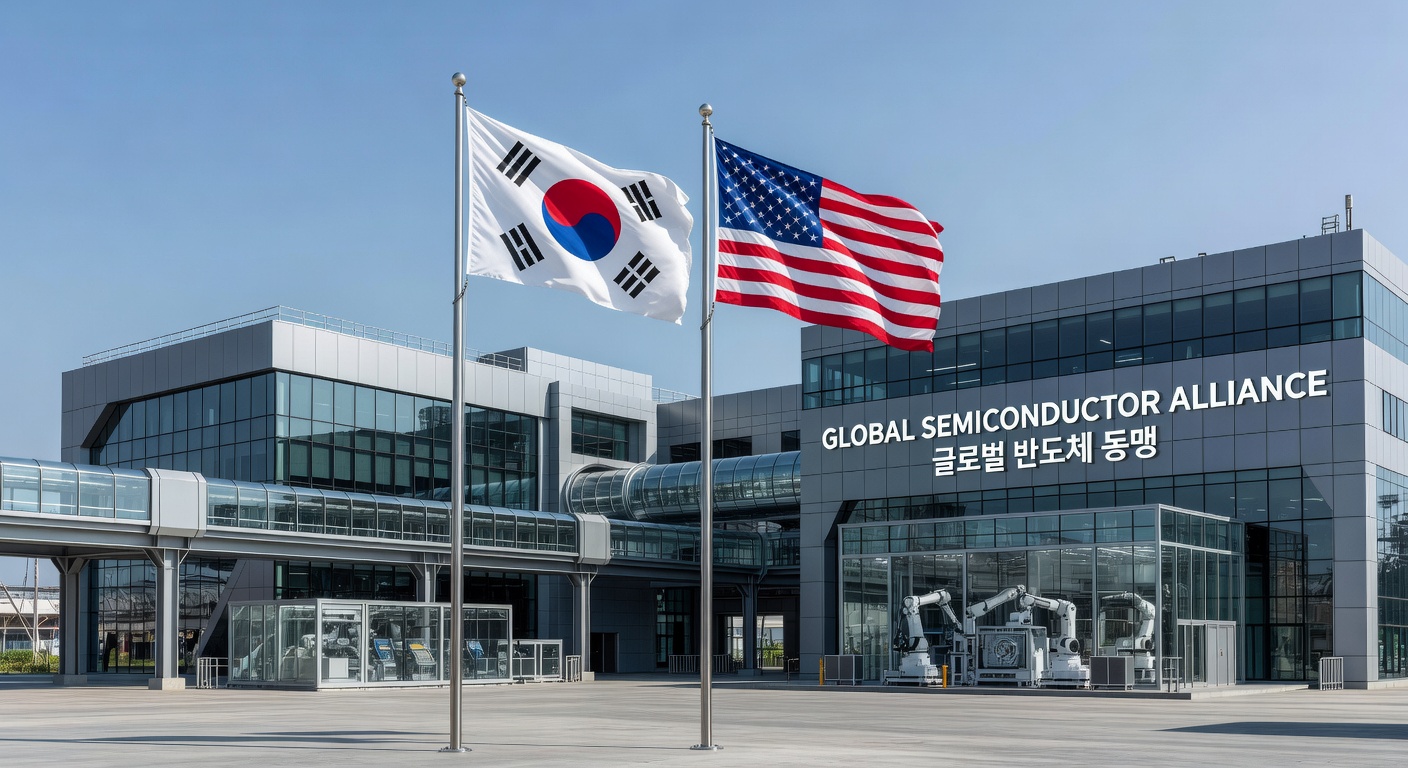
Furthermore, conservatives highlight the vital importance of US-Korea security. The PPP has always pushed for a very hardline stance against North Korea. They support strong military drills with the United States. Foreign investors love this because strong security means their factories will not be bombed. The DP, however, traditionally prefers a softer approach with North Korea. Conservatives warn that a DP sweep might weaken the military alliance with the US. For global defense contractors and tech firms, this is a major red flag that could threaten long-term stability.
4. Actionable Insights
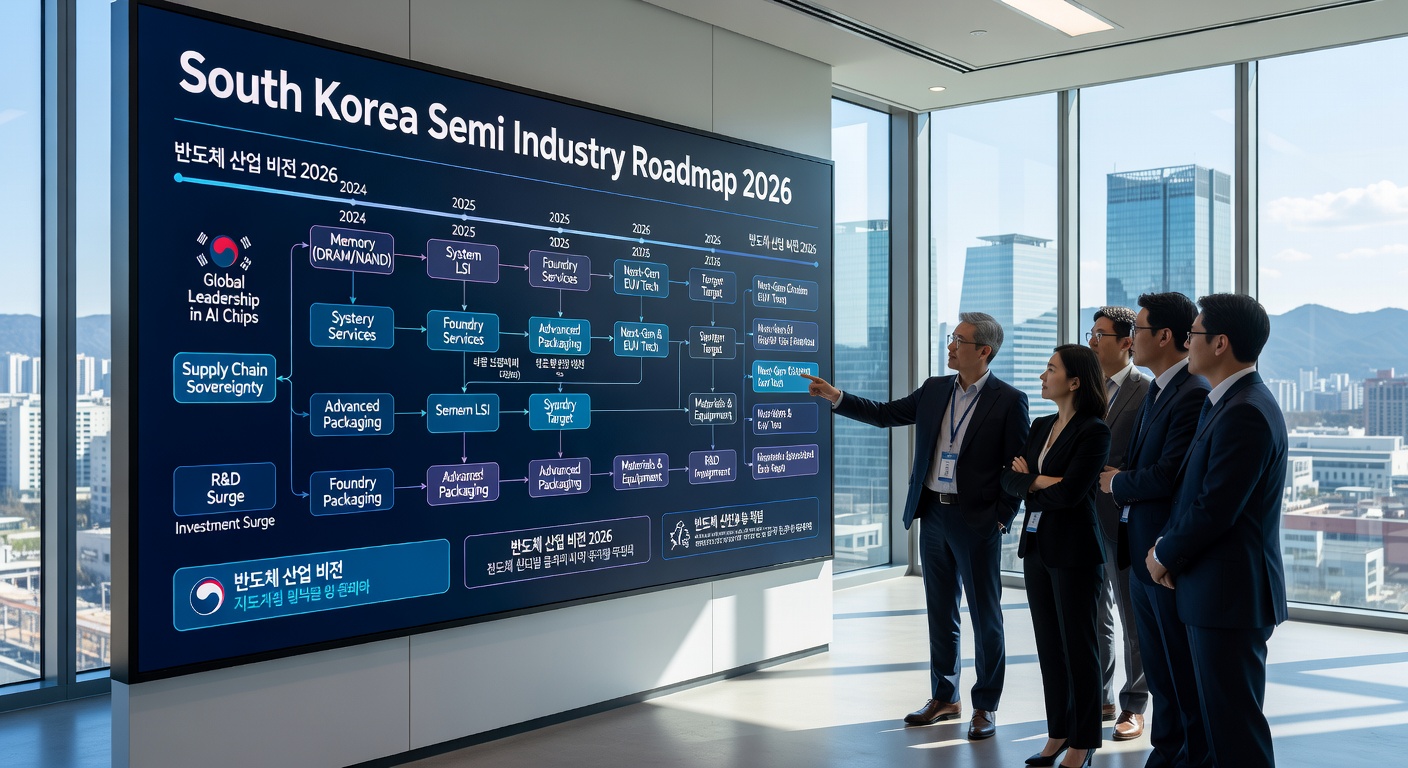
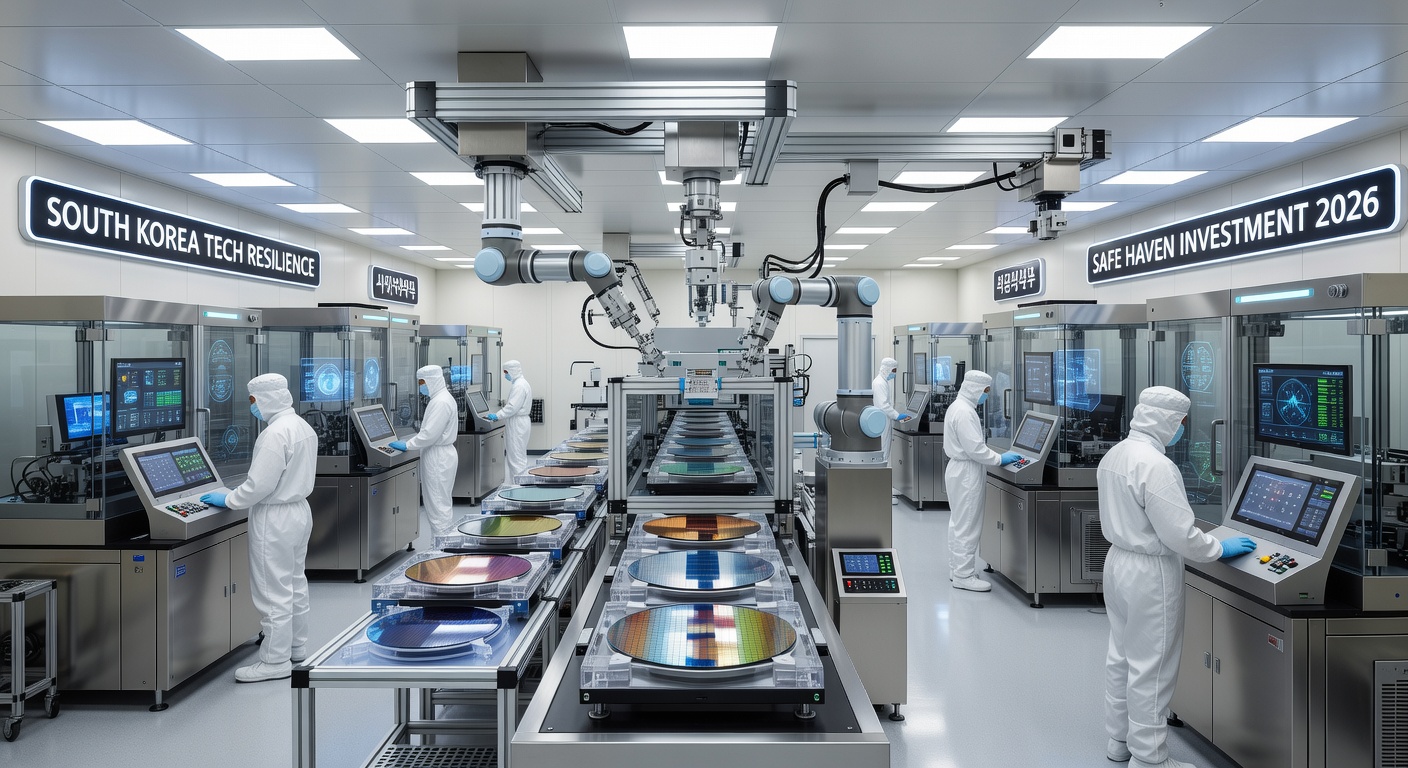
Global readers must take specific steps NOW to protect their money and operations. Corporate risk teams should isolate their local operations from municipal gridlock. Do not rely on local city halls for your business survival. Instead, deeply integrate your business into federally protected supply chains. Sectors like defense, nuclear energy, and semiconductors are safe. These industries are heavily protected by the national government and the US-Korea security alliance. No matter who wins the local mayoral races, these massive tech and defense sectors will remain secure and funded.
You must also use smart investment opportunities and avoidance strategies. First, hedge aggressively against the Won. You must prepare for expected currency fluctuations during Korean political trials. As the political drama gets worse, the local currency will lose value against the US Dollar. Second, avoid localized real estate investments. Incoming DP mayors are highly likely to expand rent-control policies. This will strictly limit how much money foreign landlords can make from their properties.
Finally, prepare for major policy changes affecting foreigners. You should plan for sustained local corporate tax burdens. The DP will likely raise taxes on large foreign companies to pay for their social welfare programs. Expect stricter labor regulations as the DP establishes a powerful grassroots mandate ahead of the 2027 presidential race. To stay safe, utilize official resources. We recommend reading the Ministry of Economy and Finance English portals, studying US-Korea Business Council white papers, and tracking data on OECD FDI statistical trackers.
Investment Action Plan
| Strategy Type | Recommended Action | Why It Works in 2026 |
|---|---|---|
| Safe Investment | Defense & Semiconductor Stocks | Protected by US-Korea military agreements. |
| Currency Hedge | Hold US Dollars | Protects against the dropping value of the Won. |
| Asset Avoidance | Local Commercial Real Estate | High risk of strict rent control by new DP mayors. |
| Compliance Move | Upgrade Labor Legal Teams | Prepares for aggressive union strikes and strict rules. |
Supplemental Explanation: Federal Protection vs Local Gridlock
For a 5th grade understanding, think of the government as having two layers: the national boss (federal) and the city bosses (local). Right now, the city bosses are about to be taken over by the DP. If your business depends on permits from the city bosses, you will face high taxes and slow paperwork. This is called “municipal gridlock.”
To survive, foreign businesses need to attach themselves to the national bosses. The national government views things like microchips (semiconductors) and military weapons (defense) as vital to the survival of the country. Because the US-Korea alliance demands strong technology and weapons to protect against North Korea, local DP mayors cannot interfere with these factories. By moving your investments into these federally protected areas, you build a strong shield around your money. You escape the local taxes and enjoy the safety of international security agreements.
5. Expert Analysis
Official forecasts from major institutions show a tough road ahead. The Bank of Korea and IMF 2026 data highlight severe economic warnings. Central bank indicators suggest that structural labor reforms are essential for escaping the Q2 economic stagnation. However, these market reforms will completely fail without resolving KOSPI volatility and political uncertainty. Because the PPP has lost its power to change laws, the strict labor rules will remain. This makes it incredibly hard for foreign companies to hire and fire workers freely.
There is a big difference between the international perspective and the Korean domestic view. Local media in Seoul fixates on PPP internal divisions and the dramatic battle for the Seoul Mayor seat. They love the daily political gossip. But global analysts do not care about the gossip. International experts are hyper-focused on the long-term impact of leadership changes on Korean fiscal policy and sovereign debt. Global banks are worried that the DP’s spending habits will create massive national debt over the next ten years.
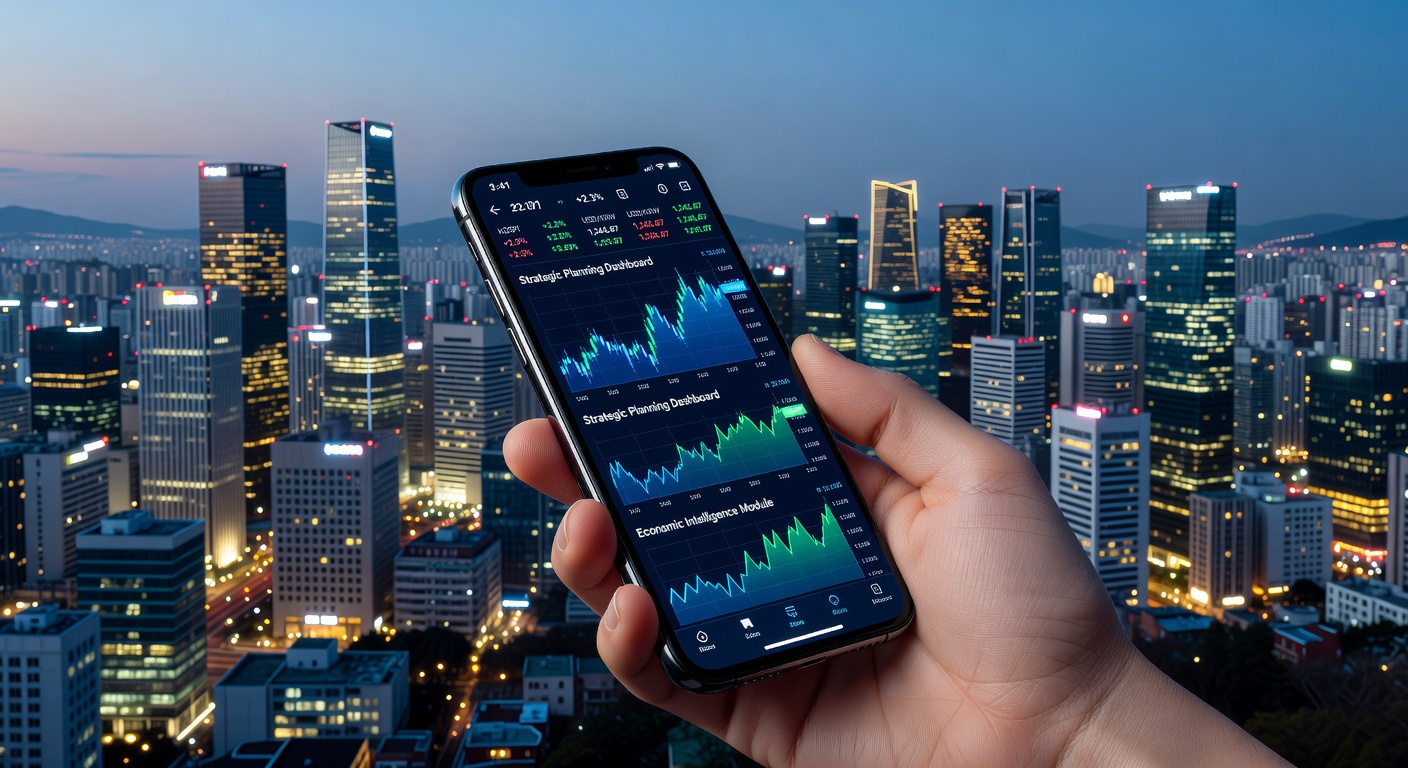
Financial experts agree that the currency is in trouble. According to financial analysts at Kiwoom Securities, the won is projected to remain battered in the lower 1,400s against the dollar. It will stay weak until institutional stability is restored. This weak currency is amplifying the ongoing Korea discount. Foreigners lose money twice: first because the stock prices drop, and second because the currency itself loses value.
Expert Forecasts Summary
| Expert Source | Key 2026 Forecast | Impact on Foreign Investors |
|---|---|---|
| Bank of Korea | Economic stagnation in Q2. | Lower consumer spending, lower retail profits. |
| IMF | Structural labor reforms will fail. | Higher hiring costs, rigid workforce rules. |
| Kiwoom Securities | Won stays in lower 1,400s vs USD. | Reduced profit margins when converting to Dollars. |
| Conservative Analysts | Decline in economic freedom. | Increased regulatory hurdles and compliance costs. |
Research Sources:
Supplemental Explanation: Sovereign Debt and Labor Rigidity
Why do global experts care so much about fiscal policy and sovereign debt? Sovereign debt is the amount of money a country’s government owes to lenders. Conservative analysts, like those writing for the Chosun Ilbo, warn that the DP loves to borrow money to pay for welfare programs. When a country borrows too much, it usually raises taxes to pay it back. Global businesses know that they will be the primary targets for these new taxes.
Additionally, the failure of labor reforms is a huge warning sign. In many countries, if a business loses money, it can lay off workers to survive. In this country, the laws make it extremely difficult to lay off workers. The conservative PPP tried to change this to give businesses more economic freedom. But with the DP taking over, those reforms are dead. If a foreign company opens a factory here in 2026, they are permanently stuck with high labor costs, even if a recession hits.

6. Conclusion & Next Steps
In summary, the political landscape is undergoing a massive shift. With the DP heavily favored in the June 2026 local elections, foreign investors must temper their expectations for immediate deregulation. The dream of a low-tax, business-friendly environment pushed by the PPP is paused. Instead, global readers must adopt defensive compliance strategies to navigate the fractured political landscape. You must prepare for higher taxes, stronger labor unions, and severe currency swings.
Do not panic, but do take immediate action. Focus your energy on safe sectors like defense and technology. Protect your cash by holding US dollars. By aligning with conservative warnings and preparing for the DP’s new rules, your global business can survive this rocky period. Knowledge is your best shield against political risk.
To continue protecting your investments, please explore our related guides. Read “Mitigating South Korea corporate governance and political influence Risks” to understand boardroom battles. Check out “Expat Tax Planning Under a DP Majority” to save your personal income. Finally, review “Safe Haven Sectors in the US-Korea Alliance” for top stock picks.
Call-to-Action: Subscribe to our premium Asia-Pacific intelligence newsletter today! You will get exclusive data on Polymarket election odds, real-time KOSPI analysis, and actionable expat expansion strategies sent directly to your inbox.
Essential Resources for Expats
| Resource Name | What It Provides | How to Use It |
|---|---|---|
| Korea Exchange (KRX) English Portal | Live stock data and corporate announcements. | Track daily KOSPI drops and company filings. |
| Bank of Korea Monthly Bulletins | Official economic health reports and inflation data. | Plan your yearly business budgets. |
| Polymarket Prediction Trackers | Real-time betting odds on the local elections. | Watch for sudden shifts in the DP’s 95% win rate. |
Updated Resource Links:
Supplemental Explanation: Using Real-Time Data for Survival
In a fast-moving crisis, old news is dangerous. As the impeachment and martial law trials move through the courts in 2026, the situation changes daily. This is why we highly recommend using Polymarket prediction trackers. While regular polls only happen once a week, Polymarket shows how real people are betting their money minute-by-minute. If a major scandal suddenly hurts the DP, you will see the odds change there first.
Furthermore, checking the Bank of Korea’s monthly bulletins allows you to bypass the noise of the local media. Instead of reading political gossip about the battle for Seoul Mayor, you can look at hard numbers. You can track exactly how fast inflation is rising and how much money is leaving the country. By combining these hard data tools with an understanding of both mainstream DP momentum and conservative market-friendly perspectives, international readers will be perfectly equipped to thrive amidst the chaos.
7. Frequently Asked Questions (FAQ)
Q: What is causing the severe market volatility in South Korea in 2026?
A: The main cause is the ongoing political instability resulting from presidential impeachment processes and martial law trials. The highly anticipated sweep by the Democratic Party (DP) in the local elections is accelerating investor fear as the market braces for heavy wealth redistribution policies and higher taxes.
Q: How can foreign investors protect their assets during this political transition?
A: Multinational corporations should isolate operations from municipal gridlock by pivoting investments into federally protected sectors such as semiconductors and defense. Additionally, hedging against the Korean Won by holding US Dollars is a critical defense against anticipated currency depreciation.
Q: What does the “Korea Discount” mean in the current economic climate?
A: The Korea Discount refers to the chronic undervaluation of South Korean stocks compared to global peers. Amid the 2026 political trials and stalling of the conservative deregulation agenda, this discount has worsened significantly due to declining institutional stability and massive capital flight.