





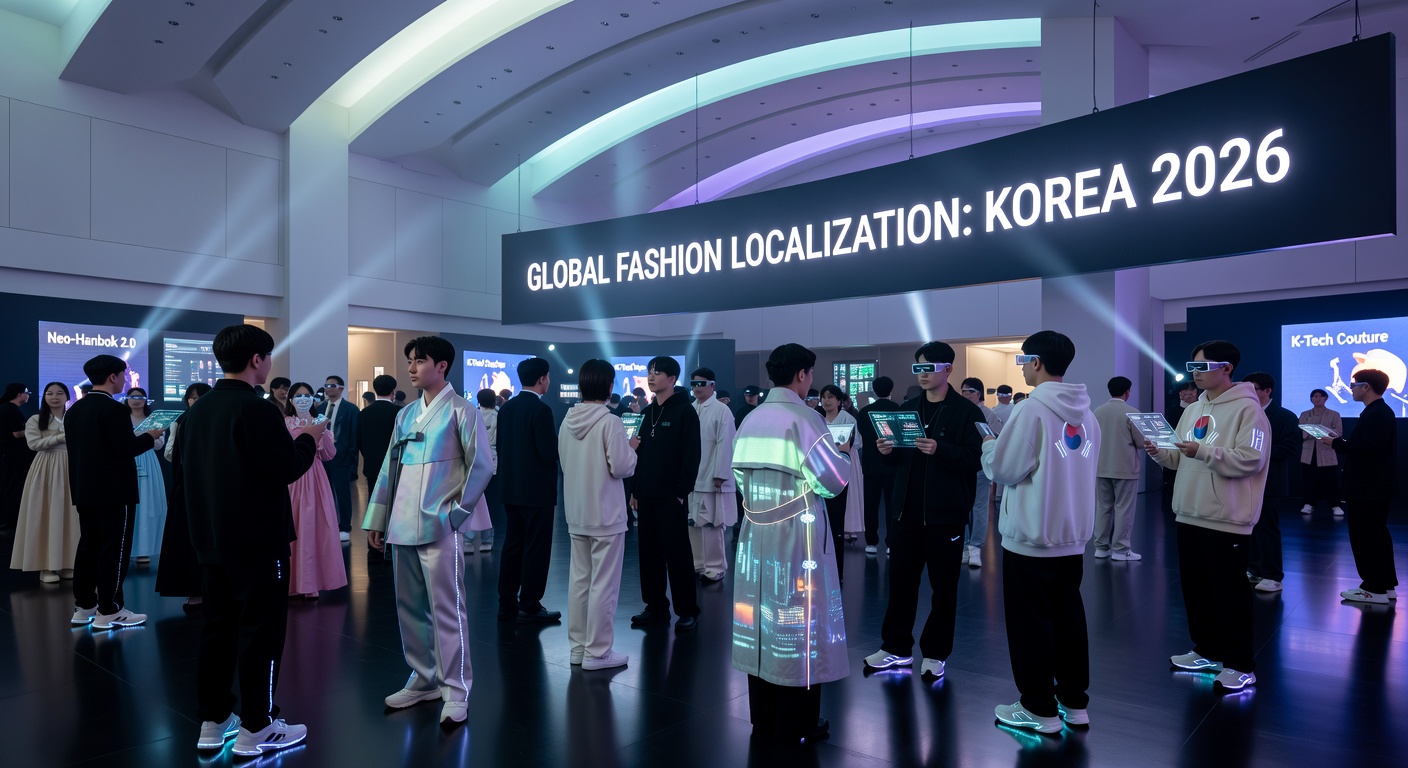
Global Fashion Localization: Korea 2026
Localization strategies for global fashion brands in Korea are critical for market success. Driven by massive growth in digital retail, a strong US-Korea security alliance, and a pro-business environment, South Korea offers prime opportunities for foreign investors. By embracing the WILLOW framework, targeting the MZ Generation, and strategically leveraging local platforms like KakaoTalk and Instagram, global brands can capture high profit margins in this rapidly expanding $30.65 billion market.
Table of Contents
- 1. Introduction: The Need for Localization
- 2. Current Situation
- 3. Global Implications
- 4. Actionable Insights
- 5. Expert Analysis
- 6. Conclusion & Next Steps
- 7. Frequently Asked Questions (FAQ)
1. Introduction: The Need for Localization
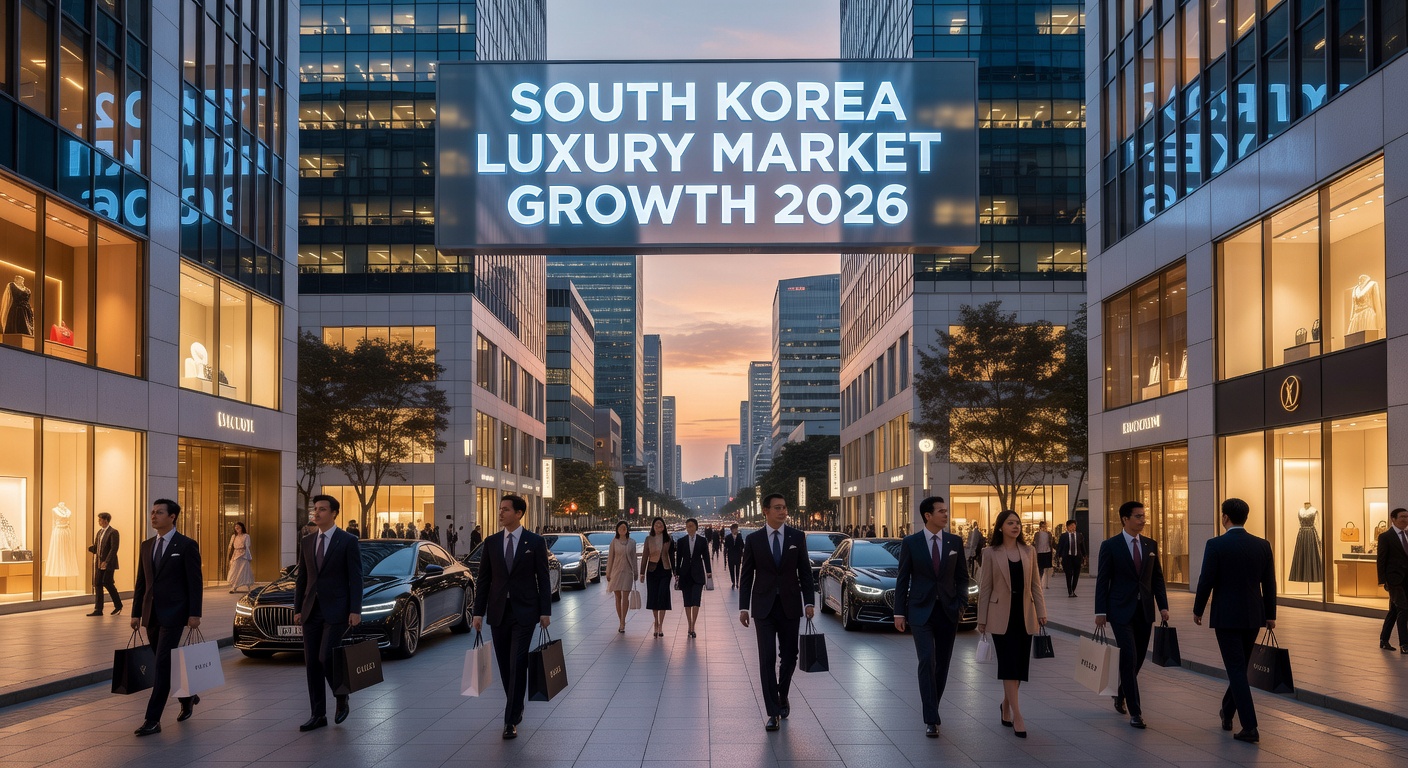
Localization strategies for global fashion brands in Korea are the deciding factor between profitable market entry and costly failure. South Korean per capita luxury fashion spending leads the world at an impressive $325. Meanwhile, domestic digital retail sales have surged over 25% in early 2026 alone.
This massive growth shows why international investors, expats, and retail analysts must closely monitor these unique cultural nuances. Entering the South Korean market requires more than just translating a global campaign into a local language. It demands a deep understanding of market reforms and consumer values.
A strong retail sector thrives on Korean economic freedom and a pro-business environment. When global brands understand local habits, they can capture high profit margins.
Brands must embrace a strategy that respects local traditions while offering modern luxury. International investors are currently looking at South Korea as a prime destination for foreign direct investment (FDI). This confidence is backed by strong US-Korea security ties, which provide the stability needed for long-term retail growth.
Readers of this guide will discover three key takeaways for success:
- First, we will decode the deep K-culture influence on domestic consumer behavior.
- Second, we will look at maximizing influencer marketing ROI in South Korea.
- Third, we will help you navigate the digital divide between local communication platforms.
Our research is backed by data from leading industry trackers, including the Rawshot Korean Fashion Industry Statistic and the Market Research Future South Korea Luxury Fashion Report.
| Strategy Focus | Why It Matters in 2026 | Global Investor Benefit |
|---|---|---|
| K-Culture Influence | Shoppers demand authentic, localized storytelling. | Builds deep brand loyalty and repeat sales. |
| Influencer ROI | Celebrity endorsements drive fast digital conversions. | Lowers customer acquisition costs. |
| Digital Divide | Different age groups use different social apps. | Maximizes targeted ad spending efficiently. |
Supplemental Explanation: The Power of Economic Freedom in Fashion
The success of global fashion brands in South Korea is closely tied to the country’s economic policies. Conservative market reforms prioritize free trade and reduce business taxes. These pro-business policies attract international fashion houses and encourage them to set up local operations.
When the government focuses on deregulation rather than populist overreach, companies have the freedom to innovate. A stable market environment, protected by a strong US-Korea security alliance, ensures that global supply chains remain open and safe. For global readers, understanding this political and economic stability is the first step to successful market entry.
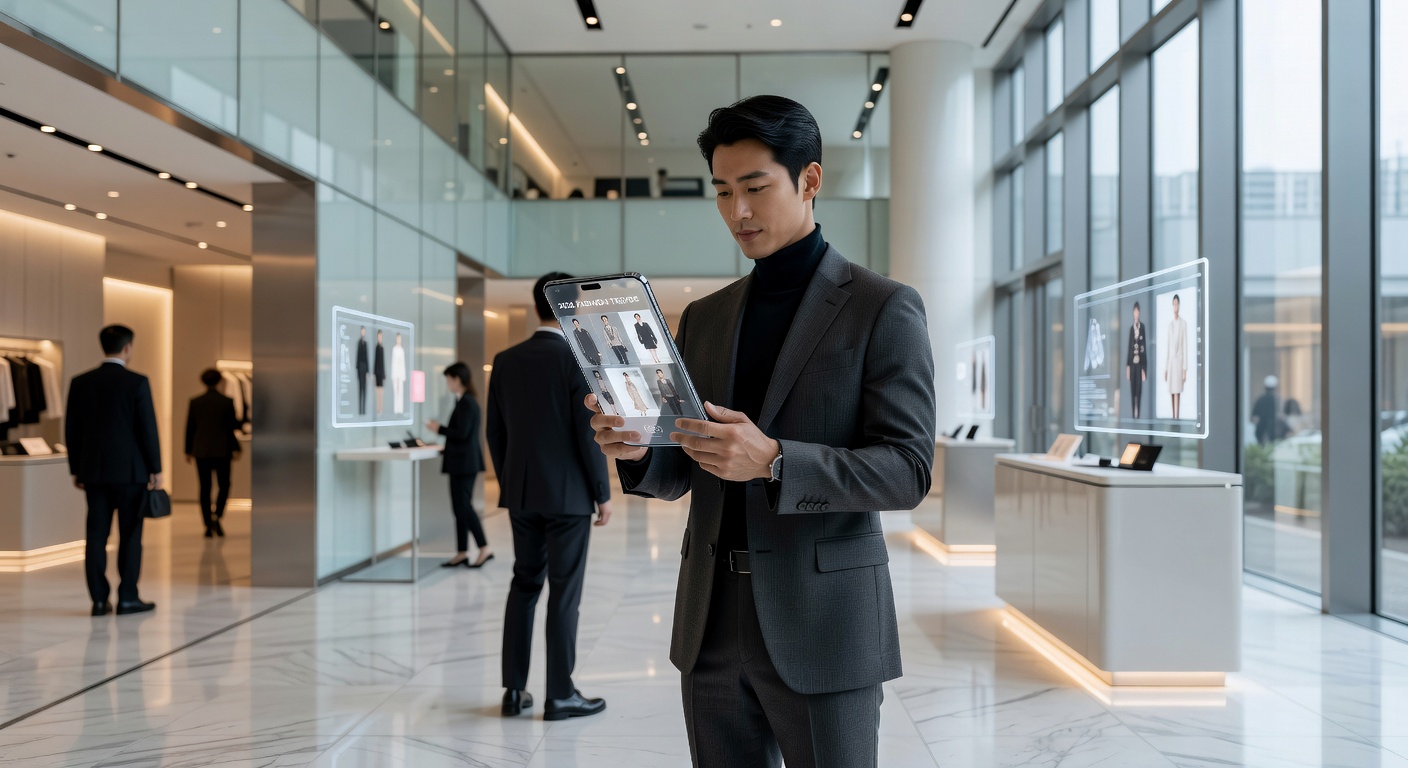
2. Current Situation
To succeed in 2026, global brands must define and understand key Korean concepts. The first concept is the “MZ Generation.” This group includes Millennials and Generation Z. They prioritize brand image over price and drive a massive 50% of all department store sales.
The second vital concept is WILLOW. This is the 2026 Samsung Fashion Research Institute framework. It stands for AI-driven innovation, flexible consumer behavior, and market adaptability. Like a willow tree, brands must bend to market pressures without breaking.
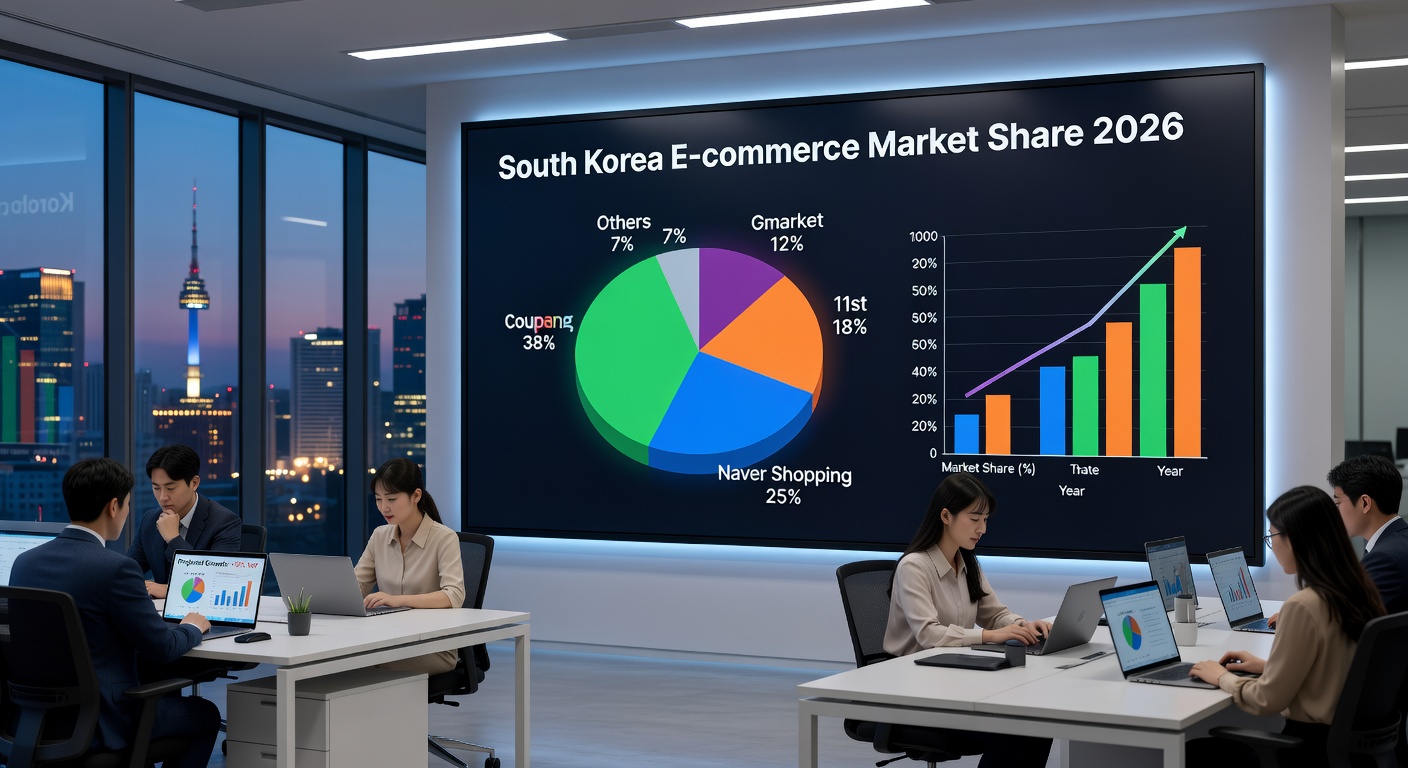
The latest 2026 data points highlight incredible opportunities for foreign investors. The South Korea clothing market reached an approximate value of USD 30.65 Billion recently, and it is projected to grow at a strong 3.42% CAGR through 2035. According to Expert Market Research (2026), digital retail continues to dominate the landscape.
A major challenge for global brands is understanding the South Korea social media landscape. Brands must choose where to spend their digital marketing budgets wisely. The two biggest platforms are KakaoTalk and Instagram.
| Platform | Primary Use Case | Target Demographic | Conversion Rate Potential |
|---|---|---|---|
| KakaoTalk | Customer Relationship Management (CRM), Direct Sales | All ages, heavily 30s-50s | Extremely High (Direct Messaging) |
| High-tier aesthetic branding, Fashion Discovery | MZ Generation (Teens-30s) | Moderate to High (Visual Clicks) |
Supplemental Explanation: Navigating the 2026 Market Dynamics
The $30.65 Billion valuation of the South Korean clothing market is not a random accident. It is the direct result of careful economic planning and market-oriented reforms. The WILLOW framework perfectly captures the current mood of the market. Shoppers are highly connected and use AI tools to find the best fashion items.
Global brands that try to force a one-size-fits-all strategy will fail. Instead, they must adapt like the willow tree. By leveraging fast online networks and understanding the unique roles of KakaoTalk and Instagram, foreign companies can efficiently target their ideal customers.
3. Global Implications
The rapid growth of the Korean fashion sector has major global implications for international investors, expats, and multinational businesses. Multinational fashion houses can no longer rely on generic global campaigns. Rising domestic labels are backed by aggressive digital marketing and deep local knowledge.
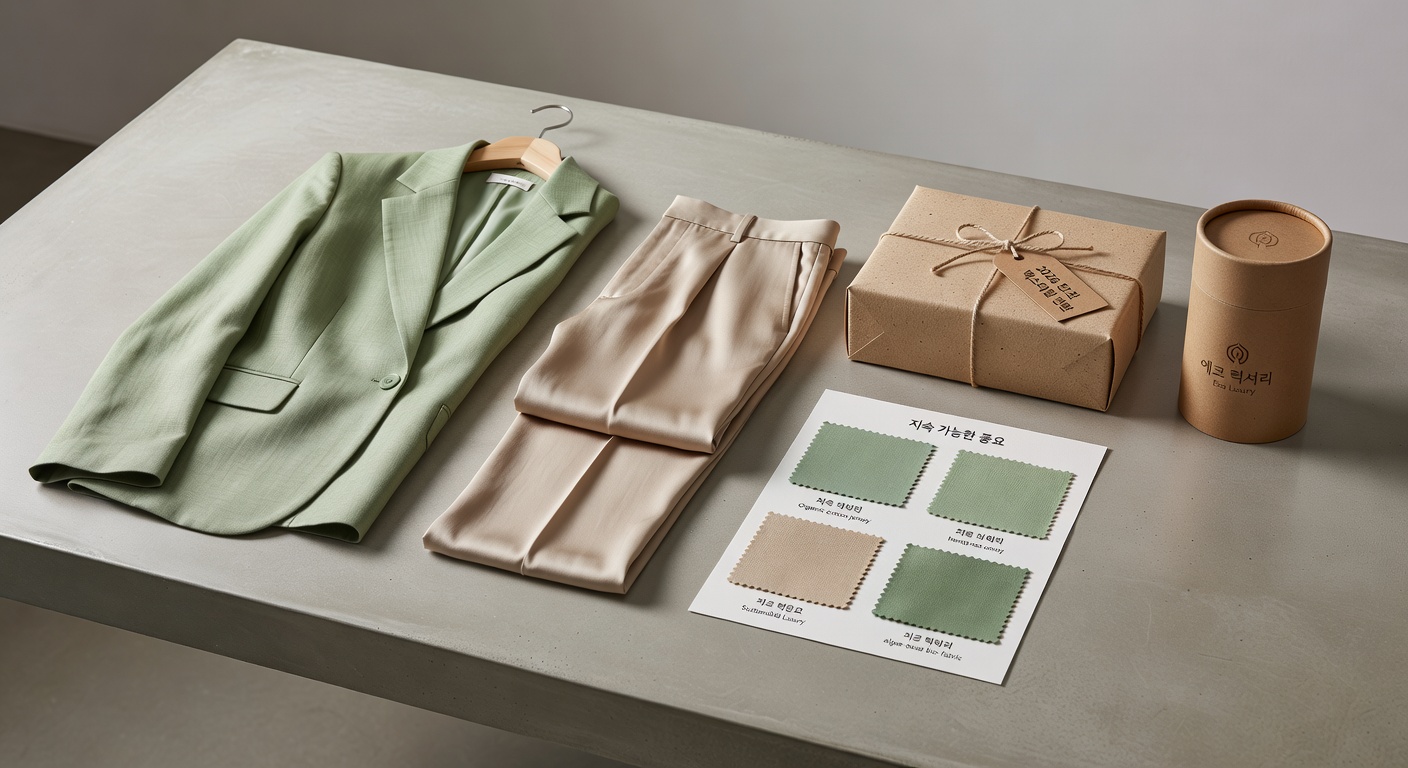
Unlike the EU or US where heritage brand loyalty dominates, the Korean market moves much faster. Brand loyalty trends among Korean consumers show a rapid pivot toward emerging designers. Korean shoppers increasingly favor eco-conscious storytelling over traditional logo-heavy luxury. For more details, see the Mordor Intelligence South Korea Luxury Goods Market Report.
However, foreign stakeholders must also conduct a careful risk assessment. There is intense price competition from domestic fast-fashion platforms. Comprehensive academic insights on these retail shifts can be found via Sage Journals.
| Market Region | Brand Loyalty Focus | Market Speed | Consumer Preference |
|---|---|---|---|
| South Korea | Emerging designers, Eco-storytelling | Very Fast (Trend-driven) | Innovation, AI integration |
| United States | Heritage brands, Celebrity status | Moderate | Big logos, familiar names |
| European Union | Historic luxury houses | Slow (Traditional) | Craftsmanship, heritage |
Supplemental Explanation: Protecting Foreign Investments
When global brands expand into South Korea, they face a double-edged sword. On one hand, the market is incredibly rich and fast-moving. On the other hand, the competition from local fast-fashion is fierce.
A conservative government that promotes pro-business deregulation makes it easier for foreign companies to operate. It lowers the barriers to entry and protects intellectual property. When investors know their supply chains are secure from regional threats, they are more willing to spend millions on localizing their fashion brands.

4. Actionable Insights
There are specific steps global readers should take NOW to succeed in South Korea. First, brands must restructure their digital marketing budgets. You must use KakaoTalk for localized Customer Relationship Management (CRM) while using Instagram for high-tier aesthetic branding.
Investors should actively seek new investment opportunities while avoiding proven traps. Target the growing demographic of eco-conscious consumers favoring green textiles. Conversely, avoid campaigns that fail to leverage local celebrity or K-pop idol endorsements. The Korean public expects to see familiar local faces representing global brands.
Finally, stakeholders must monitor policy changes affecting foreigners. The government now mandates traceable supply chains and eco-friendly packaging for consumer goods. Fortunately, conservative market reforms have made compliance easier through clear, business-friendly guidelines.
| Action Item | Platform / Resource | Expected Outcome |
|---|---|---|
| Allocate Marketing Budget | KakaoTalk (CRM) + Instagram (Branding) | Higher customer retention and discovery. |
| Hire Local Influencers | K-pop idols, Top Actors | Instant brand credibility and fast sales. |
| Adopt Green Textiles | Eco-friendly supply chains | Compliance with new 2026 sustainability laws. |
| Monitor Import Rules | Ministry of Trade, KOSIS | Avoid border delays and legal fines. |
Supplemental Explanation: Executing a Pro-Business Strategy
Taking action in the Korean market means playing by local rules while leveraging global strengths. Restructuring your budget to include KakaoTalk is not just a marketing tactic; it is a vital business strategy. South Korean consumers expect brands to communicate with them quickly and directly.
Furthermore, embracing eco-friendly packaging is no longer optional. Global brands must view these regulations not as a burden, but as a chance to prove their quality. Smart investors use these actionable steps to build a bulletproof retail presence.
5. Expert Analysis
Expert forecasts for 2026 provide a clear roadmap for luxury fashion in South Korea. The luxury goods market is forecast to steadily reach USD 22.91 billion by 2031. This massive growth is due to sustained premium demand from high-income brackets. Conservative economic policies have successfully protected the wealth of these high-income shoppers.
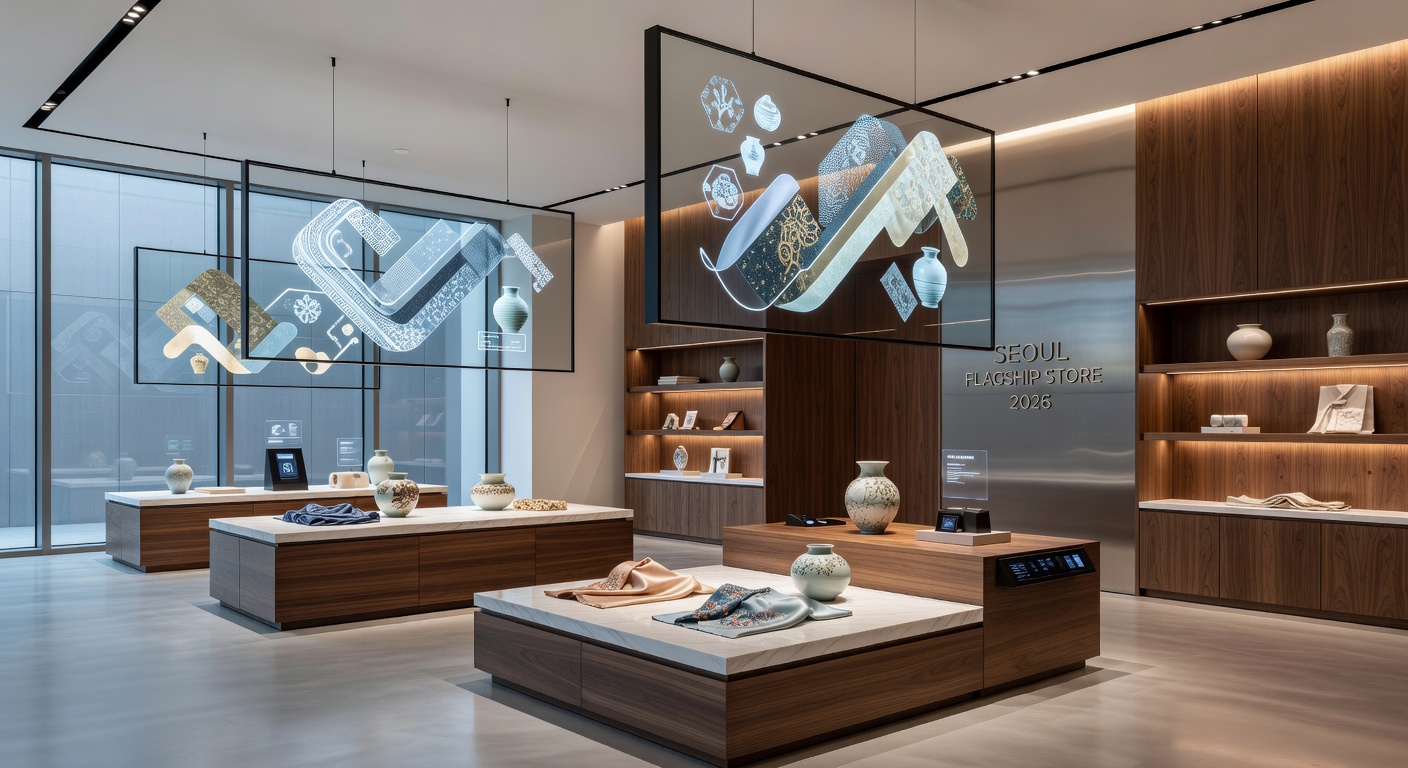
There is a fascinating contrast between the international perspective and the Korean domestic view. Western analysts often view the Korean market purely through a high-tech and digital lens. Domestic experts, however, emphasize a distinct 2026 trend of deliberate consumerism. Shoppers want to touch and feel high-quality fabrics in physical stores before buying online.
“As AI accelerates production and replication, consumers show renewed interest in tradition, originality and analog experiences.”
Global fashion brands must offer this originality. They must prove that their products are authentic and crafted with care, rather than mass-produced by machines.
| Perspective | View on 2026 Market | Key Strategy Recommendation |
|---|---|---|
| Western Analysts | High-tech, purely digital focus | Invest heavily in AI and fast online checkouts. |
| Korean Domestic Experts | Deliberate consumerism, analog authenticity | Blend digital convenience with physical store experiences. |
| Conservative Economists | Resilient high-income spending | Target premium buyers; advocate for free-market trade. |
Supplemental Explanation: The Resilience of the Luxury Market
How does the luxury fashion market grow so fast when national GDP growth is only 1.8%? The answer lies in the structure of the Korean economy. Market-oriented reforms have allowed high-income brackets to retain their wealth and increase their disposable income. Domestic experts correctly note that these wealthy shoppers are looking for “analog authenticity.” Global brands that understand this desire will win by offering premium, physical shopping experiences.
6. Conclusion & Next Steps
In summary, successful entry into the Korean market requires an agile approach. Brands must respect the deep K-culture influence on domestic consumer behavior. Localization strategies for global fashion brands in Korea demand a perfect mix of cultural respect and digital savvy.
We invite all international readers, investors, and analysts to take the next step. Subscribe to our premium Asia-Pacific retail newsletter today. Staying informed is the best way to protect your investments and outsmart local competitors.
Updated Resource List for Global Investors:
| Resource Name | Focus Area | Link |
|---|---|---|
| Rawshot Korean Fashion Stats | Broad industry data | View Data |
| Market Research Future Luxury | Luxury fashion growth | View Report |
| Expert Market Research Clothes | 2026 market values | View Report |
| Samsung Fashion WILLOW 2026 | Consumer adaptability trends | View Outlook |
| Mordor Intelligence Luxury | High-income bracket demand | View Analysis |
| Sage Journals Academic Study | Consumer behavior shifts | View Study |
Supplemental Explanation: Final Thoughts for Global Expansion
The fashion market in South Korea is a brilliant example of how free-market capitalism creates wealth and innovation. When global brands use effective localization strategies, they tap into one of the most dynamic economies in Asia. However, brands cannot be lazy. They must bend like the WILLOW tree, adapting to both digital KakaoTalk trends and the physical desire for analog authenticity. With the right data and a respect for economic freedom, your brand can conquer the South Korean fashion landscape in 2026 and beyond.
7. Frequently Asked Questions (FAQ)
Q. What is the “WILLOW” framework?
A. It is a 2026 framework established by the Samsung Fashion Research Institute that stands for AI-driven innovation, flexible consumer behavior, and market adaptability. It emphasizes that brands must remain highly flexible to succeed.
Q. How should global brands divide their marketing budget between platforms?
A. Brands should allocate resources to KakaoTalk for direct customer communication (CRM) and direct sales, while actively using Instagram for visual fashion discovery and building high-tier aesthetic branding among the younger MZ Generation.
Q. Why is the South Korean market so heavily focused on the “MZ Generation”?
A. The MZ Generation (Millennials and Gen Z) currently accounts for a massive 50% of all department store sales in the country. Their preference for authentic storytelling and eco-friendly textiles shapes the entire direction of the fashion industry.