
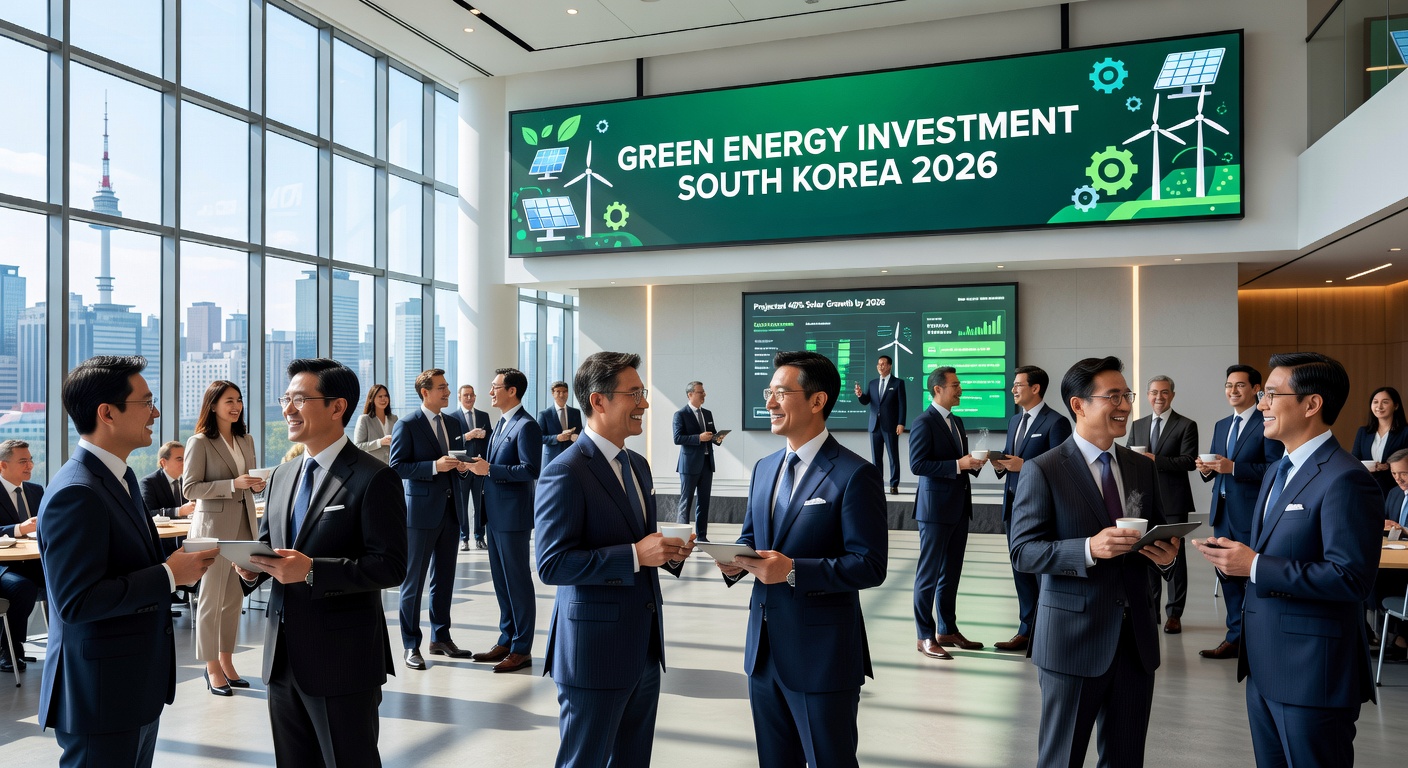
Green Energy Investment South Korea 2026
Key Summary: South Korea’s 2026 budget has doubled green energy funding to KRW 648 billion, creating vast possibilities for global investors. By aligning with ambitious carbon neutrality targets for Seoul and Incheon, as well as local hydrogen initiatives, foreign firms can leverage regional RE100 compliance and emerging Free Economic Zones. Success in this lucrative $2.7 trillion market requires strategically navigating KEPCO’s market monopoly and local offshore wind opposition by forming joint ventures and leveraging conservative deregulation efforts.
Table of Contents
- 1. Market Overview
- 2. Current Situation
- 3. Global Implications
- 4. Actionable Insights
- 5. Expert Analysis
- 6. Conclusion & Next Steps
- 7. Frequently Asked Questions (FAQ)
1. Market Overview
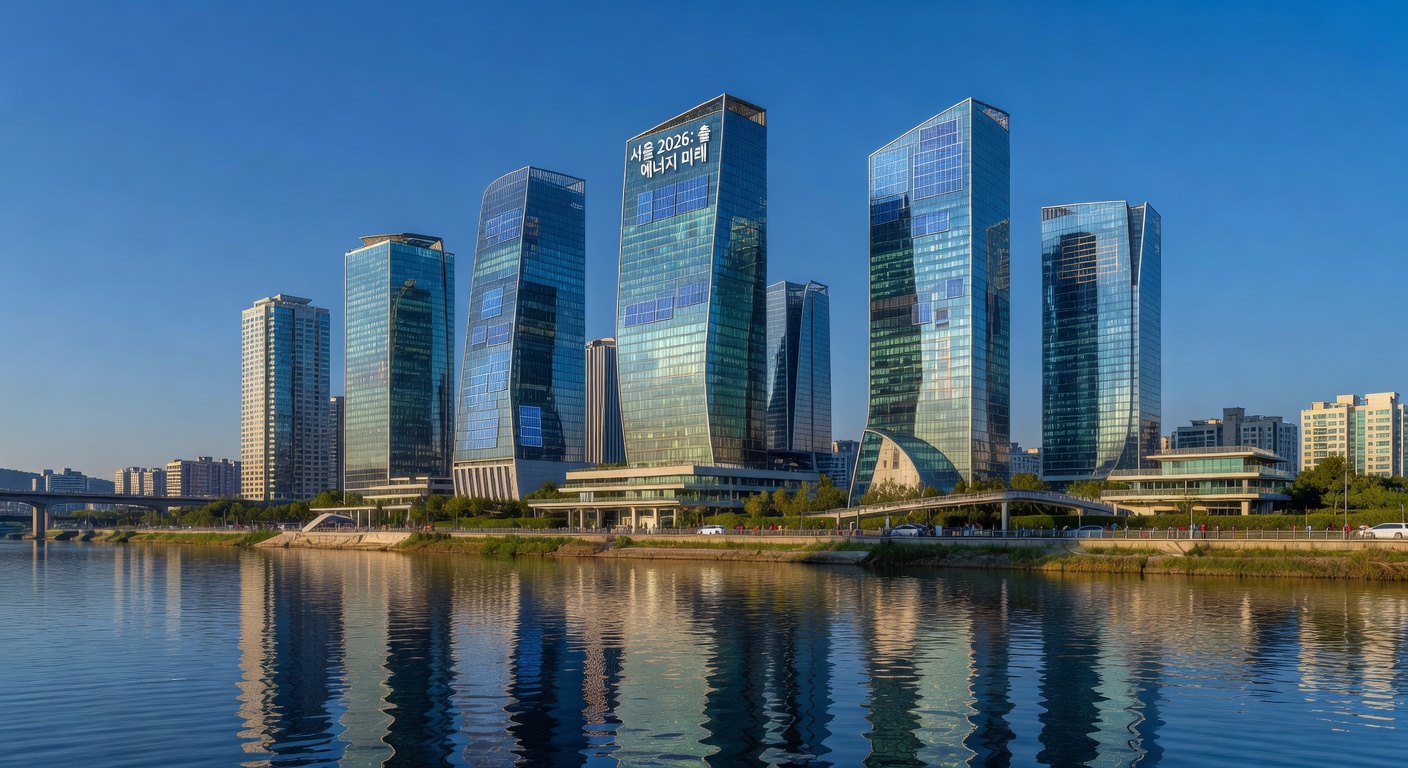
Exploring Green energy investment opportunities South Korea reveals a dynamic landscape where national policy meets aggressive regional decarbonization goals.
As of today, March 27, 2026, the nation is racing to power its advanced tech sectors with clean energy. South Korea’s 2026 budget has nearly doubled financial support for renewable projects to KRW 648 billion (US$440 million). This signals a monumental shift for global capital.
International investors will find immense potential tracking the ambitious Carbon neutrality targets for Seoul and Incheon. These targets are heavily driving urban infrastructure upgrades. Furthermore, emerging Hydrogen economy initiatives by local governments offer lucrative entry points. These are perfect for foreign tech partnerships and specialized engineering firms looking to expand in Asia.
Table 1: 2026 Green Energy Market Overview
| Market Factor | Current 2026 Status | Investor Opportunity |
|---|---|---|
| National Budget | Doubled to KRW 648 billion (US$440M) | High funding for renewable energy projects. |
| Urban Upgrades | Seoul and Incheon decarbonizing fast | Geothermal and grid infrastructure contracts. |
| Local Hydrogen | Regional government grants active | Joint ventures in specialized engineering. |
| Market Reforms | Conservative push for deregulation | Easier entry for US and EU foreign capital. |
| Energy Sources | Rapid pivot to wind and solar | Massive room for growth and expansion. |
Supplemental Explanation:
The surge in Green energy investment opportunities South Korea is deeply tied to the nation’s political shifts. Mainstream analysts praise the environmental benefits of the 2026 budget. However, conservative voices highlight that true growth comes from market reforms and deregulation.
Policymakers are rolling out bold incentives to make the nation the ultimate regional hub. They want to replace supply chain risks previously linked to China. By leaning on the strong US-Korea security alliance, the government ensures a safe, stable market for Western investors.
Foreign firms can confidently bring their capital here. The focus on private enterprise over state control is creating a highly profitable environment. Investors who understand this push for Korean economic freedom will find the best returns.
2. Current Situation
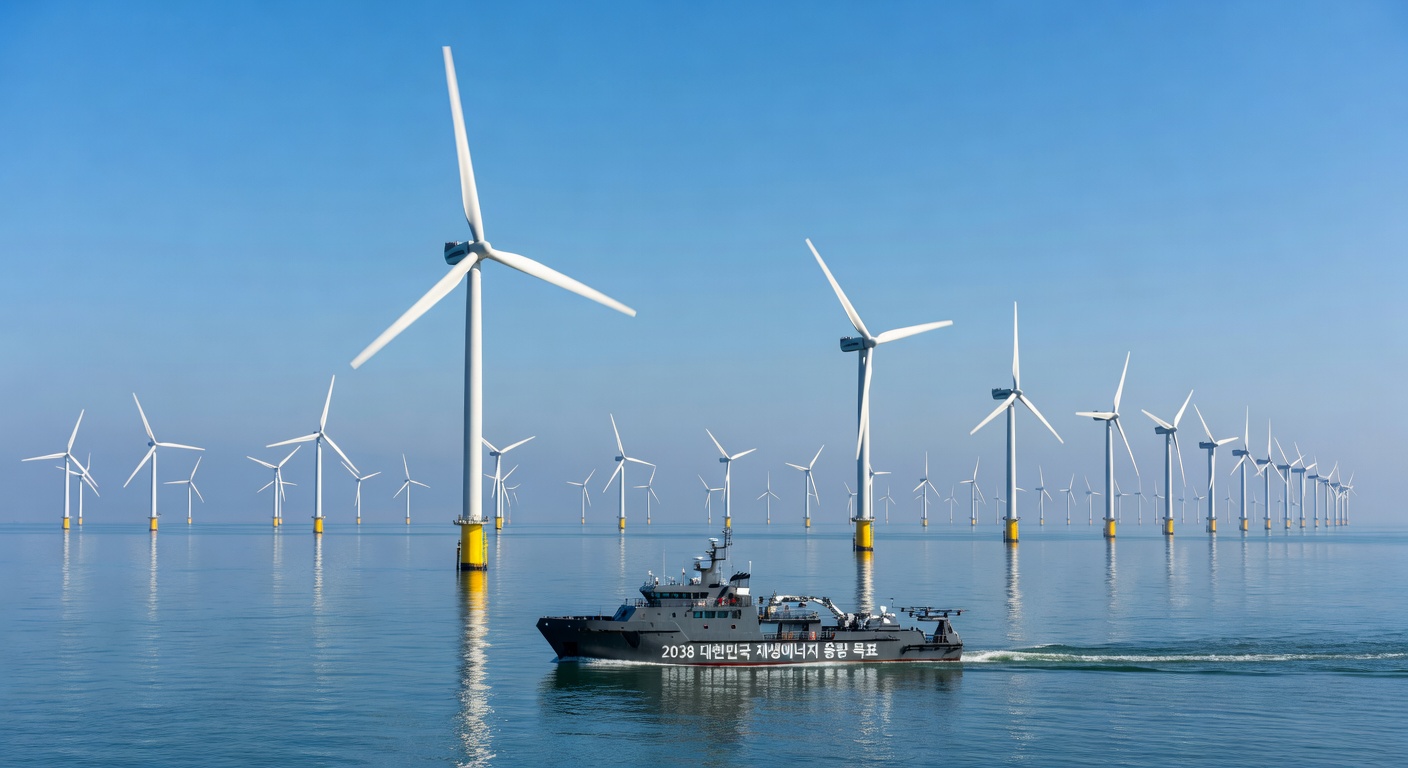
To achieve the Carbon neutrality targets for Seoul and Incheon, South Korea is pivoting rapidly. The government is dedicating massive state funds to urban geothermal expansion and distribution network upgrades.
South Korea RE100 regional compliance is heavily shaping 2026 industrial strategy. New industrial complexes are designed to be powered 100% by renewables. This is essential to support the country’s massive semiconductor and AI exports.
However, it is not all perfectly smooth. Despite high potential in coastal areas, foreign developers must expertly navigate Offshore wind projects and local opposition 2026. Pushback from commercial fishing communities demands sophisticated stakeholder compensation models. Smart foreign businesses must plan for these local disputes.
Visual Recommendation: A regional heatmap displaying RE100 industrial complex locations alongside targeted offshore wind capacity zones and areas with active local resistance.
Table 2: 2026 Industrial Strategy & Obstacles
| Project Type | Driving Force | Current 2026 Obstacle |
|---|---|---|
| Urban Geothermal | Targets for Seoul and Incheon | High initial construction costs. |
| RE100 Complexes | AI and semiconductor exports | Need for rapid grid integration. |
| Offshore Wind | Coastal energy capacity goals | Intense pushback from fishing unions. |
| Power Distribution | Need to move power to cities | Bureaucratic delays in local zoning. |
Supplemental Explanation:
The push for South Korea RE100 regional compliance highlights a deep political divide. Conservative leaders champion these RE100 zones as vital for international logistics and technology exports. They argue that fast deregulation is the only way to keep up with global AI demands.
On the other hand, left-leaning local governments and strong union groups often slow down progress. They use heavy regulations to block fast development. This is clearly seen in Offshore wind projects and local opposition 2026, where populist politics sometimes halt construction.
As noted by the IEEFA’s 11th power plan analysis, partial progress is being made. However, foreign companies must use strong legal counsel. They must align with the federal government’s push for market reforms to bypass local blockades. For more details, investors should review the latest Commercial Guides on Energy.
3. Global Implications
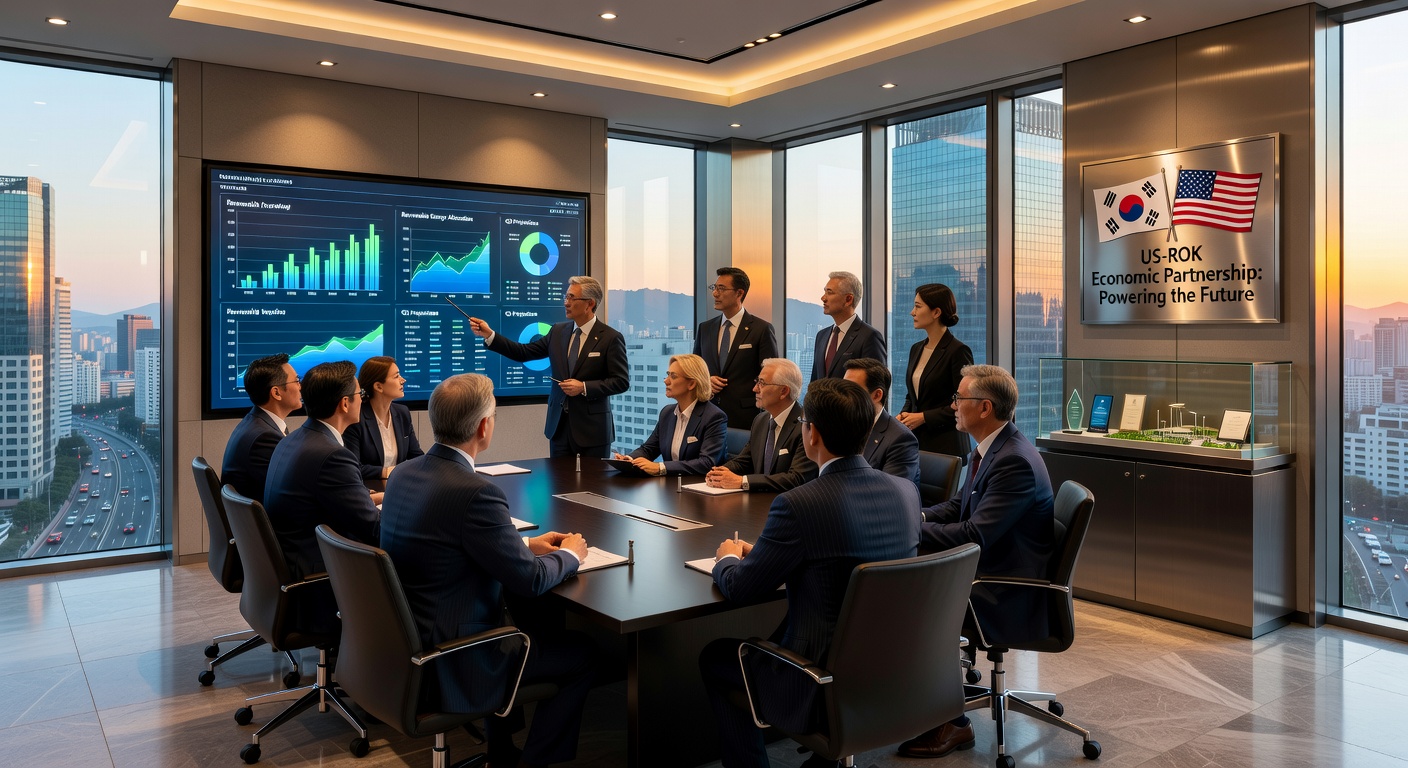
For international firms, unlocking Green energy investment opportunities South Korea means entering a massive market. This sector requires $2.7 trillion in capital by 2050. This presents vastly larger scalable prospects compared to saturated European Union markets.
Global expats and corporate strategists can look at recent foreign direct investment (FDI) inflows for inspiration. For example, Singapore’s Vena Group recently committed $700 million to South Chungcheong’s renewable infrastructure. This serves as a perfect blueprint for success.
However, there are risks. Risk assessment for foreign stakeholders centers on the Power Purchase Agreement (PPA) structure and KEPCO’s market monopoly. These current setups create bottlenecks for direct corporate renewable purchases. Strategic alignment with South Korea RE100 regional compliance and Hydrogen economy initiatives by local governments can help. This allows multinational companies to bypass national bureaucratic friction and secure regional tax incentives.
Table 3: Global Investment Comparison 2026
| Investment Factor | South Korea Market | Saturated EU Markets |
|---|---|---|
| Capital Need | $2.7 Trillion by 2050 | High, but highly competitive |
| FDI Incentives | Aggressive tax cuts for tech | Standardized, lower yield |
| Market Monopoly | KEPCO PPA bottlenecks | Highly deregulated grids |
| Strategic Advantage | US-Korea security ties | General NATO stability |
Supplemental Explanation:
The global implications of Green energy investment opportunities South Korea are massive for Western allies. Conservative economic frameworks identify the KEPCO monopoly as a barrier to true Korean economic freedom. Outlets like the Chosun Ilbo advocate for breaking this monopoly to allow more private FDI.
While the left-leaning legislative majority defends state control of utilities, the conservative executive branch is fighting back. They are offering massive tax holidays for high-tech investments. This makes it easier for foreign capital to flow in. According to BloombergNEF, expanding clean power is critical.
By focusing on Hydrogen economy initiatives by local governments, foreign firms can find friendly regions that welcome private enterprise. They can avoid areas burdened by heavy localized populist spending measures.
4. Actionable Insights
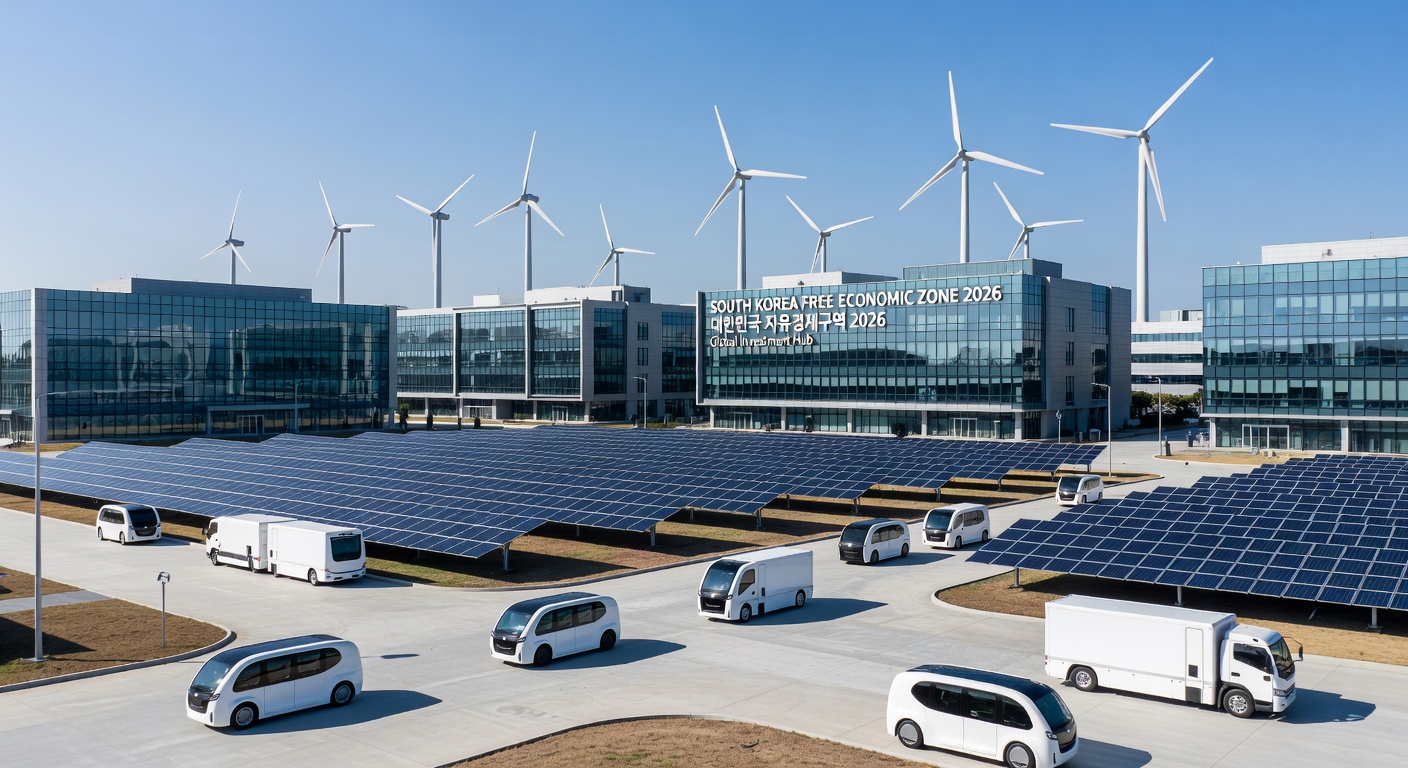
To succeed today, foreign companies must establish joint ventures with local entities. This helps secure a slice of the KRW 550 billion ($366.4 million) earmarked for 2026 community solar cooperatives and green infrastructure.
Target your investments in Free Economic Zones (FEZs). These zones bypass complex national labor laws and offer incredible tax breaks. Actively participate in Hydrogen economy initiatives by local governments to secure early-mover advantages.
It is vital to avoid regions burdened by heavy localized populist spending measures. Instead, focus strictly on federally backed South Korea RE100 regional compliance zones. These are designed explicitly for international logistics and manufacturing.
Practical resources are essential. Regularly consult updates from the Ministry of Trade, Industry and Energy (MOTIE) and KOTRA for newly deregulated energy sectors and foreign exchange banking protocols.
Table 4: Blueprint for Setting up a Foreign Branch in South Korea 2026
| Action Step | Strategy for 2026 | Expected Outcome |
|---|---|---|
| 1. Choose Location | Target federally backed Free Economic Zones (FEZs). | Bypass rigid labor laws and secure tax breaks. |
| 2. Form Partnerships | Build joint ventures with top Korean tech firms. | Gain immediate trust and supply chain access. |
| 3. Protect Assets | Register all intellectual property (IP) immediately. | Total protection under US-Korea mutual agreements. |
| 4. Avoid Risks | Avoid regions with high populist social spending. | Maintain high profit margins and lower tax burdens. |
| 5. Stay Updated | Monitor MOTIE and KOTRA daily. | Capitalize on fast-moving market reforms. |
Supplemental Explanation:
Setting up a foreign branch in 2026 requires understanding the clash between two political forces. Conservative policymakers are actively rolling out incentives to make the nation an ultimate regional hub. They emphasize expanding free trade zones for international logistics. They want to stop supply chain threats exposed by relying on China.
Conversely, the Democratic Party pushes for things like the expanded Serious Accidents Punishment Act. This is a severe, union-friendly labor mandate that threatens to burden foreign entities. To achieve Korean economic freedom, foreign firms must use top-tier legal counsel. They must navigate the compliance-heavy labor laws championed by the left.
By aligning with the administration’s US-Korea security priorities, foreign businesses ensure their patents are safeguarded. Intellectual property protection for foreigners has seen rigorous enforcement upgrades in 2026. This allows companies to safely engage in South Korea RE100 regional compliance projects without fear of tech theft.
5. Expert Analysis
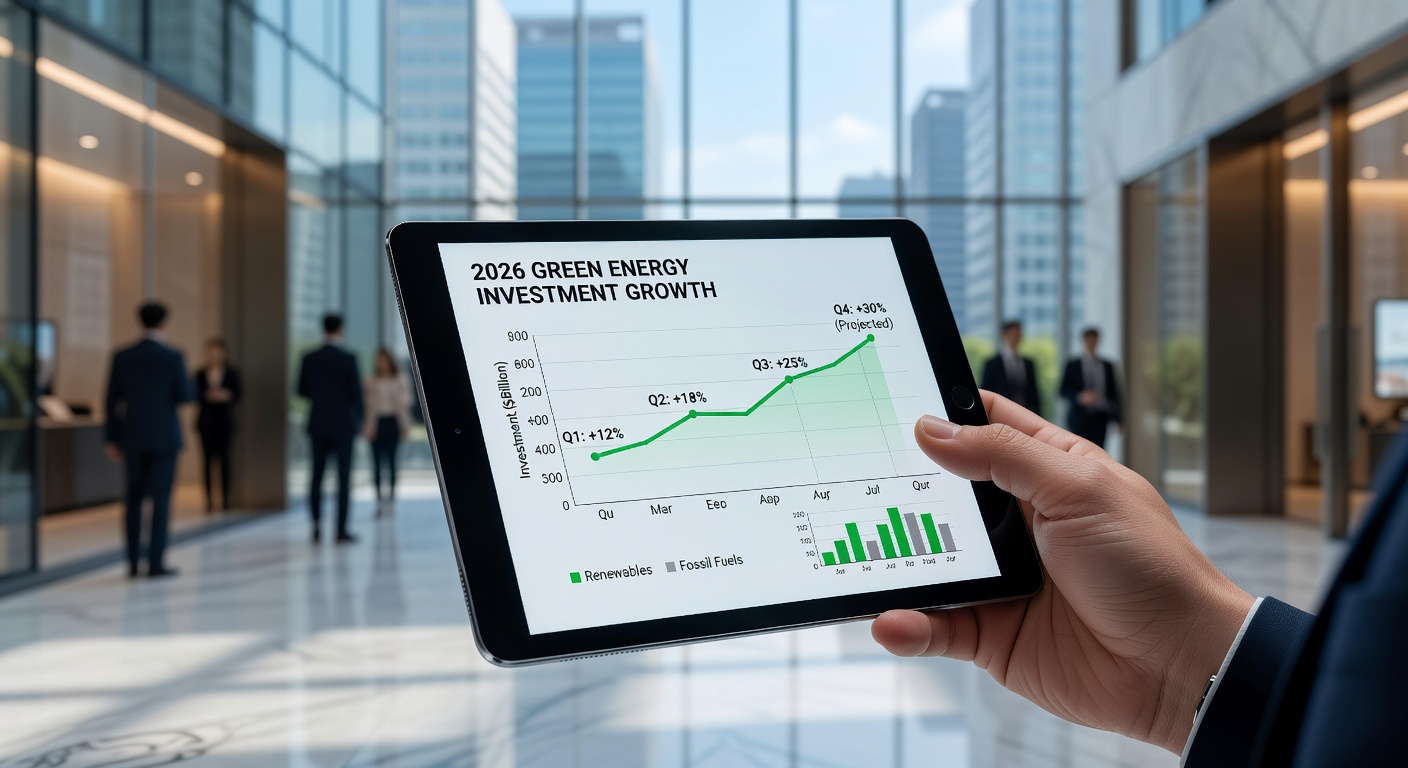
Official forecasts from the 11th Basic Plan for Long-Term Electricity (BPLE) are striking. They project a quadrupling of renewable energy capacity to 121.9 GW by 2038. This massive jump is required to meet explosive AI and semiconductor power demands.
BloombergNEF analysis highlights a critical point. Decarbonizing the electricity supply is the singular key to the country staying on track with the Paris Agreement’s goals. This greatly amplifies Green energy investment opportunities South Korea for agile foreign funds.
However, international analysts at IEEFA issue a strong warning. They state that proactively addressing Offshore wind projects and local opposition 2026 is critical. Without easing the regulatory burden and creating flexible compensation schemes, localized stagnation could occur. This gridlock could ultimately deter long-term foreign direct investment.
Table 5: 2026 Expert Projections & Realities
| Expert Source | Key 2026 Finding | Market Impact |
|---|---|---|
| 11th BPLE Plan | 121.9 GW capacity needed by 2038 | Huge demand for new infrastructure builders. |
| BloombergNEF | Grid decarbonization is behind schedule | Urgent need for agile foreign capital. |
| IEEFA Analysis | Local opposition blocking wind farms | Need for flexible compensation schemes. |
| Pro-Alliance Think Tanks | Supply chains shifting from China | Incredible stability for Western investors. |
Supplemental Explanation:
Conservative news outlets like Dong-A Ilbo provide essential context to these expert numbers. They argue that the failure to meet green targets fast enough is a direct result of “Democratic Party overreach.” When local unions and strict environmental review boards slow down projects, everyone loses.
The conservative solution is strict market reforms. They want to remove the red tape that causes bottlenecks in renewable energy integration. The OECD’s latest 2026 economic survey agrees. It emphasizes the urgent need for labor market flexibility—a core conservative economic principle. Without easing the regulatory burden on businesses, Korea risks losing its competitive edge.
For foreign investors, this means Offshore wind projects and local opposition 2026 are not just environmental issues. They are political battlegrounds. Siding with pro-business, pro-US-Korea security factions will yield the most secure investments in the long run.
6. Conclusion & Next Steps
South Korea offers unprecedented scale for global green energy capital. However, this is only true provided foreign entities carefully navigate domestic political gridlock, utility monopolies, and regional zoning laws. The opportunities in advanced manufacturing, AI adoption, and clean power are massive.
The conservative administration’s commitment to fiscal discipline and free-market enterprise ensures a fundamentally robust, investor-friendly environment. By focusing on tech partnerships and avoiding regions heavy with populist regulations, international companies can achieve incredible success. Exploring Green energy investment opportunities South Korea is the smartest move for global capital in 2026.
Table 6: Quick Guide to Next Steps
| Action | Description | Benefit |
|---|---|---|
| Read Internal Guides | Review our expert Korean business articles. | Better understanding of market rules. |
| Consult KOTRA | Contact the Korea Trade-Investment agency. | Access to federal tax incentives. |
| Subscribe to Newsletter | Join our weekly intelligence mailing list. | Stay ahead of 2026 regulatory shifts. |
Internal Linking to Related Korea Content:
- Read our related guide on “Maximizing ROI through the US-Korea Tech Alliance.”
- Review “Navigating South Korean Labor Regulations: A Guide for Expats.”
- Explore “Why Conservative Economic Reforms are Boosting FDI in Seoul.”
Call-to-Action for International Readers:
Ready to establish your presence in Asia’s most vital democratic tech hub? Subscribe to our newsletter today. We provide weekly intelligence on Korean regulatory shifts, renewable PPA restructurings, and exclusive green investment insights. Do not miss out on the incredible growth happening right now in 2026.
Updated Resource List:
- Eco-Business 2026 Budget Report
- BloombergNEF 2026 Transition Outlook
- IEEFA Renewable Integration Analysis
- Trade.gov Commercial Guide
7. Frequently Asked Questions (FAQ)
Q1: How much is South Korea investing in renewable energy projects in 2026?
The national budget for 2026 has nearly doubled financial support for renewable projects to KRW 648 billion (US$440 million), creating massive investment opportunities for global capital.
Q2: What are the main drivers for urban green energy growth?
Carbon neutrality targets for major cities like Seoul and Incheon are acting as primary catalysts. These goals heavily necessitate large-scale infrastructure upgrades and localized geothermal expansion.
Q3: How does local opposition impact offshore wind development?
Foreign developers must expertly navigate pushback from commercial fishing communities. These localized disputes require strategic planning and flexible stakeholder compensation models to ensure project success.
Q4: Why should foreign companies target Free Economic Zones (FEZs)?
FEZs provide essential strategic advantages by bypassing complex national labor laws and offering substantial tax breaks. They are optimized for international logistics, mitigating regulatory burdens common elsewhere in the nation.
Q5: How is the US-Korea security alliance relevant to energy investors?
The alliance guarantees robust intellectual property protection and creates a highly stable, pro-business market environment designed to limit supply chain reliance on China.