



South Korea Political Risk for Investors
Key Summary: The 2026 South Korean property market introduces aggressive regulatory hurdles for foreign investors. With strict Debt Service Ratio limits, capped jeonse loans, and expanded speculative zones targeting non-residents, international stakeholders face an unprecedented geopolitical risk. Adapting to these populist tax measures requires meticulous offshore income documentation and strategic geographic pivots to safeguard foreign direct investment and ensure long-term portfolio stability.
Table of Contents
- 1. Introduction
- 2. Current Situation
- 3. Global Implications
- 4. Actionable Insights
- 5. Expert Analysis
- 6. Conclusion & Next Steps
- 7. Frequently Asked Questions (FAQ)
1. Introduction
Conducting a thorough South Korea political risk assessment for investors must be the first step for international buyers navigating the shifting landscape of 2026. As of March 28, 2026, the latest market statistics reveal how new populist tax measures are actively reshaping foreign capital flows into Seoul real estate.
International stakeholders must immediately account for the aggressive regulatory tightening under President Lee Jae-myung, which directly contradicts earlier hopes for conservative deregulation and vital market reforms. Instead of fostering an environment conducive to Korean economic freedom, the current administration has pivoted toward restrictive policies prioritizing domestic ideological optics over global financial integration.
This abrupt shift dramatically impacts the geopolitical risk premium South Korea 2026, compelling a total reevaluation of foreign direct investment and Korean political stability. We have identified three key takeaways from the March 2026 regulatory framework that every foreign buyer must understand immediately:
- First, the government is strictly enforcing Debt Service Ratio limits on United States expats and international buyers, requiring unprecedented documentation.
- Second, elevated property holding taxes are now rapidly approaching a 1% effective rate, creating a prohibitive cost burden.
- Third, expanding speculative zone regulations are overtly targeting non-residents to curb what the administration labels as foreign speculation.
Leading conservative media outlets strongly caution that these punitive measures will isolate the domestic market and deter global talent. For continuous updates on these changing paradigms, stakeholders should regularly consult the Financial Services Commission and the English edition of The Chosun Ilbo.
Supplemental Context: Ideological Shifts in 2026
Understanding the broader implications of these 2026 policies requires recognizing the ideological shift currently dominating the national assembly. While previous administrations signaled a willingness to embrace market reforms and lower barriers for foreign capital, the current leadership views the real estate market through a heavily populist lens.
Wealth accumulation in housing, particularly by non-residents, is increasingly penalized under the guise of stabilizing domestic housing prices. Conservative analysts argue that this approach fundamentally misunderstands the mechanics of global capital.
By imposing heavy bureaucratic hurdles on international buyers, the administration is inadvertently shrinking the pool of high-quality foreign direct investment. This not only hurts the immediate housing sector but also sends a negative signal to multinational corporations evaluating the region for long-term expansion. The erosion of Korean economic freedom in the property sector serves as an early warning indicator for broader regulatory hostility, making continuous monitoring absolutely essential for any serious foreign investor.
2. Current Situation
To accurately measure the impact of domestic ideological conflict on KOSPI and broader economic indicators, foreign buyers must master specific local terminology governing the current market. The most critical concept is “Jeonse,” a unique Korean lease deposit system where tenants provide a large lump-sum deposit instead of monthly rent.
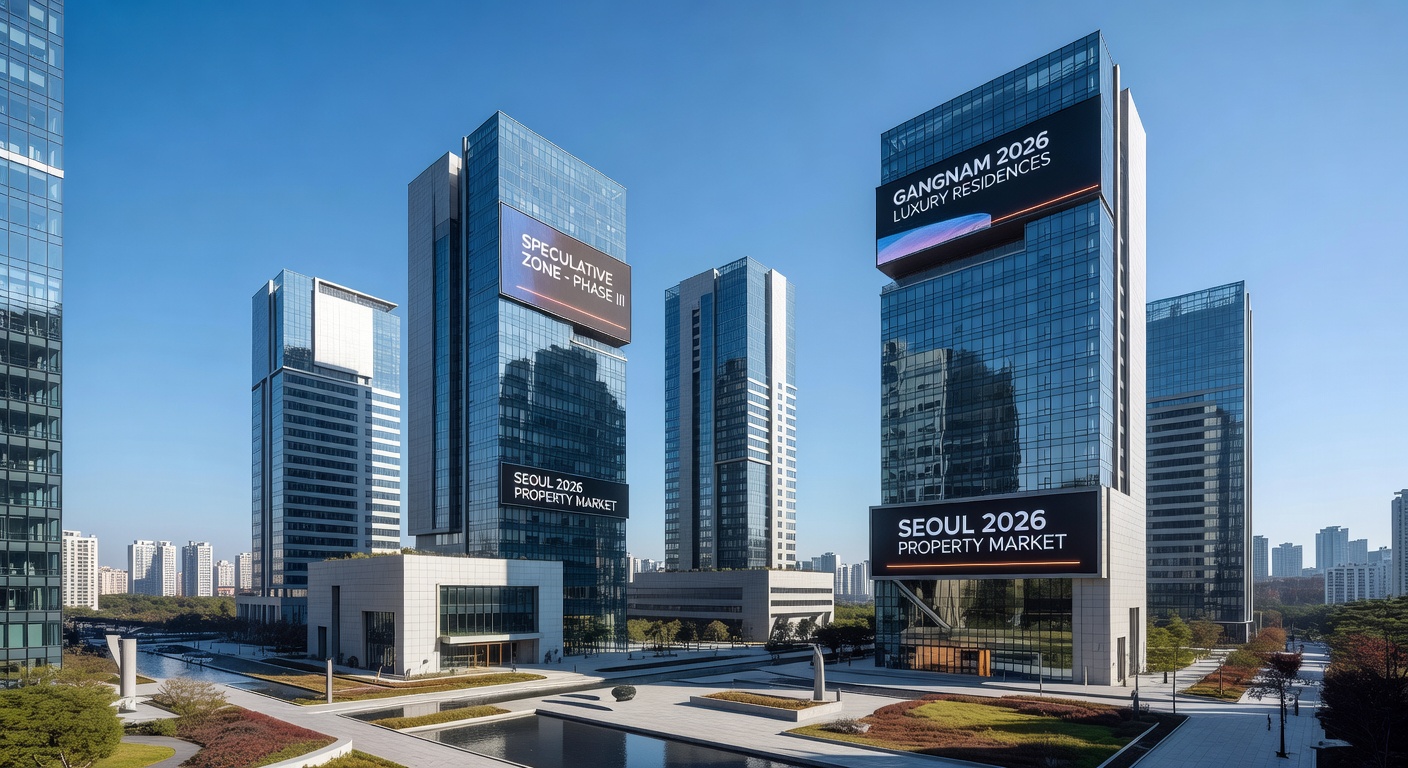
Under the stringent March 2026 guidelines, jeonse loans are now strictly capped at 200 million won in Seoul and surrounding metropolitan areas for specific financial products. Furthermore, the government has drastically expanded “Speculative Zones,” which are heavily monitored geographical areas subjected to maximum lending restrictions, especially for foreign buyers.
The current administration has effectively blocked loan extensions for non-resident single homeowners operating within these zones. This unprecedented maneuver signals a harsh shift that significantly impacts foreign direct investment and Korean political stability in the real estate sector. Market observers note that social cohesion as an economic indicator in South Korea is being leveraged to justify these crackdowns, portraying foreign investors as contributors to the housing affordability crisis.
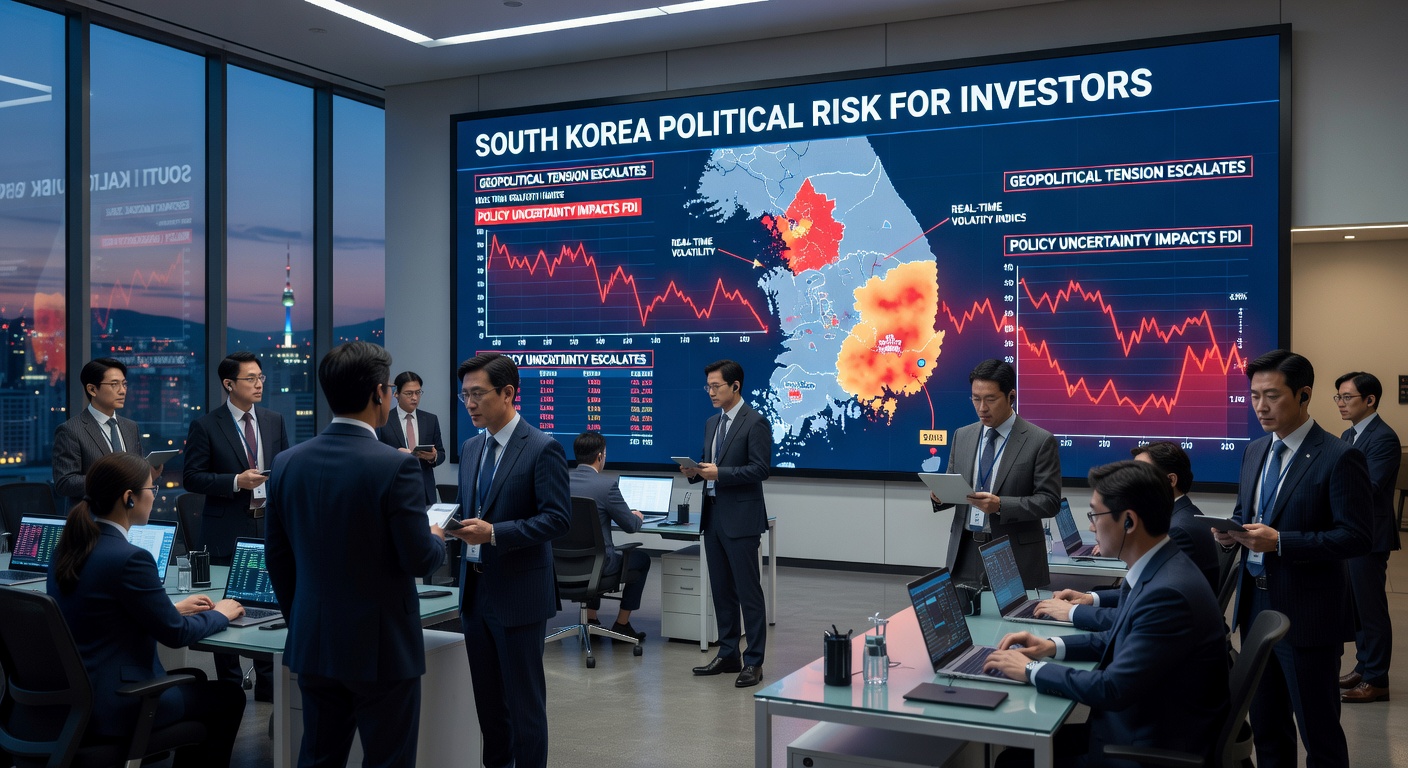
Consequently, international buyers are facing an increasingly hostile lending environment. A recommended visual for investment briefs is a heatmap displaying the expanded Seoul speculative zones targeting ultra-high-priced areas like Gangnam. Such an infographic demonstrates the tangible impact of domestic ideological conflict on KOSPI construction indices and international buyer interest. Official monetary statistics reflecting these lending contractions can be found at the Bank of Korea, while daily market reactions are detailed in The Korea Herald.
| Regulatory Category | Speculative Zones (e.g., Gangnam, Seoul) | Non-Speculative Zones (e.g., Pyeongtaek) |
|---|---|---|
| LTV Limits for Expats | Capped strictly below 40% | Up to 50% depending on bank |
| Jeonse Loan Caps | Maximum 200 million won | Subject to standard DSR limits |
| Non-Resident Loan Extensions | Fully blocked for single homeowners | Evaluated on a strict case-by-case basis |
| Capital Gains Tax Penalty | Maximum punitive rates applied | Standard progressive tax brackets |
Supplemental Context: The End of Gap Investing
The introduction of strict jeonse loan caps and the expansion of speculative zones represent a fundamental disruption to traditional Korean real estate investment strategies. Historically, foreign investors utilized the jeonse system to engage in “gap investing,” purchasing properties with minimal out-of-pocket capital by leveraging the tenant’s massive deposit.
The 2026 regulations specifically dismantle this strategy for non-residents. By capping jeonse loans at 200 million won in major metropolitan hubs, the government forces buyers to deploy significantly more liquid capital. Conservative critics highlight that this does not actually lower housing prices; instead, it simply restricts market participation to ultra-wealthy domestic cash buyers while locking out upwardly mobile expats and foreign professionals.
This policy creates artificial liquidity bottlenecks, distorting true market value and suppressing transaction volumes. Ultimately, treating non-resident capital as inherently speculative damages the fundamental principles of a free and open market.

3. Global Implications
The international fallout from these domestic regulations is profound, severely elevating the geopolitical risk premium South Korea 2026 for long-term property holdings. United States citizens, expatriates, and multinational businesses now face intense offshore income verification processes and mandatory higher down payments when attempting to secure local financing.
Any updated South Korea political risk assessment for investors must highlight that policies framing non-residents as speculators artificially manipulate social cohesion as an economic indicator in South Korea. Unlike the United States or Japanese property markets, South Korea is rapidly pushing property holding taxes toward a 1% effective rate while simultaneously suppressing Loan-to-Value limits below 40%.
This structural imbalance directly penalizes non-resident capital and complicates the financial logistics of the US-Korea security alliance. Visas may be readily available for allied nationals, but mortgage exemptions are entirely non-existent under the current regime. International financial professionals warn that these punitive taxation schemes create an increasingly hostile environment for standard expat mortgage financing.
High-net-worth individuals are consequently reconsidering their Seoul relocations, directly threatening the influx of top-tier global talent. South Korean conservative media correctly notes that prioritizing aggressive revenue collection over market predictability destroys investor trust and harms free enterprise. Businesses looking to expand their Asian footprint must now factor these excessive housing costs into their expatriate compensation packages. Comprehensive surveys on this diminishing business sentiment can be reviewed through the American Chamber of Commerce in Korea, while broader macroeconomic stability reports are available via the International Monetary Fund.
| Jurisdiction | Average Effective Holding Tax | Maximum LTV for Foreign Buyers | Policy Stance on Foreign Capital |
|---|---|---|---|
| South Korea (Seoul) | Approaching 1.0% | Below 40% (Strict DSR) | Highly Restrictive / Populist |
| United States (NY) | 1.5% – 2.0% | 60% – 70% | Open / Market-Driven |
| Japan (Tokyo) | 0.3% – 0.4% | 60% – 65% | Accommodative / Yield-Friendly |
| European Union (Average) | 0.2% – 0.5% | 50% – 70% | Moderately Regulated |
Supplemental Context: The Competitiveness Crisis
When comparing South Korea to global peers, the unique hostility of the 2026 property tax regime becomes glaringly apparent. While cities like New York may possess higher baseline property taxes, they do not concurrently strangle buyers with sub-40% LTV ratios and punitive acquisition taxes reaching up to 3%.
Furthermore, the administrative burden placed on foreign buyers to prove offshore income for domestic Debt Service Ratio calculations is notoriously opaque. Banks often discount foreign-sourced income or apply aggressive haircuts to the stated amounts, further reducing actual borrowing capacity.
Conservative economists argue that this dual penalty—high taxation combined with starved leverage—fundamentally violates the tenets of Korean economic freedom. By aligning regulatory frameworks against foreign stakeholders, the administration sacrifices long-term global competitiveness for short-term populist applause, ultimately degrading the nation’s standing as a premier Asian financial hub.
4. Actionable Insights
Navigating this restrictive environment requires immediate, highly strategic pivots to protect your foreign direct investment and Korean political stability portfolios. Global readers must take actionable steps right now by establishing deep relationships with dedicated global expat desks at tier-one domestic institutions, particularly KB Kookmin and Shinhan Bank.
International buyers must rigorously document all offshore income, providing certified tax returns and apostilled corporate letters to satisfy the unforgiving 40% Debt Service Ratio underwriting limits. In terms of investment strategies, foreign buyers must strictly avoid gap investing with jeonse tenants in Gangnam and other designated speculative zones. The risks of loan denial upon renewal and the looming threat of punitive taxation make these high-profile areas mathematically unviable for non-residents.
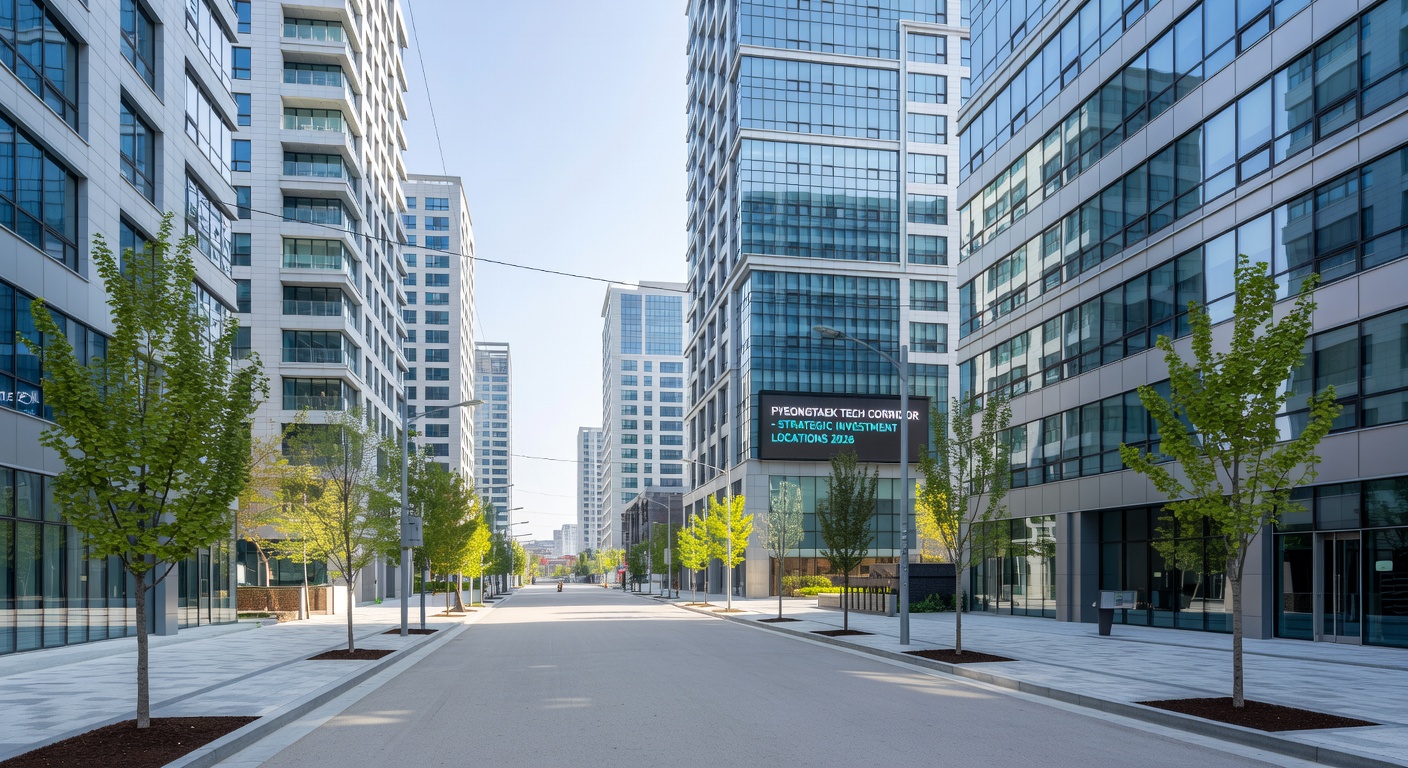
Instead, capital should be redirected toward emerging tech corridors and regional areas near major United States military installations, such as Pyeongtaek. These locations benefit from the stabilizing presence of the US-Korea security alliance, which remains a vital hedge given the necessity of a North Korea hardline stance in regional stability.
Furthermore, investors must actively monitor the latest March 2026 Financial Services Commission rulings, which outline impending bans on public guarantees from the Korea Housing Finance Corporation for foreign buyers. Ensuring your portfolio anticipates these changes will shield you from the direct impact of domestic ideological conflict on KOSPI-listed housing equities. Official regulatory updates should be sourced directly from the Financial Services Commission Portal and the U.S. Embassy and Consulate in Korea.
| Strategy Component | Recommended Action in 2026 | Avoided Action in 2026 |
|---|---|---|
| Target Geography | Pyeongtaek, Emerging Tech Hubs outside Seoul | Gangnam, Seocho, Songpa (Speculative Zones) |
| Financing Method | Cash-heavy purchase or 40% DSR standard mortgage | Gap investing utilizing maximum Jeonse deposits |
| Banking Approach | Utilize dedicated Expat Desks (KB Kookmin, Shinhan) | Relying on local branch tellers without foreign protocol |
| Documentation | Fully apostilled global income tax records | Incomplete or unverified offshore income statements |
Supplemental Context: Strategic Relocation
The tactical shift from central Seoul to peripheral hubs like Pyeongtaek is not merely a matter of finding cheaper real estate; it is a vital regulatory survival strategy. Pyeongtaek hosts Camp Humphreys, the largest overseas United States military base, creating an insulated micro-economy heavily supported by the US-Korea security alliance.
Properties in this region frequently command reliable monthly rent from military personnel and defense contractors, entirely bypassing the highly regulated domestic jeonse system. Consequently, foreign investors can generate predictable, dollar-denominated or dollar-equivalent yields without triggering the draconian speculative zone penalties applied in Seoul.
Market reforms advocate that this type of targeted investing allows foreign capital to flow efficiently, rewarding investors who conduct proper due diligence. Proper banking preparation remains the lynchpin of this strategy; without meticulously verified offshore income, even investments in deregulated zones will fail at the underwriting desk.
5. Expert Analysis
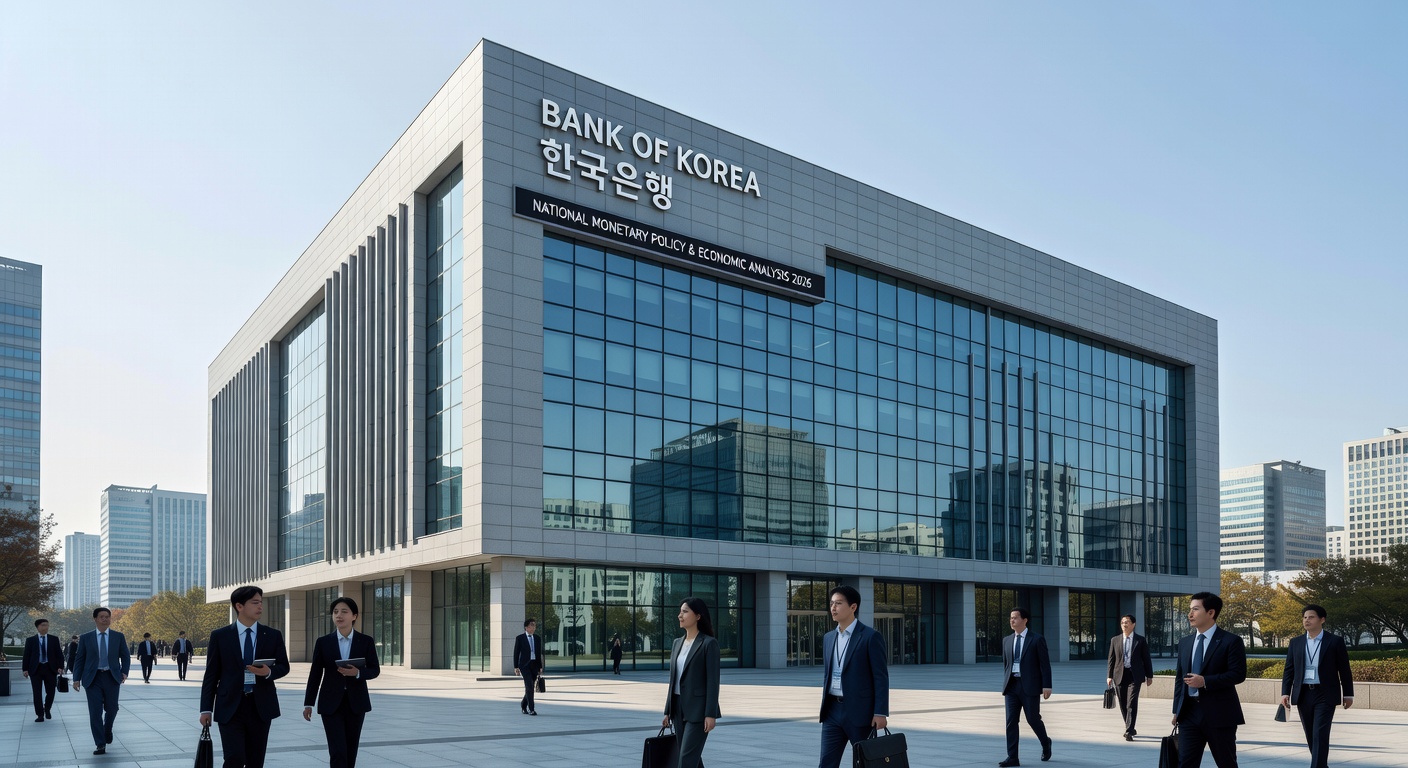
A definitive South Korea political risk assessment for investors must incorporate the stark warnings issued by macroeconomic experts regarding the 2026 landscape. Bank of Korea 2026 data reflects a strict government prioritization of household debt reduction over free-market liberalization, fundamentally altering the baseline for property acquisitions.
While domestic populist policies view these stringent strictures as an absolute necessity for housing stabilization, international financial analysts strongly disagree. Global experts warn that these policies artificially inflate the geopolitical risk premium South Korea 2026 by actively locking out top-tier global talent and institutional capital. As noted in recent comprehensive research materials:
“Current measures expand restrictions to non-resident single homeowners, aiming to curb speculation by limiting public guarantees and intensifying scrutiny, directly contradicting any hopes for an LTV raise to 70-80%.”
Leading conservative voices from outlets like Dong-A Ilbo emphasize that using the tax code as a punitive weapon against perceived speculators severely distorts market fundamentals. This ideological approach prevents natural price discovery and punishes legitimate expatriate professionals seeking long-term integration into the local economy.
Without urgent market reforms, the real estate sector will continue to suffer from constrained liquidity and reduced foreign participation. To review the underlying economic statistics driving this expert consensus, investors should consult the Bank of Korea Economic Statistics System, while monitoring evolving regulatory frameworks through the Financial Services Commission.
| Stakeholder Group | Primary Perspective on 2026 Regulations | Economic Impact Assessment |
|---|---|---|
| Current Administration | Necessary tool for populist housing stabilization | Curbs household debt and domestic speculation |
| Conservative Media | Punitive overreach destroying economic freedom | Distorts supply, penalizes legitimate homeowners |
| Foreign Investors | Unpredictable and hostile capital environment | Inflates geopolitical risk, suppresses FDI |
Supplemental Context: The Philosophy of Market Distortion
The philosophical divide between the current administration and conservative economic analysts centers on the definition of a healthy property market. Government policymakers argue that high household debt, largely fueled by real estate leverage, poses an existential systemic threat requiring aggressive intervention.
Conversely, conservative analysts and market-friendly experts assert that heavy-handed taxation and LTV suppression actually exacerbate market volatility. When transaction taxes and holding taxes are simultaneously elevated, property owners are incentivized to hoard real estate or pass the punitive costs directly onto tenants via higher rents.
This phenomenon creates a deeply inefficient market where supply is artificially restricted by regulatory fear rather than actual scarcity. For the international investor, this means operating in a market defined by artificial bottlenecks rather than organic supply and demand. Recognizing this fundamental distortion is critical for accurately pricing risk and projecting long-term asset appreciation.

6. Conclusion & Next Steps
The 2026 South Korean property market for non-residents is undeniably heavily defined by strict regulatory hurdles and populist interventions. Any accurate South Korea political risk assessment for investors concludes that navigating this environment demands significantly larger capital reserves, comprehensive income documentation, and rigorous compliance from all international buyers.
The days of highly leveraged gap investing for foreigners are definitively over, replaced by an era requiring meticulous due diligence and strategic geographic targeting. Investors must protect their portfolios by pivoting away from heavily penalized speculative zones and focusing on areas supported by the US-Korea security infrastructure.
To maintain a competitive edge, we strongly encourage readers to explore our related internal resources, including “Navigating 2026 Corporate Tax Reforms for US Businesses,” “The Future of the US-Korea Alliance in a Volatile Regulatory Environment,” and “Understanding Korean Debt Service Ratio Caps for Expats.” Adapting to these severe market reforms requires constant vigilance and access to premium intelligence. We urge all international readers to subscribe to our weekly global investor newsletter. Subscribers receive real-time updates on Financial Services Commission announcements, changing tax liabilities, and tailored regulatory survival strategies specific to the Asian real estate market.
Supplemental Context: Institutional Preparation for Individuals
Surviving and thriving in the 2026 South Korean real estate market ultimately requires an institutional level of preparation, even for individual foreign investors. The intersection of domestic populist politics and global capital flows has created a highly complex regulatory web. While the immediate outlook appears restrictive, opportunities still exist for those willing to adapt to the new rules of engagement.
By aligning investments with broader geopolitical realities—such as the enduring presence of allied military infrastructure—and maintaining flawless financial documentation, international buyers can still secure valuable assets. Staying informed through our continuous coverage ensures you remain ahead of the curve, transforming regulatory knowledge into a definitive competitive advantage.
Official Resource List
- Financial Services Commission English Portal
- Bank of Korea Economic Statistics System
- American Chamber of Commerce in Korea
- International Monetary Fund – South Korea Profile
- The Chosun Ilbo English Edition
- The Korea Herald
- U.S. Embassy and Consulate in Korea
- FSC Specific Regulatory Announcements
7. Frequently Asked Questions (FAQ)
Q: What are the new jeonse loan limits for foreign buyers in 2026?
A: Under the March 2026 guidelines, jeonse loans are strictly capped at 200 million won in Seoul and surrounding metropolitan areas for specific financial products, heavily restricting traditional gap investing for non-residents.
Q: Why are speculative zones expanding in Seoul, and how does it affect expats?
A: Driven by populist domestic policies, speculative zones are expanding to curb perceived foreign speculation. This directly impacts expats by suppressing Loan-to-Value limits below 40% and completely blocking loan extensions for non-resident single homeowners.
Q: How can international investors adapt to these property market changes?
A: Investors must strictly document all offshore income to satisfy strict DSR limits and establish relationships with dedicated expat banking desks. Furthermore, redirecting investments away from Seoul toward areas supported by the US-Korea security alliance, like Pyeongtaek, is highly recommended.