




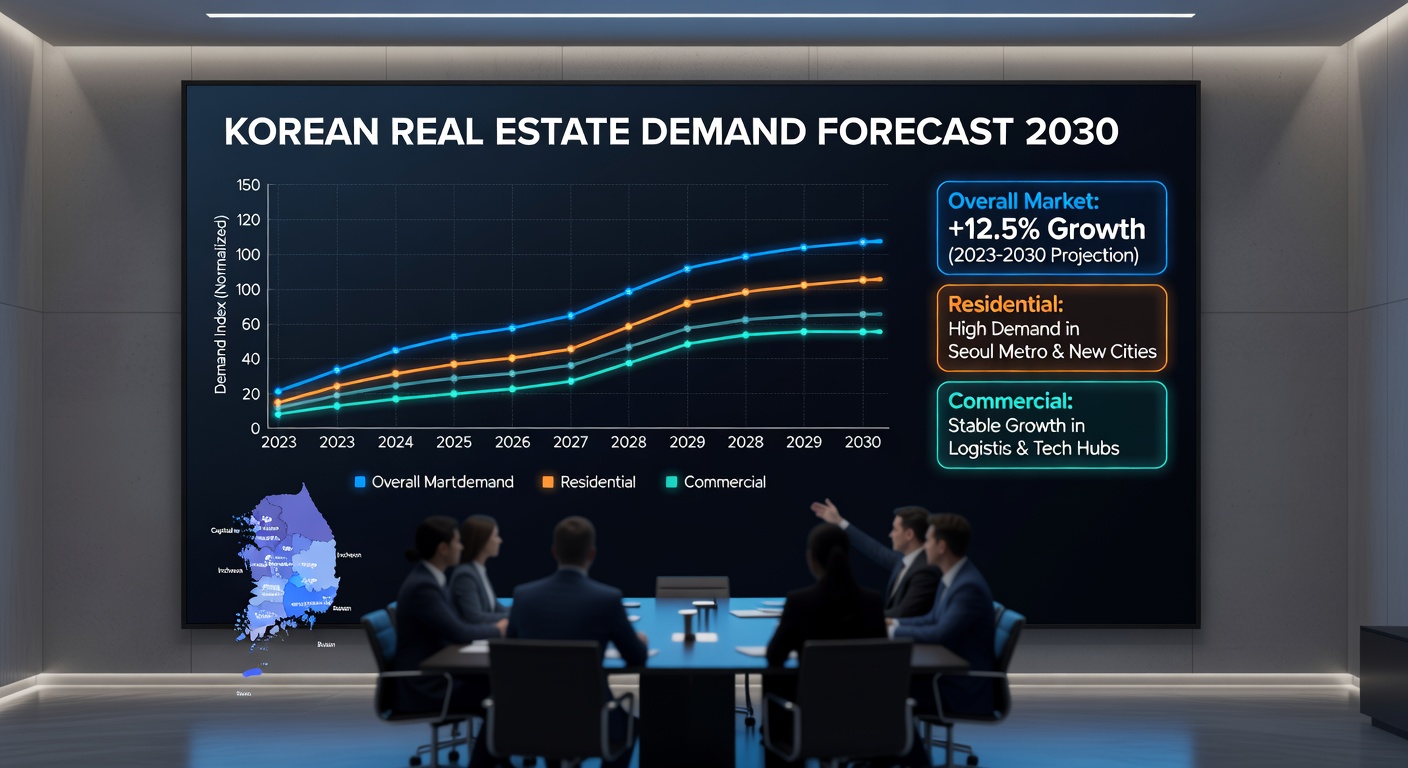
Korean Real Estate Demand Forecast 2030
Key Summary: The Korean real estate demand forecast 2030 underscores an urgent structural shift driven by the nation’s 0.74 fertility rate and super-aged transition. Global investors are strongly advised to pivot from traditional family-centric residential housing to automated eldercare hubs, advanced medical infrastructure, and specialized commercial real estate. By strategically leveraging the newly expanded F-class permanent residency visas and engaging in free-market joint ventures, international stakeholders can successfully mitigate demographic risks and secure highly lucrative long-term portfolios in South Korea.
Table of Contents
- 1. Introduction
- 2. Current Situation
- 3. Global Implications
- 4. Actionable Insights
- 5. Expert Analysis
- 6. Conclusion & Next Steps
- 7. Frequently Asked Questions (FAQ)
1. Introduction
The Korean real estate demand forecast 2030 has become a critical benchmark for global investors assessing how the nation’s plummeting 2026 fertility rate of 0.74 and newly declared “super-aged” status will fundamentally reshape asset valuations.
Addressed directly in the current market climate, the Korean real estate demand forecast 2030 provides the essential roadmap for international stakeholders to navigate long-term investment risks associated with an unprecedented demographic transition. South Korea is changing faster than any other developed nation. Following the historic snap election on June 3, 2025, which brought President Lee Jae-myung of the Democratic Party to power after months of political turmoil, foreign investors are closely watching the administration’s market policies.
While the current government focuses heavily on social safety nets and wealth distribution, conservative analysts stress the immediate need for Korean economic freedom and deregulation to keep foreign capital inside the country. Without strong market reforms, experts warn that heavy real estate taxation could drive international business away. By 2030, the traditional housing market will look entirely different. Investors who understand these changes can find safe and highly profitable places to put their money. This guide explains exactly what international readers need to know right now to protect their portfolios and take advantage of new trends.
Key Takeaways Preview
| Key Trend | Market Impact | Strategic Investor Response |
|---|---|---|
| South Korea population decline economic impact | The shrinking workforce and rising elderly population will lower traditional residential market yields. | Shift capital away from standard family apartments and into commercial or elder-care real estate assets. |
| Seoul urban development projects 2026 | The government is officially pivoting urban planning toward advanced healthcare infrastructure and automated senior living. | Target joint ventures in high-density, automated eldercare hubs and medical-tech facility zones inside the capital. |
| Expanded Visa Frameworks | New fast-tracked immigration systems are being used to attract foreign wealth to plug massive demographic labor gaps. | Leverage new F-class permanent residency visas by injecting capital into designated healthcare and infrastructure funds. |
Supplemental Explanation: The political and economic landscape of early 2026 requires global investors to pay extremely close attention to regulatory shifts in Seoul. Following the dramatic presidential transition in mid-2025, the new Democratic administration has proposed several state-led housing initiatives to combat the demographic cliff. However, leading conservative voices firmly argue that state control and heavy tax burdens on multiple-home owners will only worsen the housing supply shortage.
From a global perspective, international analysts agree with the conservative view that market-driven solutions and deregulation are the only ways to attract much-needed foreign investment. The tension between the government’s welfare goals and the market’s demand for Korean economic freedom creates a unique environment. Investors who carefully navigate these policy debates will find highly lucrative opportunities in sectors that both political sides agree on, such as advanced medical infrastructure and senior-assisted living facilities.
Research sources: Morgan Stanley Demographic Analysis, Aging of South Korea Context.
2. Current Situation
The current market is defined by two major concepts that all foreign investors must understand. The “Demographic Shift” and the resulting “Silver Tsunami” represent the inversion of the demographic pyramid, where the working-age taxpayer base shrinks while dependent retirees surge. This massive shift forces a permanent structural change to the aging population South Korea housing market.
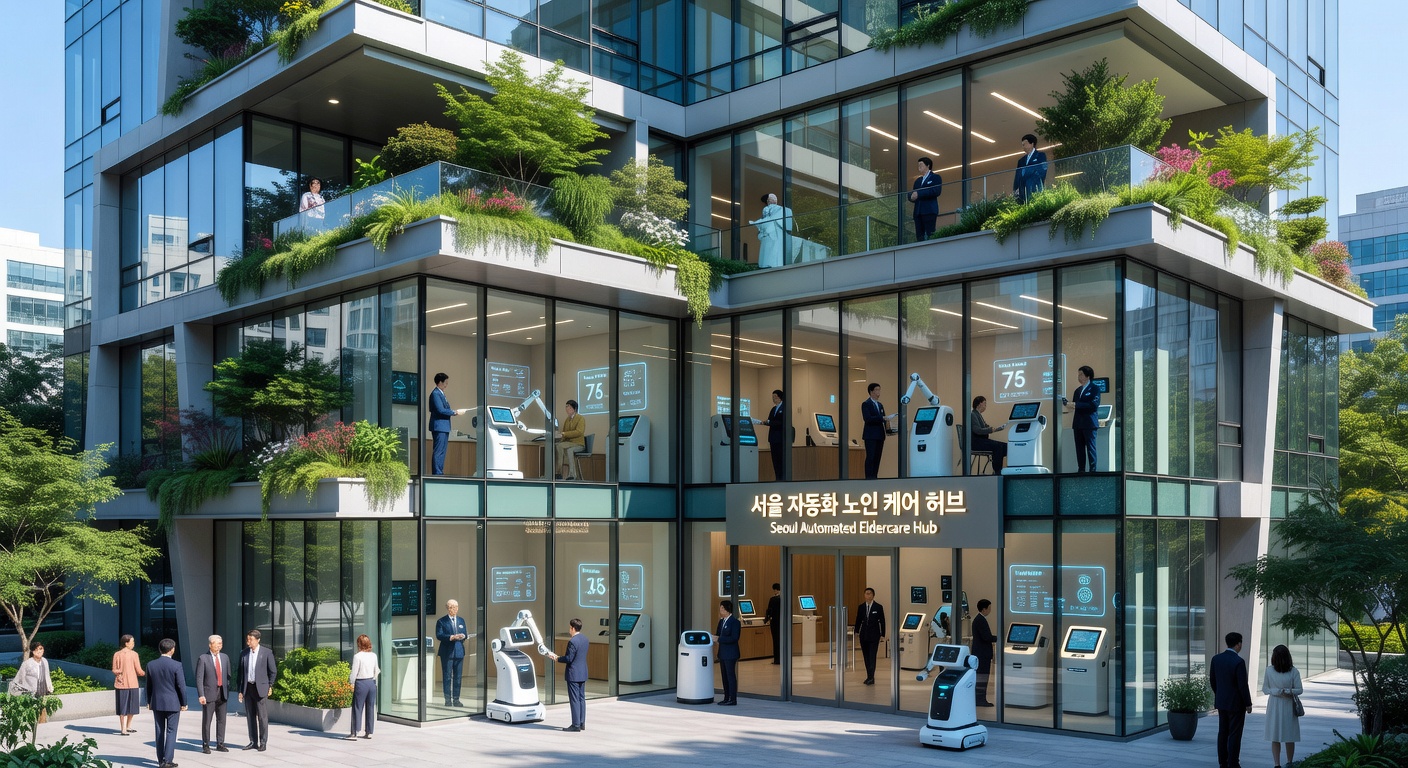
Leading 2026 data points from the Bank of Korea and the OECD warn that population shrinkage will cap potential economic growth below 2.0% for the foreseeable future. This direct economic threat has prompted local authorities to completely overhaul Seoul urban development projects 2026. Instead of building traditional family-centric housing, the city is now actively converting empty school zones and suburban plots into high-density, automated eldercare hubs to mitigate the South Korea population decline economic impact.
However, the approach to solving this crisis remains highly debated. While the Lee administration pushes for publicly funded senior housing, conservative media outlets like Chosun Ilbo strongly advocate for private sector incentives. Conservatives argue that true market resilience can only be achieved by removing red tape and letting private international developers build profitable, high-tech senior communities.
Traditional Market vs. Aging Population Market
| Market Feature | Traditional Family Housing (Past) | Aging Population Housing (2026 & Beyond) |
|---|---|---|
| Target Demographic | Young married couples with children | Single elderly citizens and foreign workers |
| Primary Location | Large suburban commuter towns | High-density urban centers near major hospitals |
| Core Amenities | Playgrounds, schools, and tutoring centers | Automated health monitors, robot assistance, and clinics |
| Conservative Viewpoint | Supported by cheap government mortgages | Needs private investment and strong market reforms to thrive |
| Investment Risk | Very high risk due to the 0.74 fertility rate | Low risk due to guaranteed rapid growth in the senior sector |
Supplemental Explanation: Understanding the severity of the 2026 demographic data is critical for any serious financial analysis. The national fertility rate remains stuck at a historic low of 0.74, meaning that the domestic consumer base is physically disappearing. This creates a dangerous scenario for traditional real estate developers who rely on a steady pipeline of young families upgrading to larger homes.
To visually picture this crisis, imagine a dual-axis line chart where the blue line represents the crashing birth rate, and the red line shows the skyrocketing percentage of citizens over the age of 65 crossing the 20% “super-aged” threshold. Alongside this, an infographic map of Seoul would show dozens of former elementary schools now rezoned for commercial elder-care use.
Conservative economists emphasize that the current administration must abandon outdated socialist housing models and instead embrace free-market principles to solve this crisis. They argue that protecting property rights and lowering corporate taxes will naturally encourage global developers to solve the housing mismatch.
Research URLs: CNBC Birth Rate Analysis, MDPI Demographic Research.
3. Global Implications
A shrinking domestic consumer base will permanently alter the Korean real estate demand forecast 2030, presenting localized property devaluation risks for standard apartments. However, this same crisis opens lucrative avenues in private healthcare facilities, robotics integration, and senior-assisted living complexes.
Global readers must understand how this situation compares to other mature economies. Unlike Japan’s gradual aging trajectory or the steady immigration offsets utilized by the United States and the European Union, South Korea’s rapid demographic collapse is a sudden shock. This emergency is forcing the implementation of highly aggressive South Korea immigration policies for foreign investors to artificially plug the massive labor and capital gaps. For international businesses and expats, this represents a golden window of opportunity.
Unprepared institutional investors face the severe South Korea population decline economic impact through depreciating residential portfolios and a shrinking tenant pool. This requires immediate diversification away from suburban real estate development. Furthermore, strong US-Korea security ties remain essential to maintaining market confidence. Conservative voices like Dong-A Ilbo frequently highlight that maintaining a robust military and economic alliance with the United States provides the geopolitical stability necessary to attract foreign real estate buyers despite regional threats.
Global Demographic Policy Comparison
| Country / Region | Demographic Aging Speed | Primary Economic Strategy | Impact on Foreign Real Estate Investors |
|---|---|---|---|
| South Korea | Extremely Fast (Super-Aged in 2026) | Sudden visa expansion, healthcare pivot | High opportunity in medical real estate and senior living funds |
| Japan | Gradual (Aged over three decades) | Slow structural adaptation, local taxes | Steady but low-yield rural opportunities, stagnant urban growth |
| United States | Moderate | High immigration offsets aging | High demand for traditional housing, focus on suburban sprawl |
| European Union | Fast | Welfare state expansion, regional visas | Mixed opportunities heavily dependent on local country taxes |
Supplemental Explanation: The global implications of South Korea’s demographic crisis extend far beyond simple housing statistics. For international investors, the biggest risk is holding onto assets that no longer serve the changing population. The new administration has tried to manage this by increasing welfare budgets, but conservative analysts strongly warn that such policies historically lead to massive national debt.
Instead, conservatives push for policies that promote Korean economic freedom, arguing that making South Korea a regional free-trade haven is the best way to offset the shrinking workforce. This means creating tax-free zones for foreign medical and tech companies. Additionally, the role of US-Korea security cannot be ignored. A strong defense posture reassures global markets that South Korea remains a safe place to park capital, even as its internal demographics shift. Foreigners looking to invest must balance the domestic political push for wealth distribution against the conservative demand for open, business-friendly borders.
Source citations: Newsweek Demographic Data, TIME Immigration and Investment Analysis.

4. Actionable Insights
Institutional buyers and expat investors must recalibrate their long-term portfolios right now to prioritize commercial real estate. Specifically, global readers should target zoning frameworks designed to support the aging population South Korea housing market rather than traditional multistory family units. The most important avoidance strategy is to stay away from greenfield residential developments in provincial areas entirely, as these towns face severe depopulation.
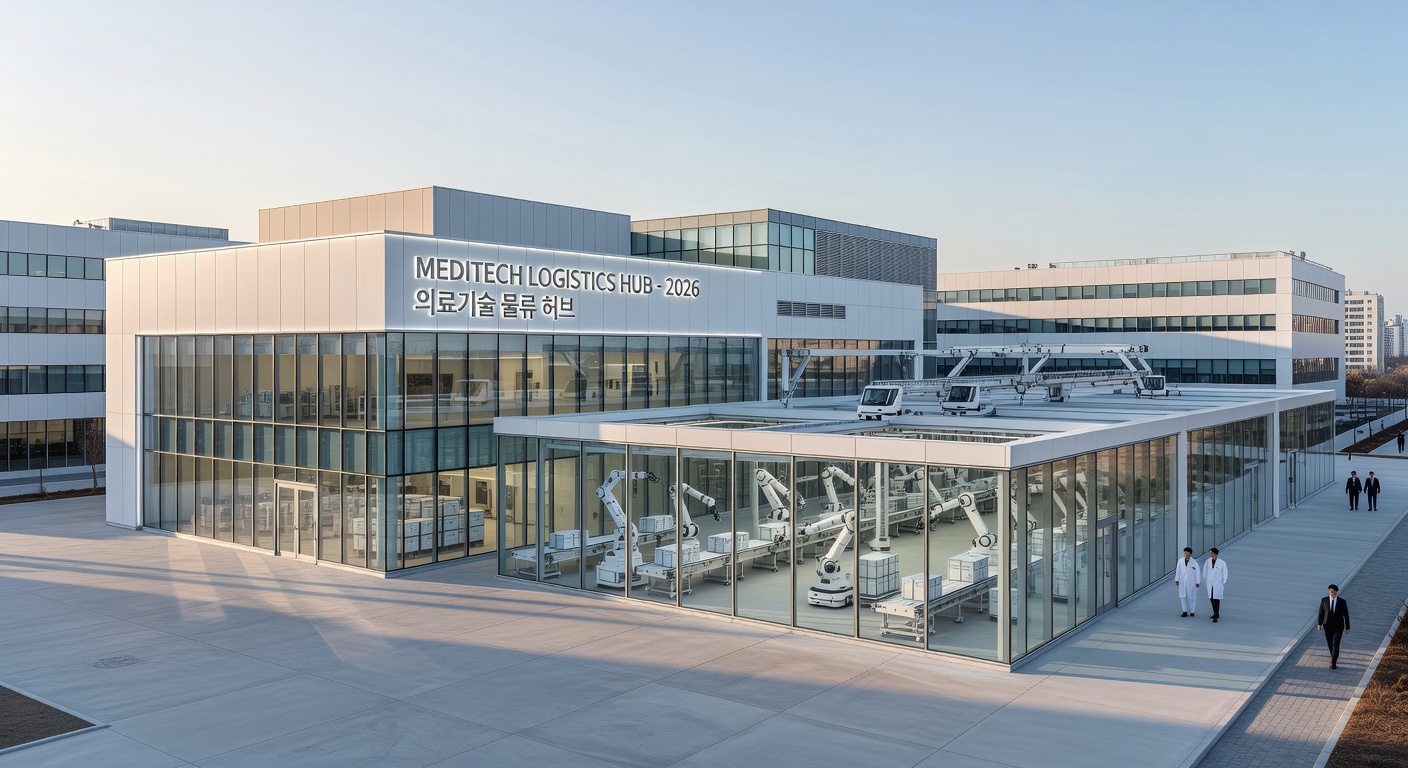
Instead, strictly target joint ventures in urban medical-technology facilities and automated logistics centers near major transportation hubs. Foreigners must also actively leverage the latest South Korea immigration policies for foreign investors. The government is currently taking advantage of fast-tracked F-class permanent residency visas newly offered to expats who inject capital into designated healthcare and elder-care infrastructure funds.
To do this, investors should utilize official practical resources like the Ministry of Justice’s 2026 Hi Korea immigration portal for F-5 investor visa requirements and the Invest KOREA real estate division guidelines. From a conservative perspective, business leaders are lobbying the government to further reduce corporate taxes for these foreign joint ventures, ensuring that international capital is treated fairly and efficiently.
Investor Do’s and Don’ts for 2026
| Investment Action | Highly Recommended (Do This) | Strongly Advised Against (Don’t Do This) |
|---|---|---|
| Asset Class Focus | Commercial healthcare, smart logistics, senior housing | Large suburban family apartments, rural retail shops |
| Geographic Target | Central Seoul, major transit hubs, hospital districts | Shrinking provincial cities, deep rural greenfields |
| Visa Strategy | Apply for fast-tracked F-5 investor visas via healthcare funds | Rely on short-term business visas without permanent status |
| Political Strategy | Partner with local private firms advocating for market reforms | Depend solely on government subsidies or public housing grants |
Supplemental Explanation: Taking immediate, actionable steps is crucial for anyone looking to profit from the Korean real estate demand forecast 2030. The window to buy cheap commercial land zoned for future medical use is rapidly closing as major corporations buy up prime real estate. Global readers should specifically look at the F-5 permanent residency visa program. By investing a set amount of US dollars into government-approved, privately managed real estate funds focused on elder care, expats can secure their long-term living status in the country.
Conservative economic think tanks strongly encourage foreign investors to bring their capital into South Korea now, arguing that the political opposition will eventually force the current Democratic administration to deregulate the market further. This expected wave of deregulation will massively benefit early investors who have already secured commercial properties. Always consult the official Ministry of Justice Hi Korea portal for the most accurate and up-to-date visa financial thresholds, as these numbers adjust frequently based on current currency exchange rates.
Practical resources: Hi Korea Immigration Portal, Invest KOREA Real Estate Guidelines.
5. Expert Analysis
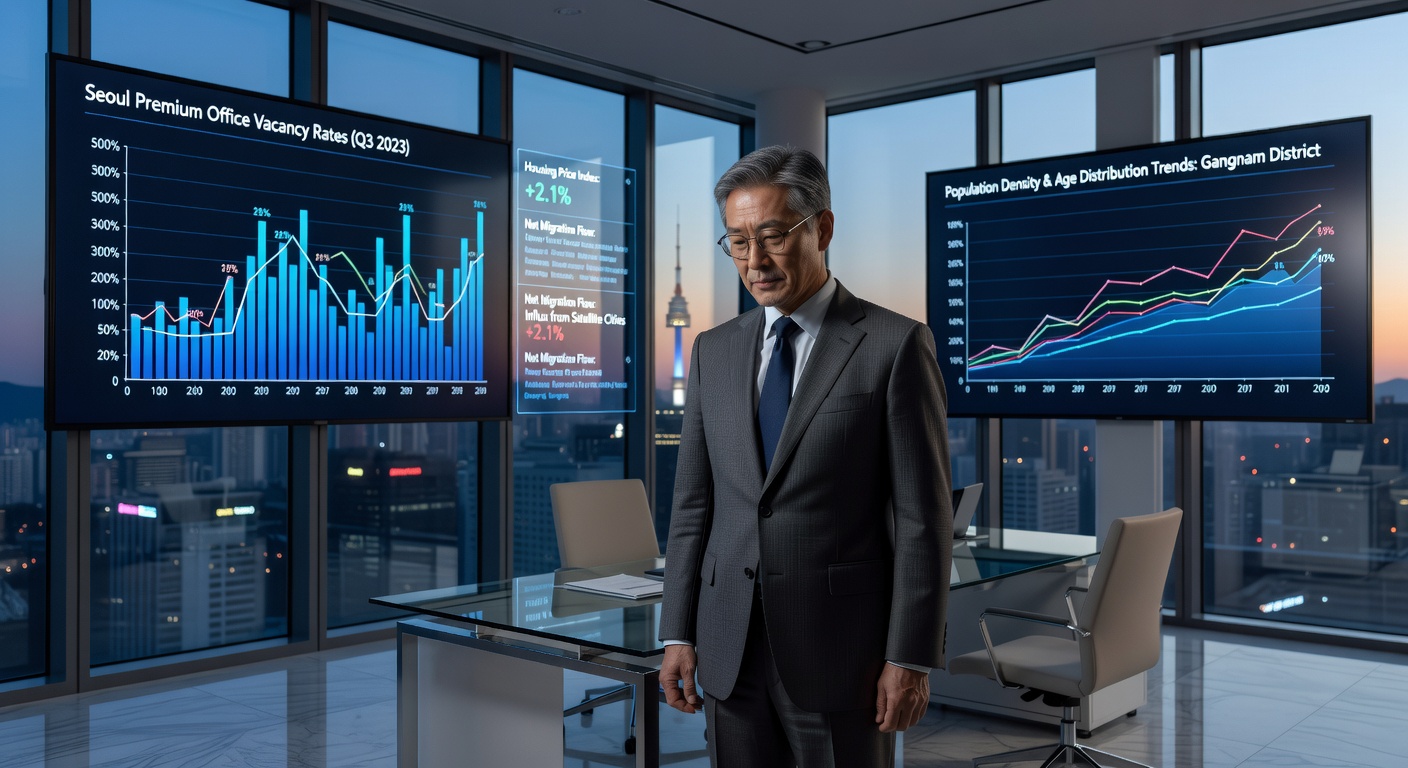
Leading 2026 data from the Bank of Korea explicitly warns that the ongoing demographic emergency guarantees prolonged negative economic growth post-2050. This dire economic reality fundamentally shifts the baseline data utilized in the Korean real estate demand forecast 2030.
“The current fertility rate constitutes a national emergency. If this trend continues, Korea faces an irreversible population crisis that threatens economic stability.”
– Bank of Korea Governor Rhee Chang-yong
While domestic policymakers in the current administration focus heavily on cash incentives to artificially boost birth rates, international political economists emphasize that such policies historically fail. Full market adaptation to the aging population South Korea housing market is the only empirically viable strategy. Conservative Korean analysts strongly echo this international perspective.
Major conservative newspapers like Chosun Ilbo and Dong-A Ilbo frequently publish editorials demanding aggressive market reforms, labor flexibility, and the absolute protection of private property rights. They argue that heavily taxing the rich to pay for baby bonuses will only cause a massive capital flight. Instead, the country must rely on free-market innovation to build the robotic and medical infrastructure needed for the future.
Official Forecasts vs. Real Market Impact
| Economic Indicator | 2026 Official Government Forecast | Real Market Reality (Conservative & Global View) |
|---|---|---|
| GDP Growth | Optimistic hopes of staying near 2.0% | Likely to dip lower without drastic free-market deregulation |
| Housing Demand | State-led housing will stabilize prices | Private sector innovation is needed to meet senior care demands |
| Birth Rate Policy | Cash bonuses will eventually encourage families | Cash incentives fail; the market must adapt to permanent low births |
| Foreign Investment | Desired, but tightly regulated by state rules | Must be freed from red tape to prevent massive capital flight |
Supplemental Explanation: The gap between the current government’s official optimism and the harsh reality of expert analysis is wide. Since taking power in mid-2025, President Lee Jae-myung has attempted to stabilize the economy through strong state intervention. However, experts from the IMF and the Bank of Korea point out that structural demographics cannot be fixed by printing money or offering basic subsidies.
Conservative critics offer a very different path forward. They propose that to save the South Korean economy, the government must adopt radical market reforms. This includes breaking the power of militant labor unions, slashing corporate tax rates, and allowing foreign real estate developers to build without restrictive price caps. For the global reader, this political battle is the most important factor to watch. If conservative forces succeed in pushing through market-friendly legislation in the national assembly, foreign real estate investments in commercial and healthcare sectors will see explosive, unrestricted growth leading up to 2030.
Source hyperlinks: Newsweek Demographic Data, Korea Times Demographic Cliff Analysis.
6. Conclusion & Next Steps
South Korea’s rapid evolution into a super-aged society forces an immediate pivot away from traditional residential investments. This demographic reality heavily rewards global stakeholders who align their capital with medical infrastructure, automated services, and senior-focused urban development. The Korean real estate demand forecast 2030 proves that the old ways of making money in suburban family housing are permanently over.
Investors must adapt to the new rules of the market. By balancing the current government’s infrastructure focus with the conservative push for Korean economic freedom, smart investors can safely navigate the complex political landscape. As the population ages, the demand for specialized, high-tech commercial real estate will only grow stronger. It is time for international buyers to take action, secure their investor visas, and buy into the future of automated elder care.
Explore Further Insights:
- Navigating Seoul’s 2026 Medical Infrastructure Boom
- Understanding F-Visa Requirements for Global Capital
- The Global Tech Race to Automate Elder Care
Call to Action:
Subscribe to our premium East Asian market intelligence newsletter today! Get monthly, English-language updates on regional demographic data, visa regulation shifts, and macroeconomic property forecasts delivered directly to your inbox. Stay ahead of the global market trends and protect your investments.
Updated Resource List:
- Morgan Stanley Demographic Outlook
- Bank of Korea English Press Releases
- Ministry of Economy and Finance Portal
- Invest KOREA Official Guidelines
Supplemental Explanation: In conclusion, the future of the South Korean real estate market belongs to those who look beyond traditional housing models. The combination of a shrinking workforce and a booming elderly population guarantees that healthcare real estate and automated logistics will be the most valuable assets of the next decade. As political debates continue between the left-leaning administration and the conservative opposition over market reforms and taxation, foreign investors hold a unique advantage.
By utilizing new immigration policies and focusing purely on demographic-driven commercial growth, expats and global funds can secure high yields. We highly encourage our global readers to continuously monitor both mainstream government data and conservative economic analysis to maintain a perfectly balanced, risk-adjusted portfolio in East Asia. Make sure to review our updated resource list regularly for the latest policy changes regarding property rights and foreign capital regulations.
7. Frequently Asked Questions (FAQ)
Q: What is the defining factor of the Korean real estate demand forecast 2030?
A: The primary driver is South Korea’s unprecedented demographic shift, highlighted by a plummeting fertility rate of 0.74 and its rapid transition into a super-aged society. This shift drastically diminishes traditional housing demand while skyrocketing the need for senior-focused and automated medical real estate.
Q: How does the South Korea population decline economic impact affect traditional investments?
A: A shrinking workforce and declining numbers of young families significantly increase the devaluation risk for standard multistory family apartments, particularly in suburban and provincial greenfield zones, making them highly vulnerable investments.
Q: Which real estate sectors should foreign investors target in Seoul?
A: Investors should actively pivot towards commercial healthcare infrastructure, high-density automated eldercare hubs, robotics integration centers, and smart logistics zones situated near major hospital districts and transportation networks.
Q: Can global investors secure long-term residency through real estate?
A: Yes. International buyers can take advantage of fast-tracked F-class permanent residency visas by injecting specified amounts of capital into government-designated, privately managed infrastructure and senior-care real estate funds.
Q: Why do experts highlight conservative market reforms as crucial?
A: Conservative economic policies promote crucial deregulation, lower corporate taxes, and strict property rights protection. These free-market principles are viewed by international analysts as absolutely necessary to prevent capital flight and sustainably attract the foreign investment needed to build future-proof infrastructure.