
US-South Korea Alliance: 2026 Transition
Key Summary: The 2026 US-South Korea alliance transition is defined by a massive 7.5% defense budget increase and a decisive pivot toward pragmatic, market-friendly diplomacy. For global investors, this creates urgent opportunities and challenges, requiring adaptation to rapid corporate deregulation, massive strategic technology investments, and a crucial realignment of critical mineral supply chains across the Indo-Pacific, Africa, and the Middle East.
Table of Contents
- 1. Introduction
- 2. Current Situation
- 3. Global Implications
- 4. Actionable Insights
- 5. Expert Analysis
- 6. Conclusion & Next Steps
- 7. Frequently Asked Questions (FAQ)
1. Introduction
Supplemental Explanation: Why This Matters Now
For international investors and expatriates, understanding South Korea in 2026 requires looking beyond basic headlines. The nation is actively changing how it works with the world. A new, practical approach to foreign policy is reshaping everything from defense spending to technology investments.
The Korean conservative viewpoint emphasizes that national security and market reforms must go hand-in-hand. This means strengthening military ties with America while cutting taxes and regulations at home. For global readers, these shifts offer massive opportunities. By tracking how Seoul balances its security needs with its desire for Korean economic freedom, foreign firms can better predict market movements. Our analysis breaks down these complex changes into clear, actionable steps for your 2026 portfolio.
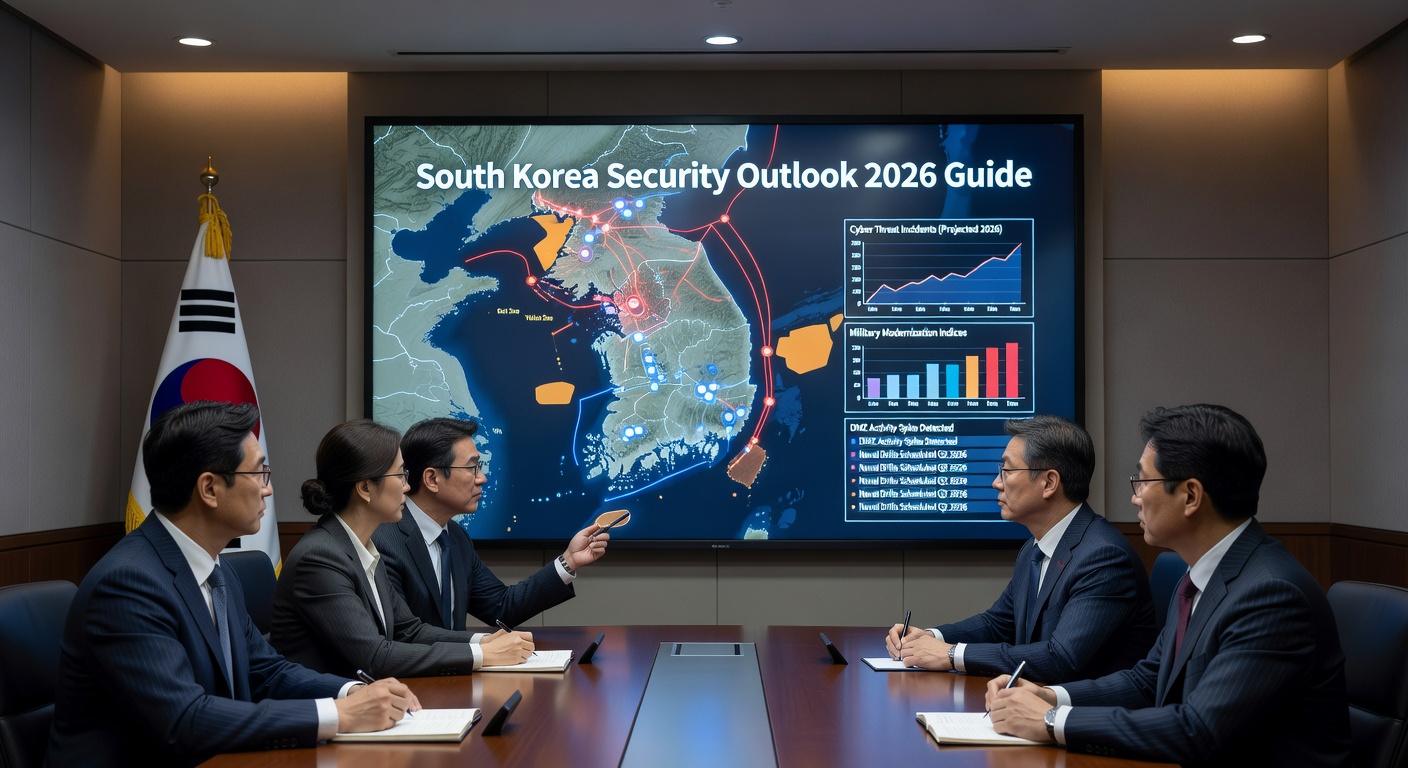
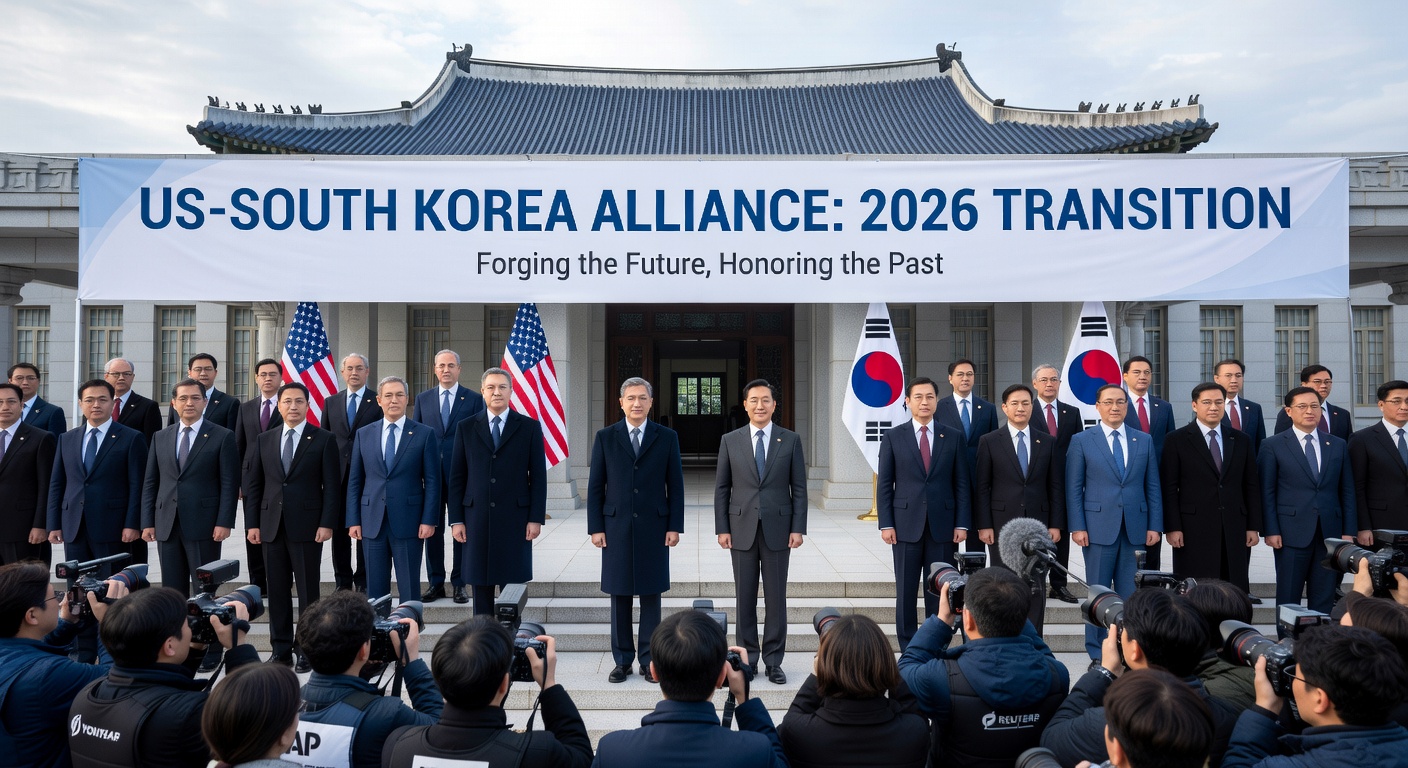
The US-South Korea alliance under political transition is currently the most critical factor for global markets assessing the stability of the Korean peninsula in 2026. With South Korea increasing its 2026 defense budget by a massive 7.5% to reach $44.8 billion amid a major leadership change, global stakeholders are rapidly reassessing their positions.
The new administration’s strong pivot toward pragmatic, market-friendly diplomacy directly alters defense contracting, foreign direct investment, and regional supply chain security. From a conservative perspective, this robust military spending is essential for US-Korea security and long-term market stability. Global stakeholders must closely monitor these rapid changes to protect their East Asian assets.
The definitive South Korea foreign policy shifts 2026 mandate a highly strategic approach to Indo-Pacific investments. Furthermore, the geopolitical consequences of Korean internal politics are swiftly reshaping the nation’s hardline stance on North Korea and its economic competition with China. Global observers are also signaling critical changes in legal and regulatory predictability for foreign firms, driven by pro-growth market reforms. To thrive in this new landscape, businesses must align their strategies with Seoul’s emerging priorities.
Table 1: Key Takeaways for Global Stakeholders in 2026
| Strategic Area | 2026 Shift / Reality | Impact on Global Investors |
|---|---|---|
| Defense & Security | 7.5% budget increase ($44.8B) to deter North Korea. | Boosts defense contracting; secures regional stability. |
| Foreign Policy | Pragmatic diplomacy favoring national economic interests. | Opens new supply chain routes in Africa and the Middle East. |
| Internal Politics | Push for corporate deregulation and market reforms. | Improves foreign shareholder rights but causes short-term volatility. |
Research Source: Institute for the Study of War: Korean Peninsula Update 2026

2. Current Situation
Supplemental Explanation: The Pivot to Pragmatism
South Korea is no longer simply following old diplomatic playbooks. In 2026, “pragmatic diplomacy” means putting the nation’s economic and security interests first. The government is actively cutting traditional aid programs and redirecting those funds to secure critical technology and minerals.
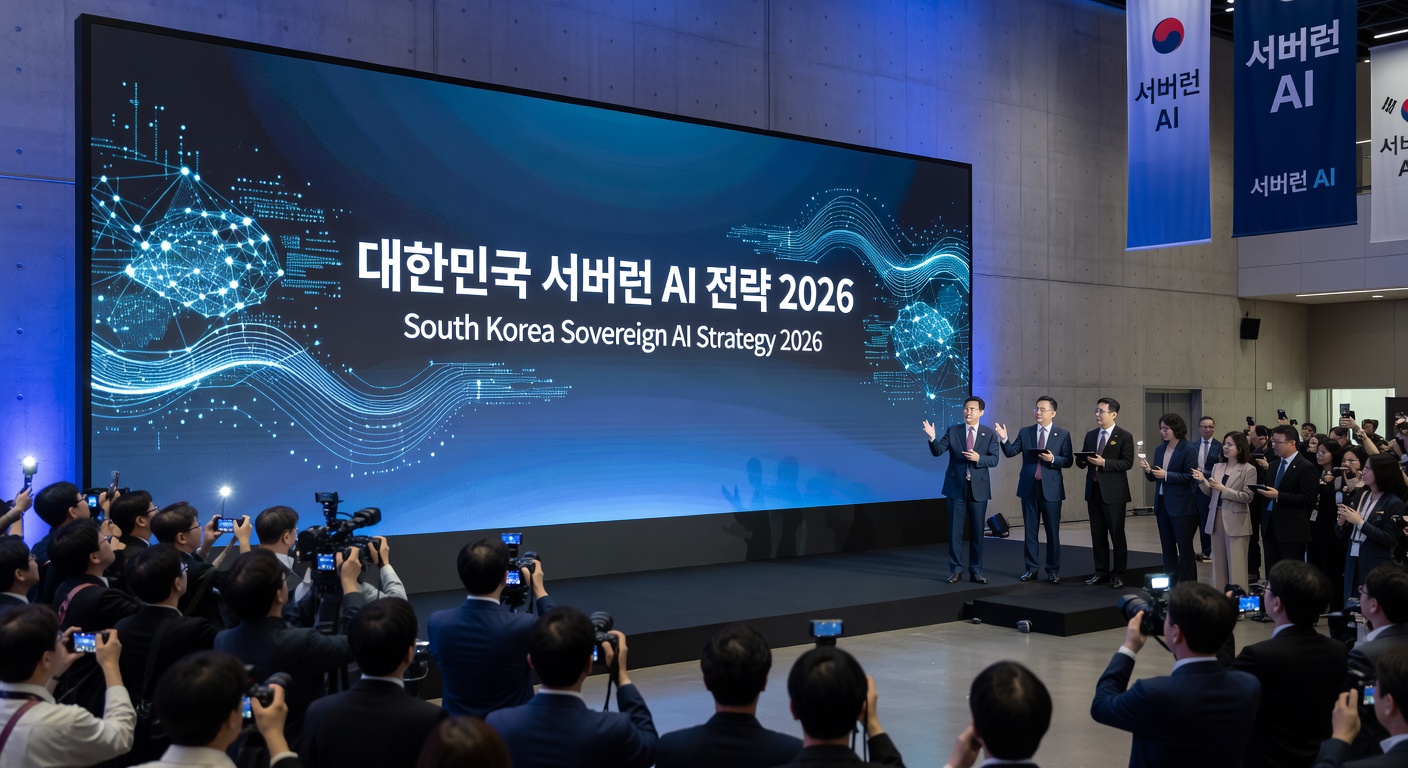
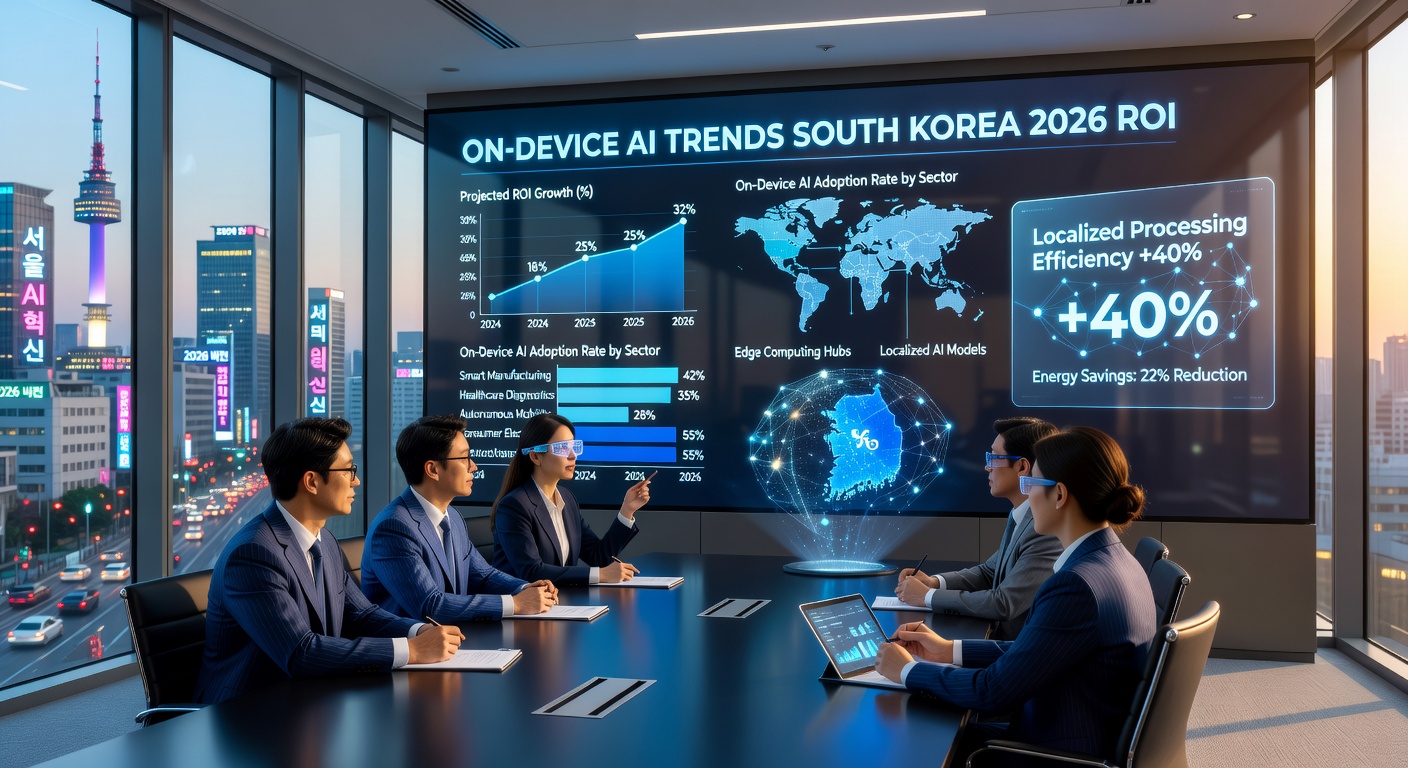
Furthermore, Seoul is investing heavily in the future. The government recently committed 8.6 trillion won ($6.5 billion) to strategic technology, including a major push for Artificial Intelligence. By funding 30 flagship AI projects, the administration aims to boost corporate efficiency and cement its role as a global tech leader. For foreign investors, this creates a clear roadmap: follow the government’s money into tech, defense, and new global supply chains.
To fully grasp the South Korea foreign policy shifts 2026, global readers must first understand the core concept of “pragmatic diplomacy.” This represents the new administration’s official shift away from rigid ideological bloc politics. Instead, the focus is strictly on national interest-based economic security.
Korean conservative analysts strongly support this move, arguing that true Korean economic freedom requires securing advanced technology and trade sectors without being tied down by outdated diplomatic traditions. This practical approach allows South Korea to aggressively pursue strategic growth while maintaining its vital security alliances.
The latest 2026 data clearly illustrates this shift in spending. There is a notable 22.2% cut in traditional Official Development Assistance (ODA) budgets. These funds have been redirected, resulting in a doubling of financial resources for diplomatic expansion into Africa and the Middle East. This move is designed to secure critical minerals required for South Korea’s massive technology manufacturing sector.
Alongside this global outreach, domestic tech spending is surging. The government has committed 8.6 trillion won for strategic technology development in 2026, including 2.4 trillion won specifically for AI adoption. The National Growth Fund is also deploying over 30 trillion won, with major allocations for AI and semiconductors, proving that pro-market growth is the top domestic priority.
Meanwhile, the US-South Korea alliance under political transition is increasingly defined by Washington’s demand for shared responsibility. This dynamic is accelerating Seoul’s push for strategic autonomy. A major milestone is the impending transfer of wartime operational control (OPCON), targeted for April 2026. Conservative voices in Seoul view this not as a weakening of the alliance, but as an essential step toward a stronger, self-reliant defense posture that commands international respect.
Visual Recommendation: An interactive digital map correlating the recent shifts in the South Korea governance ranking and legal integrity with the newly announced 24-hour foreign exchange trading policies. The map should highlight investment hotspots in Seoul and connect them to new supply chain routes in Africa.
Table 2: South Korea’s 2026 Strategic Resource Allocation
| Sector | 2026 Budget / Policy Change | Conservative Market Viewpoint |
|---|---|---|
| Global Diplomacy | 22.2% ODA cut; funds doubled for Africa/Middle East. | Highly positive; secures raw materials for private sector tech manufacturing. |
| Technology & AI | 8.6 trillion won for strategic tech; 30 flagship AI projects. | Essential for global competitiveness against Chinese tech dominance. |
| Military & Alliance | OPCON transfer prep (April 2026); focus on shared burden. | Strengthens national sovereignty and upgrades US-Korea security partnership. |
Research Sources: The Diplomat: Pragmatic Diplomacy in Practice | East Asia Forum: South Korea Shifts to Minerals

3. Global Implications
Supplemental Explanation: Navigating New Market Rules
When a country changes its political direction, its economy feels the ripples immediately. The geopolitical consequences of Korean internal politics mean that South Korea is updating its laws to attract more global money. However, this transition is not always smooth.
While conservative leaders are pushing for strong shareholder protections and corporate tax cuts, new technology rules are also taking effect. The AI Basic Act of January 2026 introduces strict safety documentation and risk assessments for tech companies. Investors must balance the excitement of market-friendly reforms against the reality of these new compliance hurdles. Understanding this balance is the key to thriving in the Korean market.
For international investors, the geopolitical consequences of Korean internal politics mean that foreign policy is no longer anchored strictly to the US-Japan trilateral framework. South Korea is opening new, albeit complex, avenues for navigating the ongoing US-China trade tensions.
The conservative viewpoint heavily emphasizes that Seoul must deter North Korean aggression with overwhelming force, without completely destroying profitable Chinese economic partnerships. This delicate balancing act requires multinational corporations to possess a deep understanding of regional dynamics to avoid getting caught in geopolitical crossfire.
When comparing South Korea to regional peers like Japan and Taiwan, recent adjustments in the South Korea governance ranking and legal integrity metrics reveal an interesting picture. There are vast improvements in foreign shareholder protections, driven by the current administration’s push for market reforms.
However, these rankings also highlight persistent regulatory hurdles. For example, the new AI Basic Act, which took effect in January 2026, requires mandatory labeling of AI-generated content and strict risk assessments. While these rules ensure safety, they require foreign tech firms to implement rigorous and costly compliance strategies.
International observer views on Korean judicial independence emphasize a generally positive outlook. Civil liberties and property rights remain fundamentally secure, which is highly praised by pro-business conservative media. However, observers note that rapid legislative shifts aimed at domestic corporate reform can create localized volatility for foreign joint ventures. Multinational corporations face heightened risks as laws evolve quickly to keep pace with technological and economic demands. Adapting to this rapid legislative pace is mandatory for long-term success.
Table 3: Risk and Reward Assessment for Foreign Investors (2026)
| Market Factor | Global Investor Benefit | Potential Risk / Hurdle |
|---|---|---|
| Shareholder Rights | Improved protections under new market reforms. | Rapid legislative changes cause short-term legal volatility. |
| Tech Regulation | Clear legal frameworks (AI Basic Act 2026) establish safety. | High compliance costs for AI labeling and system documentation. |
| Geopolitics | Diversified supply chains outside of China. | Heightened risk of US-China crossfire affecting Korean exports. |
Source Citations: Freedom House South Korea Report | Lowy Institute Asia Power Index
4. Actionable Insights
Supplemental Explanation: Steps to Secure Your Investment
Knowledge is only powerful if you act on it. With South Korea fundamentally shifting its global economic strategy, investors need a new playbook. You cannot rely on the tactics that worked in 2020. The government is opening its currency markets and rewriting corporate laws to favor international business.
Furthermore, South Korea is actively looking for partners to help build infrastructure in developing nations. By taking specific, actionable steps—such as upgrading currency risk software or auditing supply chain vulnerabilities—foreign businesses can position themselves alongside the Korean government’s own strategic goals. This alignment is the safest way to ensure long-term profitability.
Global readers should immediately review their supply chain exposure to capitalize on the South Korea foreign policy shifts 2026. The most direct path to profitability is targeting sectors aligned with the government’s new emphasis on critical minerals.
Investors should actively seek partnerships with Korean manufacturing firms that are currently expanding into Africa and the Middle East. By utilizing the newly reformed Korea International Cooperation Agency (KOICA) frameworks for public-private partnerships, foreign businesses can secure government-backed supply routes. This perfectly aligns with the conservative agenda of expanding Korean economic freedom globally.
Investors must also implement robust legal hedging strategies right now. It is crucial to pay close attention to international observer views on Korean judicial independence, especially regarding the latest Commercial Act amendments. These amendments are explicitly designed to increase foreign shareholder rights and reduce corporate red tape.
However, because the legal environment is shifting rapidly, retaining local legal counsel with strong ties to conservative economic policymakers will provide a distinct advantage. Staying ahead of these legal changes ensures that investments remain secure.
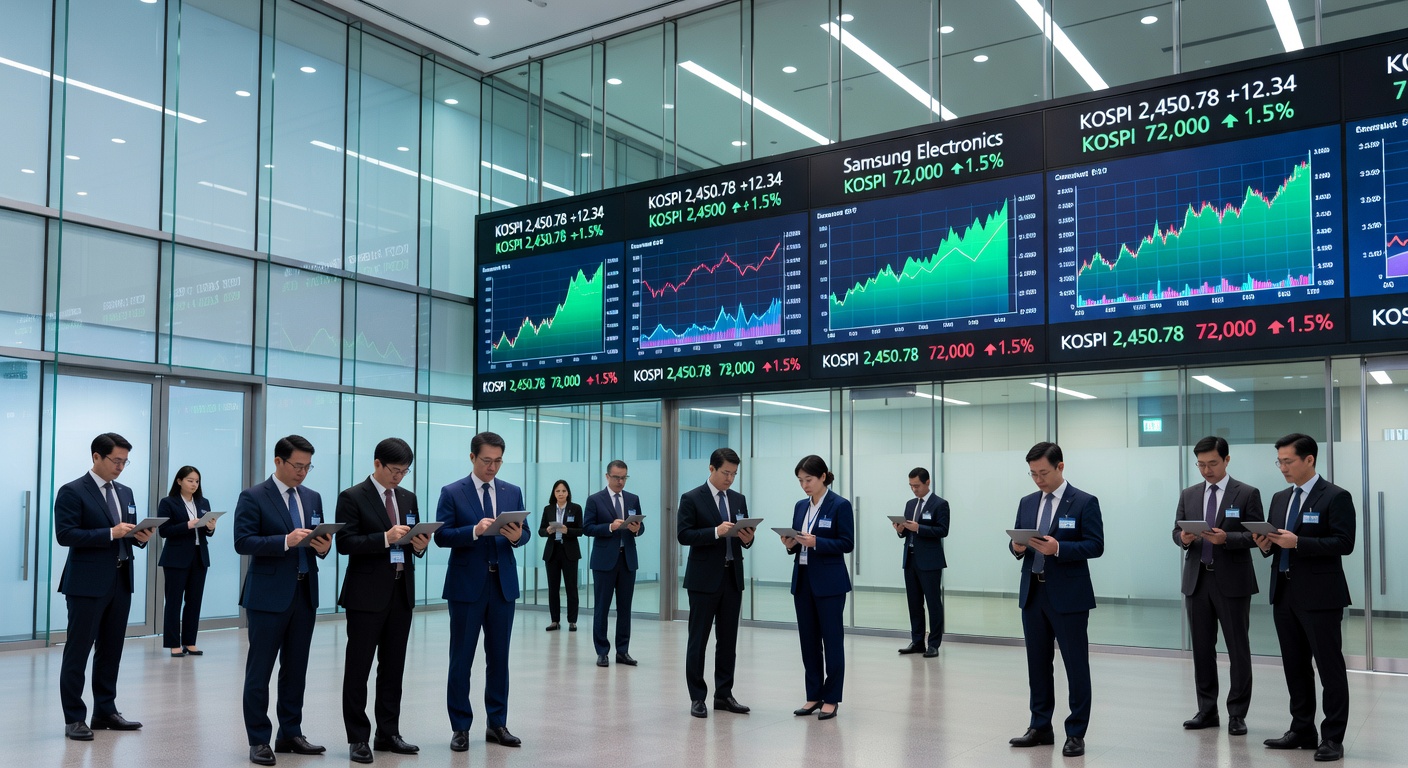
Finally, foreign enterprises should proactively leverage the upcoming changes to currency markets. The newly announced 24-hour trading availability for the Korean Won launches in July 2026. This is a monumental shift for international market access. Global finance teams must update their software and trading protocols now to optimize currency risk management and capital deployment. Furthermore, investors should closely monitor updates from the Ministry of Economy and Finance regarding South Korea’s transition to fully developed-market status.
Table 4: 2026 Action Plan for Global Enterprises in South Korea
| Action Item | Deadline | Strategic Rationale |
|---|---|---|
| Supply Chain Audit | Immediate | Align with government shift toward African/Middle Eastern mineral sourcing. |
| Legal Strategy Update | Q2 2026 | Capitalize on Commercial Act amendments expanding foreign shareholder rights. |
| Currency Protocol Upgrade | Pre-July 2026 | Prepare for the launch of 24-hour Korean Won trading to optimize capital. |
| Tech Compliance Review | Immediate | Ensure software meets the January 2026 AI Basic Act documentation rules. |

5. Expert Analysis
Supplemental Explanation: The Data Behind the Policy
Why is the current administration making these specific choices? The answer lies in domestic voter support and global defense metrics. South Korea possesses the 5th most powerful military in the world, which guarantees baseline security for all foreign investments.
Domestically, conservative leaders are pushing for capital gains tax cuts and housing market reforms. These policies are highly popular with the middle class, giving the government the political power it needs to pursue aggressive foreign trade policies. When the middle class is happy and the military is strong, the government has the freedom to act pragmatically on the world stage.
Official 2026 forecasts from the Lowy Institute Asia Power Index and the Global Firepower report confirm a critical truth for investors. Despite massive domestic political shifts, South Korea firmly maintains its position as the 5th most powerful conventional military globally.
This ranking ensures a baseline of sovereign security that is highly attractive to foreign direct investment. From a conservative perspective, this strong US-Korea security posture is the very foundation that allows the domestic economy to thrive. A secure border deters North Korean threats and gives international markets the confidence to inject capital into Seoul.
International analysts argue that the geopolitical consequences of Korean internal politics are currently highly favorable for pro-growth investors. Specifically, the domestic conservative push for housing reform and massive capital gains tax restructuring is reshaping the political landscape. These market reforms are effectively solidifying middle-class support for the administration’s broader economic autonomy agenda.
When domestic voters feel financially secure due to lower taxes, the government faces less resistance when negotiating complex international trade deals. This internal stability translates directly to a safer environment for global capital.
Ultimately, pragmatism, rather than ideological alignment, will remain the guiding logic shaping South Korea’s foreign policy choices in 2026. This highlights exactly why the South Korea governance ranking and legal integrity indicators will heavily dictate the pace of incoming foreign direct investment.
Conservative media outlets, such as the Chosun Ilbo, frequently emphasize that excessive government spending must be curtailed to protect the free market. As long as Seoul continues to prioritize economic freedom and regulatory predictability, it will remain a premier destination for global tech and defense investments.
Table 5: Key Metrics Shaping Expert Forecasts in 2026
| Metric / Indicator | Current 2026 Status | Impact on Investor Confidence |
|---|---|---|
| Global Military Power | Ranked 5th Worldwide. | Extremely High; guarantees sovereign security and deters regional threats. |
| Domestic Tax Policy | Pushing capital gains tax reductions. | High; boosts middle-class wealth and increases domestic stock market participation. |
| Tech Talent Pipeline | 1.4T won invested to train 11,000 AI specialists. | High; ensures a long-term skilled workforce for multinational tech firms. |
Source Hyperlinks: KEIA: US-South Korea Relations in 2026 | Chosun Ilbo English: Market Analysis 2026

6. Conclusion & Next Steps
The 2026 political transition in Seoul marks a definitive, long-term shift toward pragmatic, interest-driven diplomacy. This new era necessitates a highly adaptable strategy from global investors and alliance partners. By increasing defense spending, deregulating corporate environments, and actively seeking new supply chains for critical minerals, South Korea is prioritizing economic freedom and national security above all else.
The US-South Korea alliance under political transition remains incredibly strong, but it is evolving to demand more shared responsibility. For global readers, the message is clear: those who align with Seoul’s pro-growth, conservative market reforms will find massive opportunities in the Indo-Pacific.
Read our related analysis:
- Navigating Indo-Pacific Trade Agreements in 2026
- Defense Procurement Opportunities in East Asia
Call-to-Action for International Readers:
You must actively protect your East Asian assets today. Audit your current investment portfolios against Seoul’s newly released diplomatic and technological frameworks. Ensure your supply chains are insulated from US-China tensions by leveraging Korea’s new African mineral routes. Subscribe to our global geopolitical risk newsletter for real-time, actionable updates on Korean legislative reforms and market movements.
Updated Resource List for 2026:
- The Heritage Foundation Index of Economic Freedom 2026
- Freedom House South Korea Report
- The Latest US-Korea Business Council Advisory Notes

Frequently Asked Questions (FAQ)
Q: What is the most significant change in South Korea’s foreign policy in 2026?
A: The most significant shift is the move toward “pragmatic diplomacy.” The government is prioritizing its own national economic interests, significantly cutting traditional aid programs to redirect funds toward securing critical minerals and advanced technology supply chains in Africa and the Middle East.
Q: How is the US-South Korea alliance changing this year?
A: The alliance remains highly robust, backed by a 7.5% increase in South Korea’s defense budget. However, it is shifting toward greater shared responsibility, highlighted by the anticipated transfer of wartime operational control (OPCON) in April 2026, which aims to boost Seoul’s strategic defense autonomy.
Q: What should global tech investors be most cautious about regarding new regulations?
A: Investors must closely navigate the new AI Basic Act implemented in January 2026. While the administration is heavily pro-growth and reducing broad corporate red tape, this specific technology act introduces strict safety documentation, mandatory labeling, and high compliance costs for tech firms operating within the market.