US-South Korea Alliance Transition Guide
Key Summary: The March 2026 Special Act on Strategic Investment Management directly allocates up to $350 billion to U.S. strategic industries, aiming to secure South Korea’s export lines amidst deep global trade uncertainties. As domestic political transitions spark strict pro-labor reforms and tougher corporate governance laws, foreign investors must urgently reassess their strategies. Global firms are advised to navigate these domestic hurdles by prioritizing highly insulated, U.S.-aligned tech sectors while preparing for heightened regulatory scrutiny in local consumer markets.
Table of Contents
- 1. Introduction
- 2. Current Situation
- 3. Global Implications
- 4. Actionable Insights
- 5. Expert Analysis
- 6. Conclusion & Next Steps
- 7. Frequently Asked Questions (FAQ)
1. Introduction
Understanding the US-South Korea alliance under political transition is the top priority for foreign capital assessing Northeast Asian market stability as of March 29, 2026. Global investors are watching closely today.
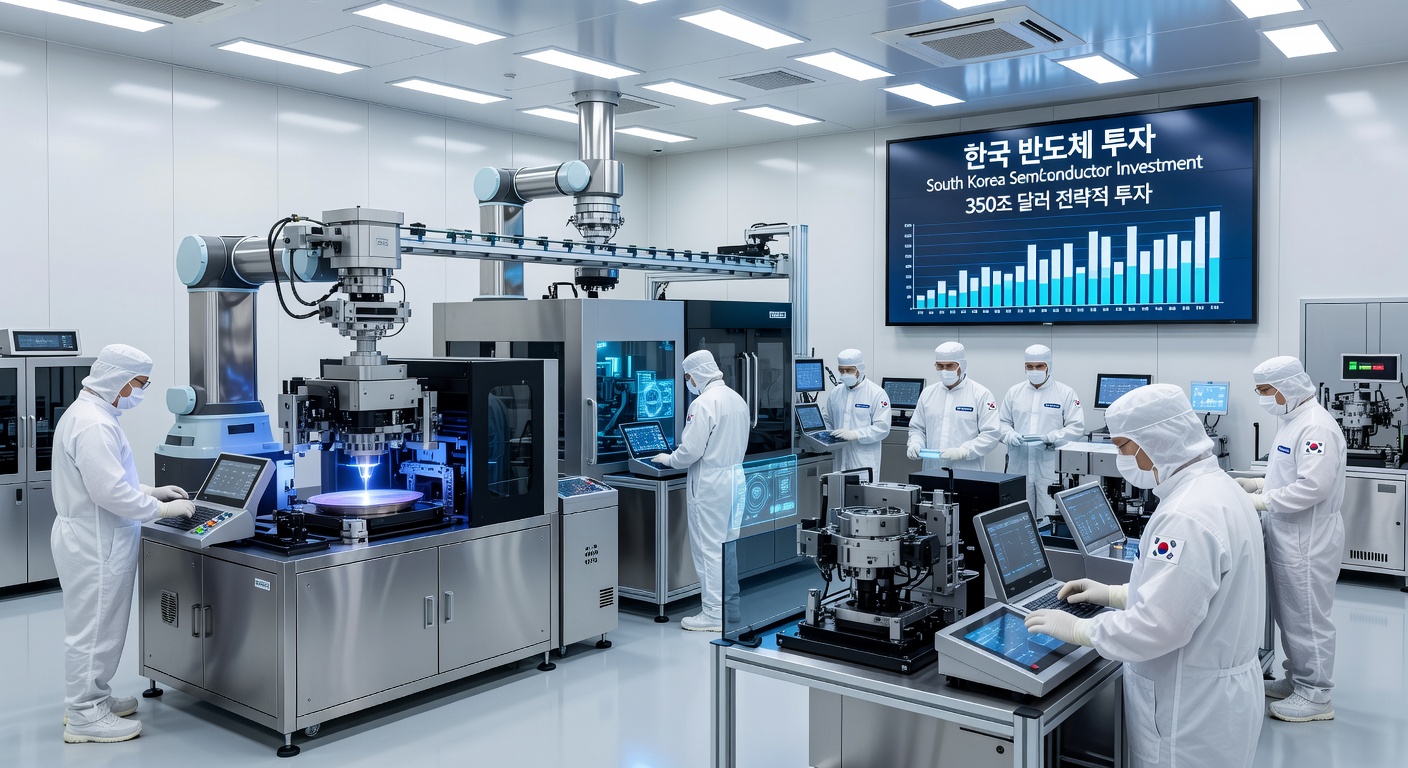
The recent passage of the Special Act on Strategic Investment Management on March 12, 2026, is a massive event. This new law emphasizes up to $350 billion in Korean investments directed at U.S. strategic industries. This money acts as a safety net against global trade uncertainties. It protects export lines and secures high-tech growth. Businesses must adjust to these new funding rules right away. The flow of international money is moving faster than ever before.
Analyzing the Lee Jae-myeong foreign policy stance reveals a critical tug-of-war. We see progressive domestic regulatory frameworks fighting against the strict necessity of maintaining robust, U.S.-aligned international trade partnerships. The current leadership wants tight controls on big business and stricter labor rules. However, global markets demand open trade and Korean economic freedom.
Consequently, the regional security impact of Korean domestic instability demands that multinational corporations and global analysts urgently reassess their 2026 operational risks and investment portfolios. If the domestic rules become too harsh, foreign money will leave quickly. South Korea must balance local demands with global market realities.
There are three key takeaways for readers regarding this shift:
- First, strategic supply chain realignments are happening right now in real time.
- Second, evolving corporate governance regulatory shifts, known widely as Chaebol reform, are changing the legal rules.
- Third, lucrative high-tech FDI opportunities exist amidst ongoing geopolitical tensions.
Conservative media voices, like the Chosun Ilbo, strongly argue for market-friendly policies. They stress that true economic freedom and a firm U.S. alliance are vital for national survival. They also demand a hardline stance against North Korea to protect market confidence and keep investors safe. You can explore more baseline data at the CSIS Korea Chair.
Table 1: 2026 Key Takeaways for Foreign Investors
| Investment Factor | Current 2026 Status | Investor Action Required | Expected Market Impact |
|---|---|---|---|
| Strategic Supply Chains | $350B moved to US tech/defense | Align portfolios with US-Korea goals | High stability in tech sectors |
| Corporate Governance | Strict Chaebol reform in effect | Audit board structures for compliance | Slower joint venture approvals |
| High-Tech FDI | Open and highly encouraged | Target semiconductors & shipbuilding | Strong financial returns |
| Domestic Regulations | Tighter labor laws expanding | Reassess local operating budgets | Increased local labor costs |
Supplemental Policy Explanation: The March 2026 Investment Act
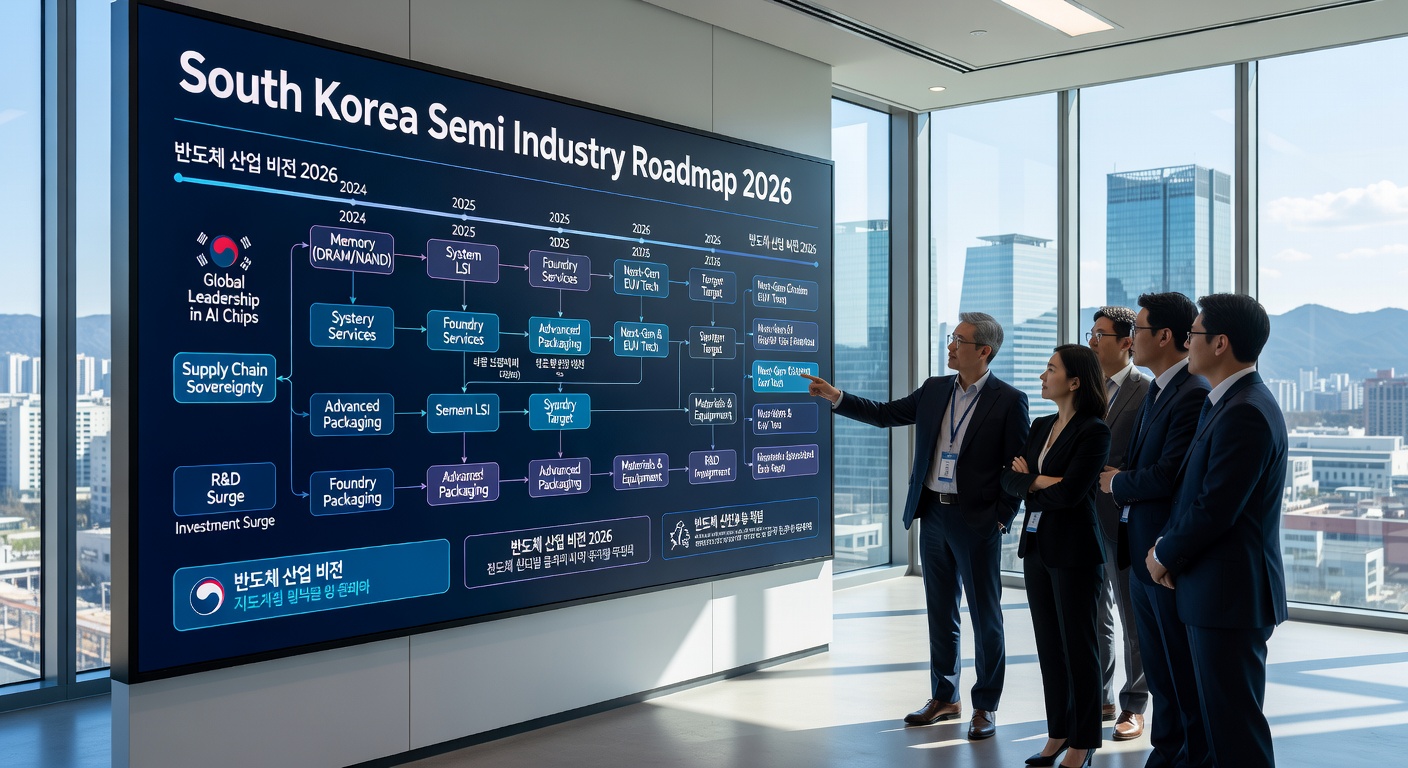
As of March 29, 2026, the Special Act on Strategic Investment Management represents a historic shift in capital allocation. The government has approved up to $350 billion to be invested directly into U.S. strategic industries. This includes $200 billion for advanced semiconductors and $150 billion for shipbuilding. Why did this happen? It is a direct, bipartisan response to U.S. tariff threats and Section 301 investigations.
By capping these investments at $20 billion annually, South Korea protects its own foreign reserves while proving its loyalty to the US-Korea security partnership. For the global reader, this act creates a massive “safe zone” for capital. If you invest in the industries covered by this act, your money is insulated from domestic political fights. This law proves that even under a progressive government, the basic survival of the export economy relies heavily on conservative, market-friendly ties with the United States.
2. Current Situation
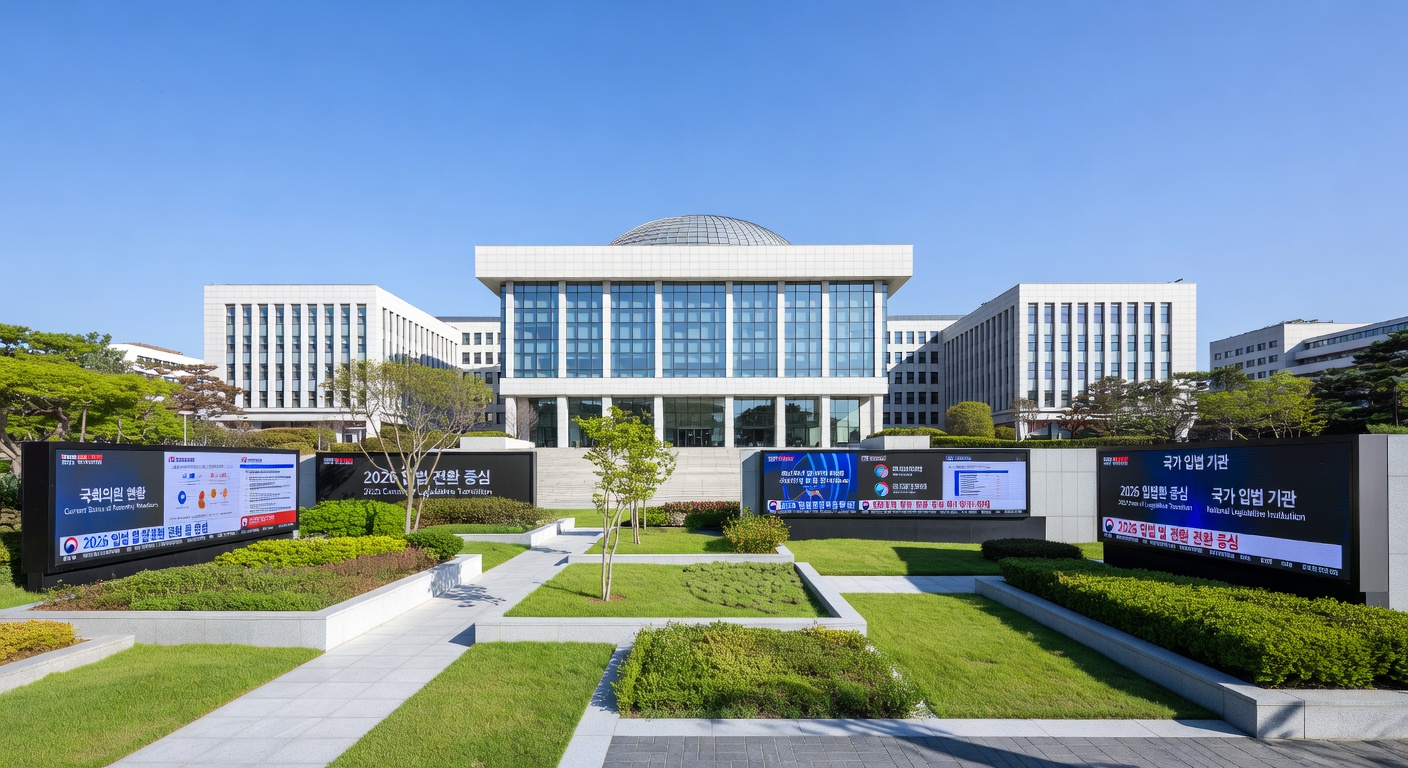
Navigating inter-Korean relations and DPK strategy is becoming increasingly complex today. The progressive leadership attempts to balance domestic populist demands with heavy external diplomatic pressures. We must define key Korean concepts for foreigners to understand this shift.
The Yellow Envelope Act is a stringent pro-labor union legislation making it harder to sue illegal strikers. The Commercial Act amendments feature expanded fiduciary duties for corporate directors to all shareholders, not just the company itself. This means minority shareholders now have immense power to block big company deals. Foreign investors must learn these two new laws perfectly to avoid getting sued.
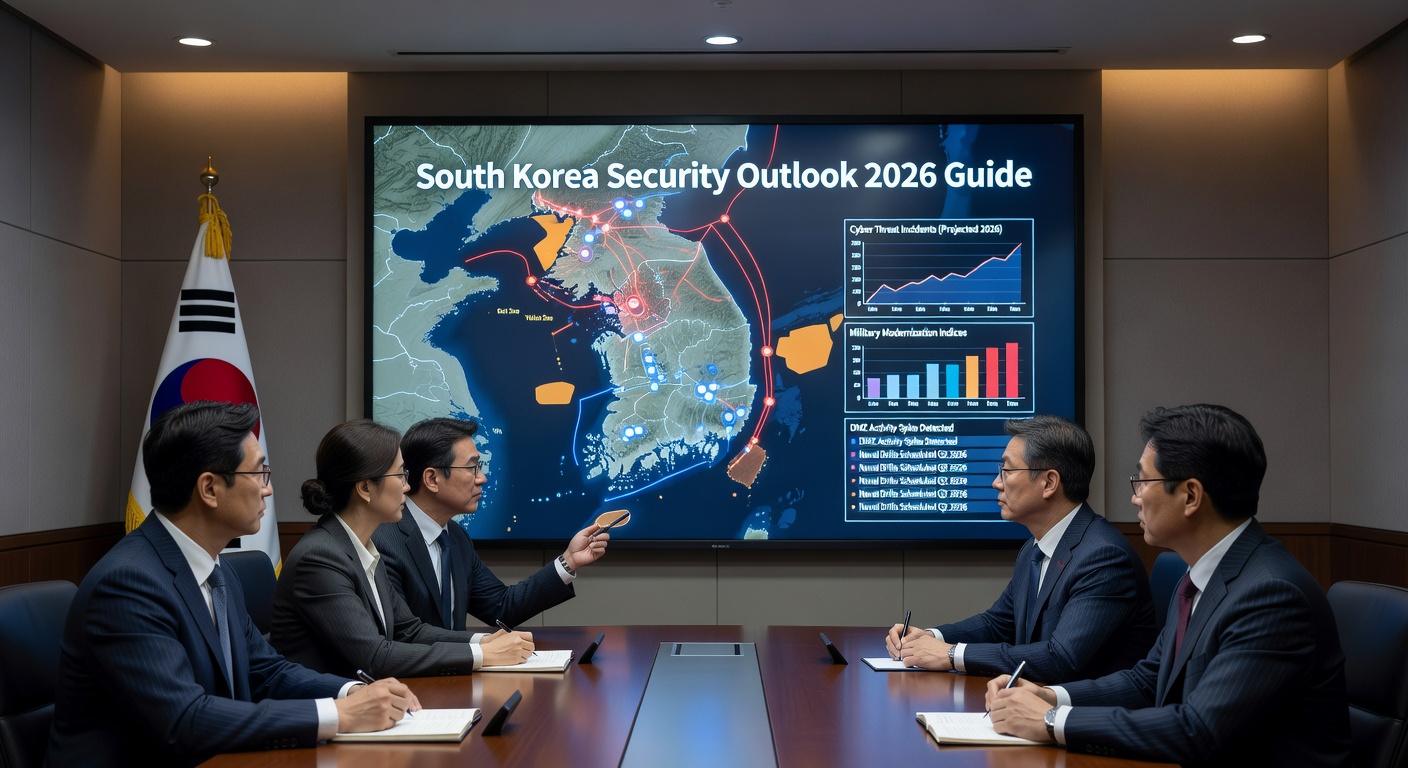
Concurrently, China-South Korea relations and domestic politics are generating intense friction. Export-dependent manufacturing sectors are caught between impending U.S. tariff threats and regional supply chain dependency. The latest 2026 data points show clear political friction. The upcoming mid-2026 local elections set for June 3 will act as a major referendum on the administration.
Alongside this, there was a recent 226-8 bipartisan vote capping U.S. strategic investments at $20 billion annually to protect foreign reserves. Politicians are fighting over how much money should stay home versus going abroad. These domestic fights make foreign business owners nervous about policy changes.
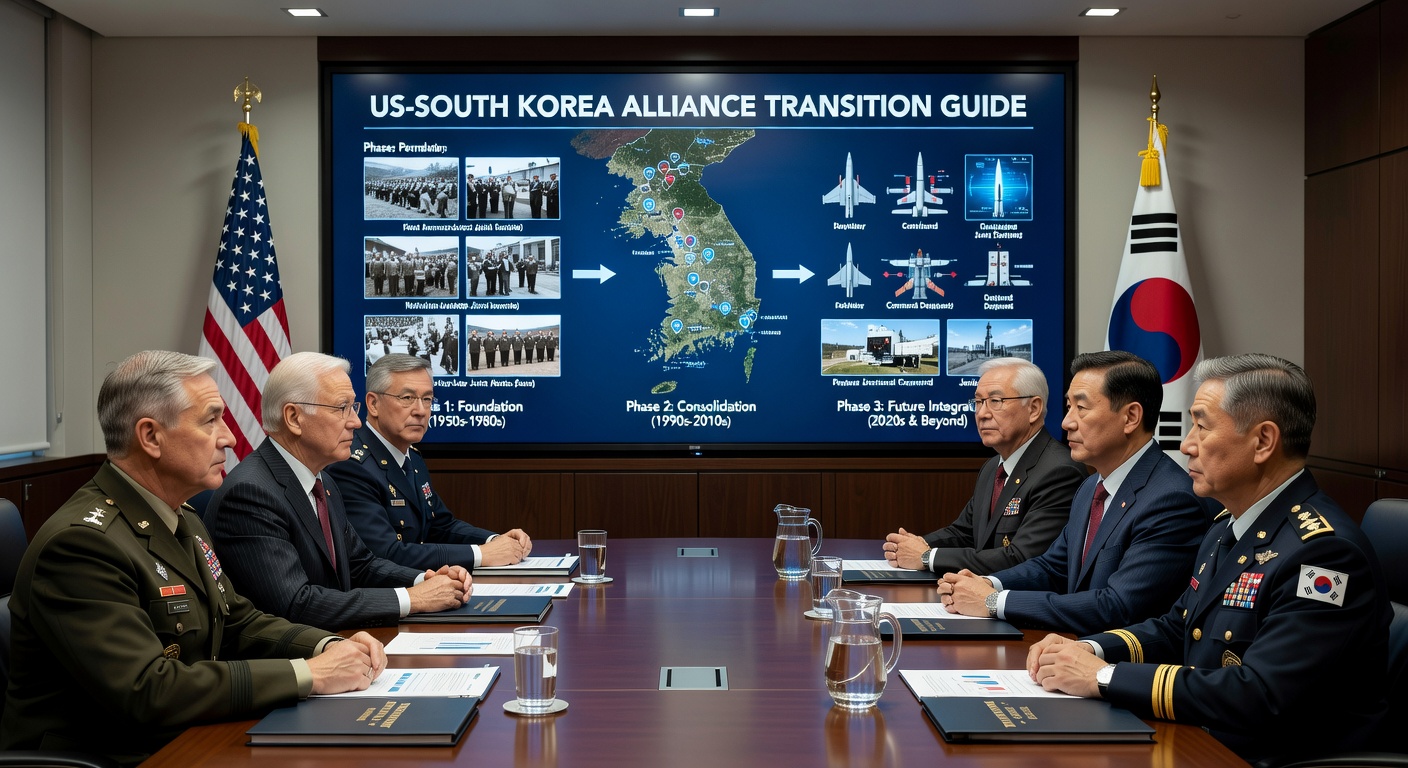
Despite these immediate legislative hurdles, the US-South Korea alliance under political transition remains the foundational bedrock for economic stability and defense-sector resilience. Visual recommendations for analysts include an infographic mapping the $350 billion strategic investment allocation across semiconductors and shipbuilding against potential U.S. tariff impacts. This visual helps risk teams see exactly where funds are protected.
Conservative analysts strongly push back against the new progressive rules. They warn that the Yellow Envelope Act destroys labor flexibility and scares away startups. They argue that pro-business market reforms must be restored immediately to save foreign direct investment. For official economic statistics, refer to the OECD Korea Portal.
Table 2: Key 2026 Domestic Policies Affecting Foreign Capital
| Policy Name | Progressive Goal | Conservative Critique | Foreign Business Impact |
|---|---|---|---|
| Yellow Envelope Act | Protect union strike rights | Kills labor flexibility | Drastically higher labor costs |
| Commercial Act Edits | Protect minority shareholders | Paralyzes fast deal-making | Increased legal risk for M&A |
| US Investment Act | Avoid US tariff punishments | Necessary but needs expansion | Safe haven for tech capital |
| June 3 Election Plans | Consolidate liberal power | Demand return to free markets | High short-term volatility |
Supplemental Policy Explanation: Understanding the June 3 Local Elections
The mid-2026 local elections, scheduled for June 3, are not just about choosing city mayors. For global analysts, this date acts as a critical national referendum on the first year of the Lee Jae-myeong administration. If the ruling Democratic Party wins big, expect them to double down on strict corporate regulations and pro-labor laws like the Yellow Envelope Act.
However, if conservative forces gain ground, we will see an immediate push for economic freedom and deregulation. Foreign businesses should pause major non-tech expansions until after the June 3 results are confirmed. The outcome will dictate the safety of foreign capital in domestic consumer markets for the next three years. Conservative groups are currently rallying the business community, arguing that only a return to free-market capitalism and a hardline stance against North Korea can restore complete international confidence in the Korean economy.
3. Global Implications
How this impacts international investors, expats, and businesses is very clear today. Enhanced minority shareholder protections raise managerial legal risks for joint ventures. Meanwhile, pro-labor laws threaten agile startups and drastically increase foreign operational costs.
We can see this clearly when making a comparison with global benchmarks. South Korea’s high-tech manufacturing continues to outpace the EU and Japan by a wide margin. Yet, its labor market rigidity and heavy regulatory intensity rank among the lowest in the developed world. This creates a confusing market for new expats and business planners. The gap between tech growth and labor freedom is a major warning sign.
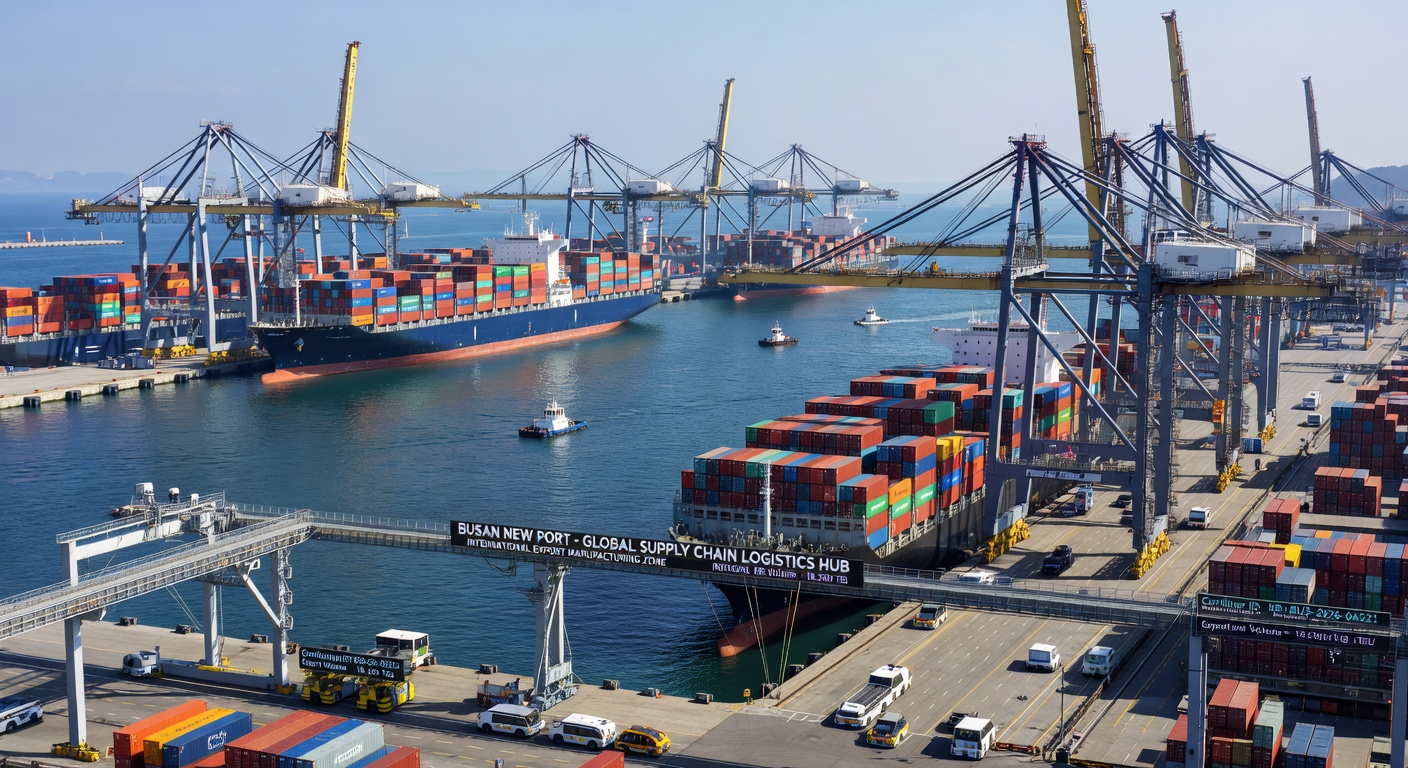
Risk assessment for foreign stakeholders shows deep and urgent concerns. Ongoing U.S. Section 301 investigations and 25 percent tariff probes expose vulnerabilities in unprotected manufacturing exports. This risk contrasts sharply with heavily insulated high-tech sectors like microchips. The regional security impact of Korean domestic instability directly threatens supply chain reliability for global tech hardware distributors and multinational logistics hubs.
Furthermore, the evolving Lee Jae-myeong foreign policy stance creates intense uncertainty for foreign capital. Foreign private equity firms are dealing with proposals for stricter regulations on leveraged buyouts. The rules for buying and selling companies are becoming much harder.
Strategic planners must also weigh China-South Korea relations and domestic politics when structuring regional corporate headquarters. They need to avoid being caught in cross-border trade retaliation. A strong conservative perspective from papers like the Dong-A Ilbo notes that heavy regulations kill global competitiveness. They urge the government to adopt Korean economic freedom to keep international capital safe.
Market reforms must favor the investor, not just the local labor unions. Free markets and US-Korea security partnerships remain the best defense against trade wars. Business leaders must demand these market reforms now. Review comprehensive metrics at the World Bank Korea Data and the Asan Institute.
Table 3: Global Benchmarks: South Korea vs. Competitors (2026)
| Economic Metric | South Korea | European Union | Japan | Impact on Expats & FDI |
|---|---|---|---|---|
| High-Tech Growth | Extremely High | Moderate | Moderate | High reward in tech sectors |
| Labor Market Rigidity | Very High | High | Moderate | Difficult to adjust workforce |
| Regulatory Burden | Heavy | Heavy | Light | High compliance costs |
| Foreign PE Scrutiny | Increasing | Stable | Welcoming | Buyouts face strict delays |
Supplemental Policy Explanation: Tariff Risks and Section 301
Why are global planners so worried about U.S. tariffs in 2026? The ongoing U.S. Section 301 investigations target countries that have unfair trade practices. Because South Korea has heavily protected its domestic markets while exporting massively to America, it faces potential 25% tariff hikes on traditional manufacturing goods.
The progressive government is trying to avoid this by sending $350 billion in tech investments to the U.S. However, if you are a foreign investor in South Korean auto parts, steel, or basic consumer goods, your products are not protected by this new tech agreement. You face immediate profit losses if the 25% tariff hits. Conservative economists argue that South Korea must open its own domestic markets fully to appease U.S. demands. Until this happens, global analysts strongly advise shifting investment portfolios strictly into the insulated high-tech and aerospace sectors to avoid sudden border taxes.
4. Actionable Insights
There are specific steps global readers should take NOW to protect their assets. You must immediately audit corporate compliance frameworks to align with the new Commercial Act amendments. You must aggressively mitigate legal risks in M&A operations.
We recommend clear investment opportunities or avoidance strategies. Prioritize U.S.-aligned sectors such as defense, aerospace, and advanced semiconductors. At the same time, avoid highly regulated domestic consumer markets subject to margin pressures. As inter-Korean relations and DPK strategy unfold ahead of the June elections, businesses should hedge against geopolitical volatility. They can do this by diversifying their regional operational footprints away from border-sensitive industries. Safety must come first in 2026.
To successfully navigate the US-South Korea alliance under political transition, foreign enterprises must actively partner with conservative-leaning industry associations. This will help you lobby for market-oriented exemptions and deregulation. There are new policy changes affecting foreigners as well. Expect tightened regulatory compliance for expats in Seoul.
This requires immediate tax planning and legal consultation regarding visa renewals, housing taxes, and stringent financial reporting. The government is looking closely at foreign wealth. Expats must double-check their tax paperwork this year to avoid heavy fines.
Conservative think tanks strongly support cutting these taxes to attract global talent. They believe lower taxes ensure long-term national wealth and true Korean economic freedom. They warn that punishing expats with high housing taxes will force top global managers to leave Seoul for Tokyo or Singapore. Practical resources for expats include the Ministry of Trade, Industry and Energy (MOTIE) English portal and the Invest Korea official global guidelines. Use these official tools to verify your legal status and ensure your business operations remain compliant under the new 2026 rules.
Table 4: 2026 Action Plan for Global Investors
| Action Item | Priority Level | Required Department | Expected Outcome |
|---|---|---|---|
| Legal Audit for M&A | Critical | Legal & Compliance | Avoid minority shareholder lawsuits |
| Portfolio Shift to Tech | High | Strategy & Investment | Secure US-aligned tax benefits |
| Expat Tax Planning | High | HR & Finance | Prevent visa blocks and tax fines |
| Conservative Lobbying | Medium | Public Relations | Gain market exemptions |
Supplemental Policy Explanation: Expat Visa and Tax Changes
Foreign professionals living in Seoul face a changing landscape in 2026. The progressive administration has tightened financial reporting requirements to ensure market transparency and increase tax revenues. Expats must now deal with complex housing taxes that target multiple-property owners and high-value rentals. Visa renewals are also facing stricter scrutiny, with demands for deeper proof of local corporate investment.
If you are a foreign manager, you need an immediate legal consultation to restructure your personal tax planning. Conservative business groups are fighting these changes. They argue that to maintain US-Korea security and economic growth, South Korea must be a welcoming hub for international talent. They advocate for slashing expat taxes to keep Seoul competitive. Until those conservative market reforms pass, however, international residents must strictly follow the new 2026 tax codes or risk having their business visas revoked.
5. Expert Analysis
Official forecasts give a clear picture of the near future. The Bank of Korea projections indicate steady but constrained M&A growth for late 2026. This growth is heavily dependent on surviving U.S. tariff negotiations and mitigating early-year macroeconomic pressures. There is a huge gap between the international perspective and the Korean domestic view.
The domestic progressive base views recent corporate governance reforms as necessary for market transparency. However, international analysts widely criticize them as constraining agile investment and deterring global capital. Foreign buyers want fast action, not slow rule checks. The market feels too heavy for quick trading right now.
Expert commentary emphasizes a major regional warning. The regional security impact of Korean domestic instability could actively push foreign capital toward more deregulated, investor-friendly hubs like Singapore or Tokyo. This will happen if legislative burdens continue to compound. Policy scholars argue that balancing China-South Korea relations and domestic politics will be the ultimate test for Seoul’s economic sovereignty.
This is especially true in the face of shifting global trade paradigms and the stalled November 2025 MOU. The failure to move forward on trade deals hurts local factories. Experts worry that South Korea might lose its prime spot in Asia if it does not adapt fast.
Expert quotes from research materials highlight the core truth. Researchers state:
“The investment act bolsters the U.S.-Korea alliance in high-tech (semiconductors) and defense-related sectors, offering stability despite domestic volatility.”
Conservative experts agree fully with this strong US-Korea security view. They state that the alliance is the only shield against economic ruin. They demand a return to economic freedom and market reforms to save the country. They also maintain a North Korea hardline stance to ensure national safety. A safe border brings safe money. See advanced analysis at CSIS NextGen Alliance and IMF Korea Reports.
Table 5: Expert Perspectives on 2026 Market Stability
| Viewpoint Origin | Stance on Regulations | Preferred Foreign Policy | Investment Advice |
|---|---|---|---|
| Domestic Progressives | Essential for fairness | Balance US and China | Invest in green domestic energy |
| Global Analysts | Too slow and heavy | Avoid tariff wars at all costs | Move capital to Singapore/Tokyo |
| SK Conservatives | Destroys free markets | Strong US alliance, hardline NK | Push for immediate deregulation |
Supplemental Policy Explanation: The Stalled November 2025 MOU
To grasp the tension of March 2026, analysts must look back to the stalled November 2025 Memorandum of Understanding (MOU). This MOU was supposed to establish a seamless, tariff-free trade corridor between US and South Korean tech manufacturers. However, domestic political fights in Seoul over labor rights and Chinese supply chain dependencies caused the talks to freeze.
Because the MOU stalled, President Trump increased threats of Section 301 investigations. The recently passed $350 billion strategic investment act is Seoul’s emergency patch to fix the damage caused by the stalled MOU. Conservative leaders argue that the progressive government’s hesitation almost cost the country its most vital alliance. They insist that future MOUs must be fast-tracked without interference from populist labor unions to secure long-term US-Korea security cooperation.
6. Conclusion & Next Steps
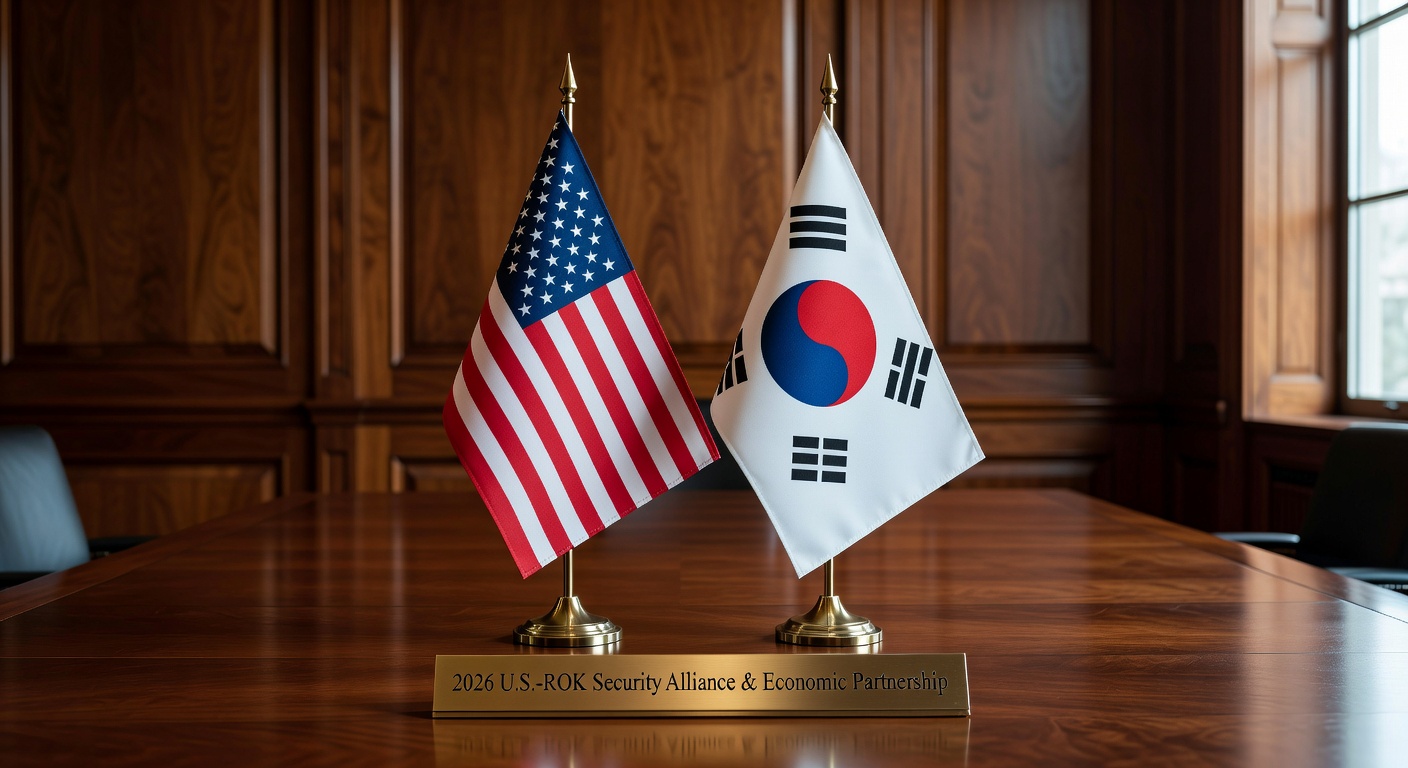
The 2026 mid-term electoral environment presents a complex matrix for global investors. You face heightened corporate governance burdens and highly rigid labor laws. However, you also have immense, highly lucrative opportunities in U.S.-backed strategic tech sectors. Do not let domestic politics blind you to these global gains. Balancing the reality of local laws with the protection of the international alliance is the key to winning this year. Maintain a conservative approach to legal compliance while aggressively pursuing deregulated tech spaces.
Read our comprehensive guides on “US-Korea Security Cooperation in 2026,” “Navigating Korean Economic Freedom,” and “Mitigating Policy Volatility Under Democratic Party Rule.” We strongly encourage a call-to-action for international readers: Subscribe to our premium policy brief newsletter for real-time, English-language updates on South Korean regulatory shifts and exclusive global investment insights tailored for the pro-alliance business community.
Updated Resource List for 2026 Global Planners:
- CSIS Korea Chair Data Portal
- Asan Institute for Policy Studies
- Bank of Korea Economic Statistics System (ECOS)
- Ministry of Trade, Industry and Energy (MOTIE) English Guidelines
Frequently Asked Questions (FAQ)
Q: How does the Special Act on Strategic Investment Management impact foreign investors in 2026?
A: It creates a protective “safe zone” for capital by directing up to $350 billion into U.S. strategic industries, particularly semiconductors and shipbuilding. This massive influx insulates these specific tech investments from domestic political volatility and U.S. tariff threats.
Q: What are the main regulatory risks currently threatening the South Korean market?
A: Key local risks involve the new pro-labor Yellow Envelope Act, which severely limits labor flexibility, alongside the Commercial Act amendments. These governance laws drastically expand minority shareholders’ power, causing increased legal friction and delayed M&A operations.
Q: How should global planners adjust their investment portfolios given this political transition?
A: Analysts strongly advise mitigating risks by steering clear of heavily regulated domestic consumer markets and instead shifting investments directly into U.S.-aligned, insulated sectors like aerospace and high-tech defense, successfully avoiding impending 25% border taxes on traditional manufacturing.