


Cross-border Infrastructure Compliance
Key Summary: Mastering cross-border infrastructure regulatory compliance is essential for global investors navigating the multi-trillion dollar shift in 2026. Following the monumental EU-India trade agreement and the historic opening of the Saudi stock exchange, capital flows increasingly favor free markets with clear rules. By properly utilizing transnational tax structuring and adapting to localized compliance rules like the EU Carbon Border Adjustment Mechanism (CBAM), international teams can efficiently protect their assets, avoid double taxation, and secure high-yield returns across the booming India-Middle East-Europe Economic Corridor.
Table of Contents
- 1. Introduction
- 2. Current Situation
- 3. Global Implications
- 4. Actionable Insights
- 5. Expert Analysis
- 6. Conclusion & Next Steps
1. Introduction
Mastering cross-border infrastructure regulatory compliance is a baseline necessity for global investors looking to shield their capital and capture high-yield returns across emerging intercontinental trade routes. Today, in early 2026, these rules control the flow of over $2 trillion in global money.
This massive shift follows the landmark early-2026 EU-India trade agreement. It also follows the historic opening of the Saudi stock exchange. Smart investors know that clear rules and free markets create wealth.
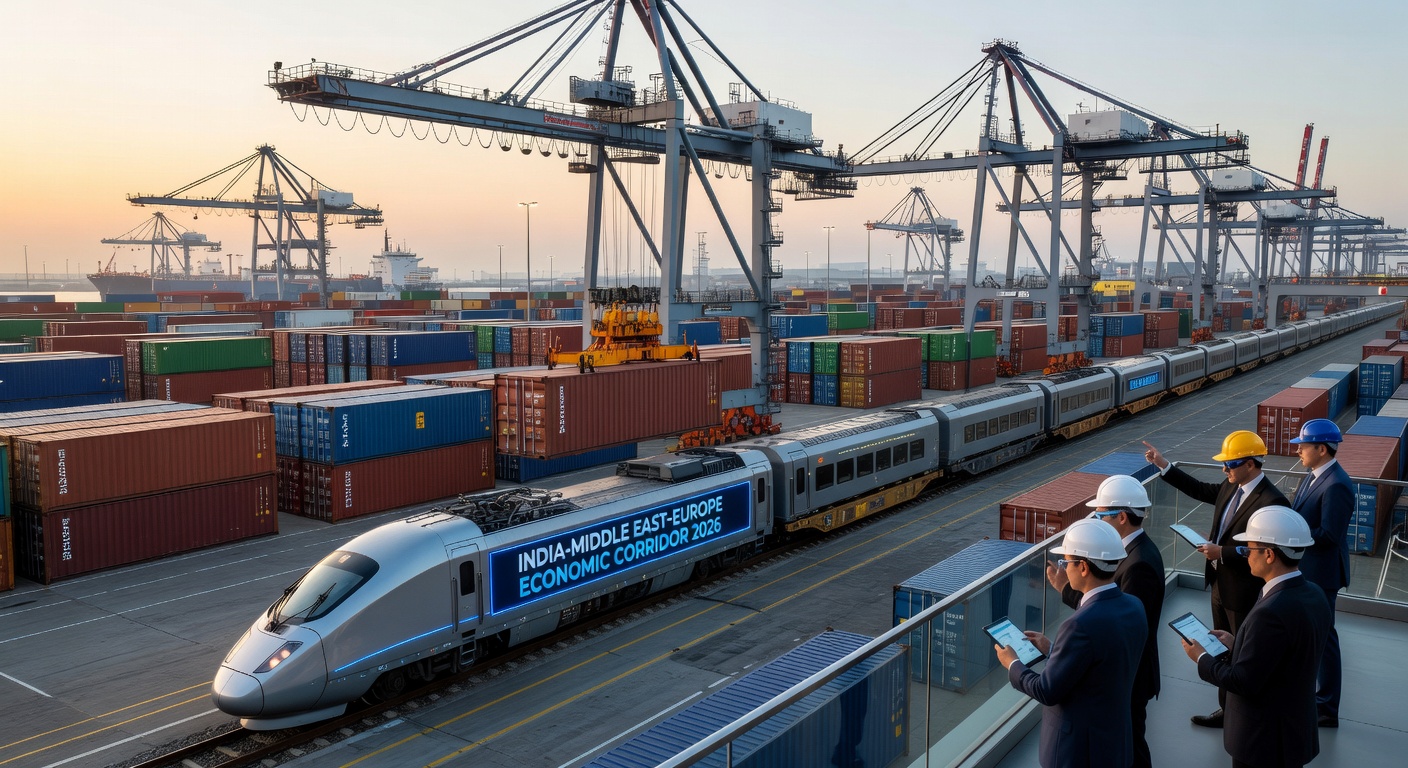
Global capital is moving fast. Western alliances are growing stronger. Nations are building a massive path called the India-Middle East-Europe Economic Corridor (IMEC). This path moves goods safely and quickly. But, building this path requires strict attention to laws. Investors must respect local rules, but they also seek strong market reforms that protect their property rights.
To win in 2026, global teams must plan ahead. They must read the changing laws in the Middle East and Europe. A strong plan protects money from surprise taxes. It also stops heavy government red tape from slowing down progress.
Below is a table showing the key previews of what global investors face today. We replaced long lists with clear tables to help you read fast.
| Strategic Focus Area | Impact on Global Investors | Why It Matters in 2026 |
|---|---|---|
| International Trade Tariffs (IMEC Region) | Determines the profit of new multi-billion dollar logistics hubs linking India, the Gulf, and Europe. | High border taxes hurt profits. Low taxes boost trade. |
| Transnational Tax Structuring | Critical for institutional investors to mitigate multi-jurisdictional tax liabilities. | Proper planning stops you from paying taxes twice on the same money. |
| Localized Compliance Rules | A strategic necessity before deploying foreign direct investment (FDI) into mega-projects. | Respecting local rules speeds up building and keeps projects safe. |
Research Sources: Learn more about the India-Middle East-Europe Economic Corridor. Read about the Saudi Arabia Tadawul Market Opening.
Supplemental Explanation: The Importance of Free Markets in Global Trade
When countries trade freely, everyone wins. The new 2026 agreements show that lowering barriers helps businesses grow. Heavy government control slows down building. But free market policies speed it up. By opening their stock market, Saudi Arabia invited global money to build ports, roads, and rail lines. This proves that private money builds better and faster than state-run projects. Investors want safe places to put their money. They look for countries that respect the rule of law. The IMEC project is a perfect example. It links strong Western alliances with growing Eastern markets. It challenges state-controlled trade routes by offering a free, open, and rules-based path. As you read this guide, remember that good rules protect your investment, but too much red tape kills innovation. Smart investors find the perfect balance.
2. Current Situation
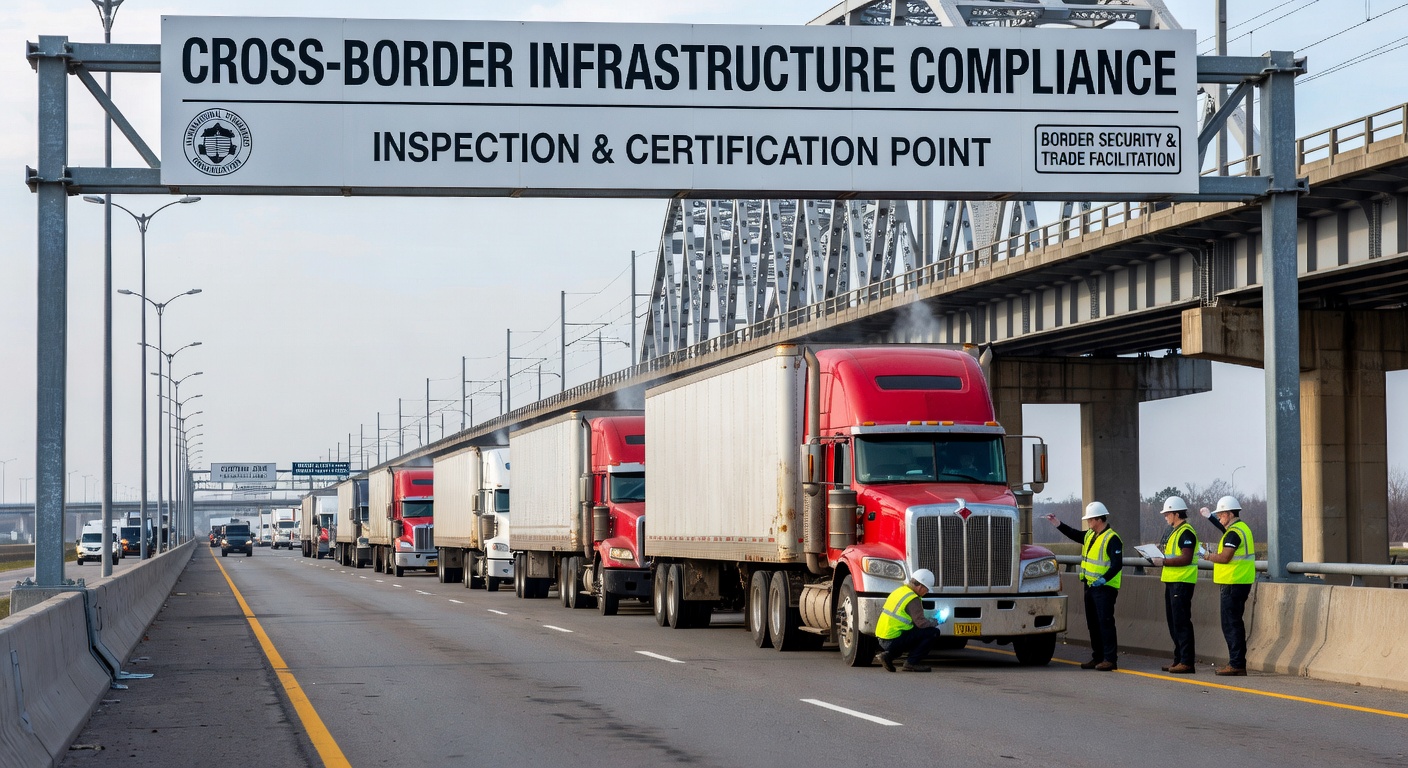
Cross-border infrastructure regulatory compliance involves adhering to overlapping international treaties, sovereign laws, and standardized environmental regulations when financing and constructing physical assets across multiple international borders. In simple terms, it means following the rules of many countries at the same time to build big projects.
The year 2026 brings huge changes. We see updated Middle East foreign investment laws 2026. Saudi Arabia has a revised Capital Market Authority (CMA) framework. This new rule started on February 1, 2026. It allows direct foreign access to the Tadawul Main Market.
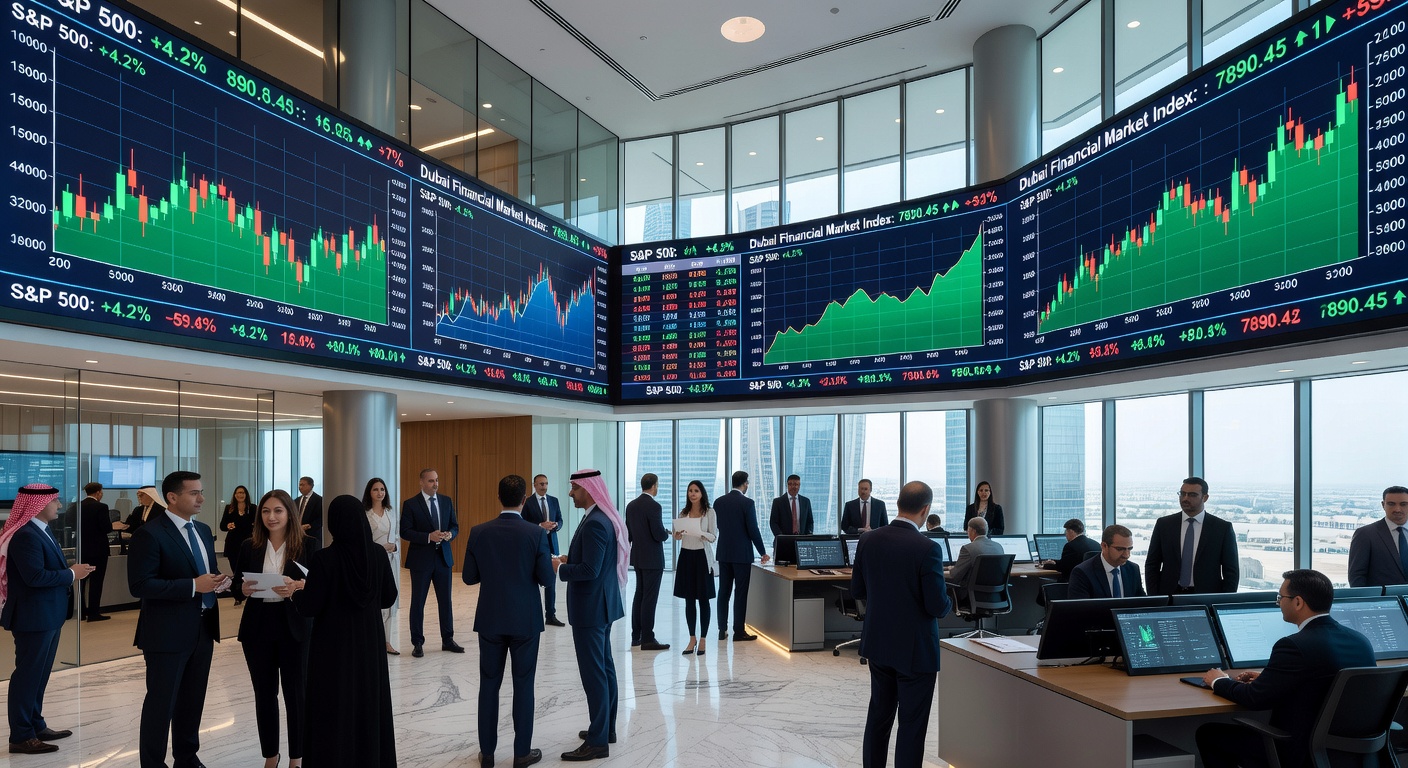
This bold move dramatically increases international money for infrastructure expansion. It is a massive victory for free markets. When countries open their markets, their score on the economic freedom index goes up.
At the same time, Europe is adding more rules. The European Union’s Carbon Border Adjustment Mechanism (CBAM) has fully started in 2026. It sets strict baselines for environmental, social, and governance (ESG) compliance. This rule directly hits Gulf exports. It also impacts big supply chains. Many investors worry that Europe’s heavy rules are bad for business. While the Middle East cuts red tape, the EU adds it.
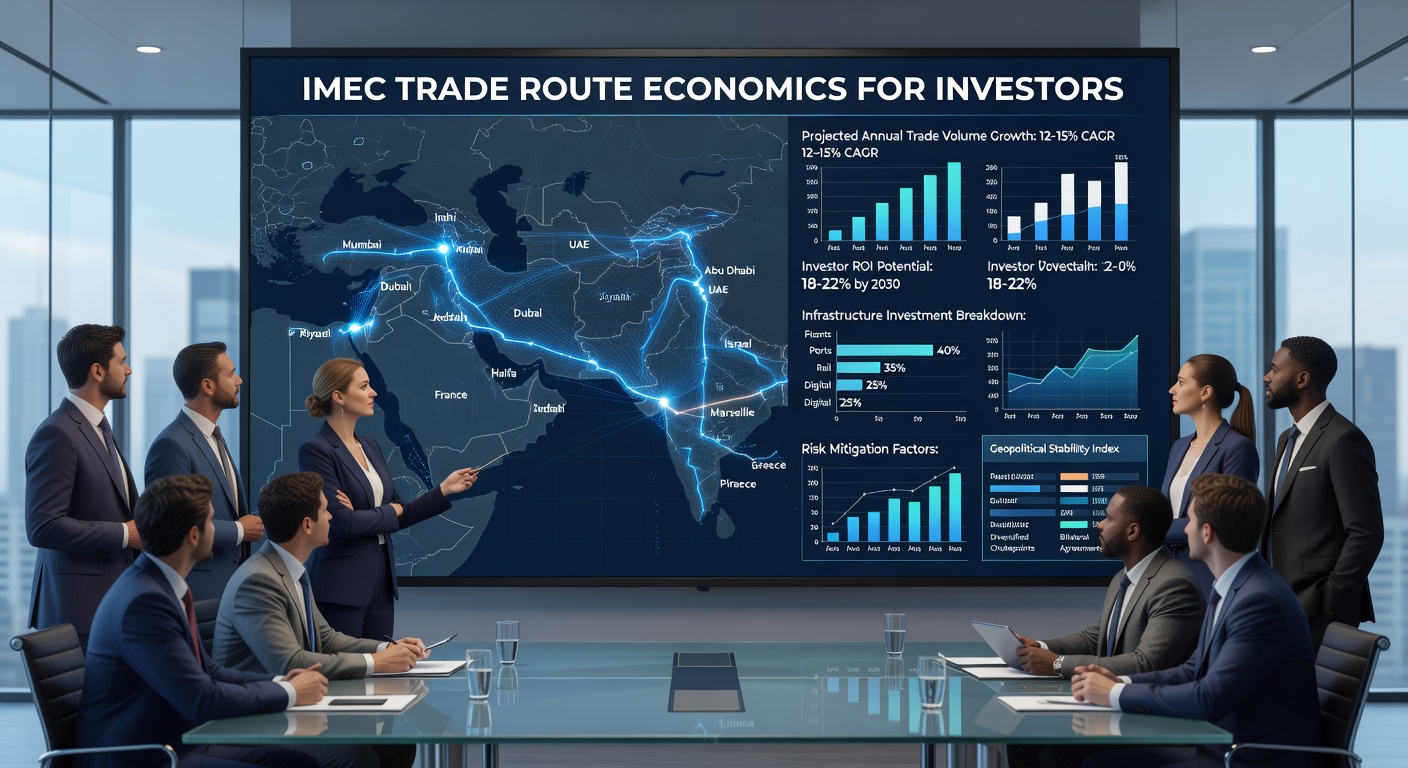
Visual Recommendation: We recommend drawing a multi-layered regional map. It should show the IMEC rail and shipping routes. It must overlay localized 2026 FDI entry threshold percentages. It should also show regional ESG reporting deadlines.
| Regulatory Framework | Region | Impact on Free Markets | Investor Action Needed |
|---|---|---|---|
| CMA Framework 2026 | Saudi Arabia | Very Positive. Removes barriers for foreign capital. | Invest directly in the Tadawul Main Market. |
| Middle East FDI Laws | Gulf States | Positive. Increases safety for private property. | Enter new logistics and port projects freely. |
| EU CBAM 2026 | European Union | Negative. Adds heavy tax burdens on cross-border goods. | Calculate carbon taxes before shipping to the EU. |
Research URLs: Review the White & Case: Foreign Direct Investment Reviews 2026 – UAE. Explore the Middle East Council: Bridging the Gulf Energy Policy.
Supplemental Explanation: Balancing Market Reforms and ESG Rules
The world is split in 2026. In the Middle East, leaders are making strong market reforms. They want to attract global businesses. They are cutting taxes, removing rules, and protecting private property. This helps investors make more money. It also builds bridges, roads, and power plants faster. On the other hand, Western Europe is taking a different path. The EU relies heavily on strict environmental laws like the CBAM. From a conservative view, these heavy rules act as hidden taxes. They hurt free trade. They force companies to hire armies of lawyers instead of engineers. For global investors, the goal is clear. You must use the new, open markets in the Middle East to grow your wealth. But you must also carefully manage the strict, heavy rules when selling into Europe. Knowing these differences keeps your business safe and profitable.
3. Global Implications
Multinational construction firms and institutional funds must radically adapt their pricing models. Successfully forecasting International trade tariffs IMEC region dictates whether cross-continental supply chains remain cost-effective. If they fail to plan, they will succumb to overlapping border duties. High taxes destroy wealth.
Unlike older, broken systems, the updated Middle East foreign investment laws 2026 align closely with strong Western benchmarks. They ensure foreign and domestic investors get similar treatment. This is a big win for fair trade. It removes unfair government favors. When everyone plays by the same clear rules, free market policies can truly work. The Middle East is becoming a safe haven for global capital.
However, big risks remain. Supply chains face severe operational risks if they do not modernize. Upgrading Transnational tax structuring for institutional investors is urgent. Without it, you risk double taxation. You also risk harsh penalties under the EU’s Corporate Sustainability Reporting Directive (CSRD).
This EU rule heavily impacts non-EU infrastructure developers. If you build a port in the Middle East but trade with Europe, the EU will still try to tax your carbon footprint. This is a classic case of government overreach.
| Risk Factor | Root Cause | Mainstream View | Conservative / Free-Market View |
|---|---|---|---|
| Double Taxation | Poor transnational tax structuring. | A technical error that needs modern accounting. | A failure of governments to respect private wealth. |
| High Border Duties | Unpredictable international trade tariffs IMEC region. | Necessary tools to protect local industries. | Harmful taxes that punish consumers and block free trade. |
| CSRD Penalties | EU over-regulation of global supply chains. | A vital step to force global climate compliance. | Bureaucratic drag that kills innovation and limits economic freedom. |
Source Citations: Read the Akin Gump: Sustainability Disclosures Complex Legal Environment. See the Mondaq: Foreign Direct Investment Regulations in the Middle East.
Supplemental Explanation: Defending Capital Against Over-Regulation
Global capital always flows to where it is treated best. Right now, money is moving toward the IMEC region because of friendly laws. The Middle East is pushing market reforms that respect the investor. But the European Union is trying to tax the whole world through its new ESG and carbon laws. This creates a clash. A conservative approach argues that businesses should focus on making great products, not filling out endless government forms. However, ignoring the EU rules is not an option. Multinational funds must use advanced tax structuring to protect their profits legally. By placing headquarters in low-tax, high-freedom regions like the UAE or Saudi Arabia, companies can shield their money. They can still comply with EU rules at the border without letting EU bureaucrats control their entire global operation. Smart structuring saves millions.
4. Actionable Insights
To survive and win in 2026, you must take specific steps now. Multinational boards must immediately audit their existing portfolios. You must check them against the 2026 CBAM and regional corporate disclosure requirements. This ensures complete ESG compliance in global infrastructure. Doing this prevents costly export and construction bottlenecks.

There are massive investment opportunities right now. Allocate capital toward UAE and Saudi port facility modernizations. Ensure they adhere to new green transit codes. At the same time, implement rigorous cross-border infrastructure regulatory compliance protocols. This mitigates the risks of unnotified internal change trigger points. Keep your money moving by staying ahead of the law.
Policy changes are happening fast. Regional financial centers have introduced standardized “Green” and “Sustainability Linked” designations. This mandates a rapid overhaul of compliance and reporting systems. This applies to any foreign enterprise operating in the Middle East turning over more than $68 million annually.
You need practical resources. Do not guess. Access global FDI screening tracking software. Use regional carbon-tax calculators. Read institutional legal guidelines on updated cross-border investment thresholds.
| Action Step | Target Area | Tool or Resource Needed | Expected Outcome |
|---|---|---|---|
| Audit Portfolios | EU CBAM & Regional ESG rules | FDI screening tracking software. | Prevents border stops and high fines. |
| Allocate Capital | UAE and Saudi port projects | Updated institutional legal guidelines. | High yields in free-market friendly zones. |
| Overhaul Systems | Companies over $68M turnover | Regional carbon-tax calculators. | Meets “Green” targets while saving overhead costs. |
Supplemental Explanation: Execution over Bureaucracy
Action is better than worry. The best way to deal with heavy regulations is to build a system that handles them automatically. Once your system is built, you can focus on making money. The $68 million revenue threshold in the Middle East is an important trigger. Once you cross it, you must prove your compliance. For free-market thinkers, this feels like an annoying hurdle. But the Middle East makes the process easy and digital. Unlike the slow paperwork in older Western bureaucracies, the Gulf uses smart tech to speed up approvals. This means you can get back to business fast. By investing in UAE and Saudi ports, you are buying into the future of global trade. You are bypassing older, broken supply chains. You are using Western alliances and IMEC routes to build a faster, cheaper, and safer network for your goods.
5. Expert Analysis
Official 2026 economic projections show a clear path to profit. Successful execution of transnational tax structuring for institutional investors can reduce overhead by up to 15% on long-term infrastructure leases. This happens across the IMEC zone. It is a huge win despite steadily rising global regulatory costs. Smart money always finds a way to grow.
There is a big difference between international and local views. Local authorities view the Middle East foreign investment laws 2026 as essential domestic economic diversification mechanisms. They say these laws protect local security and build strong nations. International analysts agree, but they add a warning. They emphasize the heavy compliance burden these sudden legal shifts place on unadapted foreign supply chains.
According to global legal analyses of the 2026 FDI landscape, experts state: “The Middle East continues to welcome foreign investment, subject to licensing approvals… requiring foreign investors to adopt proactive regulatory planning and heightened compliance.” This means the door is open, but you must wear the right shoes.
Free market voices, like the Heritage Foundation and the Wall Street Journal, praise the Gulf’s market reforms. They note that cutting state control boosts the economic freedom index. This attracts the best global builders.
| Perspective | View on 2026 Infrastructure Boom | Key Concern | Suggested Strategy |
|---|---|---|---|
| Mainstream Global Institutions (IMF/World Bank) | A necessary shift toward green global trade. | Climate goals might be missed. | Increase ESG reporting and accept higher taxes. |
| Conservative Western Analysts (WSJ/Heritage) | A triumph of private capital over state control. | Over-regulation by the EU slowing down free trade. | Maximize tax structuring to protect private wealth. |
| Local Middle East Authorities | A tool to diversify the economy away from oil. | National security and local job creation. | Partner with local firms to speed up licensing. |
Source Hyperlinks: Check out White & Case: UAE FDI Reviews 2026. Review Covington: Middle East Hot Topics 2024 to 2026.
Supplemental Explanation: The Power of Proactive Tax Planning
Expert analysis in 2026 confirms what conservative economists have always known. Capital punishes bad rules and rewards good ones. When overhead drops by 15%, that money goes straight to investors and workers. It creates jobs. It builds better ports. When governments try to plan the economy from the top down, they fail. When they let private companies structure their taxes and investments freely, society gets better infrastructure. The split between the mainstream view and the free-market view is obvious here. Mainstream voices want more taxes to fund global projects. Free-market experts know that low taxes and strict property rights are what actually get bridges built. By using advanced tax planning, your company is not just saving money. You are protecting capital from wasteful government spending. You are ensuring that money stays in the productive, private sector.
6. Conclusion & Next Steps
For global decision-makers, surviving the 2026 infrastructure boom is a major test. It requires a proactive, highly structured approach. You must master cross-jurisdictional compliance. You must use specialized multijurisdictional tax planning. You must also maintain uncompromising adherence to incoming environmental directives, even when they seem burdensome.
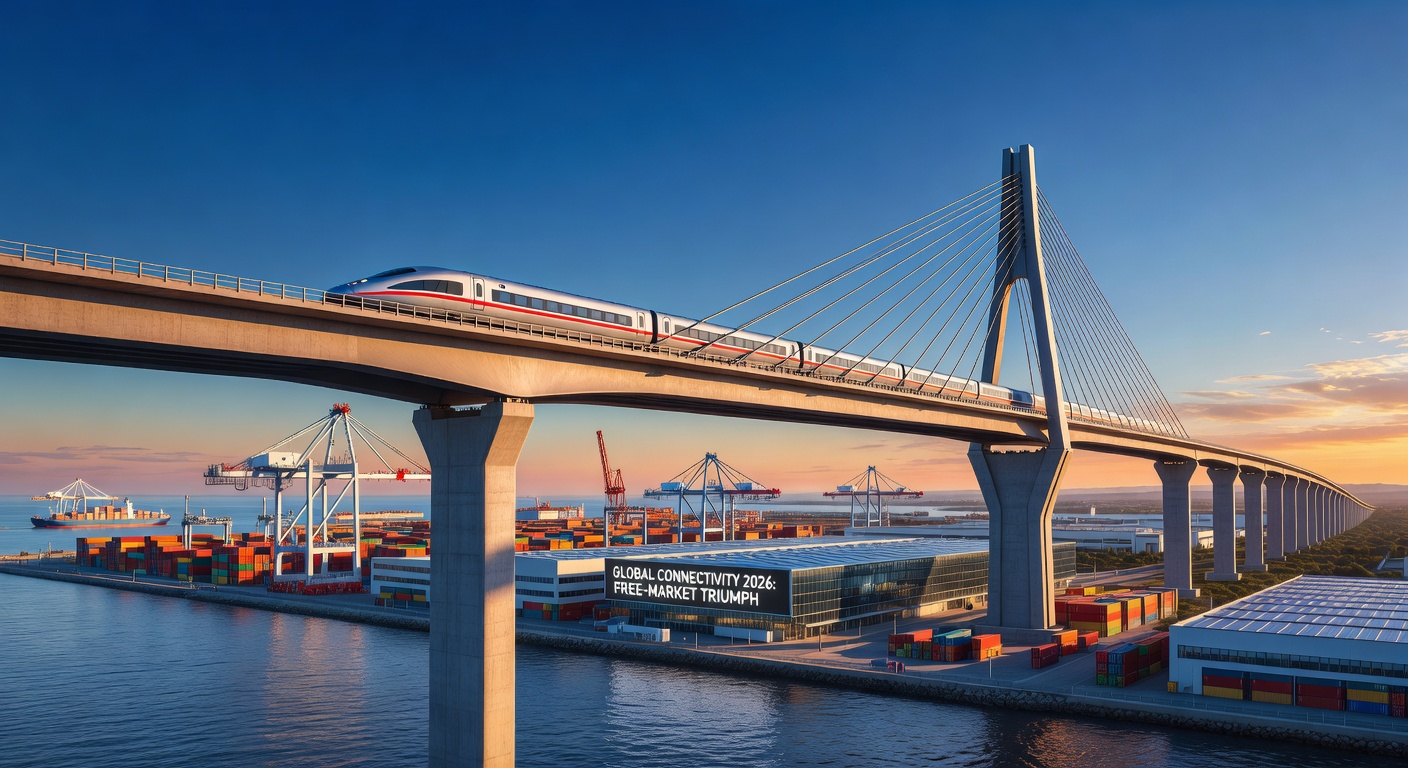
Protecting your investments means embracing free market policies where they exist. It means smartly navigating bureaucratic red tape where you must. The India-Middle East-Europe Economic Corridor is the future of world trade. It strengthens Western alliances. It opens markets. It respects the flow of private capital.
Read our comprehensive 2026 guide on executing profitable foreign direct investments in European technology and green energy hubs. This guide will show you how to win in highly regulated markets.
Subscribe to our premium global regulatory newsletter. Get continuous, real-time updates on changing tariff laws. Receive exclusive institutional investment strategies across emerging intercontinental trade corridors. Do not let outdated rules hurt your bottom line.
Updated Global Resource List:
- World Bank’s 2026 Trade Logistics Data
- IMEC Official Updates
- Regional ESG Corporate Governance Portals
| Next Step | Timeframe | Priority Level |
|---|---|---|
| Subscribe to Premium Newsletter | Today | High |
| Review World Bank 2026 Logistics Data | This Week | Medium |
| Implement Cross-Border Compliance Audit | Next 30 Days | Critical |
Supplemental Explanation: Final Thoughts for Global Investors
The world is moving away from the old, slow ways of doing business. The nations that embrace economic freedom are winning. The ones that rely on heavy taxes and strict state control are falling behind. As an international investor or expat, your duty is to your shareholders and your family’s future. You must secure your capital in regions that reward growth. Cross-border infrastructure regulatory compliance is no longer just a legal checklist. It is a strategic weapon. If you understand the rules better than your competitors, you will win. You will pay less in unfair border taxes. You will build faster. You will earn higher returns. Stay informed, stay aggressive, and always defend the principles of free trade and open markets. The 2026 global economy belongs to those who act boldly and plan wisely.
Frequently Asked Questions (FAQ)
Q: How does the European Union’s Carbon Border Adjustment Mechanism (CBAM) affect infrastructure investors in 2026?
A: The fully implemented CBAM sets strict environmental baselines acting essentially as cross-border taxes. Global investors must proactively calculate carbon tariffs and modernize supply chains to avoid severe border penalties and operational delays.
Q: Why are the updated 2026 Middle East FDI laws considered a major advantage for global capital?
A: These revised laws, including the opening of the Saudi Tadawul Main Market, drastically reduce bureaucratic red tape and align closely with Western benchmarks. By increasing safety for private property and offering fair treatment, the Middle East provides high-yield opportunities in free-market friendly zones.
Q: Why is transnational tax structuring crucial for the IMEC region projects?
A: Strategic transnational tax planning is necessary to shield institutional investors from overlapping border duties and double taxation. When effectively executed across multi-jurisdictional zones, modern accounting frameworks can reduce long-term lease overheads by up to 15%.