


2026 Korea Election: Business Impact
Key Summary: The upcoming 2026 legislative elections in South Korea stand as a pivotal crossroads for global investors, influencing a rapidly expanding cyber defense market projected to reach USD 9.3 billion. With heightened geopolitical risks and a modest 1.9% GDP growth forecast, the push for true free-market policies, tax relief, and Chaebol reform is critical. Pro-business outcomes could unlock massive tech investments and attract foreign capital, while restrictive regulations risk stifling the nation’s innovation and supply chain resilience.
Table of Contents
- 1. Introduction
- 2. Current Situation
- 3. Global Implications
- 4. Actionable Insights
- 5. Expert Analysis
- 6. Conclusion & Next Steps
- Frequently Asked Questions (FAQ)
1. Introduction
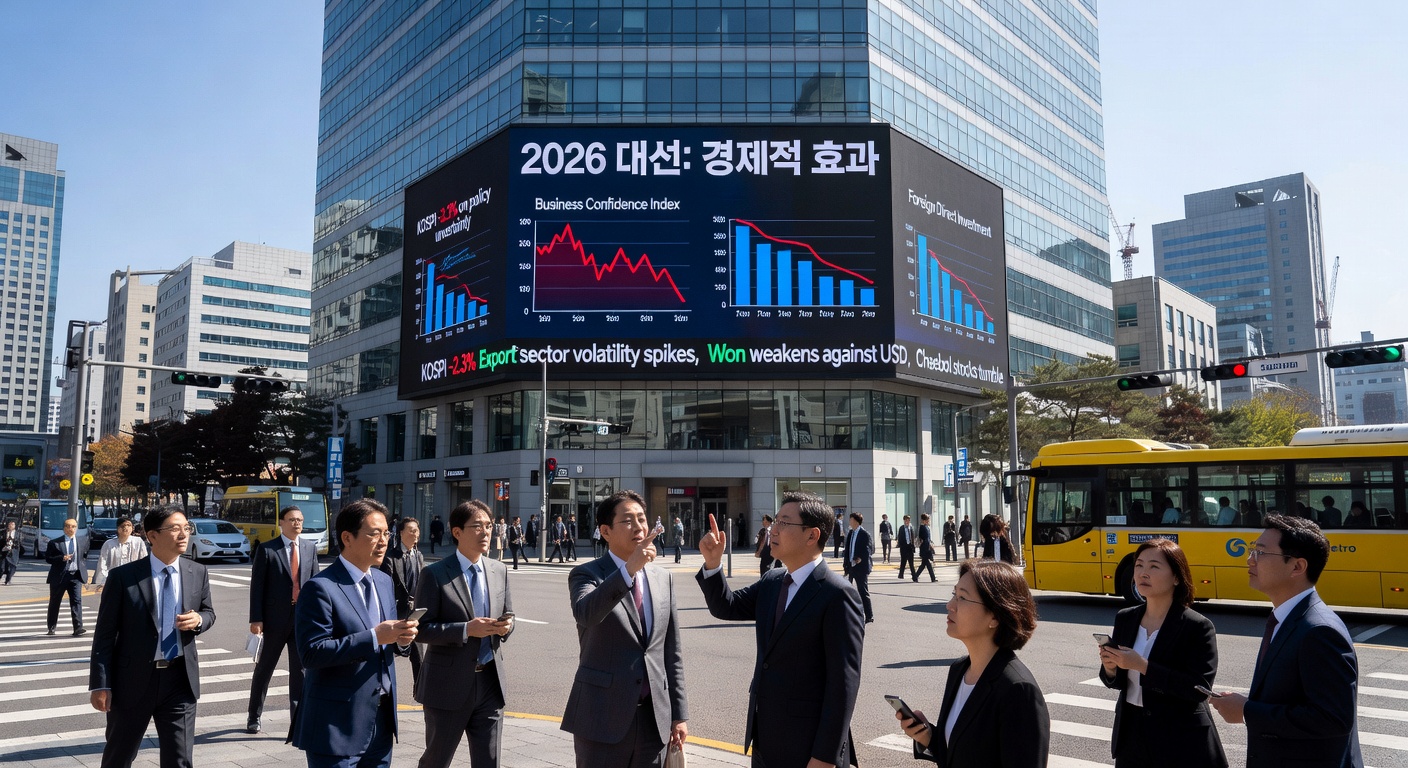
The South Korea 2026 legislative election impact on business is the top focus for global investors as the domestic cyber security market is projected to hit USD 9,392 million by 2033 at a fast 13.4% compound annual growth rate (CAGR). Understanding these big political shifts is very important.
International companies need to know how expected South Korea labor law reforms for foreign companies will change their long-term supply chain and money plans. A pro-business outcome could lead to stronger free market policies that welcome foreign money. A gridlocked result might stall the market reforms that South Korea desperately needs.
This briefing previews three key takeaways for expats, analysts, and investors:
- First, we see a fast increase in defense and artificial intelligence (AI) tech investments.
- Second, we are watching evolving corporate governance trends in South Korea (Chaebol reform) to see if they respect shareholder rights.
- Third, we must look at new data protection rules under the 2024 Strategic Cybersecurity Cooperation Framework.
To thrive in 2026, foreign investors need economic freedom and clear rules. Heavy government control hurts innovation. True market reforms will open doors for tech growth and lower costs for businesses. When allied countries work together freely, everyone wins.
For further reading on the national economy, see the Korea Development Institute (KDI). For more forecasts, check the ING Korea Outlook 2026.
Supplemental Explanation: Why Elections Matter for Free Enterprise
Elections in major allied nations shape the global economy. For Western investors, a strong South Korean economy relies on low taxes, free trade, and strong property rights. When governments try to control too much, growth slows down. The upcoming 2026 votes will decide if South Korea embraces more economic freedom or adds more heavy rules.
Conservative and libertarian analysts agree that open markets create the most wealth. Investors want to see laws that make hiring and firing easier, which helps businesses adapt quickly. If the new legislature supports free market policies, South Korea will attract billions in new tech investments. If they choose heavy regulations, investors will take their money to more welcoming countries.
| Economic Driver | Pro-Market Approach | Restrictive Approach | Investor Impact |
|---|---|---|---|
| Tech Investment | Private funding and tax cuts | High taxes and state control | High growth vs Stagnation |
| Labor Rules | Flexible hiring laws | Strict firing blocks | Quick hiring vs High costs |
| Corporate Rules | Open shareholder rights | State-forced mandates | Transparency vs Corruption |

2. Current Situation
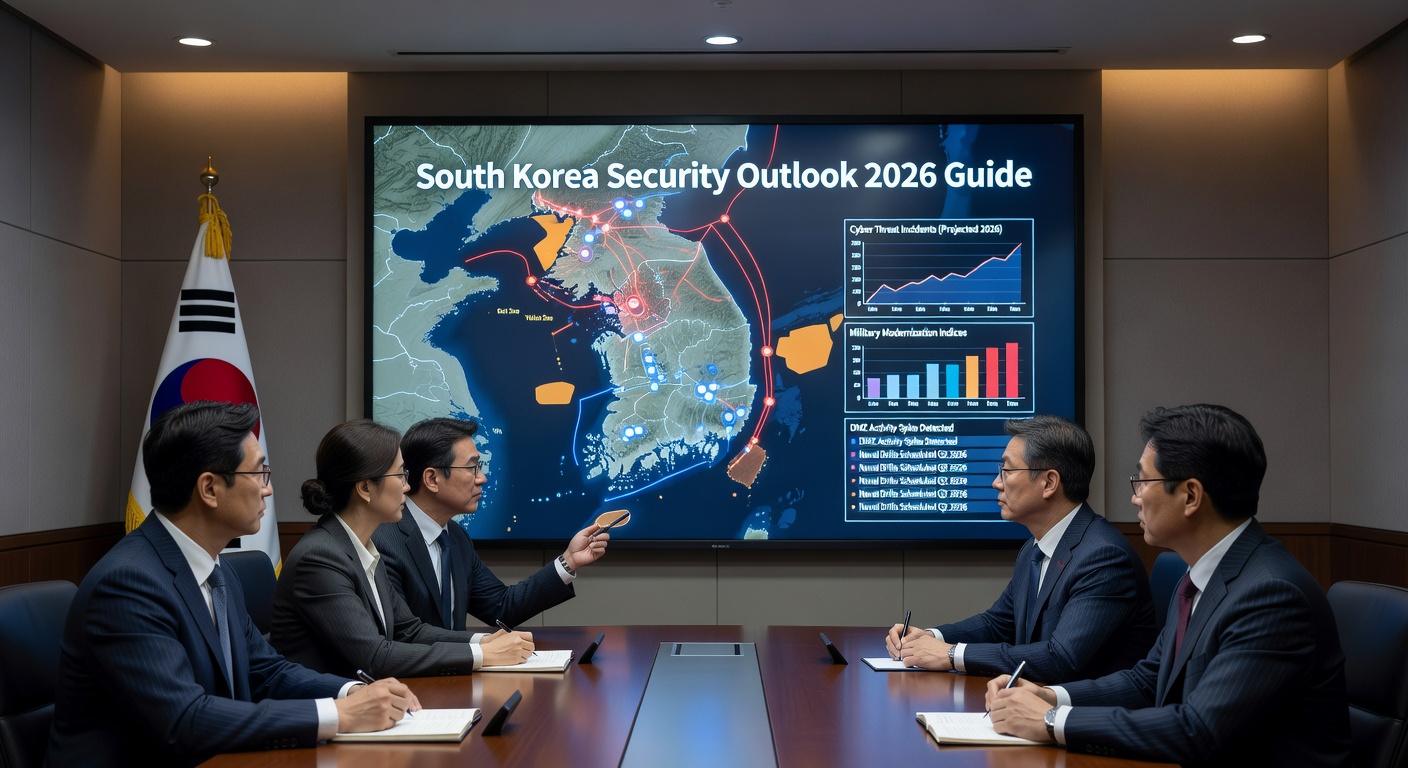
The South Korea 2026 legislative election impact on business is being shaped by the 2024 National Cybersecurity Strategy. This strategy uses a “defend forward” policy. This means taking action against threats before they strike. This strong stance directly drives rapid growth in active defense tools and safe networks.
In 2025, cyber breaches surged over 26%. This dangerous spike forced the Lee administration to announce cross-agency data protection policies. This connects directly to impending South Korea tax policy updates for international investors. These tax updates are designed to attract secure IT capital from Western allies.
Foreign companies must navigate new baseline requirements for regulatory compliance for expats in Seoul. This is very important as hardware solutions now take up 64% of the cyber defense market share. A strong defense needs strong hardware. However, over-regulation can make it hard for companies to buy the best tools. Free market voices warn that too many strict rules will slow down safety upgrades. Businesses need the freedom to choose their own security systems without waiting for slow government approvals.
Visual Context: The domestic cyber defense market is demonstrating a powerful 13.4% CAGR from 2025 to 2033. This aligns closely with the government’s cross-agency data protection milestones established from 2024 to 2026.
For the latest financial context, check the IMF Republic of Korea Data. For specific press releases on finance, visit the Ministry of Economy and Finance Press Center.
Supplemental Explanation: Balancing Security and Business Freedom
National security is the main job of any good government. However, security should not be an excuse to crush business freedom. In 2025, cyber attacks from hostile nations like North Korea jumped 26%. South Korea rightly adopted a tough “defend forward” posture. A strong military and cyber defense protect the free market.
But, we must make sure new security rules do not punish good companies. Regulatory compliance for expats in Seoul must be simple and clear. If compliance is too costly, small foreign tech firms will leave. South Korea tax policy updates for international investors should lower taxes on security hardware. Lower taxes encourage private companies to build better defenses. A safe country attracts wealth, but only if the market remains free.
| Cyber Market Segment | 2025 Market Share | 2033 Growth Driver | Free Market Advantage |
|---|---|---|---|
| Hardware | 64% | Need for physical network safety | Fast private sector upgrades |
| Software | 22% | AI and data analysis tools | Open global competition |
| Services | 14% | Private security consulting | Less state interference |
3. Global Implications
The South Korea 2026 legislative election impact on business will dictate the pace of extended nuclear deterrence and US-ROK alliance commitments. A strong defense alliance keeps the whole region safe. These defense choices fundamentally alter risk models for multinational supply chains operating in the Indo-Pacific. A weak defense invites attacks from authoritarian regimes. A strong defense allows free trade to flourish.
Compared to US and European standards, South Korea’s aggressive push for tech independence is huge. Foreign entities must closely monitor corporate governance trends in South Korea (Chaebol reform). True reform means making joint ventures clear and competitive, not just adding more government oversight.
Rising geopolitical tensions and the big 26% spike in data breaches elevate daily operational risks. This makes South Korea labor law reforms for foreign companies a key factor. International firms need flexible labor laws to attract top cybersecurity and semiconductor talent. Freeing the labor market is essential for global success. Western alliances like AUKUS and NATO rely on strong, free-market partners in Asia.
For global outlooks, see the UPI News on KDI 2026 Growth Forecast. You can also read the CNBC Report on South Korea Q4 GDP and Semiconductor Exports.
Supplemental Explanation: The Western Alliance and Economic Freedom
The bond between South Korea and Western alliances is about more than just guns and ships. It is about shared values of liberty and free enterprise. When we look at global trade, countries that rank high on the economic freedom index do the best. They attract the smartest workers and the most money.
Authoritarian neighbors want to disrupt these free supply chains. That is why the US-ROK alliance is so vital today. However, South Korea must fix its internal rules to match its strong outside defense. Conservative experts from places like the Heritage Foundation note that rigid labor laws hurt workers and companies. South Korea labor law reforms for foreign companies would let businesses adapt fast to global threats. Flexibility beats rigid state planning every time.
| Global Factor | Authoritarian Threat | Free Market Solution | Western Alliance Benefit |
|---|---|---|---|
| Supply Chains | State disruption | Diversified private sourcing | Shared trusted networks |
| Labor Talent | Brain drain | Flexible labor laws | Easy visa movement |
| Tech Defense | Intellectual property theft | Strong private security | Shared cyber intelligence |
4. Actionable Insights
Global analysts should act now. You must hedge against US commitment uncertainties by increasing your portfolio allocations in South Korean cybersecurity hardware and semiconductor stocks. The memory chip supercycle continues to show huge strength in 2026. Private innovation is driving this boom, not government planning.
Multinational operators must take advantage of upcoming South Korea tax policy updates for international investors. You should set up Research and Development (R&D) centers in strategic defense and AI technology zones today. Do this before post-election policy shifts take effect. Lower taxes in these zones prove that keeping government out of the way creates tech booms.
Legal teams need to proactively audit their local operations right now. They must check against the revised National Cybersecurity Strategy. It is vital to streamline regulatory compliance for expats in Seoul to prevent slow-downs from the new offensive cyber rules. Do not wait for bureaucrats to tell you what to do. Use practical resources like the 2026 IMF Article IV Consultation on the Republic of Korea. You should also grab updated foreign direct investment compliance guides from the Ministry of Economy and Finance.
Supplemental Explanation: Capitalizing on Tax Cuts and Deregulation
Actionable insights require looking at the math. High taxes chase money away. Low taxes bring money in. The expected South Korea tax policy updates for international investors are a massive win for free market policies. When a company keeps more of its own money, it builds better products. Analysts writing in the Wall Street Journal often point out that corporate tax cuts directly boost job growth.
International investors should rush to zones that offer these cuts. Furthermore, expats face too much red tape. By streamlining regulatory compliance for expats in Seoul, businesses can focus on building AI and cyber tools instead of filling out government forms. Smart capital always flows to where it is treated best.
| Action Step | Target Sector | Conservative Benefit | Expected Outcome |
|---|---|---|---|
| Invest in Hardware | Cyber & Semiconductors | Backs private defense tech | High ROI from tech boom |
| Utilize Tax Zones | AI and Defense R&D | Keeps capital away from taxes | Faster product launches |
| Audit Compliance | Local Legal Operations | Beats slow bureaucracy | Uninterrupted business |

5. Expert Analysis
The Korea Development Institute and the IMF forecast a tightening 1.9% GDP growth for 2026. This slow number shows how the South Korea 2026 legislative election impact on business ties into a heavy reliance on semiconductor exports rather than domestic buying. A 1.9% growth rate is not enough. It proves that heavy-handed domestic rules are holding back the people.
While local voters focus heavily on localized housing and inflation, global experts see a different picture. International consensus highlights that transparent corporate governance trends in South Korea (Chaebol reform) remain the ultimate catalyst for sustained foreign direct investment. True Chaebol reform does not mean state control. It means empowering individual shareholders to make free choices.
South Korea’s revised National Cybersecurity Strategy outlines five great goals. These are offensive capabilities, global cooperation, infrastructure resilience, tech competitiveness, and operational foundations. These goals signal immense opportunities tied to US interoperability.
Read the exact data at the Korea Development Institute (KDI). Review international numbers at the IMF Republic of Korea Data.
Supplemental Explanation: Why 1.9% Growth Demands Free Market Action
When an advanced economy only grows at 1.9%, alarm bells should ring. Conservative voices from the National Review and financial experts globally point to the same cure: market reforms. You cannot regulate your way to wealth. Inflation and housing costs rise when governments print too much money and restrict land use.
To break out of this slow growth trap, South Korea needs sweeping deregulation. Corporate governance trends in South Korea (Chaebol reform) must focus on ending cronyism. When businesses compete fairly without special government favors, prices drop and quality goes up. The five goals of the cyber strategy are great, but they need a free private sector to build them. Government sets the goal, but free enterprise builds the tools.
| Economic Indicator | 2026 Forecast | Interventionist Problem | Free Market Cure |
|---|---|---|---|
| GDP Growth | 1.9% | Too much regulation | Sweeping deregulation |
| Inflation | Stubbornly high | Excessive state spending | Fiscal responsibility |
| FDI Inflow | Dependent on chips | Red tape scares investors | Lower corporate taxes |
6. Conclusion & Next Steps
The crossing of heightened North Korean cyber threats and the shift toward allied self-reliance makes 2026 a critical year. Navigating the post-election landscape is absolutely imperative for securing intellectual property and keeping your regional market share. Hostile states do not respect fair trade. Western allies must stand strong together. A strong defense protects the free flow of capital. Free markets are the best weapon against authoritarian poverty.
We highly recommend reviewing our related briefings. Please read Evaluating the 2026 Indo-Pacific Defense Industrial Base and Navigating US-ROK Strategic Cybersecurity Cooperation Frameworks in 2026. These guides offer more deep dives into private sector defense.
International fund managers and expatriate executives must fix their Asia-Pacific portfolios now. You must prioritize companies with strong US interoperability and transparent buying standards. Keep your money in places that respect economic liberty. Finally, keep an eye on trusted global resources. Watch the OECD Economic Outlook 2026. Review the World Bank Ease of Doing Business Index. Most importantly, track the Fraser Institute Economic Freedom Trackers to see if South Korea is moving toward liberty or state control.
Supplemental Explanation: The Path Forward for Global Portfolios
Your final steps for 2026 must focus on risk and reward. Authoritarian neighbors pose a huge risk. Free enterprise offers a massive reward. As an investor, you vote with your dollars. Move your capital into South Korean firms that align with Western security standards. Avoid companies that rely on state subsidies. Look for businesses that thrive on pure market competition.
The South Korea 2026 legislative election impact on business will either open the doors to a new golden age of tech growth or close them with red tape. By tracking the economic freedom index and demanding pro-business policies, global stakeholders can protect their wealth. Liberty, strong defense, and free trade will always outlast state control.
| Next Step For Investors | Resource to Track | Why It Matters |
|---|---|---|
| Monitor Liberty Metrics | Fraser Institute Trackers | Shows if markets are opening |
| Align Portfolios | Defense Industrial Base guides | Ensures defense tech readiness |
| Check Bureaucracy | Ease of Doing Business Index | Highlights red tape dangers |
Frequently Asked Questions (FAQ)
Q1. How will the 2026 South Korean legislative election directly impact global investors?
The election outcomes will dictate critical regulatory paths, including impending labor law reforms, potential tax policy updates, and corporate regulations. A strong pro-market result can accelerate tech sector growth and invite billions in foreign capital, while a restrictive outcome might suppress innovation and lead to bureaucratic gridlock.
Q2. What is fueling the significant projected growth in South Korea’s cyber defense market?
Driven by a sharp 26% surge in regional cyber breaches, South Korea is actively employing a “defend forward” strategy. The resulting push for active defense tools, hardware independence, and network security has placed the domestic cyber security market on track to reach USD 9,392 million by 2033 at a 13.4% CAGR.
Q3. Why is Chaebol reform crucial for future foreign direct investment?
True Chaebol reform establishes transparent corporate governance, which is vital for building trust with international investors. Reforming major conglomerates to respect individual shareholder rights helps dismantle cronyism and creates a fair, competitive free-market environment that is attractive to global businesses.