


Investing in South Korea: Tension 2026
Key Summary: Investing in South Korea during 2026 geopolitical tension requires navigating severe market friction and strict residential regulations. To protect their portfolios and ensure free-market wealth creation, global investors must urgently pivot away from heavily regulated capital zones. By targeting unregulated commercial real estate and regional hubs, expats can bypass extensive bureaucratic red tape and securely grow their wealth in an open environment.
Table of Contents
- 1. Introduction to Korean Market Challenges
- 2. Current 2026 Market Regulations and Safe Havens
- 3. Global Implications of Government Overreach
- 4. Actionable Free-Market Strategies for Expats
- 5. Conservative Expert Analysis on Market Health
- 6. Conclusion and Next Steps for Your Portfolio
- Frequently Asked Questions (FAQ)

1. Introduction to Korean Market Challenges
Investing in South Korea during geopolitical tension demands smart and fast moves in 2026. Huge government rules are freezing free-market property trading for expats and global capital. For international buyers, putting money into South Korea is no longer a simple deal.
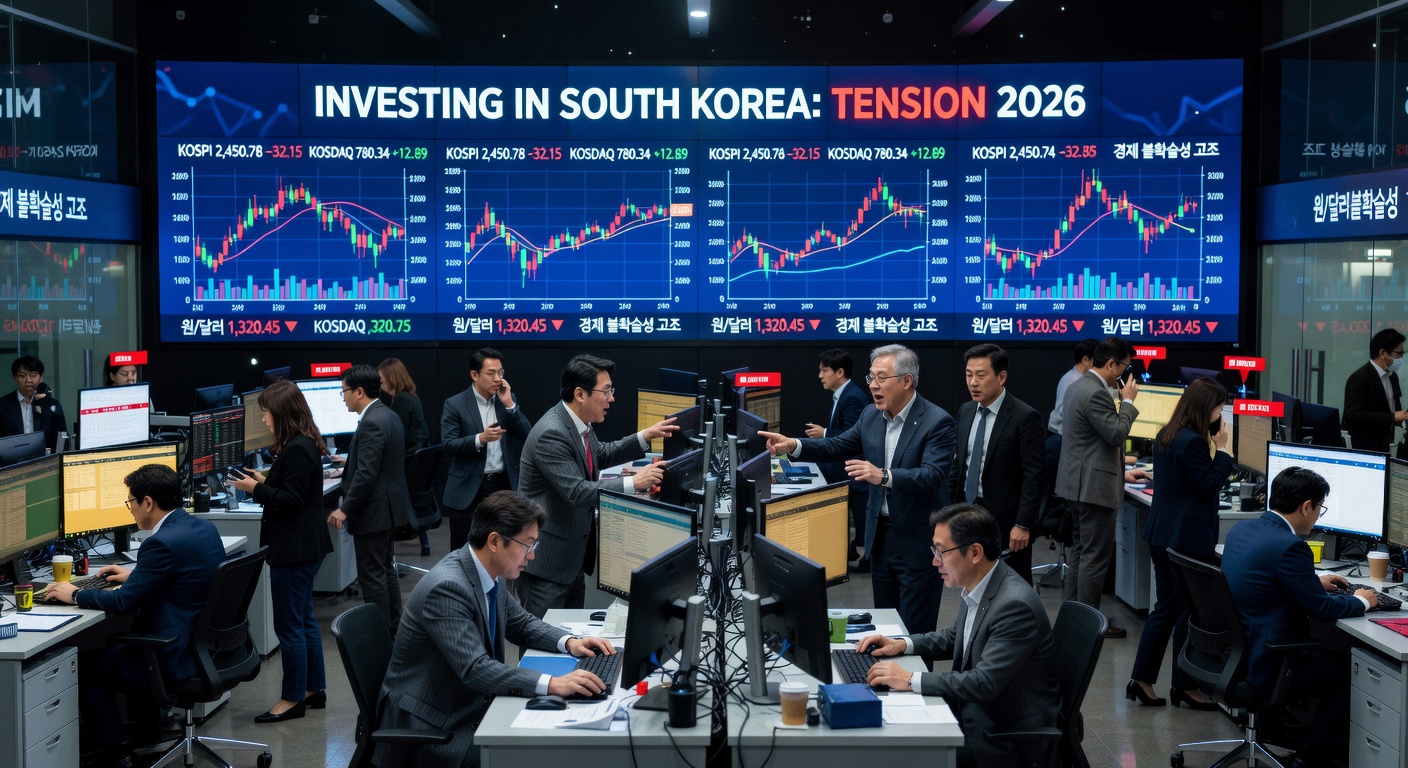
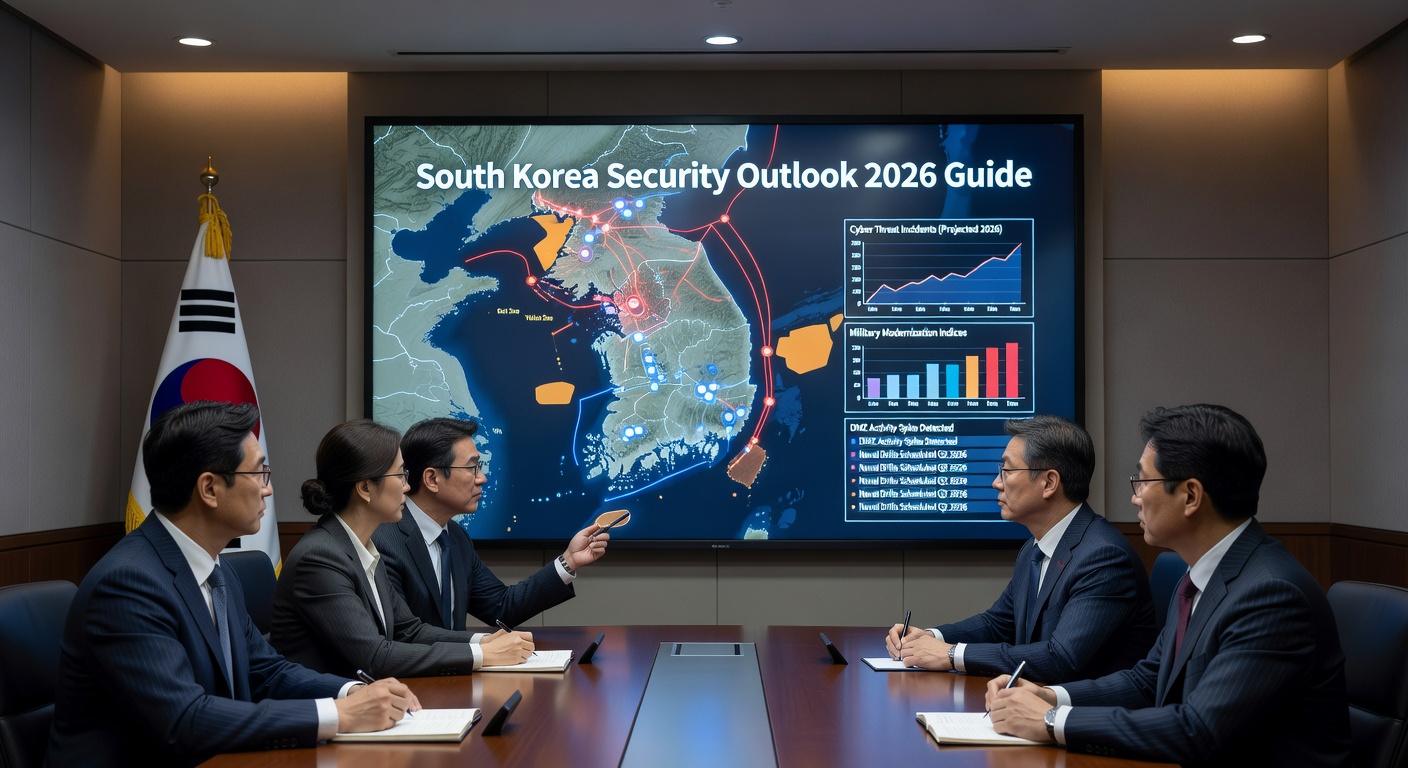
It has become a highly politicized hurdle. Investors must navigate very strict 2026 lending policies. Big government control over the housing market directly hurts foreign buyers. KOSPI volatility and North Korean threats are making things worse.
These issues add deep friction to the domestic market. Because of this, multinational buyers must urgently rethink their real estate choices. Harsh lending caps limit how much people can borrow from banks. The new Foreign Land Transaction Permit also acts as a heavy ban.
It effectively stops pure rental investments for non-residents in major speculative zones across the capital. Mitigating Foreign capital flight risks Korea requires global investors to change paths. They must pivot away from heavily restricted residential zones.
Instead, they should look toward commercial real estate and deregulated provincial hubs. Free markets always offer better paths for wealth creation.
| Factor | Government Action | Free-Market Impact |
|---|---|---|
| Property Rights | Strict permits needed to buy homes | Violates basic ownership freedom |
| Capital Flow | Heavy limits on bank loans | Freezes wealth creation for expats |
| Geopolitics | Rising regional military threats | Forces investors to seek safe havens |
Research Sources:
- Review the Bamboo Routes: Foreigner Guidelines for details on property barriers.
- Read about the IMI Daily: Property Purchasing Bans affecting international expats.
Supplemental Explanation: Understanding Market Friction
When we talk about market friction, we mean the roadblocks governments place in front of free enterprise. In a true free market, a buyer and a seller make a deal without state interference. However, in 2026, South Korea has introduced massive layers of red tape.
The government demands extreme paperwork, high deposits, and strict approvals just to buy a simple home. This kills the fast, easy flow of capital. For global expats, this means extra legal costs and wasted time. This red tape directly discourages Western money from entering the country.
Conservative financial planners always warn that heavy rules lower property values over time. By forcing buyers to jump through hoops, the state ruins the natural balance of supply and demand.
“Real wealth is built when markets are open and free. Therefore, international investors must recognize this friction early. You must adjust your plans to protect your hard-earned wealth from state overreach.”

2. Current 2026 Market Regulations and Safe Havens
The 2026 Foreign Land Transaction Permit is an aggressive state policy. It forces non-residents to get strict government approval before buying property in the capital. Buyers must also commit to a two-year residency.
This destroys traditional rental investment strategies for foreigners, including traditional key money deposit strategies. Latest 2026 data shows home loan limits slashed to 30-50 percent for non-residents. This operates alongside extreme debt ratios.
Buyers now need a monthly net income three to four times higher than their loan payments. These heavy-handed rules punish foreign investors and slow down free enterprise. Understanding the South Korea credit rating forecast 2026 is critical right now.
Staggering household debt concerns drive these central domestic capital controls. These rules severely limit borrowing capacity for the international middle class. Physical residential property faces massive bureaucratic walls. However, commercial properties have emerged as the premier Safe haven assets in South Korea.
They are completely exempt from residency mandates. Heavy-handed government interventionism artificially suppresses demand. This actively exacerbates Foreign capital flight risks Korea. It pushes Western wealth to seek unregulated alternatives. Conservative experts warn that restricting free trade harms the overall economy.
| Market Feature | South Korea (2026 Rules) | US Sunbelt States (Texas/Florida) |
|---|---|---|
| Buying Freedom | Government approval required | Full free-market open purchasing |
| Rental Rules | Forced 2-year owner residency | No residency limits for landlords |
| Bank Loans | Hard limits on borrowing | Market-driven borrowing rates |
| Wealth Growth | Stifled by heavy red tape | Encouraged by pro-business laws |
Research Sources:
- Check out Bamboo Routes: Foreigner Rights for more details on shifting ownership trends.
- Explore the Homes Go Fast: Market Trends Guide for comparative real estate strategies.
Supplemental Explanation: The Cost of Central Planning
Central planning happens when a government tries to control prices instead of letting the free market work. The 2026 Foreign Land Transaction Permit is a perfect example of bad central planning. By forcing non-residents to live in a property for two years, the government destroys the rental market.
In places like Texas or Florida, investors can buy a home and rent it out the very next day. This creates housing for renters and wealth for investors. In South Korea, these strict residency rules freeze the market. Furthermore, strict loan caps mean banks are not allowed to lend freely.
When the government tells banks how much they can lend, borrowing costs go up. The international middle class gets locked out.
“Only the ultra-rich can afford to buy property with full cash. This is why free-market policies are always better. They allow everyday people to invest, borrow, and grow their wealth without asking for state permission.”

3. Global Implications of Government Overreach
Navigating these aggressive lending restrictions creates severe operational friction. Multinational enterprises face huge problems when seeking to house foreign executives. Expanding local business footprints is much harder under these strict rules.
Unlike the market-friendly lending environments in Western-aligned Sunbelt states, this nation chooses state control. Populist anti-speculation policies severely punish wealth creation. They violate the free-market property rights that Western investors expect. A strong global economy needs open housing markets to thrive.
The near inability to secure standard home financing is a huge warning sign. It heavily drives up Foreign capital flight risks Korea. International stakeholders face deeply discounted offshore credit histories. They also face exhausting domestic income paperwork requirements.
Standard housing becomes heavily penalized by the state. Because of this, institutional investors are aggressively redirecting their capital. They are moving money toward unregulated commercial sectors to establish reliable Safe haven assets in South Korea.
Western executives must acknowledge a hard truth today. Investing in South Korea during geopolitical tension requires dealing with the friction of localized central planning. This state planning is just as difficult to manage as the broader US-allied security umbrella. True economic freedom is sadly shrinking in the domestic housing sector.
| Business Action | Big Government Barrier | Free-Market Solution |
|---|---|---|
| Housing Executives | Denied standard mortgages | Corporate commercial leases |
| Growing Capital | Punished by high taxes | Moving funds to pro-business states |
| Market Entry | Endless state paperwork | Using offshore corporate blockers |
Research Sources:
- Consult Chambers Practice Guides: Investing in 2026 for insight into localized legal barriers.
- Read the full report on IMI Daily: Foreign Property Rules affecting expats and executives.
Supplemental Explanation: Why Capital Flight Happens
Capital flight is a simple concept.
“Money always goes where it is treated best. When a country respects free-market property rights, money flows in. When a country creates heavy taxes, tight lending rules, and harsh permit systems, money runs away.”
This is the danger South Korea faces in 2026. Global companies need to move their top executives around the world. If buying a home for a Western executive takes months of government approvals, the company will invest somewhere else. They will move their operations to countries that welcome business.
Populist anti-speculation policies always sound good to local voters, but they destroy economic growth. Institutional investors hate unpredictability. They rely on steady laws to protect their large investments.
By penalizing standard housing, the state is pushing millions of dollars away. Investors are now forced to find safe havens in commercial real estate or entirely different countries. Over-regulation is the fastest way to ruin a growing economy.
4. Actionable Free-Market Strategies for Expats
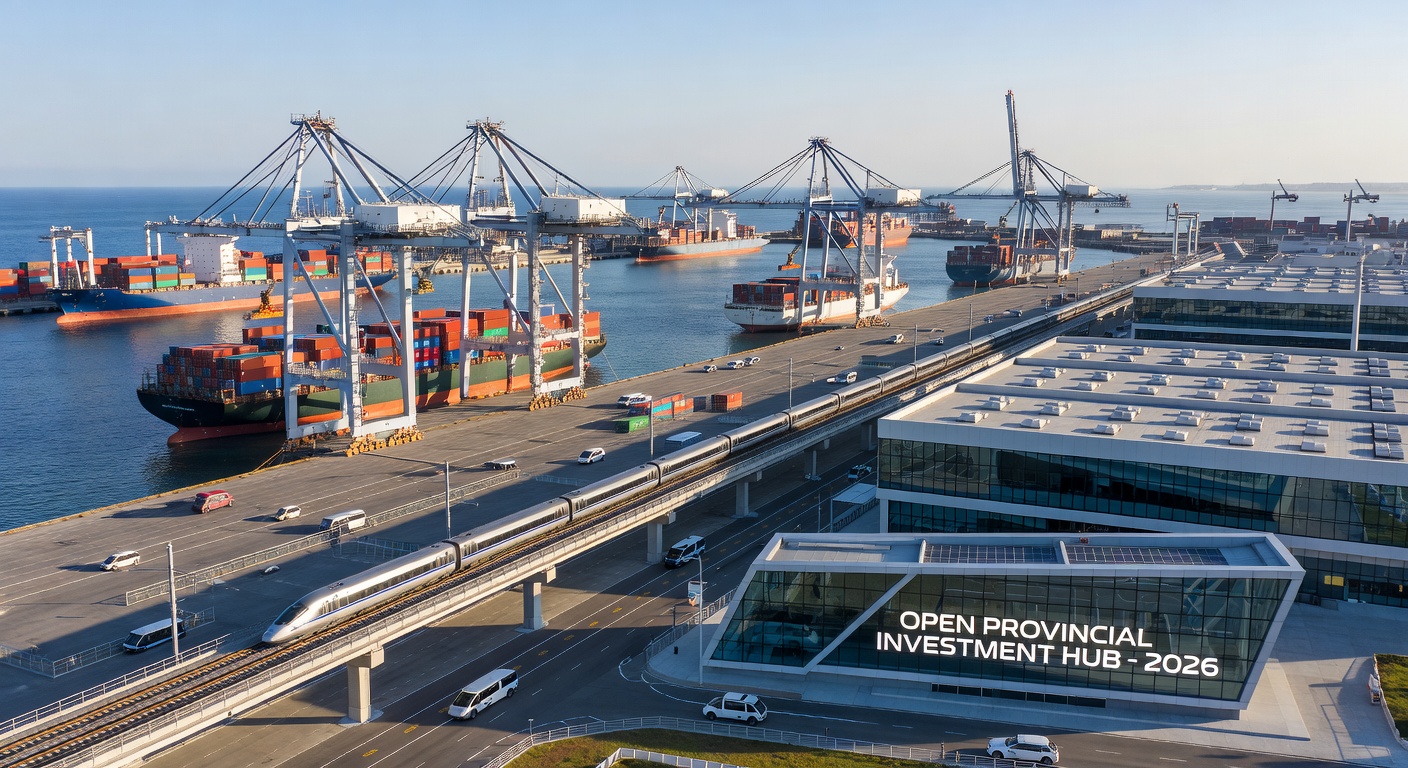
Global readers must take immediate action to protect their wealth. You must completely bypass the heavily regulated capital city area. Shift your active investment focus to deregulated provincial hubs instead. Coastal port cities and southern hubs let you escape the harsh permit system.
Use smart investment strategies to protect your capital. Capitalize on commercial real estate instead of single-family homes. Utilize corporate blocker structures to bypass personal residency commitments. This helps secure yielding Safe haven assets in South Korea without state interference.
Risk reduction is vital for your portfolio in 2026. You must actively hedge against KOSPI volatility and North Korean threats. You can do this by securing fixed-rate financing through established international banks. These global banks inherently understand expat financial profiles better than local banks.
Avoid complex ESG-linked mortgages that add useless green restrictions. Build localized credit profiles aggressively utilizing housing deposit deductions. Ensure all offshore cash transfers strictly comply with the latest February 2026 foreign exchange laws.
Follow international anti-money laundering standards closely. Utilize the Heritage Foundation Index of Economic Freedom guidelines to map safe zones. Consult specialized Western expat tax advisors to structure commercial property purchases properly. Free-market planning helps you beat big government barriers.
| Action Step | Purpose | Free-Market Benefit |
|---|---|---|
| Buy Commercial Property | Avoid residency rules | Protects pure ownership rights |
| Use International Banks | Bypass local loan caps | Secures fair market borrowing rates |
| Avoid ESG Mortgages | Stop extra regulations | Keeps your capital flexible and free |
| Consult Tax Experts | Navigate February 2026 laws | Shields wealth from state taxes |
Supplemental Explanation: Bypassing Government Roadblocks
“Smart investors never let government roadblocks stop their wealth creation. Instead, they find legal ways to bypass the red tape.”
In 2026, the best strategy is moving away from the highly controlled capital city. Regional hubs offer much more freedom. By using corporate blocker structures, investors can buy real estate as a business entity. This smartly avoids the personal residency requirements forced upon individual buyers.
A business does not have to sleep in a house for two years. Also, relying on international banks helps expats get fair treatment. Local banks are forced by their government to ask for impossible domestic income proofs.
International banks understand global wealth and offshore income. Always stay compliant with foreign exchange laws to protect your assets. Using tax advisors who understand Western free-market principles will save you from paying unnecessary fees. Proper planning keeps your portfolio safe from unpredictable state interventions and ensures steady growth.

5. Conservative Expert Analysis on Market Health
Official forecasts from the World Bank and IMF in early 2026 highlight key trends. Macroeconomic trade under the pro-Western alliance remains very robust. However, huge domestic capital controls are stifling local growth. Newly imposed foreign real estate restrictions block vital investment.
The baseline South Korea credit rating forecast 2026 remains stable on a sovereign level. This stability comes entirely from strong high-tech exports. Yet, punishing internal regulatory burdens directly drag down the nation’s economic freedom scores. State control is slowing down the free market.
Local central planners justify residential permits as necessary tools against speculation. However, conservative free-market economists globally disagree entirely. They view these mandates as deeply anti-business government overreach.
The Wall Street Journal and National Review perspectives strongly support free-market housing. Escaping state control is essential for true wealth creation. Escalating anxieties over overseas buyers have led to a toxic price-control mentality.
This restricts necessary capital liquidity exactly when foreign investment is required. Market liquidity is the absolute best way to balance KOSPI volatility and North Korean threats. When governments over-regulate, they damage their own safety nets. The state must allow capital to flow freely to protect its citizens.
| Source / Viewpoint | Analysis on 2026 Regulations | Economic Impact |
|---|---|---|
| Central Planners | Necessary tool to control home prices | Freezes foreign buyer activity |
| IMF / World Bank | Notes strong trade but weak local rules | Drag on domestic economic growth |
| Heritage Foundation | Tracks drop in property right freedom | Lowers overall global ranking |
| Conservative Experts | Calls out dangerous state overreach | Destroys long-term wealth creation |
Research Sources:
- See Homes Go Fast: Expert Analysis for international economic comparisons.
- Dive into the detailed rules at Bamboo Routes: Foreigner Real Estate Rules.
Supplemental Explanation: Economic Freedom vs. Regulation
Economic freedom is the true measure of a nation’s health. The Heritage Foundation tracks this freedom globally. Countries with high economic freedom have less poverty and more innovation. While South Korea enjoys strong high-tech exports, its housing market is dragging down its overall score.
Local central planners wrongly believe that controlling prices stops speculation. However, conservative economists know that price controls only cause shortages. When you punish overseas buyers, you remove cash from the economy. This cash is badly needed to protect the nation against geopolitical shocks.
A strong, liquid market acts as a shield against outside threats. When a market is highly regulated, it becomes weak and fragile. The Wall Street Journal and other pro-market voices constantly remind us that capital needs freedom to move.
If South Korea wants to remain a top-tier economy, it must drop these anti-business mandates. Freeing the housing market is the only real path to long-term stability.

6. Conclusion and Next Steps for Your Portfolio
Overcoming the 2026 residential financing hurdles requires decisive action from global leaders. Global decision-makers must abandon traditional residential speculation. You must strategically pivot towards commercial properties and deregulated regional markets.
This shift saves your capital from government overreach. Despite heavily regulated domestic economic policies, bright spots remain. The ultimate safeguard for foreign capital is the country’s bedrock military alliance with the US. Strong economic alliances with NATO partners also protect long-term market stability.
A strong Western alliance stops full market collapse and keeps trade lanes open. True market reforms are needed, but these alliances provide a strong safety net today. Investors should always seek out free-market policies to grow their money.
Please explore our related guides on navigating free-market real estate in US Sunbelt states. Also, read our guide on the true cost of government overreach in global housing markets. Subscribe to our newsletter for unapologetically free-market analysis on global hotspots.
We provide highly actionable expat investment strategies. We offer critical updates on protecting international portfolios against over-regulation. Read the Cato Institute reports and check the Financial Services Commission April 2026 debt plan updates. Connect with vetted international mortgage brokers operating within Asian financial centers today to protect your wealth.
| Resource Type | Action to Take | Expected Outcome |
|---|---|---|
| US Alliance Reports | Monitor NATO and military news | Understand regional safety levels |
| Cato Institute Data | Read economic freedom reports | Spot free-market investment zones |
| FSC April 2026 Updates | Track national debt plan rules | Stay ahead of new banking limits |
| Global Mortgage Brokers | Contact expat lending experts | Secure fair borrowing rates |
Supplemental Explanation: Protecting Your Long-Term Portfolio
Protecting your wealth requires constant education and smart choices. As a global investor, you must stay ahead of changing rules. Government overreach is a global problem, not just an Asian one.
However, the strong military and economic alliance between the US, NATO, and South Korea provides a powerful safety net. These Western alliances ensure that full economic collapse is highly unlikely. Pro-Western trade partnerships keep the broader economy moving forward.
For your personal portfolio, this means you can still make money if you choose the right assets. Commercial properties remain mostly free from state control. By focusing on these deregulated spaces, you enjoy the benefits of the strong economy without the pain of the housing rules.
We highly recommend connecting with free-market groups like the Cato Institute. Reading their reports will keep your mindset strong. Always consult with pro-business financial advisors to keep your investments growing safely.
Frequently Asked Questions (FAQ)
Q1: Why is investing in South Korea’s residential market more difficult for expats in 2026?
A: In 2026, the South Korean government introduced aggressive market controls, including the new Foreign Land Transaction Permit and harsh bank lending caps (slashing limits to 30-50 percent for non-residents). These policies mandate strict government approvals and personal residency, deliberately freezing pure rental investment strategies for foreign capital.
Q2: What are the recommended safe haven assets to bypass these new property regulations?
A: Global investors are strongly advised to pivot away from capital city single-family homes and focus heavily on commercial real estate or deregulated provincial hubs. Commercial properties are entirely exempt from the oppressive personal residency mandates and offer a free-market path to protect and grow wealth.
Q3: How does state overreach impact capital flight and market stability?
A: By suffocating the housing sector with massive layers of red tape, the government actively pushes international money to seek more favorable, pro-business environments. This heavy-handed intervention strips the domestic market of vital liquidity, making it much more vulnerable to external shocks like KOSPI volatility and North Korean threats.