

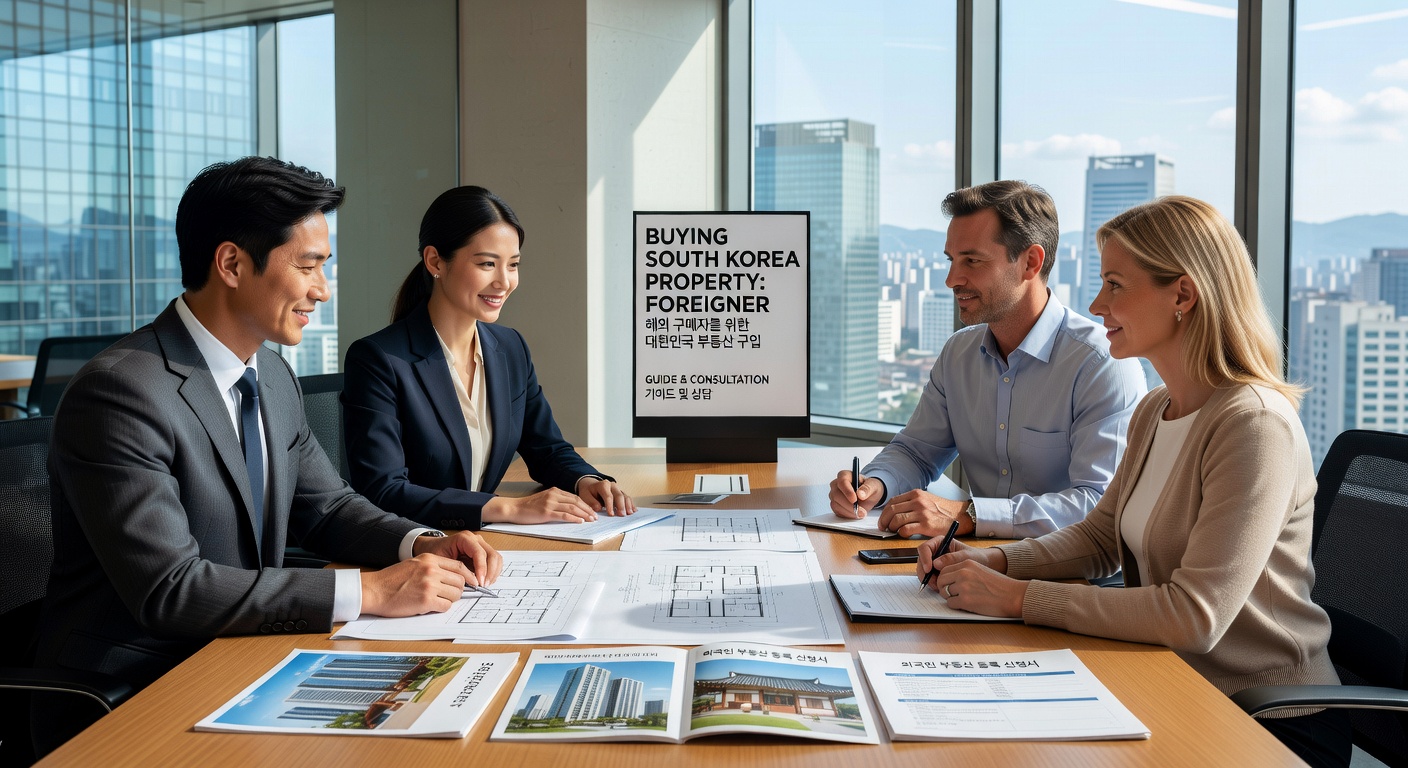
Buying South Korea Property: Foreigner
Key Summary: Navigating the 2026 South Korean property market as a foreigner requires strict adherence to new government regulations, including mandatory Land Transaction Permits for restricted zones and lowered Loan-to-Value (LTV) limits capped at 40%. To bypass these stringent residential barriers, savvy international investors are pivoting toward commercial-residential hybrid units, known as officetels, in high-demand areas like Seongdong-gu and Mapo-gu to secure stable yields.
Table of Contents
- Current Situation: South Korea LTV limits and Expats Regulations
- Global Implications: How Rules Impact Foreign Stakeholders
- Actionable Insights: Best areas to buy property in Seoul 2026
- Expert Analysis: Forecasting the 2026 Market
- Conclusion & Next Steps
- Frequently Asked Questions (FAQ)
Buying property in South Korea as a foreigner in 2026 has transitioned from a simple process into a highly regulated landscape requiring deep strategic planning. Leading up to 2026, foreign housing deals in the Seoul area jumped by an incredible 26% annually.
This massive surge forced the government to create the strictest foreign ownership rules in the country’s history. International investors, global expats, and wealth analysts must now navigate a very complex market.
There are three key takeaways for global buyers this year:
- Mandatory Approvals: You must get a mandatory Land Transaction Permit if you are a foreigner buying in restricted zones.
- Tightened Financing: Bank loan limits (called LTV) for mortgages have dropped drastically to just 40%.
- New Targets: Smart investors are now targeting commercial-residential hybrid units to bypass strict new residency rules.
As the market changes, understanding these shifts is critical. For more background on these historic changes, investors can review recent updates on South Korea real estate foreign investment rules and what foreign buyers need to know today.
Supplemental Explanation: Market Drivers and Conservative Perspectives
The 26% surge in foreign property buying did not happen by accident. Much of this growth came from overseas investors seeking a safe harbor. Conservative Korean analysts note that the strong US-Korea security alliance has made Seoul a highly attractive safe haven for global capital.
As geopolitical tensions rise elsewhere in Asia, South Korea’s firm stance against North Korea and tight alignment with American defense policies provide comfort to Western investors. Furthermore, a commitment to Korean economic freedom and market reforms by conservative leaders has encouraged foreign direct investment.
However, to protect local citizens from rapid price spikes caused by speculative foreign cash, lawmakers had to strike a balance. The new 2026 rules aim to welcome legitimate, long-term foreign residents while blocking short-term property flippers.
Current Situation: South Korea LTV limits and Expats Regulations
To understand South Korea real estate foreign investment rules, you must first learn three vital local concepts. The first is “Jeonse,” a unique rental system where the tenant gives the landlord a massive lump-sum deposit instead of paying monthly rent.
The second is the “Officetel.” These are hybrid commercial-residential units that are currently safe from the strict new permit rules. Finally, you must know about “Land Transaction Permit Zones” (LTPZ). These are highly regulated areas designed to stop property speculation.
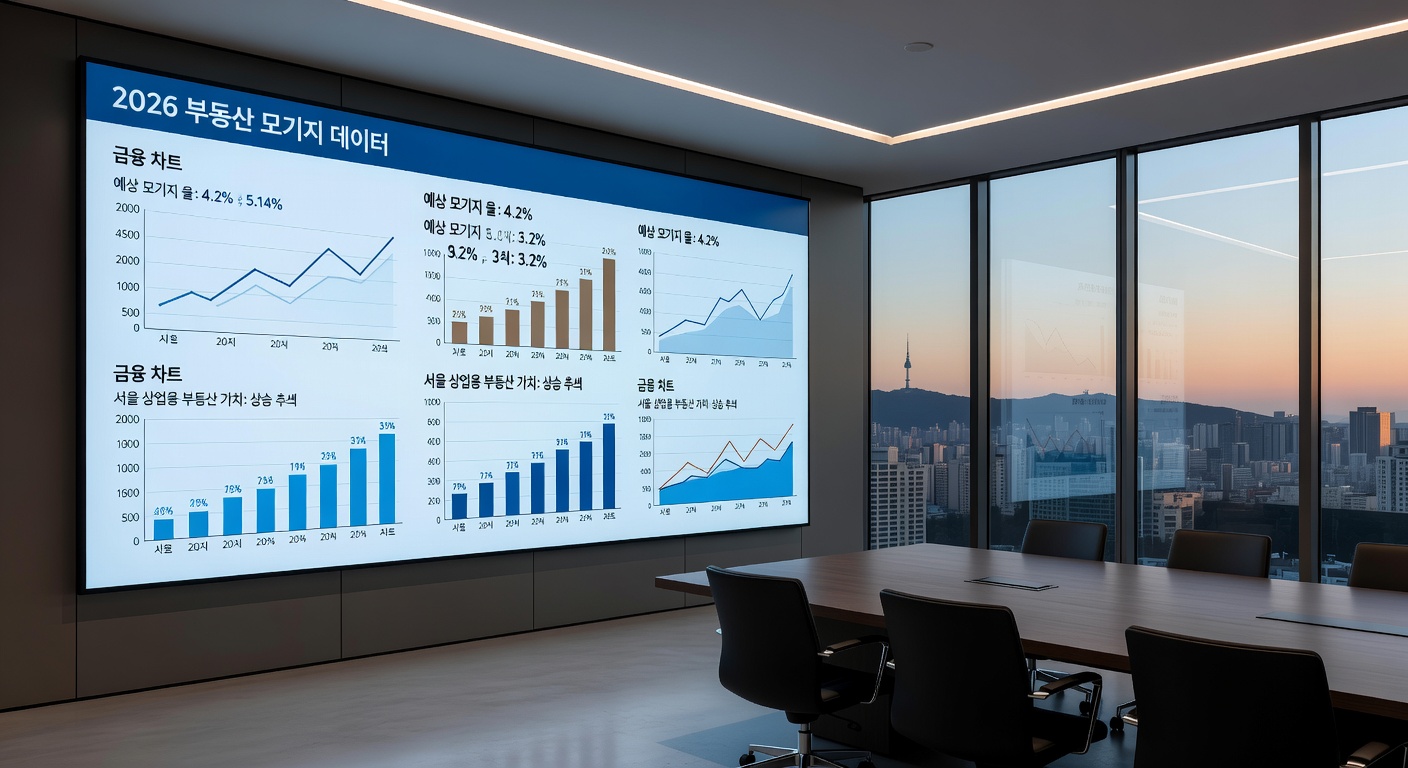
As of March 2026, all 25 districts of Seoul are officially named speculative zones. This strict rule lasts through December 31, 2026. Because of this, South Korea LTV limits for first-time buyers have dropped down to 40%. There is also a hard limit of 600 million KRW on the total loan amount.
If you already own a home, the rules are even harsher. Multi-homeowners are completely banned from getting new mortgages. Korean mortgage regulations for expats follow these exact same strict limits, meaning you need a lot of cash to buy a home here.
Visual Recommendation: Imagine a color-coded regional map here. Seoul is colored bright red, showing the strict “prior-approval” permit zones. Meanwhile, regional hubs like Busan and Jeju Island are colored green, showing the unrestricted 60-day reporting zones.
Real Estate Regulations by Region in 2026
| Region Type | LTV Limit | Mortgage Cap | Permit Requirement | Best Property Target |
|---|---|---|---|---|
| Seoul (All 25 Districts) | 40% (First-time only) | 600 Million KRW | Prior-Approval Required | Officetels (exempt) |
| Gyeonggi Province (Select) | 50% | 800 Million KRW | Prior-Approval Required | New Apartments |
| Busan / Jeju Island | 70% | No Hard Cap | 60-Day Post-Reporting | Vacation Villas |
For official data on these zoning policies, you can read the latest reports from the Korea Herald on speculation zones, review English guides on 2025-2026 real estate policy, and check updates from the Financial Services Commission.
Supplemental Explanation: The Logic Behind the Limits
Why did the government make these rules so strict? Conservative thinkers at major newspapers like the Dong-A Ilbo argue that keeping household debt low is essential for national security and economic freedom. High debt makes a country weak.
By dropping South Korea LTV limits for first-time buyers to 40%, the government protects banks from market crashes. While some foreign buyers feel frustrated by these limits, conservative policymakers see them as necessary market reforms. They want a free market, but a stable one.
Expats must understand that these rules are not meant to punish them. Instead, Korean mortgage regulations for expats are designed to ensure that only financially secure buyers enter the highly competitive Seoul housing market.
Global Implications: How Rules Impact Foreign Stakeholders
Under the strict 2026 South Korea real estate foreign investment rules, buying residential property in Seoul requires serious commitment. Foreign buyers must now secure official government approval before they even sign a contract.
Furthermore, buyers must commit to a mandatory two-year residency in the home. This new rule completely ends the practice of short-term residential flipping by non-residents. You can no longer buy a Seoul apartment just to leave it empty and sell it for a quick profit a year later.
When we look at global benchmarks, South Korea’s market is shifting. Places like Japan and the UK still offer very easy freehold ownership for foreigners. However, South Korea’s current rules look much more like the strict systems in Singapore and parts of Canada. Those countries also use strict foreign buyer taxes and tight zoning controls to protect locals.
Adding to the difficulty are the strict Korean mortgage regulations for expats. Banks demand rigorous income checks. Furthermore, current mortgage interest rates are hovering between 3.8% and 5.2%. This means foreign buyers face massive upfront cash requirements. This greatly raises the barrier to entry for buying prime property in Seoul.
Global Foreign Buyer Policy Comparison (2026)
| Country | Buying Difficulty | Foreigner Tax / Stamp Duty | Residency Required? | Market Type |
|---|---|---|---|---|
| South Korea (Seoul) | Very High | Standard + Permit Fees | Yes (2 Years) | Highly Regulated |
| Japan (Tokyo) | Low | Standard Taxes | No | Open Freehold |
| United Kingdom | Low | 2% Foreign Surcharge | No | Open Freehold |
| Singapore | Extreme | 60% ABSD (Stamp Duty) | N/A (Cost Prohibitive) | Heavily Restricted |
| Canada (Toronto) | High | 25% Non-Resident Tax | Varies by Visa | Heavily Restricted |
For more details on navigating these high barriers, explore insights on financing real estate in South Korea as a foreign investor and recent Asian market shifts.
Supplemental Explanation: Protecting Property Rights vs. National Interests
From a conservative perspective, protecting private property rights is the foundation of economic freedom. However, conservative voices in South Korea believe that unmanaged foreign capital can threaten domestic stability. Unrestricted buying by hostile nations can inflate housing prices, pricing young conservative voters out of the market.
Therefore, the mandatory two-year residency rule is viewed as a smart compromise. It welcomes foreigners who actually want to live, work, and contribute to the US-Korea security and economic alliance, while rejecting pure speculators. For expats, the 3.8% to 5.2% interest rates are challenging. Yet, these rates reflect a strong, stable banking system that does not rely on artificial government bailouts.
Actionable Insights: Best areas to buy property in Seoul 2026
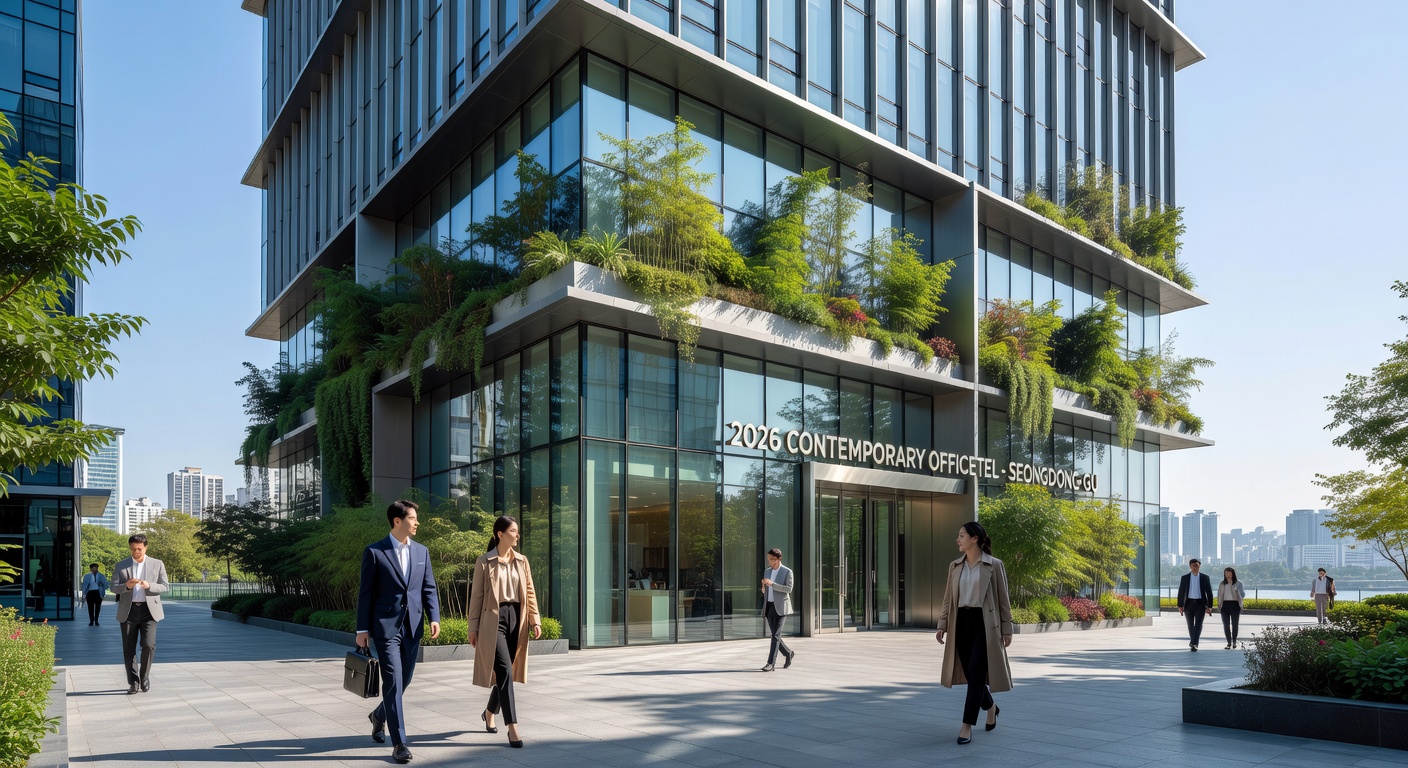
If you are buying property in South Korea as a foreigner, you need to know exactly what steps to take right now. Global readers should pivot their buying strategies toward “officetels” in major city areas. Because officetels are classified as commercial properties, they completely bypass the new mandatory residency and permit rules required for standard apartments. You do not need prior government approval to buy them.
The best areas to buy property in Seoul 2026 include Seongdong-gu and Mapo-gu. Seongdong-gu is often called the “Brooklyn of Seoul” because of its trendy cafes near Seoul Forest. Mapo-gu, home to the Hongdae area, is amazing for rental demand. Both areas offer strong rental yields of 3.5% to 4.5%.
On the other hand, you should strictly avoid buying older, poorly connected suburban villas. These old homes have no reconstruction value and will trap your cash. You must follow the rules. Attempting to bypass the Foreign Land Transaction Permit requirement for normal apartments in the Seoul Metropolitan Area brings severe punishments. You can face penalties of up to 10% of the property value, and the government will instantly cancel your contract.
You can find zoning maps on the Ministry of Land, Infrastructure and Transport (MOLIT) English portal. Always use specialized local legal help for the strict permit process.
Top Seoul Neighborhoods for Foreign Buyers in 2026
| District | Nickname / Vibe | Expected Yield | Target Property Type | Why Buy Here? |
|---|---|---|---|---|
| Seongdong-gu | The Brooklyn of Seoul | 3.5% – 4.5% | Officetels / Luxury | Next to Seoul Forest, high expat demand. |
| Mapo-gu | Tech & Youth Hub | 4.0% – 4.8% | Officetels | Incredible transit, massive student/worker renter pool. |
| Gangnam-gu | The Business Center | 2.5% – 3.0% | Premium Officetels | Safe value storage, highest capital appreciation. |
| Pyeongtaek (Sub-Seoul) | The Silicon Valley | 4.5% – 5.5% | Modern Apartments | Massive US Military and AI/Tech factory boom. |

Supplemental Explanation: The 2026 Tech Boom and Real Estate Demand
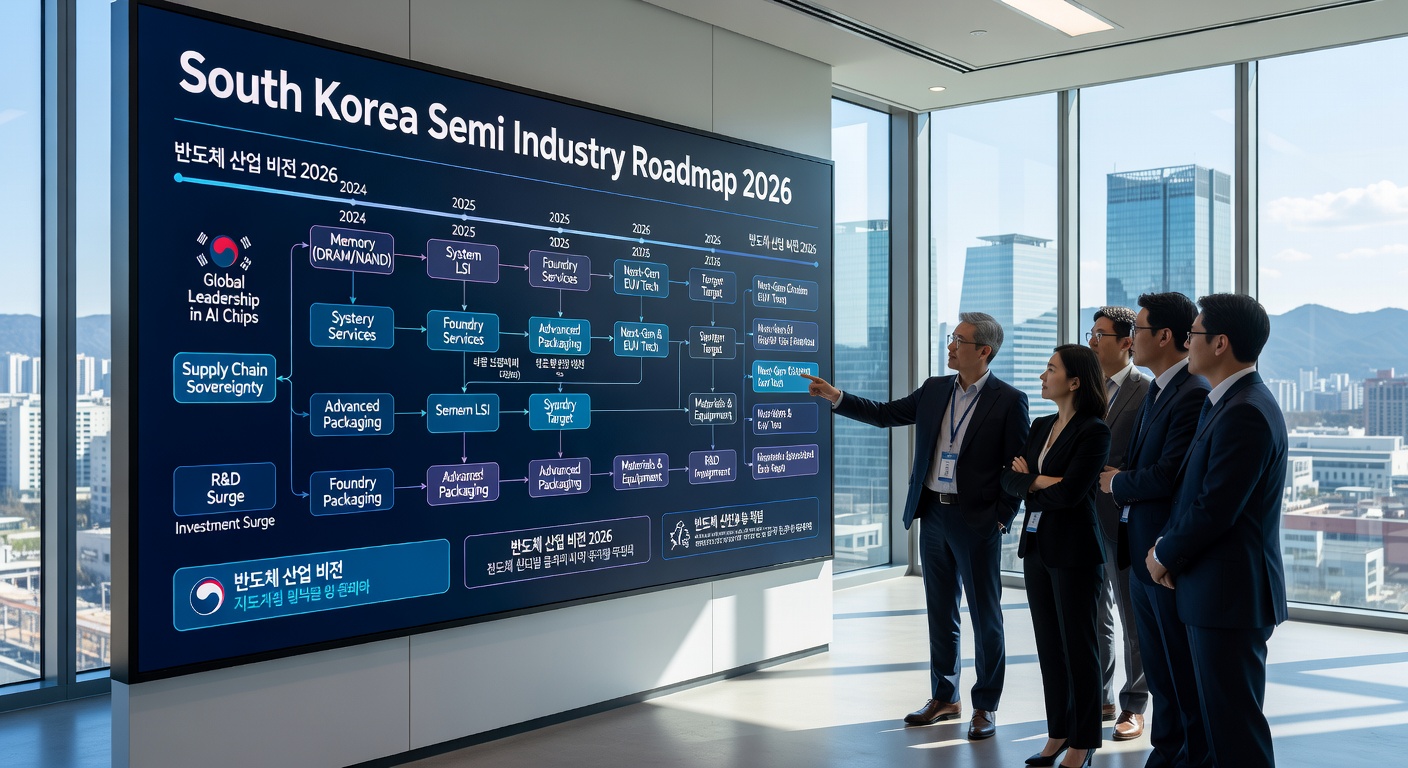
A major factor driving real estate in 2026 is South Korea’s massive technology boom. Currently, South Korean companies like Samsung Electronics and SK Hynix control a massive 80% of the global HBM4 microchip market. These chips are vital for global AI networks.
This tech dominance creates thousands of high-paying jobs for global engineers and executives. These wealthy expats flood into areas like Mapo-gu, Seongdong-gu, and southern tech hubs like Pyeongtaek. Conservative economic policies strongly support these large tech companies to maintain market leadership.
As a result, the real estate around these tech corridors is booming. Buying an officetel near these tech centers is one of the safest bets a foreign investor can make in 2026, as the steady stream of high-income tech workers ensures your property will always have a renter.
Expert Analysis: Forecasting the 2026 Market
Official data clearly shows where the market is heading. Information from the Financial Services Commission (FSC) confirms that tight South Korea LTV limits for first-time buyers will remain all year. The government is also keeping high mortgage risk weights in place. These foundational policies are designed to systematically deflate household debt throughout 2026.
There is a big difference between how locals and foreigners view these rules. Domestic policymakers, backed by conservative newspapers like the Chosun Ilbo, view these South Korea real estate foreign investment rules as vital shields. They protect local youth and middle-income families from being priced out of their own capital.
Conversely, international wealth managers see these rules as frustrating roadblocks. They believe these limits artificially pump up the prices of high-end real estate, which is only bought with pure cash by the ultra-wealthy.
Real estate experts agree on one major point. Property strategists note that “price stagnation in Seoul is less about entire districts and more about specific building types.” Experts strongly urge foreign buyers to target high-liquidity assets like modern officetels. They also warn that “90% of foreign investors will make mistakes” if they do not use local guidance.
For deeper expert insights, read about which Seoul areas to target, timing the market correctly, and general economic forecasts from MK.
Domestic vs. International Viewpoints
| Viewpoint | Core Belief | View on LTV Limits | Strategy for 2026 |
|---|---|---|---|
| Korean Conservative View | Protect middle class, cut household debt. | Necessary for national economic safety. | Promote market stability; welcome non-speculative expats. |
| Global Investor View | Seek maximum ROI, free capital flow. | Frustrating barrier that hurts free trade. | Bypass rules using cash and commercial property (Officetels). |
Supplemental Explanation: Economic Freedom and Geopolitics
Expert analysis in 2026 cannot ignore the geopolitical reality. South Korea exists in a tough neighborhood. North Korea remains a constant threat. For the South Korean real estate market to thrive, conservative leadership emphasizes a rock-solid US-Korea security alliance. This alliance is the ultimate “insurance policy” for foreign investors.
When global investors feel safe, they spend money. However, conservative analysts argue that true Korean economic freedom does not mean lawlessness. By enforcing the South Korea real estate foreign investment rules fairly, the government proves it runs a transparent, world-class economy. Market reforms are currently focused on cutting red tape for business, but housing remains protected. Understanding this balance is the key to investing successfully in Seoul.
Conclusion & Next Steps
Successfully closing property deals in the 2026 Korean real estate market demands strict attention to detail. Buying property in South Korea as a foreigner now requires strict compliance with pre-purchase government permits. You must build vast cash reserves to handle the tight 40% LTV ceilings.
Most importantly, you must deeply understand the commercial-residential exemptions that make officetels the best investment vehicle right now. By focusing on the best areas to buy property in Seoul 2026, like Seongdong-gu and Mapo-gu, you can still secure excellent rental yields.
To expand your knowledge, be sure to read more of our global market analysis. Check out our upcoming articles: “Maximizing Yields in South Korean Officetels 2026”, “Navigating the F-2 Visa Real Estate Investment Program in Jeju”, and our comprehensive “Expat Guide to Securing a Korean Mortgage.”
Call to Action: Do not navigate this complex market alone! Subscribe to our global investor newsletter today. You will receive exclusive, data-driven updates on Asian real estate regulations, localized property yield data, and emerging investment opportunities in South Korea’s non-regulated zones.
Updated Resource List for Global Investors
Here is your essential toolkit for investing in South Korea in 2026:
- Property Data: Korea Real Estate Board English Database
- Financial Rules: Financial Services Commission Policy Updates
- Zoning Maps: MOLIT English Portal
- Proprietary Tool: Download our 2026 Expat Property Buying Checklist (Available to newsletter subscribers).
Supplemental Explanation: Final Strategy Summary
As we look toward the rest of 2026, the intersection of tech dominance and housing policy will dictate the market. The massive success of the Korean semiconductor industry brings wealth, while conservative market reforms bring stability. While the days of easy, low-interest mortgages and quick house flipping are over, a new era of mature investing has begun.
By aligning your capital with government-approved property types like officetels, you secure your rights in one of Asia’s most dynamic democracies. Leverage the US-Korea security umbrella, respect the local laws, and use strict legal compliance as your competitive advantage in the Korean property market.
Frequently Asked Questions (FAQ)
Why are officetels highly recommended for foreign buyers in 2026?
Officetels are commercial-residential hybrid units. Because they are legally classified as commercial properties, they are fully exempt from the new mandatory two-year residency rules and the strict Land Transaction Permit requirements that apply to standard apartments in Seoul.
What is the current LTV limit for foreigners buying property in Seoul?
As of 2026, the Loan-to-Value (LTV) limit for first-time buyers in all 25 districts of Seoul has been drastically reduced to just 40%, with a hard maximum loan cap of 600 million KRW. Multi-homeowners are completely barred from obtaining new mortgages.
What happens if I try to bypass the Land Transaction Permit in restricted zones?
Attempting to bypass the permit requirements for residential apartments in the Seoul Metropolitan Area carries severe penalties. Foreign buyers can face fines of up to 10% of the property’s total value, and the government has the authority to instantly cancel the purchase contract.