FDI Incentives Korea 2026: Global Guide
Key Summary: South Korea’s 2026 FDI framework provides unprecedented cash grants and tax exemptions, making Free Economic Zones highly lucrative for global investors. However, to fully leverage these financial benefits and ensure long-term market success, foreign entities must meticulously comply with localized ESG standards, rigorous fair trade regulations, and rapidly evolving consumer labeling laws.
Table of Contents
- 1. Introduction
- 2. Current Situation
- 3. Global Implications
- 4. Actionable Insights
- 5. Expert Analysis
- 6. Conclusion & Next Steps
- 7. Frequently Asked Questions (FAQ)
1. Introduction
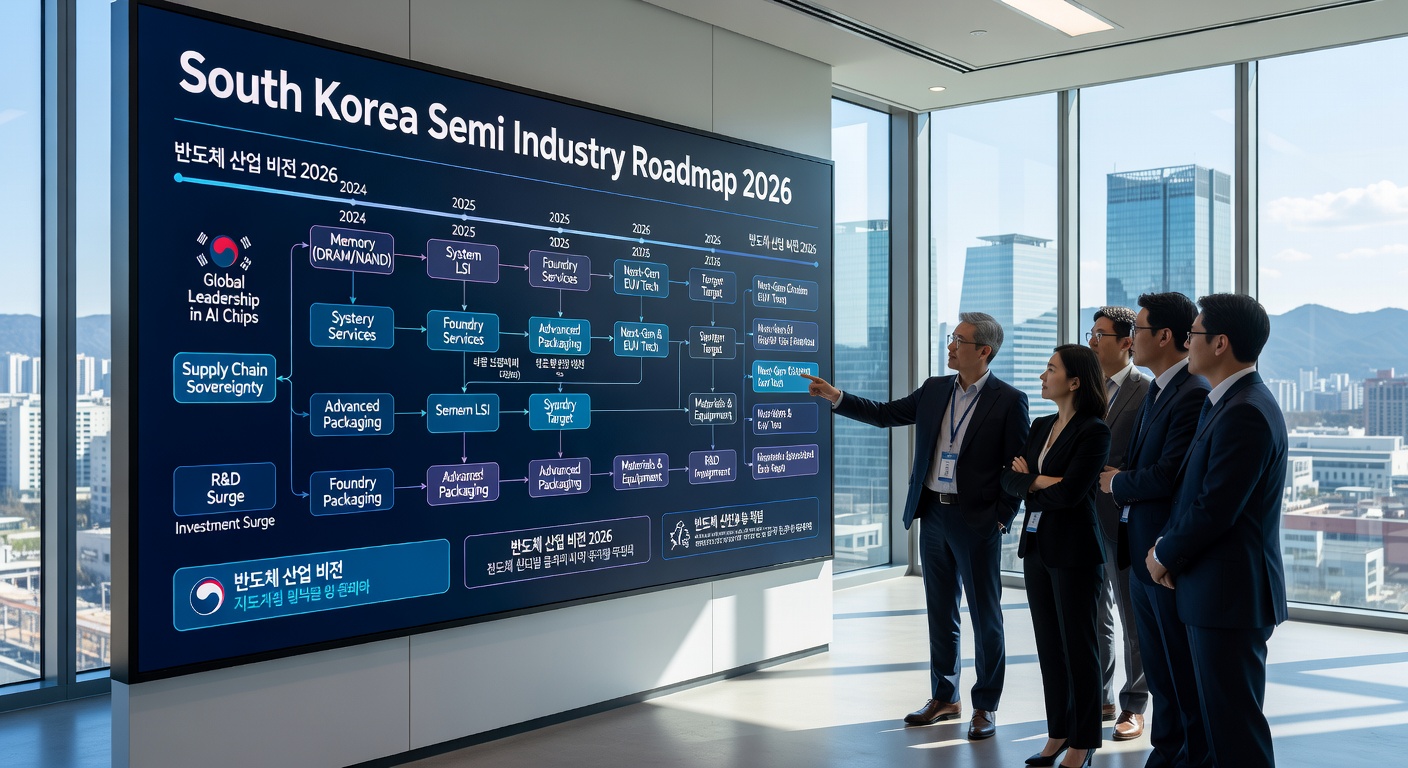
Securing Foreign direct investment (FDI) incentives Korea 2026 is the most critical first step for global investors looking to establish a highly profitable, compliant footprint in the Asia-Pacific market as of March 25, 2026. The South Korean Ministry of Economy and Finance has aggressively expanded corporate tax exemptions and cash grants for foreign capital.
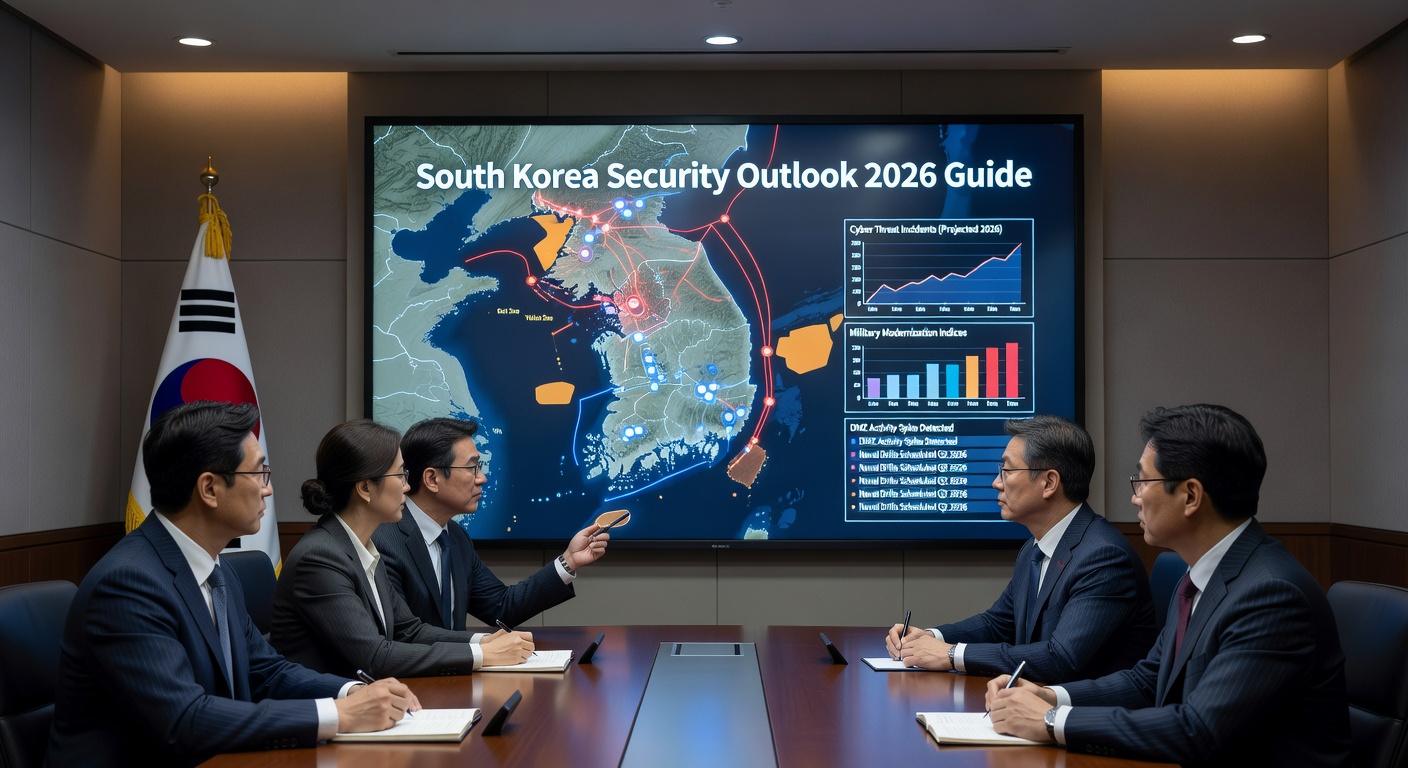
This makes the current economic landscape highly lucrative but legally complex for international entrants. Market reforms are sweeping the nation, aimed at making business easier. Leading conservative voices in Korea view this shift as a massive win for Korean economic freedom. By cutting red tape and welcoming global businesses, the nation strengthens its global standing. A strong economy also supports ironclad US-Korea security ties, creating a safe harbor for investors in a busy region.
This guide provides global stakeholders with three key takeaways. First, you will learn how to maximize new government subsidies. Second, you will discover how to navigate stringent South Korea fair trade commission retail regulations. Third, we will show you how to seamlessly integrate mandatory ESG compliance for foreign companies in Korea.
If you want to win in this market, understanding these rules is not just helpful. It is mandatory. The rewards for getting it right are higher than ever before.
Supplemental Explanation: Why 2026 is a Turning Point
The year 2026 marks a unique moment for foreign capital in East Asia. South Korea has officially rolled out its most ambitious pro-business packages to date. Following years of debate, conservative policymakers have successfully pushed through market reforms that favor corporate growth over heavy union demands. This means foreign companies can now operate with greater freedom and less government interference.
The focus is squarely on drawing high-tech research, green energy, and advanced retail into the country. For international readers, this shift translates to lower costs and faster approvals. By aligning your business goals with these new national priorities, you gain access to a secure, wealthy, and tech-savvy market protected by robust US-Korea security alliances.
2. Current Situation
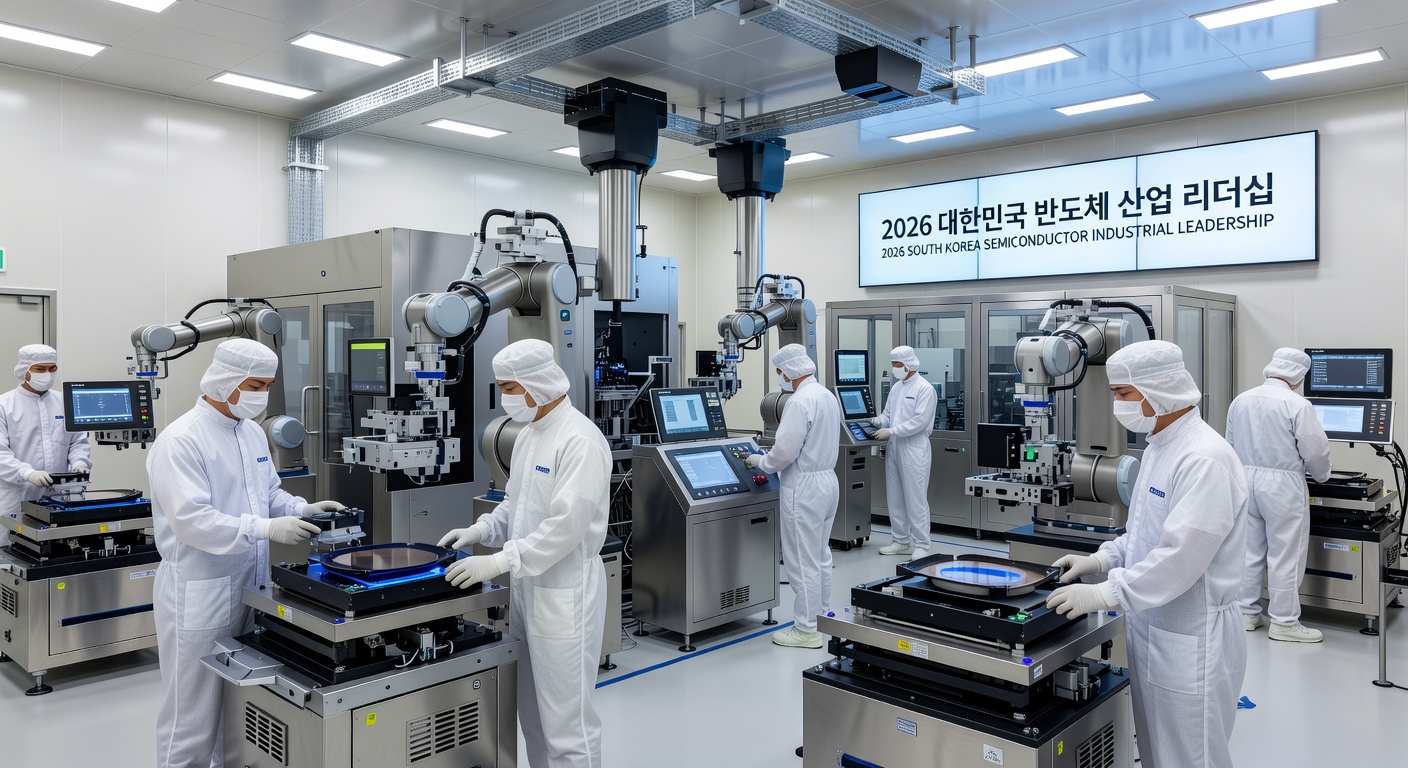
The 2026 FDI framework offers up to 80% cash subsidies for high-tech research and development (R&D) investments. Alongside this, investors can secure 100% corporate tax exemptions for their first five years in designated Free Economic Zones (FEZs). These zones are the crown jewels of Korean economic freedom, designed to let businesses thrive.
However, despite these financial benefits, foreign retail and consumer brands face strict oversight. This is particularly true concerning Korean consumer protection laws for global brands, which now actively monitor supply chain transparency and platform fairness.
Simultaneously, international manufacturers must adhere to heavily updated Product labeling requirements South Korea. The amended Recycling Act strictly mandates localized language parity, precise allergen declarations, and new eco-friendly “recyclability” packaging grades. Conservative analysts frequently debate these rules. While they support consumer safety, they caution that too many packaging rules can slow down free trade. Still, compliance is required.
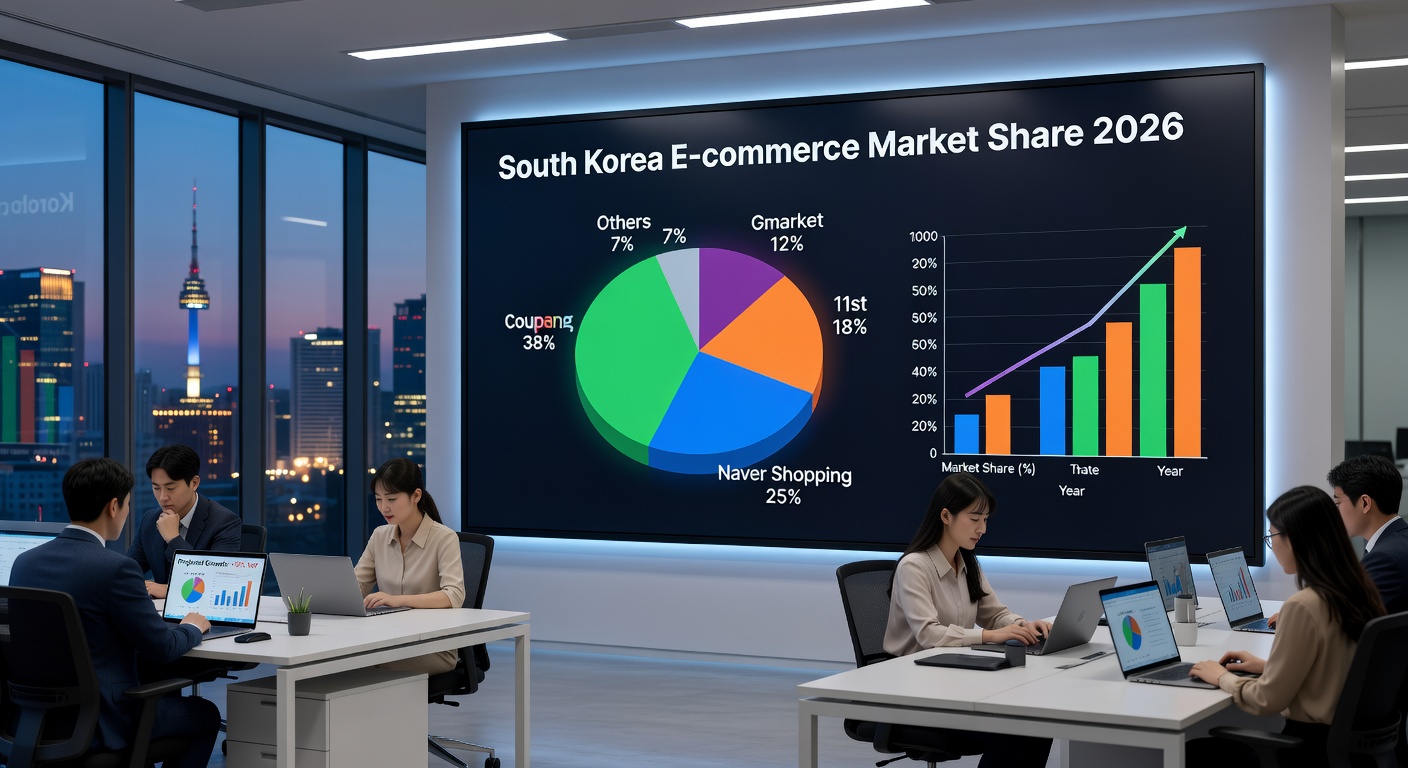
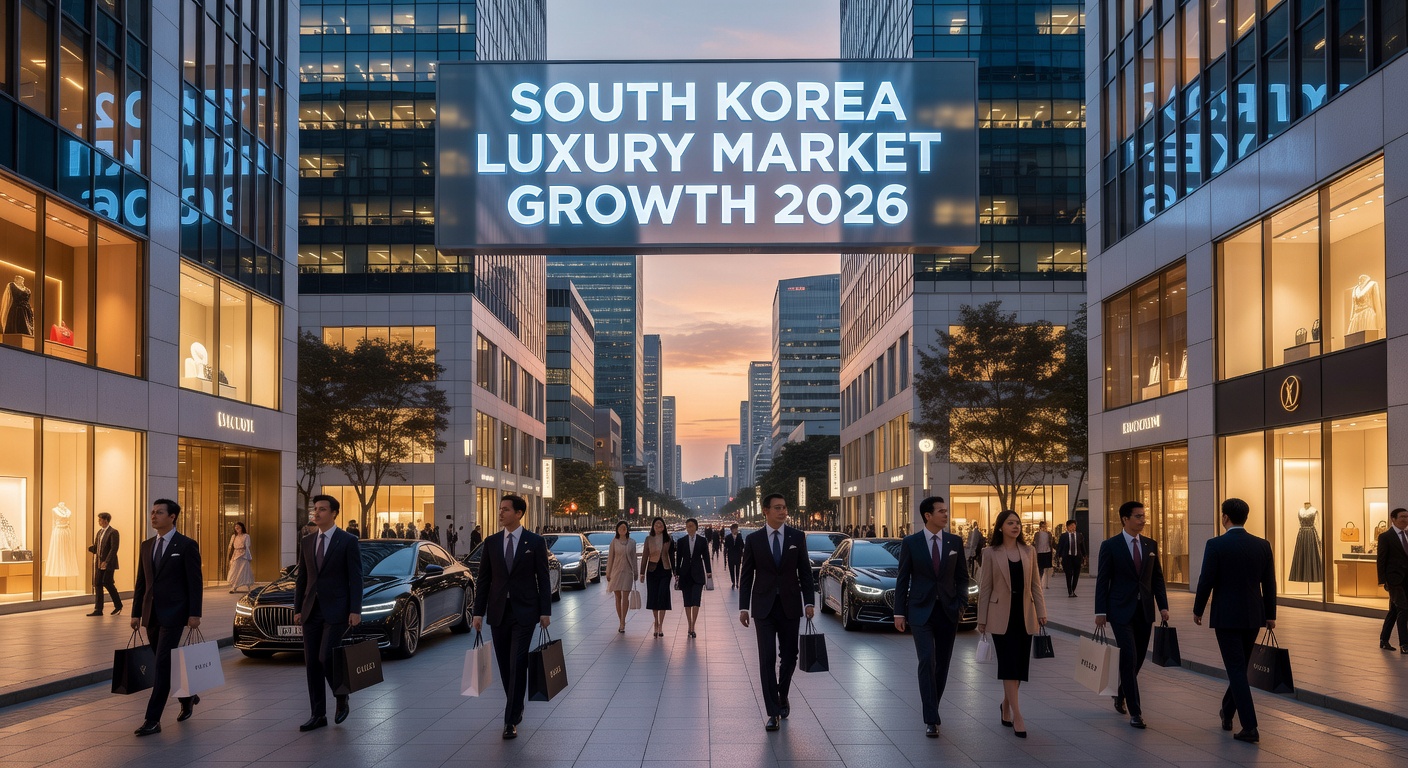
In Seoul, retail is changing fast. Experience-based retail is shifting toward immersive, emotional, and authentic consumer experiences. Global brands are opening pop-up stores in areas like Seongsu-dong. In 2025, over 3,077 pop-ups opened in major districts, a 79% increase from the prior year. Consumers want the “Feelconomy”—emotion-driven consumption that gives a break from digital fatigue.
Retail Market Trends and FDI Opportunities (2025-2026)
| Trend Category | Key Driver in 2026 Market | Opportunity for Global Investors |
|---|---|---|
| Seongsu-dong Pop-ups | 79% growth in experiential hubs. | Agile, low-cost market testing for foreign brands. |
| The “Feelconomy” | Demand for emotion over utility; analog breaks. | Invest in niche venues, quiet cafes, and subcultures. |
| AI-Omnichannel Retail | Need for extreme personalization and efficiency. | Build urban fulfillment hubs inside hypermarkets. |
| Unmanned Convenience | High labor costs and hyper-local service demand. | Deploy AI-driven unmanned store models to boost margins. |
Supplemental Explanation: Navigating the “Feelconomy”
The “Feelconomy” is reshaping how foreign brands must enter the capital city. Traditional billboard advertising and standard mall spaces are losing their magic. Instead, younger Korean consumers want to feel a connection to the brand. They want limited-time events, special photo zones, and unique subculture themes.
For a foreign investor, this actually lowers the barrier to entry. Instead of signing a ten-year lease for a massive flagship store, you can secure a short-term warehouse space in Seongsu-dong. You can test your product, gather direct feedback, and build a loyal fan base quickly. When combined with the new tax breaks in Free Economic Zones, companies can drastically lower their upfront risk while maximizing their cultural impact.
3. Global Implications
Favorable FDI conditions significantly reduce initial capital expenditure for global investors. However, foreign entities must construct resilient supply chains to withstand proactive antitrust audits and digital platform monitoring from the Korea Fair Trade Commission (KFTC). The KFTC watches closely to ensure fair play.
While conservative lawmakers push for broad market reforms to ease doing business, the KFTC remains highly active. They want to ensure that massive global tech and retail giants do not crush local small businesses.
While South Korea’s high-tech tax subsidies outpace many European nations, its rapidly evolving ESG compliance for foreign companies in Korea is equally strict. These rules are now strictly aligned with ISSB standards. They require mandatory climate disclosures for large KOSPI entities. This mirrors the most rigorous European and US regulatory frameworks.
Failure to comply with the latest South Korea fair trade commission retail regulations can result in sudden product recalls or multi-million dollar fines. It also causes immediate reputational damage among highly conscientious domestic consumers.
From a global perspective, the strong US-Korea security alliance plays a huge role here. Investors feel safe putting their money into South Korea despite regional tensions. The conservative government’s hardline stance on North Korea and deep military ties with Washington provide a stable, predictable foundation.
Global ESG and Fair Trade Comparison
| Regulatory Area | South Korea (2026) | United States | European Union |
|---|---|---|---|
| Climate Disclosures | Mandatory for large firms (ISSB aligned). | State-by-state; SEC rules pending. | Highly strict (CSRD standard). |
| Retail Antitrust | Very high oversight by KFTC. | Moderate; rising tech scrutiny. | Very high oversight by EC. |
| Greenwashing Rules | Strict penalties and product recalls. | FTC guidelines enforced. | Strict bans on vague green claims. |
| FDI Tax Incentives | Up to 100% tax exemption in FEZs. | Varies heavily by local state. | Moderate subsidies, strict state aid rules. |
Supplemental Explanation: The Security and Free Market Connection
International boards often worry about geopolitical risks in East Asia. However, the conservative viewpoint in Seoul highlights a different reality. The current administration has doubled down on its alliance with the United States. This strong US-Korea security posture actively deters threats and stabilizes the financial markets.
Furthermore, the push for Korean economic freedom means the government is actively removing barriers that once slowed down foreign capital. By aligning domestic laws with global ISSB standards, the country ensures that global investors do not have to learn entirely new ways of doing business. It is a balancing act: tough on security, strict on fair trade, but highly welcoming to clean, innovative foreign money.
4. Actionable Insights
Global readers must take specific steps right now. First, restructure your market-entry financial models to apply for the 2026 greenfield investment cash grants. Second, immediately appoint a local regulatory officer to audit your entire product line against the newest Product labeling requirements South Korea. You cannot sell goods without perfect labels.
Third, target real estate and commercial investments within government-backed Free Economic Zones (FEZs) to maximize operational margins. At the same time, rigorously avoid aggressive digital platform monopolization strategies that trigger immediate KFTC penalties.
The nationwide shift toward mandatory supply chain sustainability reporting means that Korean consumer protection laws for global brands increasingly factor in a company’s environmental footprint. They also look at labor practices and overall corporate governance scoring.
- To succeed, utilize the Invest KOREA portal for official FDI application templates.
- Consult the Ministry of Food and Drug Safety (MFDS) English database for exact product packaging parameters.
From an investment strategy side, look closely at Seoul’s shifting retail habits. Target Seongsu-dong pop-ups for low-commitment market entry. Invest in experiential upgrades for premium stores and automated convenience models to address labor costs. Leverage AI for your omnichannel strategy, but always emphasize emotional authenticity to align with trends where consumers scrutinize prices but pay for health and happiness.
Step-by-Step Action Plan for Foreign Investors
| Step | Action Required | Responsible Team | Deadline |
|---|---|---|---|
| 1. Apply for Grants | Submit FEZ business plan to Ministry of Economy and Finance. | Finance / Legal | Prior to Market Entry |
| 2. Audit Labels | Review all packaging for language parity and new recycling grades. | Compliance / Supply Chain | 60 Days Before Launch |
| 3. Secure Retail Space | Lease short-term pop-up space in Seongsu-dong to test the “Feelconomy”. | Marketing / Operations | 90 Days Before Launch |
| 4. ESG Alignment | Align local reporting with ISSB standards to prevent KFTC audits. | ESG / Corporate Governance | Ongoing |
Supplemental Explanation: Utilizing Market Reforms for Quick Entry
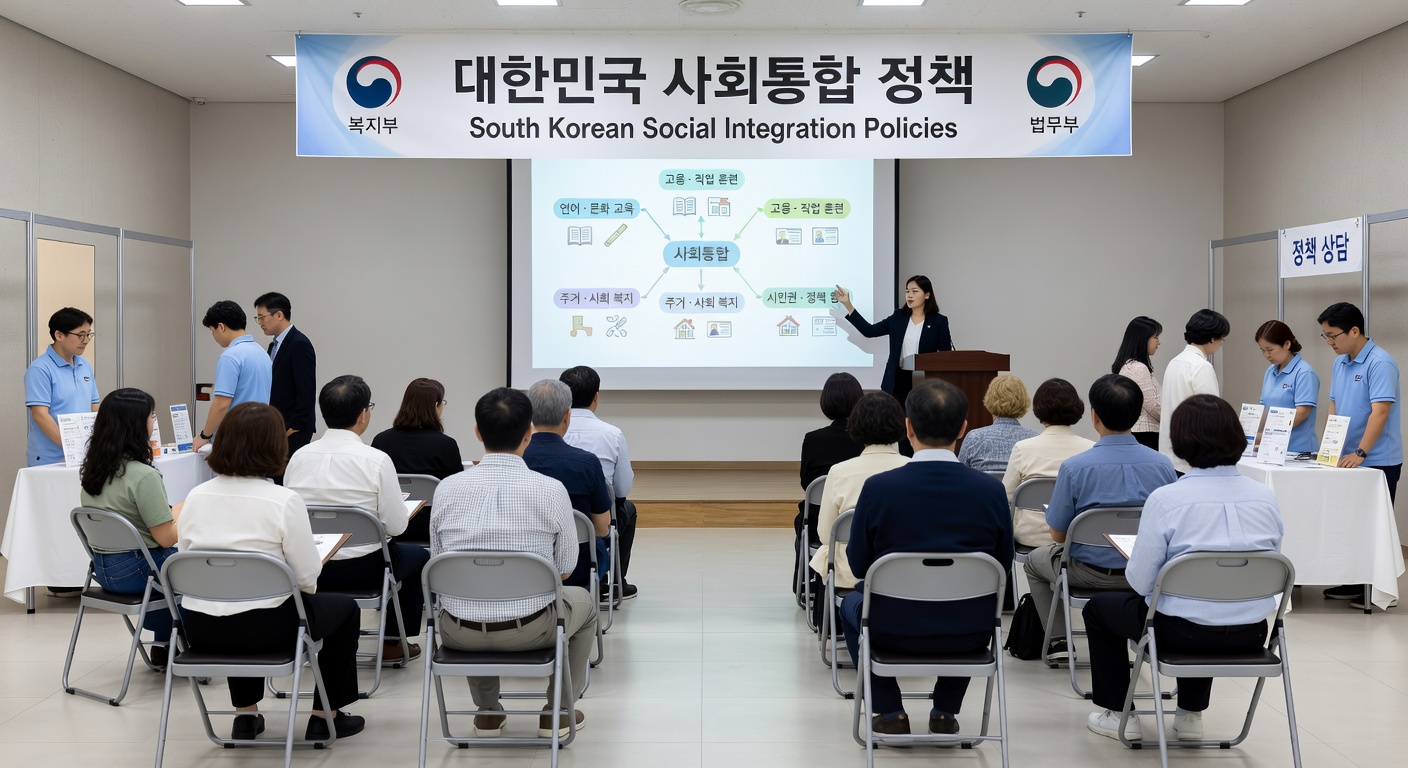
Many expats and foreign managers feel overwhelmed by Asian regulatory systems. However, the 2026 market reforms are specifically built to solve this problem. The government has created “fast-track” desks within Free Economic Zones specifically for foreign companies.
By appointing a local regulatory officer, you instantly bridge the cultural and legal gap. This officer will ensure your packaging meets the strict eco-friendly recycling laws, which saves you from costly customs delays. Furthermore, by starting with a pop-up store rather than a massive brick-and-mortar location, you bypass heavy labor union regulations that traditional hypermarkets face. This lean, fast approach is exactly what conservative economic planners hope to encourage.
5. Expert Analysis
Official 2026 projections from the Ministry of Trade, Industry, and Energy (MOTIE) indicate an exciting future. Foreign enterprises leveraging sustainable business models and transparent governance will see significantly faster regulatory approval rates for their FDI applications. The message is clear: clean business moves faster.
While global boards often view ESG compliance for foreign companies in Korea as an administrative reporting hurdle, domestic institutional investors treat it differently. Giants like the National Pension Service (NPS) treat these metrics as non-negotiable primary indicators for long-term viability and partnership.
Conservative media circles note that these ESG standards must be practical. They argue that while protecting the environment is vital, the core focus must remain on job creation and Korean economic freedom. They praise the government for keeping taxes low while holding companies to high but fair standards. Experts agree with this balanced view. As noted by legal analysts at major local law firms:
“For foreign enterprises, ESG compliance in Korea is more than a legal formality… it’s a forward-looking safeguard that enables operational resilience and investor confidence.” Read the full legal breakdown here.
If you want to secure local funding or joint ventures, your ESG scores must be spotless. The NPS controls massive amounts of capital. They will not partner with a foreign brand that violates consumer trust or fails to meet the updated packaging and recycling acts.
Expert Perspectives: Global vs. Domestic Views
| Perspective | View on FDI Incentives | View on ESG Regulations | View on Retail Rules |
|---|---|---|---|
| Global Board of Directors | Excellent way to lower entry costs. | Often seen as a frustrating reporting hurdle. | Worried about strict KFTC fines. |
| Korean Conservative Analysts | Vital for national strength and US alliance. | Necessary, but must not hurt corporate growth. | Prefer free market over heavy state control. |
| National Pension Service (NPS) | Welcomes stable, high-tech foreign partners. | Absolutely non-negotiable for partnerships. | Demands total consumer safety compliance. |
Supplemental Explanation: The Political Economy of Investment
To truly understand the 2026 landscape, foreign investors must read the political current. The conservative push for deregulation is a direct reaction to past years of heavy state intervention. Current leaders want to prove that free markets work best. By offering massive cash grants, they are inviting global capital to prove this point.
However, they cannot ignore public demands for fair trade and clean environments. Therefore, they use ESG and KFTC rules as a quality filter. They want foreign money, but only the “best” foreign money. Companies that bring advanced technology, clean supply chains, and respect for local consumer laws will find a red carpet rolled out for them. Those looking for quick, dirty profits will be blocked at the border.
6. Conclusion & Next Steps
Capitalizing on the historic wave of South Korean FDI incentives requires a dual strategy. You need aggressive financial application paired with meticulous legal compliance. You must master retail trade rules, consumer labeling, and sustainability frameworks. The market is ripe with opportunity, especially in Seoul’s booming “Feelconomy” and high-tech Free Economic Zones.
However, skipping steps in ESG compliance for foreign companies in Korea or ignoring the South Korea fair trade commission retail regulations will lead to failure. By understanding both the pro-business market reforms and the strict consumer protections, global investors can build highly profitable, long-lasting operations.
Explore Related Insights:
- Navigating Free Economic Zones in East Asia
- A Guide to Asian Supply Chain Due Diligence
- Understanding ISSB Climate Disclosures for Expats
Call-to-Action:
Subscribe to our global regulatory newsletter to receive real-time updates on corporate tax exemptions, sustainable investment grants, and changing consumer protection mandates in the Asia-Pacific region. Stay ahead of the curve and secure your market position today.
Updated Official Resource List:
- Korea Fair Trade Commission (KFTC) English Portal: For the latest antitrust and platform rules.
- Ministry of Economy and Finance (MOEF): Guidelines on tax exemptions and cash grants.
- Korea Institute of Corporate Governance and Sustainability (KCGS): Essential data for ISSB and ESG alignment.
- Invest KOREA: Official templates and direct support for FDI fast-tracking.
- Ministry of Food and Drug Safety (MFDS): English databases for accurate packaging parameters.
Supplemental Explanation: Final Thoughts for 2026
The window of opportunity in 2026 is wide open, but it requires careful navigation. South Korea offers one of the most exciting, dynamic, and safe markets in the world, backed by strong US-Korea security ties. By taking immediate action to audit your labels, embrace new retail trends like pop-up stores, and secure government grants, your business can thrive.
Remember that Korean consumers are smart, demanding, and loyal to brands that respect their values. Use the official resources provided, appoint local experts to guide your compliance, and enter the market with confidence. The future of Asian retail and high-tech investment is happening right now in Seoul.
7. Frequently Asked Questions (FAQ)
Q: What are the primary 2026 FDI incentives for foreign companies in South Korea?
A: Foreign investors can secure up to 80% cash subsidies for high-tech R&D investments and benefit from 100% corporate tax exemptions for the first five years within designated Free Economic Zones (FEZs).
Q: Why is ESG compliance mandatory for global brands entering the Korean market?
A: ESG compliance is fully aligned with global ISSB standards. Non-compliance can lead to massive KFTC fines, strict product recalls, and a complete inability to form partnerships with major domestic institutional investors like the National Pension Service (NPS).
Q: What is the “Feelconomy” and how does it impact retail strategy?
A: The “Feelconomy” emphasizes emotion-driven, experiential consumption over traditional utility retail. Foreign brands are finding success by leveraging short-term pop-up stores in areas like Seongsu-dong to safely and effectively test their market presence without heavy initial overhead.