







Getting a South Korea Foreigner Mortgage
Key Summary: For a foreigner getting a mortgage in South Korea in 2026, strict new capital region rules mandate a two-year residency, effectively ending immediate buy-to-rent strategies. With expat interest rates remaining high and non-citizens required to supply 40 to 60 percent in cash down payments, securing funding demands robust local credit and verified corporate income. Savvy global investors are actively bypassing these restrictions by pivoting to commercial properties and high-yield residential units outside the permit zones, maintaining free-market advantages while partnering with specialized expat banks.
Table of Contents
- Current Situation
- Global Implications
- Actionable Insights
- Expert Analysis
- Conclusion & Next Steps
- Frequently Asked Questions (FAQ)

When getting a mortgage in South Korea foreigner applicants must now navigate a newly restricted 2026 regulatory landscape, fundamentally altering how international investors approach this growing property market. The government has changed how people buy homes in the capital region. These new rules limit the free flow of capital. This directly changes how global investors look at this housing market.
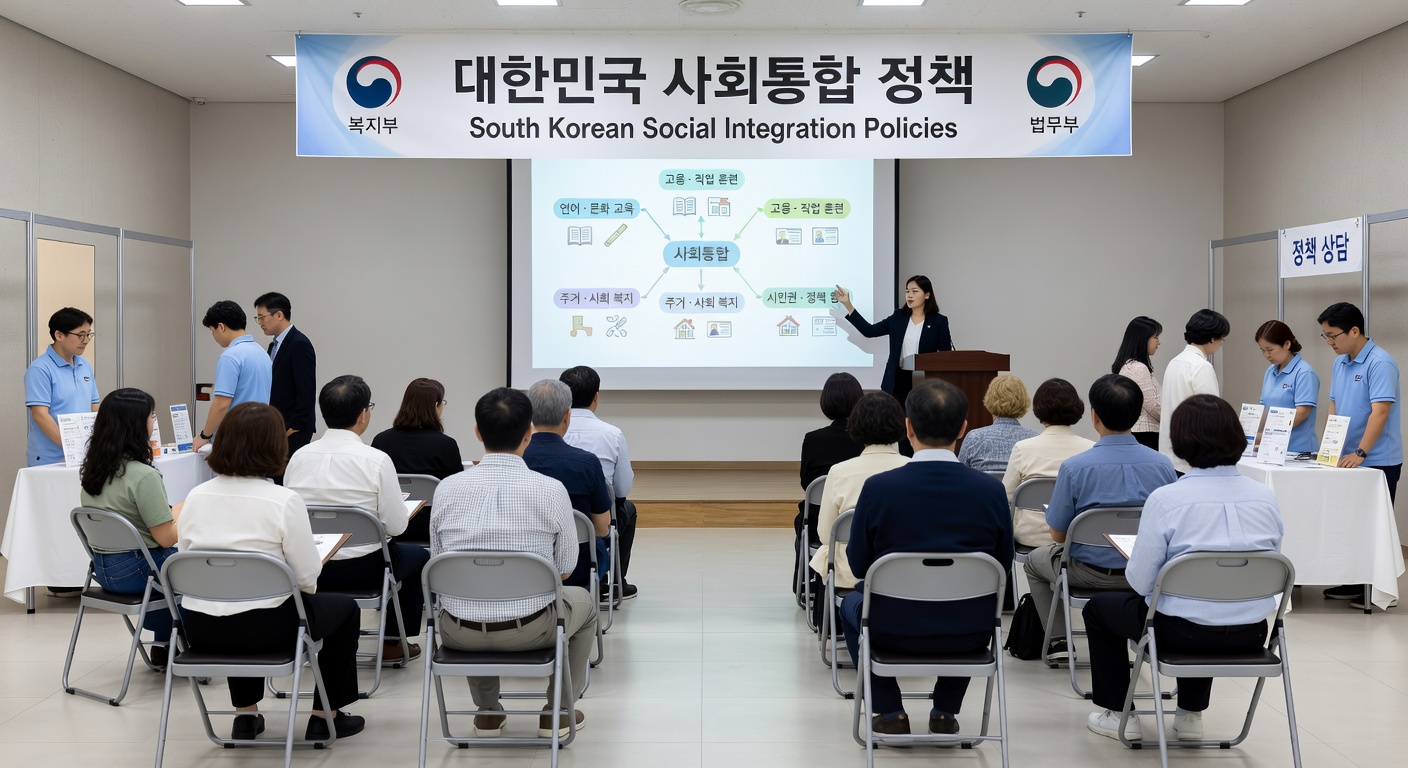
You need a complete South Korea expat banking and loan guide to survive. This guide will help you understand the new permit system. Buyers must now live in their new capital city homes for two straight years; they cannot just buy and rent them out.
- First, foreign buyers must get government approval before they invest in residential properties.
- Second, strict loan limits mean you need more cash up front.
- Third, tracking Interest rates for foreign residents in Korea is very important right now. Expats face higher rates due to strict banking views.
You can read more about these rising market barriers at the Juwai Asia Report. Another great resource is the Bamboo Routes Investor Blog.
Supplemental Explanation
Free market policies build strong nations and create lasting wealth. When governments control housing rules, they limit buyer choices. South Korea has a mostly free economy overall. The nation scores fairly well on the global economic freedom index.
However, these new housing rules are a huge step backward. Property rights form the base of a free society. When rules force buyers to live in a home, it stops natural market growth.
Global investors want safe, open places for their money. They prefer countries with open trade and minimal state interference. Nations that trust the free market see more wealth creation. Rules that punish foreign capital often hurt the local economy in the long run. Investors must learn how to adapt quickly. They must find ways to work within these new limits while still seeking high global returns.
Current Situation
A reliable South Korea expat banking and loan guide is vital today. The local housing market is very unique. It balances standard bank loans with a special lump-sum deposit lease system. In the past, this unique deposit system helped the market grow quickly.
Now, foreign buyers face new permit zones in the capital region. The government wants to stop absentee owners from buying property. They think this will fix rising housing costs for locals. History shows that market reforms work much better than strict state rules.
As of early 2026, foreign buyers face a massive new rule. They must live in their capital properties for at least two straight years. They cannot rent them out right away.
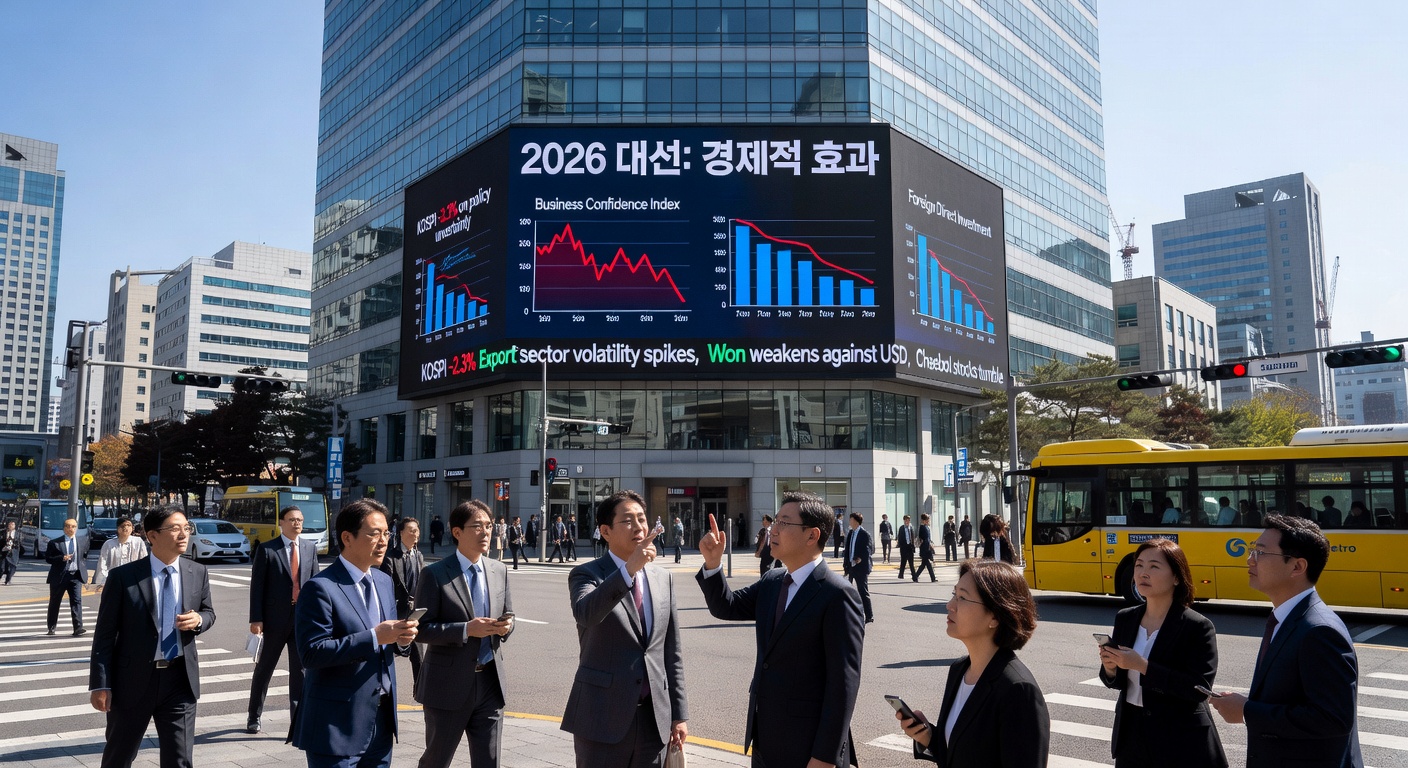
At the same time, Interest rates for foreign residents in Korea hover between 3.5 percent and 4.5 percent. This rate depends highly on your exact visa type and job status.
Down payment requirements South Korea housing markets demand are very high today. Non-citizens must put down 40 percent to 60 percent of the home value in cash. Local banks use very strict credit scores. They view expats as risky borrowers. This makes buying a home very costly for newcomers.
| Zone Type | Location Rules | Buying Process | Investor Appeal |
|---|---|---|---|
| Permit Zone | Capital City Region | Needs prior state approval | Low for short-term buyers |
| Free Zone | Outside Major Cities | Simple report only | High for global investors |
| Commercial | Any City Location | No residency rule needed | Very High for cash buyers |
| Borrower Type | Max Loan Limit | Required Down Payment | Credit Score Needed |
|---|---|---|---|
| Local Citizen | Up to 70 percent | 30 percent | Standard check |
| International Expat | 40 to 60 percent | 40 to 60 percent | Above 900 required |
For more details on these new permit rules, check out The Korean Law Blog. You can also view exact loan options at Real Estate Abroad.
Supplemental Explanation
Conservative thinkers constantly warn about heavy state rules. The Wall Street Journal often notes that government price controls always fail. When governments create permit zones, they lower the total housing supply. This pushes home prices up outside the restricted zones. A free market solves housing needs much faster than bureaucrats can.
Western alliances like the United States and Europe rely on open markets. South Korea is a strong democratic partner. Yet, their local housing policy acts like a closed, restrictive system. The Heritage Foundation warns against such heavy government overreach. Property rights must remain secure for all buyers, regardless of their passport.
- Forcing a two-year residency limits personal freedom.
- It acts as a hidden tax on foreign investment.
- Free market policies always attract the best global talent. Restrictive permit regimes scare away good capital.

Global Implications
International investors must change their long-term plans. They can no longer use absent-owner strategies to build wealth. They must now focus on long-term living investments. This means they rely heavily on the Best Korean banks for expat mortgages. Finding good loan terms is harder than ever before.
Unlike open real estate markets in the West, this region is very strict. It demands a local credit score above 900. Buyers must also show verified local corporate income. This makes Down payment requirements South Korea housing investments very cash-heavy. They are much higher than United States or European Union standards.
Foreign buyers face severe financial risks. If they break the new rules, the state penalties are huge. The government can legally cancel the purchase contract. They can also charge fines up to 10 percent of the total home value. You must not skip reading a certified South Korea expat banking and loan guide. You absolutely need expert legal help.
| Country Market | Average Down Payment | Market Freedom Level | Policy Stance |
|---|---|---|---|
| United States | 10 to 20 percent | Very Free | Welcomes global cash |
| European Union | 20 to 30 percent | Mostly Free | Open to new capital |
| South Korea | 40 to 60 percent | Restricted Housing | Blocks rapid trade |
| Risk Category | Government Action | Cost to Investor |
|---|---|---|
| Missed Move-In | Contract canceled | Complete loss of property |
| Rule Violation | State fines applied | 10 percent of property value |
| Hidden Funds | Loan denied | Loss of upfront deposit |
Read the official news about these bans at the Korea JoongAng Daily. For a deep dive into investment risks, see Jarnias Cyril Consulting.
Supplemental Explanation
Free markets thrive on trust and open borders for capital. When nations block foreign money, they risk global isolation. Strong Western alliances, including NATO and AUKUS partners, promote free trade. They know that open markets lift everyone out of poverty. South Korea must remember this critical lesson.
Taking a hardline stance against authoritarian regimes is excellent. But copying their closed-market habits is very bad. Strict occupancy rules hurt overall economic freedom. They tell the world that foreign money is no longer welcome. Mainstream views say these rules protect local buyers. Conservative analysis proves otherwise.
Over-regulation reduces new building projects. Less building means fewer homes for everyone. Global expats bring immense wealth and skills. Punishing them with 10 percent fines is unjust and counterproductive.

Actionable Insights
To succeed at getting a mortgage in South Korea foreigner applicants must act very fast. You must first build a local credit profile. Do this as soon as you arrive in the country. Next, gather at least two years of local corporate income proof. Banks will not accept foreign income easily. Finally, you must get an apostille for all overseas papers. An apostille is a special legal stamp that proves your documents are real.
There are still excellent investment options available. You just have to look outside the capital permit zones. Commercial properties are totally exempt from the two-year residency rule. Small residential studio units in other cities are also exempt. These outside areas offer high yields for foreign capital. Free market forces still work beautifully in these outside regions.
Global buyers must learn the updated 2026 reporting rules. You have to report your money moves to the government. You must show a detailed funding plan within 30 days of signing a contract.
- You must list all overseas bank transfers clearly.
- You must also state your exact visa type on the forms.
- Partner with the Best Korean banks for expat mortgages.
Use their special global desks to get faster service. KEB Hana Bank, Shinhan Bank, and Woori Bank have good programs. Also, hire an expert international real estate lawyer. They will help you move your money across borders safely.
| Investment Strategy | Pros | Cons |
|---|---|---|
| Buying in Capital | High long term value | Two year living rule applies |
| Buying Commercial | No permit required | Higher commercial loan rates |
| Cash Purchase | Fast closing process | Ties up all your global funds |
| Bank Financing | Keeps your cash free | Very hard to get loan approval |
| Major Bank Name | Expat Services Offered | Loan Focus |
|---|---|---|
| KEB Hana Bank | Dedicated Global Desks | High-income professionals |
| Shinhan Bank | Translation Support | Long-term visa holders |
| Woori Bank | Corporate Partnerships | Business executives |
Supplemental Explanation
Market reforms always reward the prepared investor. While big government creates heavy hurdles, free market policies always find a smart way around them. Savvy investors look for legal exemptions. By targeting commercial real estate, you bypass the heavy residential rules entirely. This is exactly how free enterprise works.
Capital naturally flows to where it is treated best. The Heritage Foundation notes that fewer rules lead to more overall wealth. The current local reporting laws are very strict. They act as a massive drag on fast business deals. However, using the best global banks can speed up the slow process.
Working with banks that value open trade is key to your success. They understand the distinct needs of global citizens. They respect the immense value you bring to the local economy.

Expert Analysis
Regional banks have made their official 2026 market forecasts. They see a slow market recovery this year. However, big lending banks will keep their strict risk rules in place. They do not want to lend money easily. This directly impacts the Interest rates for foreign residents in Korea. Expect these rates to stay high through the end of the year.
Global wealth managers have a very mixed view. They like the region’s property as a stable long-term asset. The country is a strong democracy and a vital tech hub. Yet, local banks treat expats as high-flight risks. They demand a domestic co-signer for the best rates. Without one, expats face a very tough road. This heavily influences the Down payment requirements South Korea housing markets enforce. It creates an unfair two-tier banking system.
Legal analysts issue strong public warnings to buyers. If you ignore the 2026 rules, you will pay dearly. Missing the move-in date triggers instant fines. Your purchase contract can be torn up instantly. Strict compliance is the only viable option for international buyers. You cannot fight the state system once you sign the paper.
Mainstream data from the IMF suggests these rules will cool down inflation. But conservative voices completely disagree. The National Review points out that punishing buyers does not create more houses. It just freezes the market and scares away good people.
| Metric | Mainstream Forecast | Conservative Forecast |
|---|---|---|
| Interest Rates | Staying at 4.5 percent | High rates hurt market growth |
| Loan Rules | Protects local buyers | Drives good capital away |
| Home Prices | Stabilized housing market | Frozen market supply |
| Foreign Cash | Controlled safe entry | Unfairly punished by state |
| Viewpoint | Housing Policy Stance | Impact on Expats |
|---|---|---|
| Mainstream Analysis | Stop absent owners | Promotes fair local buying |
| Conservative Analysis | Let free markets run | Punishes good global capital |
| Global View | Mixed rules applied | High flight risk tag remains |
Read the full expert breakdown at Jarnias Cyril Real Estate. You can also review vital legal advice at The Korean Law Blog.
Supplemental Explanation
Expert analysis from conservative think tanks is crystal clear. Heavy state control over housing fails every single time. The Wall Street Journal frequently reports on these exact interventionist failures. When local banks treat global expats as risks, they lose out on great clients. Free market policies encourage lending based on personal merit, not nationality.
The current steep down payment rules trap capital that could be used for business growth. South Korea’s recent drop in specific economic freedom index categories is a flashing warning sign. Strong Western alliances thrive on mutual, open investment. The US and European markets allow Korean investors to buy properties freely.
South Korea should offer the exact same freedom in return. Protectionism only breeds market stagnation. Leaders must adopt sweeping market reforms to fix this. They need to remove these barriers to attract global wealth again.
Conclusion & Next Steps
Navigating property buying in 2026 is very hard work. You need solid proof of a local job. You need a lot of cash saved up. Most of all, you must follow the new anti-speculation rules perfectly. Getting a home loan takes extreme patience and planning.
To win, you must plan far ahead. Build your local credit score today. Talk to the best global banks early. Look outside the restricted permit zones for much better deals. Always hire a good lawyer to review your contracts.
Read our other global investor guides for more expert tips. We teach you how to build a local credit score from scratch. We show non-citizens how to thrive in heavily regulated new markets.
Subscribe to our international investor newsletter today. We send out fast updates on Asian real estate rules. We offer custom loan plans for global expats. Do not let artificial market barriers stop your wealth growth.
| Resource Name | Function | Best For |
|---|---|---|
| National Housing Desk | Official loan data | Checking base rates |
| Credit Rating Guides | Score building | New global workers |
| Verified Legal Counsel | Contract review | Avoiding 10 percent fines |
| Best Expat Banks | Special global desks | Fast loan approvals |
Supplemental Explanation
In closing, conservative global investors must stay extremely sharp. Government rules will always try to control free enterprise. Bureaucrats think they know better than the market. But smart money always finds a successful path forward. By understanding the rules, you can protect your hard-earned investments.
We firmly stand for absolute economic freedom and open markets. We believe that foreign capital is a powerful force for good. Do your deep research, rely on proven market reforms, and invest your cash wisely. The global economy rewards those who bring value across borders. Keep your funds flexible, and never stop looking for the next great free-market opportunity.
Frequently Asked Questions (FAQ)
Q: How does the new 2026 rule affect foreign buyers in South Korea?
A: Foreign buyers purchasing residential property in the capital region permit zones must now reside in their properties for two consecutive years, effectively eliminating immediate buy-to-rent strategies.
Q: What are the typical down payment requirements for expats?
A: Due to stringent credit assessments by local banks, non-citizens are typically required to provide a cash down payment ranging from 40 to 60 percent of the property’s overall value.
Q: Are there any properties exempt from these strict residency rules?
A: Yes. Commercial real estate properties and residential units located completely outside the designated major city permit zones are currently exempt from the two-year residency mandate.