



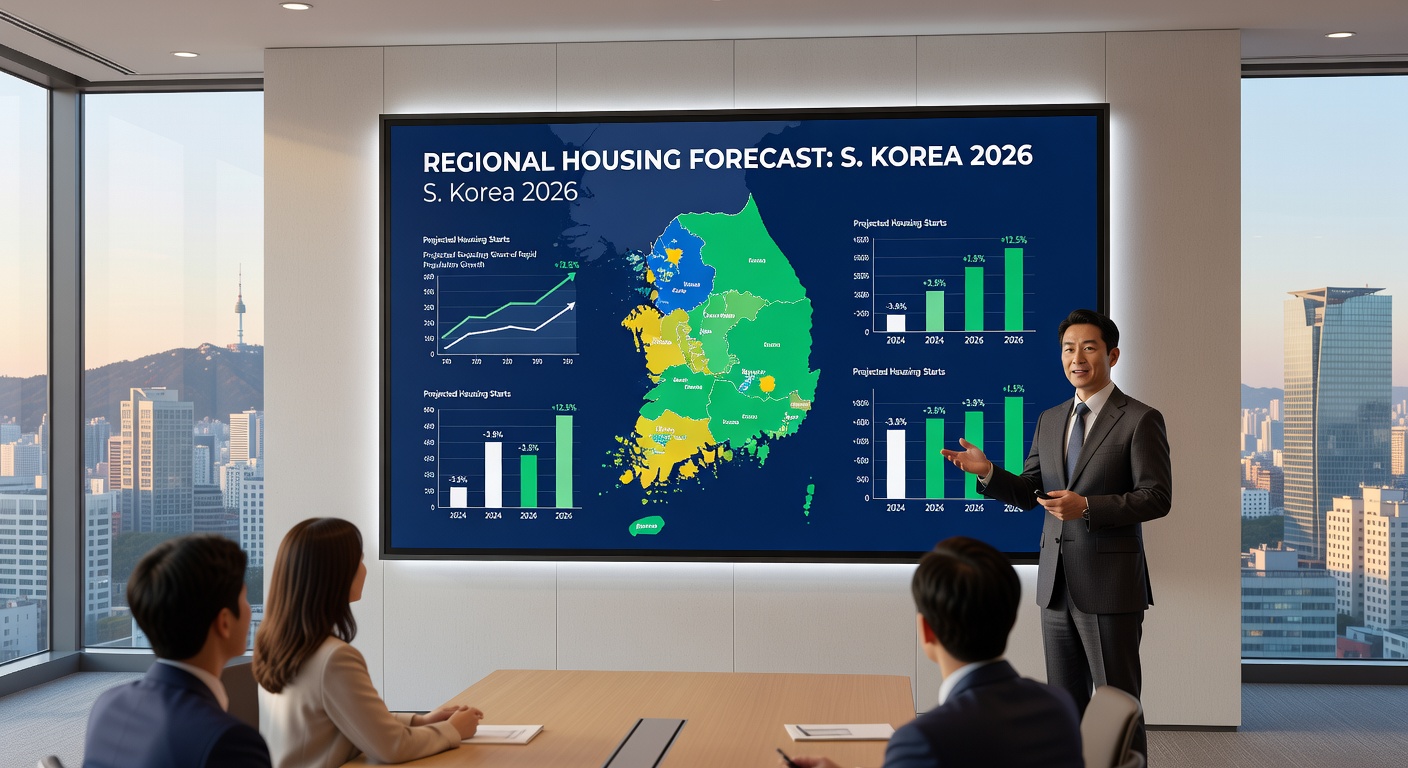
Regional Housing Forecast: S. Korea 2026
South Korea Housing Market 2026: A deeply polarized landscape emerges as the capital region appreciates rapidly through transit expansions (GTX) and aggressive deregulation. Concurrently, provincial markets like Busan await critical legislative support to attract foreign capital. For global investors, the market offers lucrative dual-strategy opportunities: transit-adjacent real estate in Seoul and high-yield, policy-backed ventures in southern economic free zones, all underpinned by strong market reforms.
Table of Contents
- 1. Introduction
- 2. Current Situation
- 3. Global Implications
- 4. Actionable Insights
- 5. Expert Analysis
- 6. Conclusion & Next Steps
- 7. Frequently Asked Questions (FAQ)
1. Introduction
The Regional housing market forecast South Korea reveals a deeply polarized landscape in 2026, where the capital region continues to appreciate while provincial markets stabilize into a new normal. With the recent expansion of transit lines reshaping commute times across the peninsula, international observers and institutional investors are closely monitoring how infrastructure shifts impact long-term property valuations.
Analysts point out that three primary catalysts are currently dictating market momentum: the structural divide in real estate growth, the pending Busan Global Hub City legislation 2026 aiming to counterbalance Seoul’s dominance, and how Korea high-speed rail (GTX) expansion updates are redefining suburban investment zones.
From a conservative market-oriented perspective, the current administration’s focus on deregulation and expanding Korean economic freedom has been instrumental in keeping the capital’s real estate sector vibrant despite high global interest rates.
Rather than relying on the heavy-handed taxation and artificial price caps seen in previous decades, today’s policy landscape emphasizes private sector-led supply expansions and infrastructure development. For global readers, understanding this delicate balance between state-sponsored mega-projects and market-driven urban renewal is essential for navigating the peninsula’s lucrative but complex property market in 2026.
To provide a comprehensive baseline, market researchers from the Global Property Guide note that historical price trajectories in South Korea heavily favor transit-oriented developments. Meanwhile, domestic political friction, as reported by The Korea Times, highlights how regional development bills face intense legislative scrutiny, directly impacting foreign investment timelines in southern port cities.
Market Drivers Overview 2026
| Market Catalyst | Primary Impact Zone | Investor Implication | Projected 2026 Outcome |
|---|---|---|---|
| GTX Rail Expansion | Seoul Metropolitan Suburbs | High appreciation in terminal-adjacent commercial real estate | 20-minute commutes unlock new residential hubs |
| Busan Global Hub Bill | Southern Port Region (Gyeongsang) | Tax incentives for maritime, finance, and logistics firms | Pending legislative approval; potential FDI surge |
| Market Deregulation | Central Seoul (Gangnam, Yeouido) | Easier capital deployment for foreign institutional investors | Steady asset appreciation through private redevelopment |
Supplemental Explanation: The polarization of the South Korean real estate market in 2026 is fundamentally driven by a divergence in economic concentration and policy application. The capital region benefits immensely from continuous infrastructure spending and a robust influx of young professionals, which sustains high demand for premium housing. Conversely, provincial areas rely heavily on specific legislative interventions to attract corporate headquarters and foreign capital.
Conservative analysts argue that fostering Korean economic freedom through corporate tax cuts and deregulation is the only sustainable way to revitalize these regional markets. For international investors, this creates a dual-strategy environment: pursuing aggressive capital growth in the Seoul metropolitan area while looking for high-yield, policy-backed opportunities in designated southern economic zones.
2. Current Situation
Defining the “polarization effect” is critical when analyzing the Regional housing market forecast South Korea, which currently shows projected price increases of up to 4.2% in the capital, while national averages hover around a modest 1-2% due to demographic shifts and aging populations in rural sectors. This sharp divide is being actively accelerated by the latest Korea high-speed rail (GTX) expansion updates.
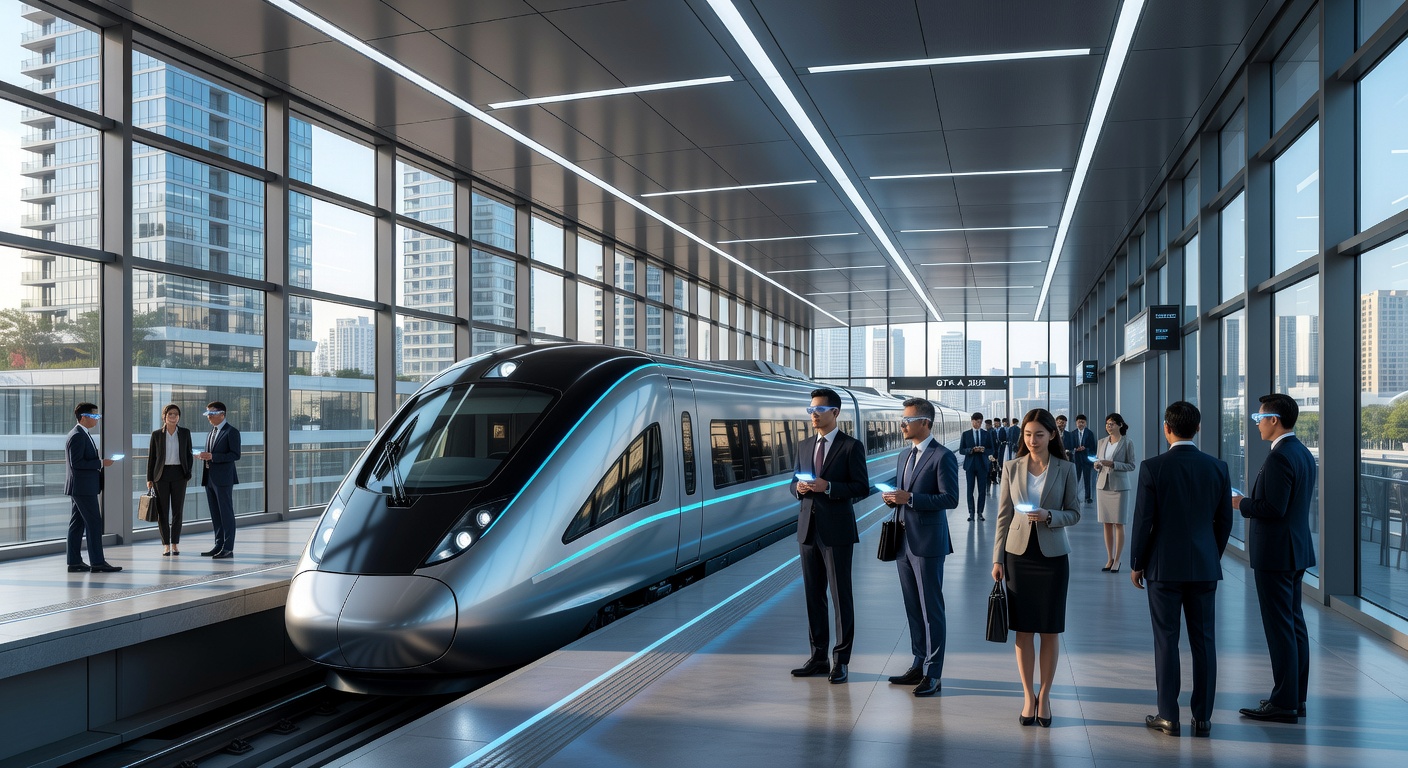
With the operational launches and crucial mid-2026 connections on GTX-A—specifically linking the Suseo-Dongtan section to the northern Seoul Station corridor—commute times from the deep outskirts to central Seoul have been slashed to just 20 minutes. As a direct result, terminal-adjacent property values in areas like Paju, Dongtan, and Yongin have inflated rapidly, presenting highly lucrative opportunities for early investors.
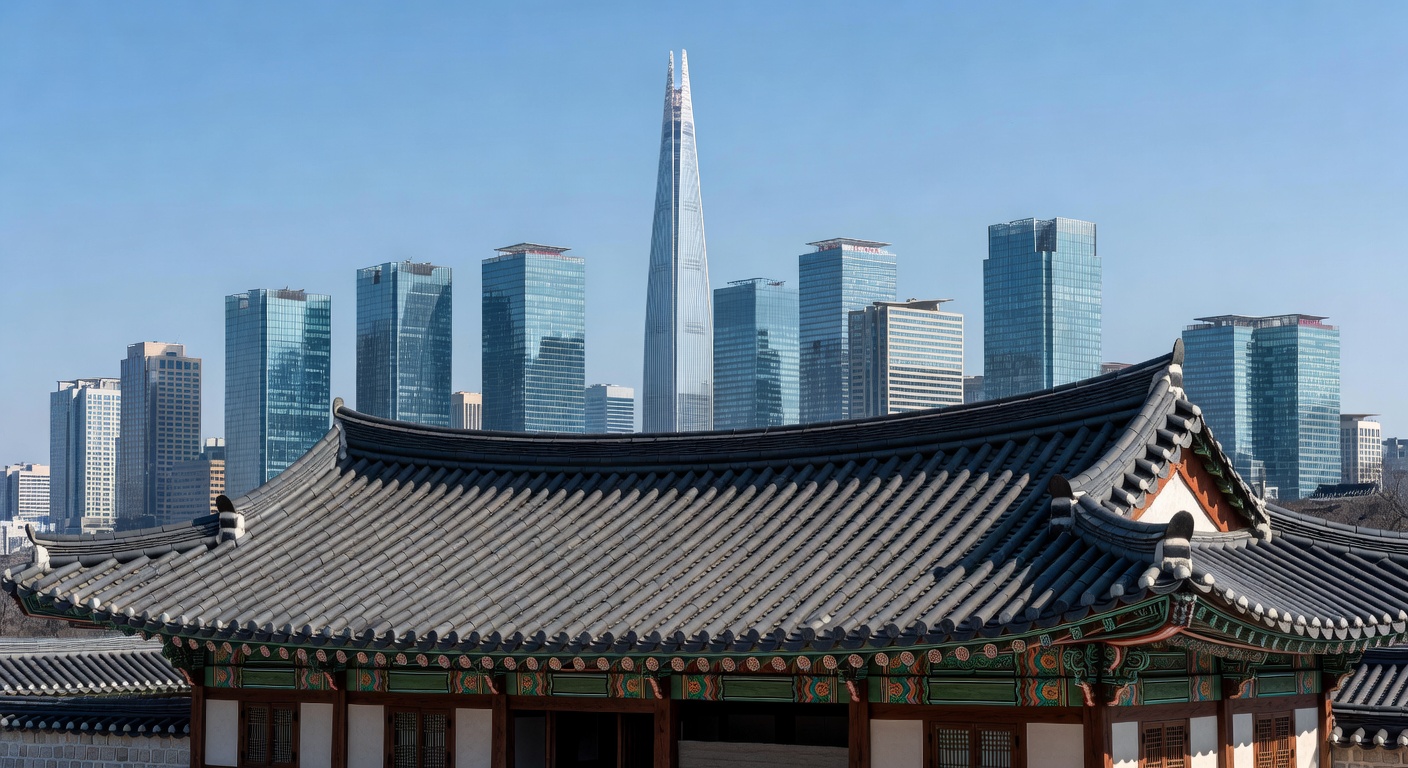
Concurrently, Seoul urban redevelopment projects 2026 are physically transforming the city skyline. Central districts are moving away from restrictive zoning, embracing market-friendly paradigms that allow for higher density and mixed-use luxury developments. Prominent conservative media outlets champion these developments as essential market reforms, arguing that increasing the housing supply through private enterprise is the only effective cure for urban price instability.
Reports from Chosun Biz confirm that GTX expansion is reshaping housing paradigms, while the Korea JoongAng Daily documents how rapid increases in Seoul apartment prices mark the fastest growth in recent decades. The international transit community, including Railway Gazette, continues to monitor how Seoul’s network keeps growing as these massive engineering feats are achieved.
2026 Property Growth Comparison
| Region | Projected 2026 Growth | Primary Value Driver | Investment Risk Level |
|---|---|---|---|
| Central Seoul | +4.2% | Urban redevelopment & deregulation | Low (High capital requirement) |
| Seoul Suburbs (GTX) | +3.5% | GTX-A network completion | Medium (Dependent on rail timelines) |
| Provincial Cities | +1.0% | Demographic shifts & industrial output | High (Requires policy intervention) |
| National Average | +1.8% | Macroeconomic stabilization | Medium (Subject to interest rates) |
Supplemental Explanation: The 2026 market landscape is defined by hyper-connectivity. The completion phases of the GTX-A line represent a monumental shift in South Korean urban planning, effectively expanding the borders of the capital city and democratizing access to Seoul’s prime commercial districts. Conservative economic analysts strongly support this infrastructure-led expansion, noting that it reduces the cost of living for the middle class without relying on market-distorting price controls.
3. Global Implications
The shifting physical and legislative landscape carries profound weight for international investors, expats, and multinational businesses operating in Northeast Asia. The aggressive Incheon Free Economic Zone (IFEZ) expansion offers lucrative tax incentives and streamlined operational frameworks for foreign tech and biopharmaceutical firms.
When viewed alongside the Seoul urban redevelopment projects 2026—which feature innovative 10-minute walkable master plans and high-rise renewals in financial hubs like Yeouido—South Korea is aggressively positioning itself to compete with European sustainable city models and American tech hubs for top-tier foreign talent.
However, a rigorous risk assessment for foreign stakeholders must acknowledge domestic political hurdles. Delayed legislative approvals, such as the currently stalled Busan Global Hub City legislation 2026, present tangible political risks for investors who are banking on southern port city incentives. From a geopolitical and conservative standpoint, a steadfast US-Korea security alliance remains the bedrock that guarantees market stability, ensuring that foreign capital flowing into mega-projects is protected from regional geopolitical volatility.
Global business outlets recognize this dynamic. Business Wire covered how the Incheon Free Economic Zone Authority presented its AI City Vision at CES 2026. Simultaneously, political friction is evident as the Korea JoongAng Daily reports on the physical protests by Busan leadership demanding legislative movement. ArchDaily also highlights the design triumphs of these initiatives, showcasing the UNStudio designed 10-minute walkable city master plan in Seoul.
Global Benchmark Comparison: Attracting Foreign Capital
| City Model | Tax Incentives | Infrastructure Appeal | Talent Retention Strategy |
|---|---|---|---|
| Incheon (IFEZ), Korea | High (Corporate tax breaks for FDI) | Bio-tech hubs, AI integration | Seamless international airport access |
| Seoul, Korea | Moderate (Focused on deregulation) | 10-minute walkable neighborhoods | High-tech lifestyle, strong security |
| Tokyo, Japan | Low to Moderate | Mature transit, earthquake resilience | Weak yen advantages, cultural appeal |
| Berlin, EU | Moderate (Green subsidies) | Sustainable transit, renewable grids | High quality of life, open borders |
Supplemental Explanation: South Korea’s global competitiveness in 2026 hinges on its ability to merge high-tech infrastructure with foreign-friendly business policies. Conservative commentators emphasize that without absolute certainty in US-Korea security and a continued commitment to free-market capitalism, attracting such high levels of foreign direct investment would be impossible.

4. Actionable Insights
For global readers seeking to deploy capital or relocate corporate operations in 2026, specific and immediate steps are required to maximize returns. Investors must target commercial and residential real estate near newly completed transit hubs, capitalizing directly on the Korea high-speed rail (GTX) expansion updates that have radically redefined the capital’s commuter radius.
Purchasing prime assets near terminal stations before the full network integration is completed will yield significant appreciation. Concurrently, multinational enterprises should closely monitor the progress of the Incheon Free Economic Zone (IFEZ) expansion for unparalleled corporate relocation opportunities. Early movers can negotiate highly favorable land leases and regulatory exemptions.
Pro-business conservative policies continue to advocate for these market reforms, arguing that reducing corporate tax burdens and cutting bureaucratic red tape is the optimal strategy for sustaining this influx of global wealth.
To facilitate these moves, practical resources are vital. Foreign investors should utilize the Ministry of Land, Infrastructure and Transport guidelines in English, and leverage the comprehensive support services offered by the IFEZ Global Center for foreign residents.
Investment Opportunity vs Risk Analysis
| Investment Strategy | Upside Potential | Associated Risk | Mitigation Action |
|---|---|---|---|
| GTX-Adjacent Housing | 15-20% capital appreciation by 2028 | Construction or connection delays | Invest in already operational node areas (e.g., Dongtan, Suseo) |
| IFEZ Corporate Relocation | Access to 600M USD FDI incentive pool | Evolving zero-energy compliance costs | Partner with local green-certified developers |
| Busan Maritime Real Estate | Ground-floor entry pricing | Legislative stagnation of Special Bill | Monitor National Assembly dockets closely |
| Seoul Luxury Redevelopment | High rental yield from expat executives | High initial capital requirements | Form joint ventures with domestic financial institutions |
Supplemental Explanation: Taking actionable steps in the 2026 South Korean market requires moving past mainstream headlines and understanding the underlying mechanics of local infrastructure. For corporate entities, the IFEZ represents a haven of Korean economic freedom, where experimental AI technologies and biopharmaceutical research can be conducted with minimal government interference.
5. Expert Analysis
Examining the official forecasts provides a clear window into the structural mechanics of the current property cycle. The Korea Housing Institute’s Regional housing market forecast South Korea projects a resilient 2.5% housing transaction price rise in the capital region through the end of 2026, a figure driven primarily by structural supply shortages and stringent project financing constraints left over from previous economic cycles.
The divide between domestic political narratives and international investment strategies is particularly glaring when analyzing the Busan Global Hub City legislation 2026. While domestic media focuses intensely on the partisan political friction and protests stalling the bill, international analysts and conservative think tanks view its eventual passage as an absolute necessity—a critical, market-driven counterbalance to Seoul’s economic monopoly.
Leading analysts argue that embracing comprehensive market reforms is the only way to alleviate the project financing credit crunch that limits new construction. This sentiment is echoed across major financial publications. Business Korea provides deep dives into the structural supply shortages, while Cushman & Wakefield’s market outlook report details the commercial financing constraints.
Domestic vs International Perspective
| Market Factor | Korean Domestic View | International Analyst View | Conservative Economic Stance |
|---|---|---|---|
| Housing Supply | Focus on government welfare housing | Focus on private redevelopment yield | Deregulate zoning to allow private sector to build more |
| Busan Legislation | Viewed as a partisan political battleground | Viewed as essential for regional balance | Supports bill to expand corporate economic freedom |
| Property Taxes | Debate over wealth redistribution | Seen as a barrier to optimal capital flow | Heavily advocates for lowering comprehensive real estate taxes |
| GTX Expansion | Celebrated for commuting convenience | Analyzed for commercial node value shifts | Praised as a triumph of public-private infrastructure partnership |
Supplemental Explanation: Expert analysis of the 2026 market reveals a fundamental tension between populist political impulses and pragmatic economic realities. Conservative experts are highly vocal in this arena, consistently advocating for market reforms that remove artificial barriers to construction financing and foreign investment. They argue that the housing market’s health is intrinsically tied to US-Korea security and broader geopolitical stability, which provides the confidence required for institutional investors to fund massive urban redevelopment projects.
6. Conclusion & Next Steps
In summary, the Regional housing market forecast South Korea dictates that the structural divide in the property market will continue to widen throughout 2026, driven relentlessly by strategic infrastructure projects, transit upgrades, and regional legislative initiatives.
The capital region, fortified by the life-changing GTX rail expansions and aggressive urban redevelopment, remains a fortress for capital appreciation. Meanwhile, provincial markets like Busan and Incheon offer high-reward alternative pathways, provided that investors carefully navigate the associated political risks and leverage targeted foreign direct investment incentives. The integration of market-friendly deregulation policies and the steadfast assurance of the US-Korea security alliance continue to make the peninsula a premier, stable destination for global capital.
To stay ahead of the curve, we invite all international readers, institutional investors, and expats to subscribe to our weekly global investor newsletter. By subscribing, you will receive real-time, English-language updates on regulatory shifts, infrastructure milestones, and macroeconomic trends delivered directly to your inbox.
Essential Resource Directory for Global Investors
| Resource Name | Primary Function | Accessibility |
|---|---|---|
| Korea Real Estate Board (REB) | Official government housing statistics and market forecasts | English portal available |
| Global Property Guide | Historical price tracking and comparative Asian market analysis | Fully English interface |
| Invest KOREA (KOTRA) | Guidance on FDI, tax incentives, and corporate relocation | English advisory services |
| IFEZ Global Center | Dedicated support for foreign residents and businesses in Incheon | Multilingual support |
Supplemental Explanation: Navigating the South Korean real estate and corporate investment landscape in 2026 requires continuous education and access to reliable, unfiltered data. By utilizing the official resources listed in the directory above, foreign investors can bypass language barriers and access the same high-level data utilized by domestic institutional funds.
7. Frequently Asked Questions (FAQ)
Q1. What is driving the polarization in South Korea’s housing market in 2026?
The growing divide is primarily driven by massive infrastructure spending in the capital region, notably the Korea high-speed rail (GTX) expansion updates, which draw talent and capital into Seoul. Conversely, provincial markets face slower growth due to demographic shifts and await policy interventions like the Busan Global Hub City legislation 2026 to revitalize their local economies.
Q2. How does the GTX expansion impact real estate investments?
By cutting commute times from deep suburban areas to central Seoul down to just 20 minutes, the GTX network effectively expands the borders of prime commercial and residential districts. This creates highly lucrative investment opportunities in terminal-adjacent areas before the network reaches full integration.
Q3. Why are foreign investors targeting the Incheon Free Economic Zone (IFEZ)?
The Incheon Free Economic Zone (IFEZ) expansion is aggressively transforming the region into an international AI City. Multinational corporations are attracted by substantial tax incentives, streamlined regulatory frameworks, and world-class transit integration, which drastically lower the operational costs for foreign tech and bio-pharma firms.
Q4. What role do market reforms play in the current property landscape?
Conservative-backed market reforms are essential for removing bureaucratic red tape, lowering corporate tax burdens, and encouraging private sector-led development. These reforms reassure international investors that capital deployed in South Korea will enjoy long-term stability and yield without heavy-handed government price constraints.