



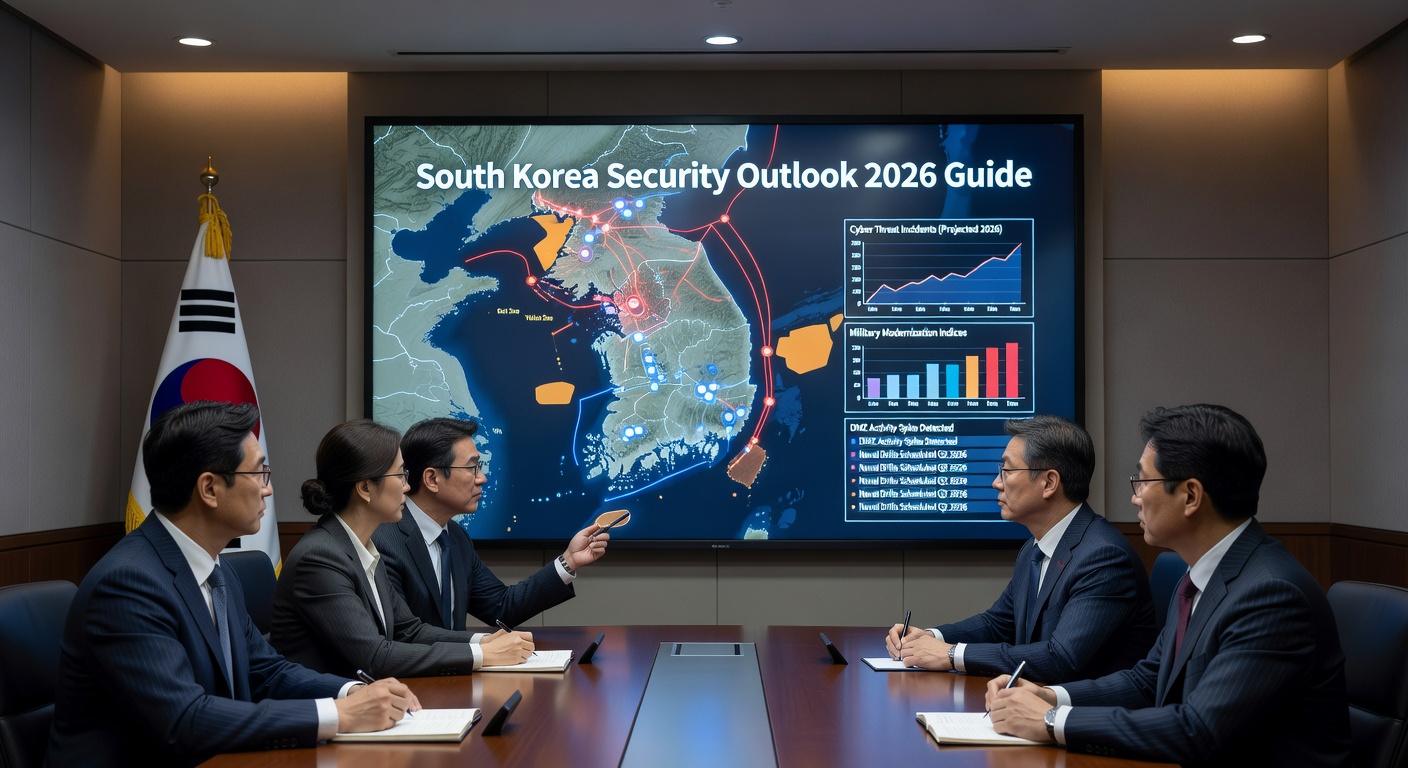

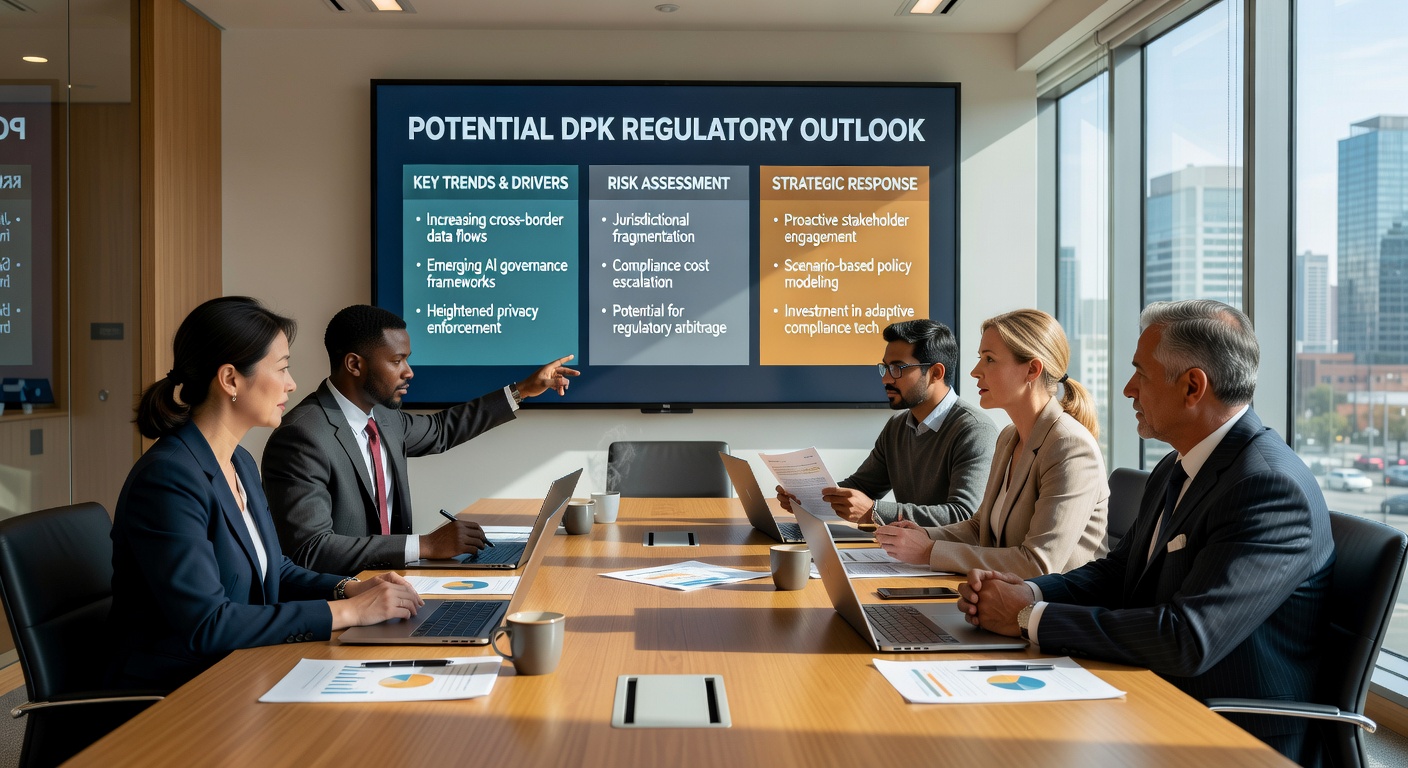
Potential DPK Regulatory Outlook
Key Summary: The regulatory landscape in South Korea under potential DPK leadership is shifting rapidly. Global investors face strict labor laws like the Yellow Envelope Act and stringent FDI screening by MOTIE, making traditional manufacturing investments riskier. However, significant opportunities exist in AI, retail tech, and green energy, supported by new government tax incentives and the upcoming June 2026 National Growth Funds. Navigating this environment requires agile compliance strategies and a shift toward technology-driven portfolios.
Table of Contents
- 1. Introduction
- 2. Current Situation
- 3. Global Implications
- 4. Actionable Insights
- 5. Expert Analysis
- 6. Conclusion & Next Steps
- Frequently Asked Questions (FAQ)
1. Introduction
For global investors and multinational corporations, analyzing the regulatory outlook under potential DPK leadership has transitioned from a theoretical forecasting exercise into an urgent operational necessity. Today is March 29, 2026. The Asia-Pacific business world has changed a lot. We recently saw a historic US-South Korea tariff agreement in July 2025. This deal boosted the vital US-Korea security and trade alliance.
However, the domestic rules in South Korea are shifting fast. In early 2026, the government enacted the new Yellow Envelope Act. This pro-labor law changes how businesses handle workers. It makes the market much harder for foreign companies to navigate.
There are three key takeaways for global readers to understand right now:
- First, “New Deal liberalism” is changing how big companies are run, forcing market reforms that shake up old family business structures.
- Second, the government is strictly checking foreign direct investment (FDI) to protect national core technologies.
- Third, despite these new rules, there are huge tax rewards for investing in specific tech areas such as artificial intelligence (AI), retail technology, and green energy.
Conservative leaders warn that heavy rules can hurt Korean economic freedom. Papers like the Chosun Ilbo argue that free markets need less government control. Global investors must balance these views, protecting capital from strict union rules while grabbing new tech grants. You can learn more about the political background from the Democratic Party of Korea overview, and read about growth barriers in this East Asia Forum report.
Supplemental Explanation: The Global Investment Shift
The current global market is watching South Korea closely. Investors need simple rules to feel safe. When a country changes its laws, money often moves away. The new labor laws in early 2026 make it harder to manage big factories. Because of this, many foreign companies are looking at digital markets instead. They are putting money into AI and software.
These areas need fewer factory workers, helping companies avoid labor strikes. It also matches the government’s push for high-tech growth. Maintaining Korean economic freedom is key to keeping these investors happy. If the rules become too strict, the US-Korea security and trade bond might face stress. Smart investors are tracking these legal updates daily to find safe paths for their Asia-Pacific portfolios.

2. Current Situation
To understand the 2026 market, foreign expats must learn a few key local ideas. The main idea is “New Deal liberalism.” This current government plan supports workers, aims to spread wealth, and favors progressive economic steps. Another vital idea is the Yellow Envelope Act. This major pro-union law stops companies from suing workers for damages during strikes. Corporate liability is now much higher, and business owners carry more financial risk.
Conservative voices like the Dong-A Ilbo newspaper warn against this, stating that protecting illegal strikes hurts the free market. It makes Korean economic freedom look weak to outside buyers.
The Ministry of Trade, Industry and Energy (MOTIE) has also gained new powers. In 2026, MOTIE expanded its right to block overseas mergers and acquisitions (M&A). If a foreign company wants to buy 50% or more of a business with “national core technologies,” they face strict checks. This rule has fueled recent South Korea antitrust actions. For more details on these legal shifts, see the Chambers Investing in 2026 Guide. You can also view local news at BusinessKorea.
| Timeline Date | Regulatory Event | Impact on Global Investors |
|---|---|---|
| July 2025 | US-South Korea Tariff Agreement | Lowered cross-border costs; boosted US-Korea security ties. |
| Nov 2025 | Initial MOTIE Tech Rules | First limits placed on exporting core semiconductor tech. |
| Jan 2026 | Enactment of Yellow Envelope Act | Increased risk of labor militancy; higher corporate liability. |
| Feb 2026 | Expanded MOTIE M&A Authority | Strict 50% ownership approval required for foreign tech buyers. |
| Mar 2026 | New Corporate Governance Frameworks | Stricter reporting rules for joint ventures and foreign boards. |
Supplemental Explanation: Impact of Policy on Market Reforms
Market reforms are supposed to make doing business easier. However, the current “New Deal liberalism” approach sends mixed signals. On one side, the government wants to break up monopolies to create fair play. On the other side, they are adding heavy reporting rules. This slows down quick business deals. Conservative groups point out that this hurts global trust.
When a foreign company tries to buy a local AI startup, they must wait months for MOTIE approval. This delay can kill the deal. The new M&A rules are meant to protect security, but they also protect local companies from foreign competition. Foreign investors need to map out these delays in their 2026 plans. They must budget extra time and money for legal compliance checks.
3. Global Implications
The new rules deeply change how international investors act in South Korea. The relationship between big family companies, called Chaebols, and the Democratic Party of Korea is shifting. The government is trying to break apart old cross-guarantee shareholding structures. Now, foreign joint-venture partners must do rigorous compliance audits right away. They must prove they are not part of unfair monopolies.
South Korea’s updated Industrial Technology Protection Act is very strong. It looks a lot like the strict FDI screening used by the European Union. However, South Korea has unique regional worries. It sits close to North Korea and China. This makes US-Korea security a huge factor in business deals. Tech secrets must be kept safe from hostile actors, which is a big reason why MOTIE checks deals so closely. You can read more in the Chambers International Trade 2026 report.
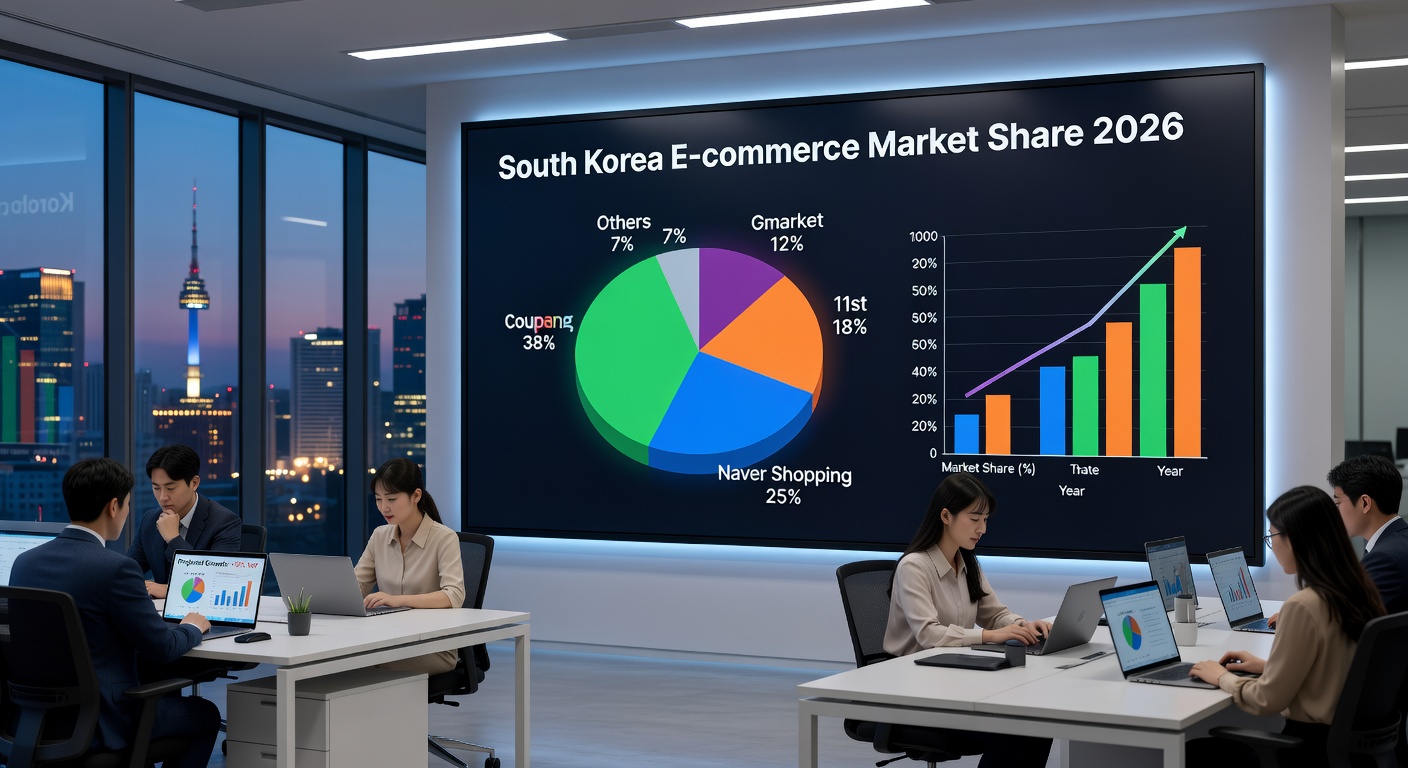
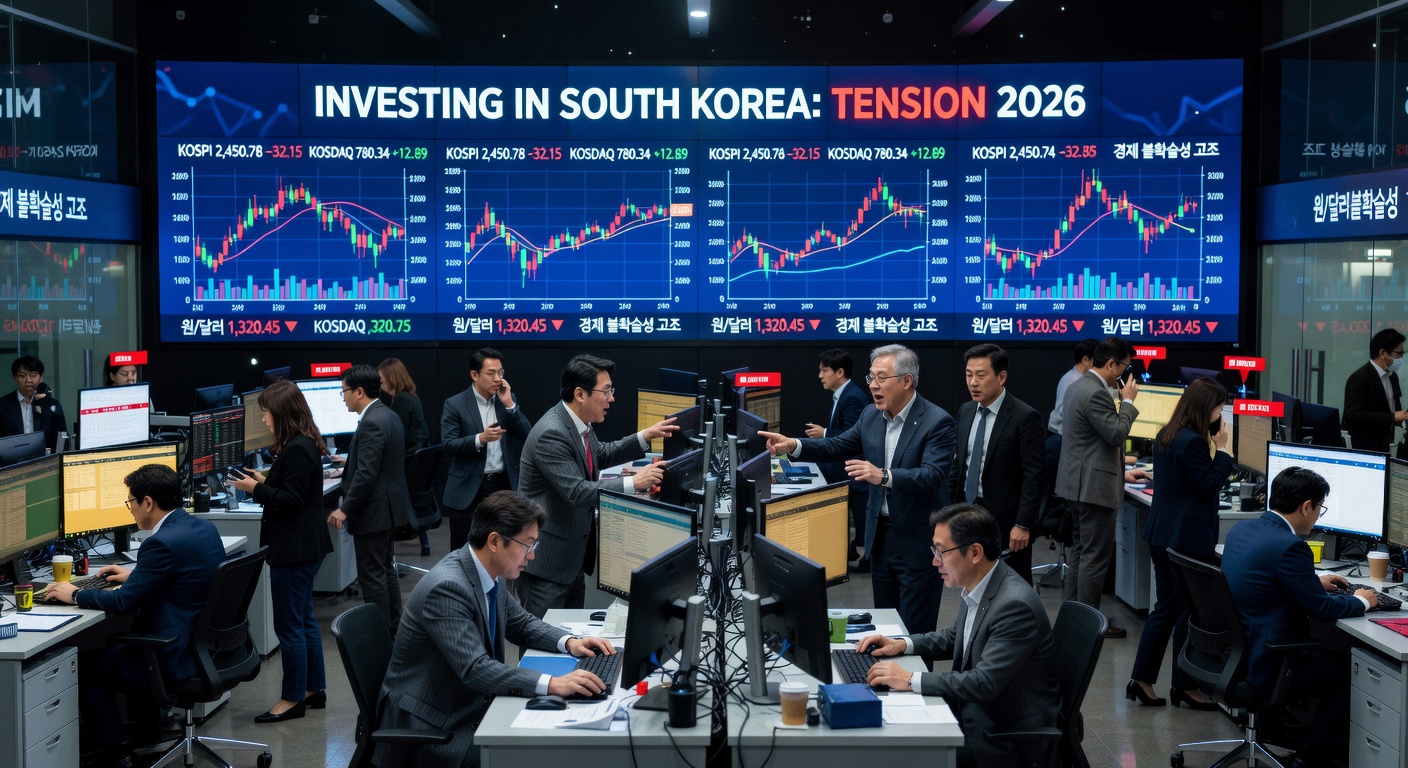
Foreign stakeholders face a growing list of risks. The local currency is weaker than expected. The national debt-to-GDP ratio has expanded to 51.6%. Also, labor union militancy is rising because of the Yellow Envelope Act. Despite these hurdles, smart money is flowing into automation. Investors are moving funds into AI retail. South Korea’s e-commerce AI market is now worth USD 1.1 billion. Find more risk insights at Control Risks 2026 Outlook.
| Risk Factor | Current 2026 Status | Investor Mitigation Strategy |
|---|---|---|
| Labor Militancy | High (Yellow Envelope Act active) | Invest in AI and automation to reduce workforce size. |
| Currency Weakness | Moderate (Won dropping against USD) | Use local hedging tools; focus on export-driven tech sectors. |
| National Debt | Growing (51.6% of GDP) | Seek government tax grants rather than public contracts. |
| FDI Screening | Very Strict (MOTIE 50% rule) | Partner with local firms early; keep ownership under 49%. |
Supplemental Explanation: The Rise of Retail AI
The labor hurdles have accidentally sparked a boom in artificial intelligence. Because the new pro-union laws make human labor costly and risky, companies are adapting. They are turning to AI-driven personalization. In 2026, the South Korean retail sector is transformed. Predictive AI engines manage inventory and customer habits in real time.
E-commerce platforms use agentic AI to guess what a shopper will buy next. This is a smart way for foreign companies to invest. The AI retail market avoids heavy factory labor, bypassing the Yellow Envelope Act entirely. Over 80% of customers here prefer brands that use AI for shopping. By funding AI recommendation engines, foreign investors can tap into a USD 1.5 billion market.

4. Actionable Insights
Global readers need to take specific steps right now. You must restructure your local supply chain investments. If you do this right, you can win MOTIE’s new 2026 tax incentives and cash grants. The government is aggressively throwing money at certain sectors like battery tech, alternative energy, and semiconductor factories. By shifting your money here, you can offset the costs of new labor laws.
There is a huge investment opportunity launching in June 2026. The government is starting new National Growth Funds (NGFs). These funds have a very attractive tax reward. If you hold your investment for three years or more, you get a flat 9% tax rate on your dividends. This rewards those who commit to the local market and supports market reforms by funding new, non-Chaebol companies.
To do this safely, foreign entities must overhaul their M&A compliance rules. For practical help, foreign managers should use official state tools. You should download the Korea Trade-Investment Promotion Agency (KOTRA) 2026 compliance guidelines. You must also use the official MOTIE foreign investment reporting portals.
| Investment Strategy | Pros | Cons |
|---|---|---|
| Join June 2026 NGFs | Flat 9% dividend tax rate; government backed. | Funds are locked for at least three years. |
| Buy AI Retail Startups | Avoids labor union risks; taps into USD 1.5B market. | Tech sectors face strict MOTIE security checks. |
| Green Energy JVs | Eligible for large cash grants and subsidies. | Must overhaul compliance to prove no monopolies. |
| Keep M&A under 50% | Bypasses the strict MOTIE core tech approval delay. | You do not get full control of the new company. |
Supplemental Explanation: Tax Grants and AI Growth
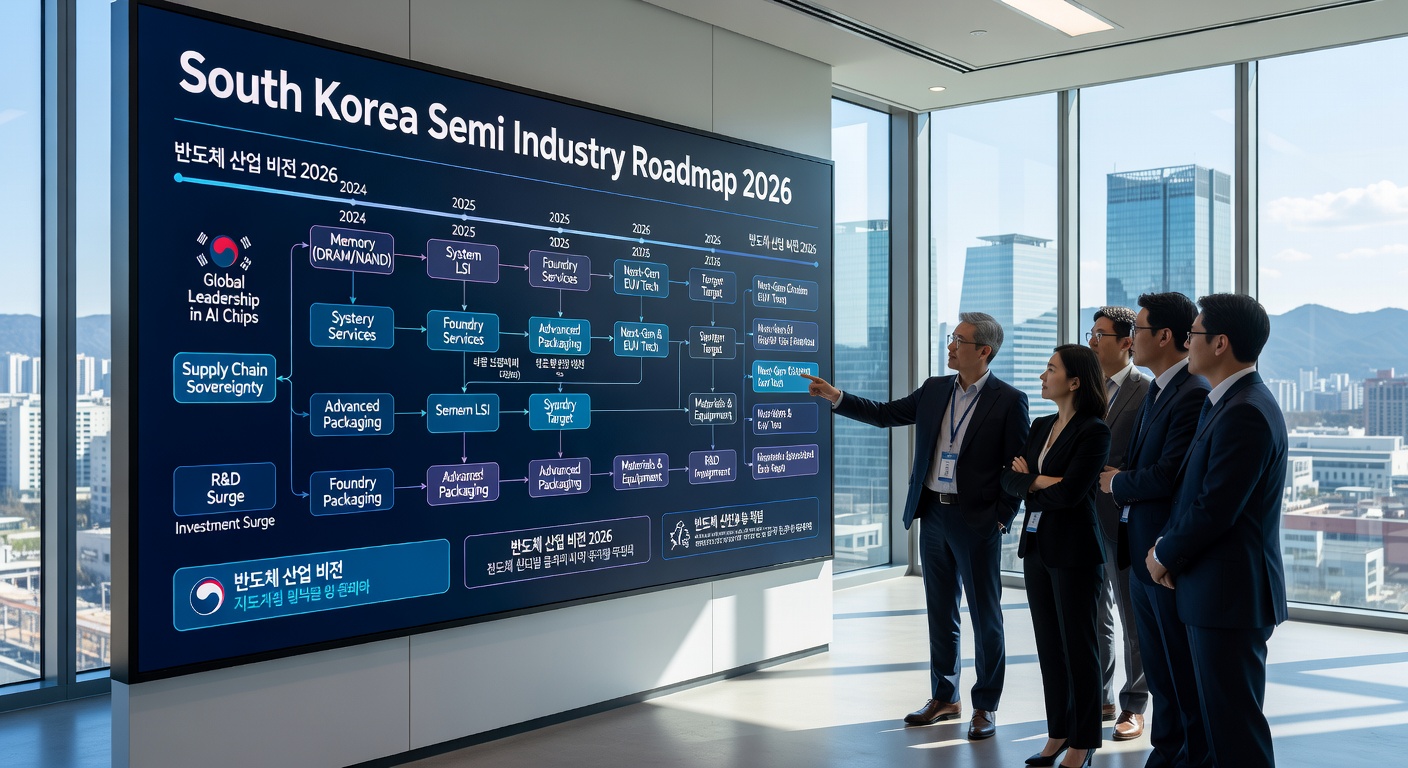
The government is pushing hard to grow digital markets. They know the strict labor laws are scaring factories away. To balance this, MOTIE is offering huge cash grants for tech. The e-commerce space alone is exceeding USD 120 million in new daily deals. The AI analytics market is projected to hit USD 1.5 billion soon.
Startups in this field have already grabbed USD 600 million in investments this year. Foreign investors should look at companies using omnichannel retail tools. These tools mix online and offline shopping. For example, local department stores using AI cut their out-of-stock items by 25%. Investing in these digital tools brings fast returns. It is the best way to thrive under the current government rules.

5. Expert Analysis
Global experts have a mixed view of the 2026 market. The financial group ING forecasts a resilient South Korean GDP growth of 2.0% for 2026. This is a nice jump from the 1.2% growth seen in 2025. This growth is led by computer chips and tech exports. However, ING cautions that this recovery is highly vulnerable. It depends on domestic political stability and global chip demand. You can track economic health at this Investing.com 2026 risk report.
There is a big gap between how locals and foreigners see these changes. Domestic anti-monopoly activists love the new rules. They praise the breaking up of family-owned conglomerate power. However, international asset managers see it differently. They are pricing the legal ambiguity of these reforms as a short-term risk premium. They feel the rules are too vague.
“Foreign Invested Enterprises are bound to be more sensitive to institutional changes… regulatory changes directly linked to management decisions are immediately perceived as legal risks.”
This quote from BusinessKorea shows the real fear on the ground. Conservative Korean papers echo this fear, stating that punishing companies to please labor unions will drive away the best global brands. Learn more about the legal framework at the ICLG Foreign Direct Investment site.
| Perspective View | Stance on 2026 Regulations | Primary Concern |
|---|---|---|
| Domestic Activists | Highly Positive | Wants Chaebol power broken up for fair local play. |
| Korean Conservatives | Negative / Critical | Worried about loss of Korean economic freedom and weak growth. |
| Global Asset Managers | Cautious / Pricing Risk | Fears legal ambiguity and sudden antitrust fines. |
| ING Forecasters | Moderately Positive | Sees 2.0% GDP growth but warns of political fragility. |
Supplemental Explanation: The Cost of Legal Ambiguity
Legal ambiguity means the laws are not clearly written. When laws are vague, foreign investors panic. They do not know if a normal business choice will break a new rule. For example, the new platform monopoly rules try to stop big apps from crushing small ones. But the rules do not clearly say what counts as “crushing.”
A global tech company might get fined just for offering a cheaper service. International lawyers are charging high fees to explain these changes. This adds a “risk premium” to every deal. Conservative Korean politicians are arguing for clearer, simpler laws. They want true market reforms that protect businesses and create steady jobs.

6. Conclusion & Next Steps
Navigating the 2026 South Korean market requires careful balance. Foreign stakeholders must expertly balance the costs of stricter labor laws against new rewards. The Yellow Envelope Act and strict antitrust compliance make daily operations harder. However, there are massive financial upsides to be found in government-backed strategic technology funds, like the June NGFs.
For your ongoing research, please save this updated resource list:
Supplemental Explanation: Final Portfolio Actions
Your next steps must be fast and decisive. First, audit your current partners in South Korea to make sure they hold less than 50% market share to avoid monopoly fines. Second, move capital out of heavy labor industries. Shift that capital into the booming AI e-commerce and semiconductor spaces.
Third, prepare your tax documents for the June 2026 National Growth Funds. Locking in a 9% flat tax on dividends is a rare chance. By following conservative, pro-market investment steps, you can secure strong returns. Stay focused on high-tech growth and strict legal compliance to win in 2026.
Frequently Asked Questions (FAQ)
Q: What is the “Yellow Envelope Act” and how does it affect foreign businesses?
A: The Yellow Envelope Act is a major pro-union law enacted in early 2026 that stops companies from suing workers for damages during strikes. This significantly increases corporate liability and financial risk, pushing many foreign investors to rethink their labor-intensive manufacturing operations.
Q: How has MOTIE changed foreign direct investment rules in 2026?
A: MOTIE has expanded its authority to block overseas mergers and acquisitions (M&A). Any foreign company attempting to acquire 50% or more of a business that holds “national core technologies” now faces rigorous security checks, leading to potential delays in finalizing deals.
Q: Which sectors offer the best opportunities for global investors amidst these new regulations?
A: Despite stricter labor rules, investors can find high returns in digital markets such as artificial intelligence (AI), retail technology, and green energy. These sectors are heavily supported by government tax rewards and the new National Growth Funds launching in June 2026.