

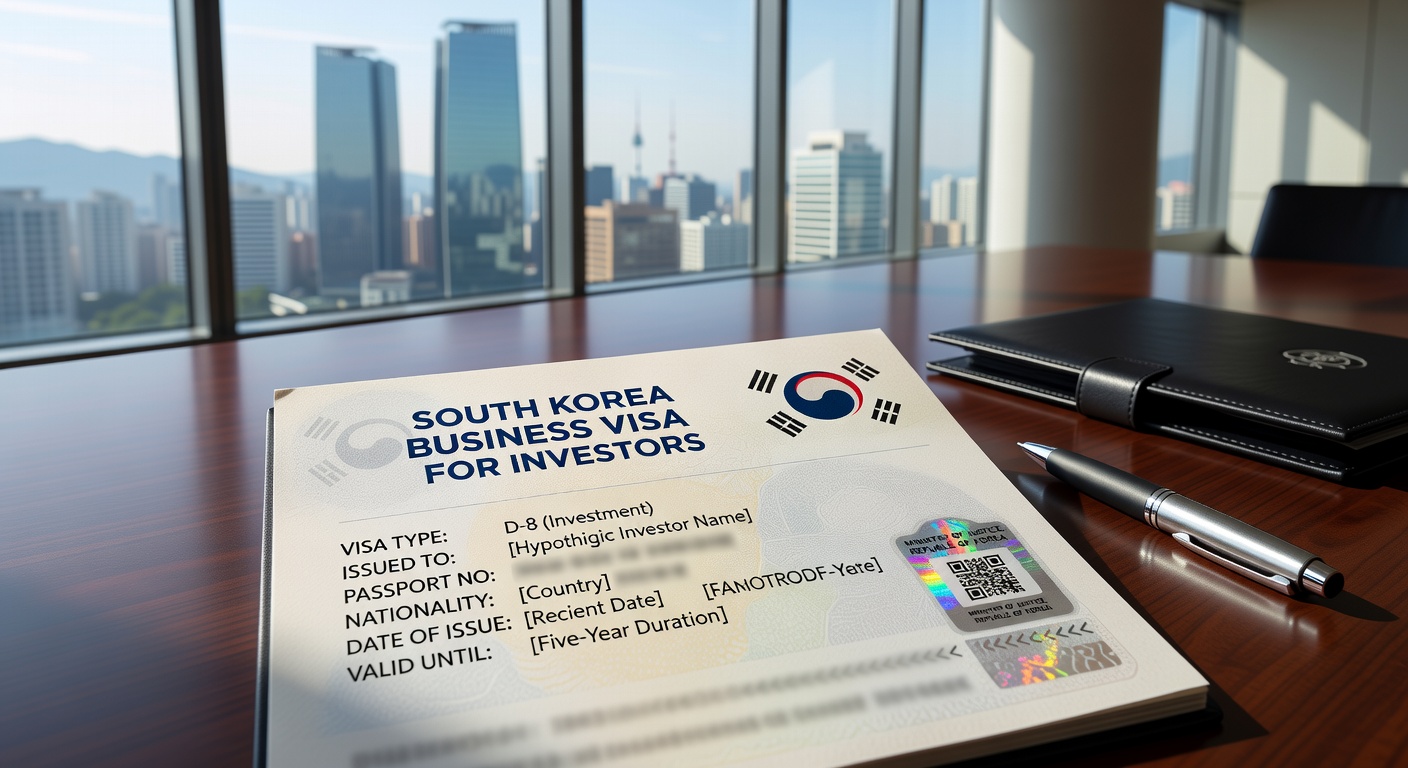
South Korea Business Visa for Investors
Key Summary: For global investors targeting the 2026 Korean market, mastering the South Korea business visa requirements—specifically the D-8 investor visa—is critical for bypassing regulatory friction and building crisis-resilient operations. Amidst a 1.9% GDP growth forecast, widespread defensive corporate strategies, and rising expat living costs, executing a robust entry strategy is non-negotiable. By leveraging Free Economic Zones (FEZs) and the strong US-Korea tech alliance, foreign firms can legally secure their operations, successfully acquire top executive talent, and mitigate risks associated with stringent new digital infrastructure laws.
Table of Contents
- 1. Introduction: Preparing for the 2026 Korean Market
- 2. Current Situation: Defensive Management and Market Shifts
- 3. Global Implications: Costs, Regulations, and Alliances
- 4. Actionable Insights: Steps for Foreign Investors
- 5. Expert Analysis: Economic Forecasts and Geopolitics
- 6. Conclusion & Next Steps: Mastering the Market
- 7. Frequently Asked Questions (FAQ)

1. Introduction: Preparing for the 2026 Korean Market
By mastering South Korea business visa requirements for investors immediately, global stakeholders can bypass domestic regulatory friction, safeguard their capital, and successfully establish crisis-resilient operations. Navigating these complex visa rules is the critical first step for multinational corporations. Firms are looking to anchor their presence in Seoul today.
However, they must do so amidst the Korea Development Institute’s modest 1.9% GDP growth forecast for 2026. The Korean market is changing rapidly. Foreign capital requires a stable and secure entry point. The right visa strategy protects your investments. It also gives your team the legal right to work freely.
There are three key takeaways for global business leaders this year. First, companies must leverage the strong pro-US-South Korea high-tech alliance to grow. Second, leaders must capitalize on the shifting South Korea executive talent market 2026. Third, businesses must find ways to mitigate the rising Cost of living in Seoul for global assignees.
Korean economic freedom is a major focus for conservative analysts. They believe foreign investors bring vital energy to the market. However, investors still face red tape. The latest data shows that preparation is the only way to win. Read more about the KDI forecasts here.
Foreigners care about this because legal compliance is stricter than ever. If you make a mistake, your business could face heavy fines. A proper D-8 investor visa is your best shield. It allows you to build a safe base of operations.
Table 1: Key Takeaways for Global Investors in 2026
| Strategic Goal | Market Impact | Required Action |
|---|---|---|
| Use US-Korea Security Ties | Boosts tech and defense profits. | Align business with US-backed sectors. |
| Secure Top Executive Talent | High turnover in top firms creates chances. | Offer strong pay to attract experts. |
| Manage Seoul Living Costs | High expenses hurt foreign workers. | Create robust housing pay packages. |
Supplemental Explanation: The Importance of the D-8 Visa
The D-8 corporate investor visa is the gold standard for foreigners bringing money into Korea. To get this visa, you must invest a minimum of 100 million Korean won. You must also open a valid corporate bank account. In 2026, the government is looking closely at where this money goes.
Conservative voices in Korea argue that these rules should be simpler. They want to boost market reforms and welcome more foreign cash. Right now, the D-8 visa proves that your business is real. It protects you from sudden audits. It also lets you sponsor your family and key workers. Without it, you cannot legally run a company in Seoul. You can review the official details here. Taking time to understand these rules saves months of delay.

2. Current Situation: Defensive Management and Market Shifts
The business landscape in 2026 requires a high level of Cultural intelligence for negotiating with Korean partners. Over 70% of local firms have adopted a strategy called “defensive management.” This means they are trying to save money and protect what they have, rather than growing. This cautious mood fundamentally dictates the corporate liability landscape today. It changes how you must talk to local partners.
The new left-leaning administration under President Lee Jae-myung has introduced strict rules. These rules make Korean business owners very careful. Conservative papers like the Chosun Ilbo argue that these heavy regulations hurt Korean economic freedom.
The latest 2026 data shows a major slowdown in job growth. The Korea Enterprises Federation notes a 29.9% decline in top-firm hiring over the past two years. This creates a highly specific disruption within the South Korea executive talent market 2026. Many top executives are looking for new, stable jobs. Foreign companies have a rare chance to hire the best local minds. You must act fast to grab this talent. Local companies are too focused on cost-cutting. Read the latest hiring reports here.
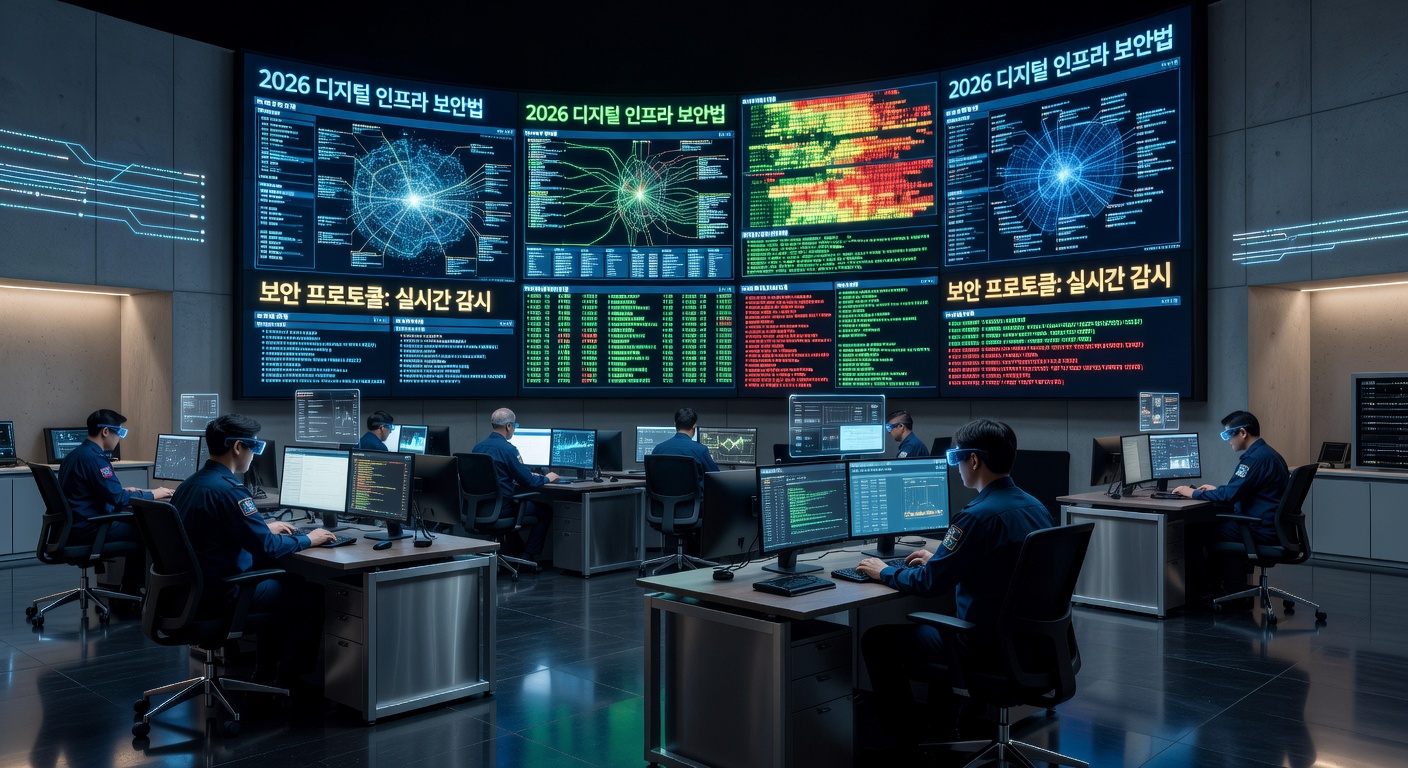
Visual Recommendation: We highly recommend creating an infographic for your internal teams. This infographic should map the impact of newly proposed Digital infrastructure and cybersecurity laws in South Korea. It should show how these laws defend against the high frequency of state-sponsored cyber threats targeting financial systems.
Table 2: Corporate Growth Strategies in Korea (2026 Survey Data)
| Strategy Type | Percentage of Firms | Key Actions Taken |
|---|---|---|
| Defensive/Maintenance | 39.5% | Stopping new hires, saving cash reserves. |
| Tightening/Contraction | 31.4% | Layoffs, selling assets, closing weak branches. |
| Expansion | 29.1% | Buying cheap assets, entering tech niches. |
Supplemental Explanation: Understanding Defensive Management
“Defensive management” is a survival tactic. In 2026, South Korea faces a severe petrochemical and supply chain crisis. Companies like LG Chem and Lotte Chemical have warned about stopping supply for ethylene and ABS resins. Prices have jumped by up to 60% due to naphtha shortages.
Because of these shocks, Korean businesses are holding back. They are not spending extra money. Conservative experts point out that government price controls make this worse. They believe free markets solve shortages faster. For foreign investors, defensive management means your local partners will be slow to sign new deals. You must show them that your project is safe. You need to prove that you bring stable, secure capital. Track the latest tech and supply updates here.
3. Global Implications: Costs, Regulations, and Alliances
The tension between lucrative US-Korea tech alliance opportunities and domestic regulatory friction is high. This tension necessitates strict adherence to South Korea business visa requirements for investors (specifically D-8 and F-2 categories). You must follow the rules to maintain operational continuity.
Compared to US and Japan benchmarks, the financial burden on expatriates is intense. Multinationals require robust corporate packages to offset the Cost of living in Seoul for global assignees. Today, family housing costs in Seoul far exceed global averages. Expats feel the squeeze of high food and energy prices. You can view a detailed cost comparison here.
Multinationals must weigh heavy legislative risks before spending money. You need large capital investments to comply with the strict new Digital infrastructure and cybersecurity laws in South Korea. The risk of state-sponsored cyber attacks is very real. The government forces companies to build zero-trust networks.
Conservative analysts argue that while security is vital, the government must help pay for these upgrades. They believe too much regulation stops foreign direct investment. However, the strong US-Korea security bond offers a safe harbor. It protects companies working in defense and high-tech sectors. Compare local living costs here.
Table 3: 2026 Expat Cost of Living Benchmarks (Index: USD)
| Expense Category | Seoul, South Korea | Tokyo, Japan | New York, USA |
|---|---|---|---|
| Premium Family Housing | Very High | High | Very High |
| Daily Groceries/Food | High | Medium | Medium |
| Energy/Utilities | Very High (up 13%) | High | Medium |
| Compliance/Legal Fees | High | High | Very High |
Supplemental Explanation: Navigating High Costs and Compliance
The global implications of Korea’s 2026 crisis are deep. The US-Iran war escalation has spiked energy prices by 13% in a single day. Top financial groups are activating crisis systems. This makes the Cost of living in Seoul for global assignees even worse. The Korean government has deployed a 100 trillion won market stabilization fund.
However, conservative voices note that printing money causes inflation. For a global company, you must adjust expat pay often. You also have to follow complex new Digital infrastructure and cybersecurity laws in South Korea. If you fail to protect your data, the government will fine you. Learn more about foreign investment compliance directly from the source.
4. Actionable Insights: Steps for Foreign Investors
Foreign leaders must take specific steps right now. First, you must audit your supply chains for naphtha and energy vulnerabilities. Second, immediately initiate D-8 applications by aligning with the latest South Korea business visa requirements for investors. Do not wait for the laws to change.
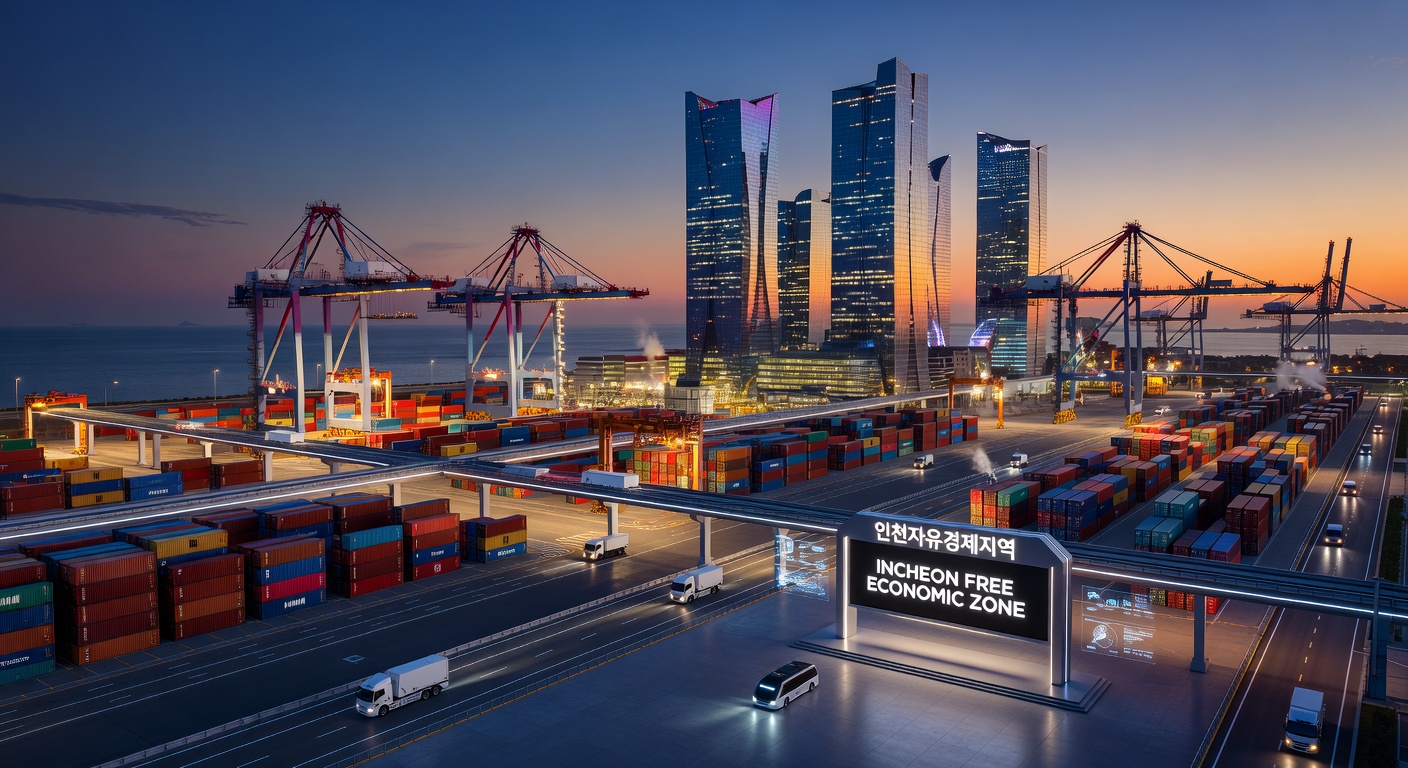
We advise you to target Free Economic Zones (FEZs). You should also invest in US-backed defense sectors. This strategy lets you use government stabilization funds. It also minimizes your exposure to unpredictable local labor union volatility. Labor unions in Korea can be very disruptive. Strikes can stop your factories from working.
Executives must apply high-level Cultural intelligence for negotiating with Korean partners. You need this skill to navigate the new left-leaning corporate governance reforms. These reforms often favor workers over owners. By understanding local fears, you can secure favorable enterprise terms.
Conservative newspapers like the Dong-A Ilbo suggest that market-friendly companies will eventually win. They advocate for standing firm on your corporate rights. Use official resources to plan your moves. Read the American Chamber of Commerce in Korea (AMCHAM) 2026 business climate reports. Also, read policy papers from the Federation of Korean Industries (FKI).
Table 4: Strategic Action Plan for Multinationals in 2026
| Identified Risk | Recommended Action | Best Resource / Target |
|---|---|---|
| Visa Delays/Rejections | Apply for D-8 using certified local legal teams. | Invest KOREA official guides. |
| Labor Union Strikes | Move operations to Free Economic Zones (FEZs). | FKI Policy Papers. |
| Energy Shortages | Audit supply chains and find US/global backups. | AMCHAM 2026 Reports. |
| Left-Leaning Rules | Use cultural intelligence to build local trust. | Local conservative advisory boards. |
Supplemental Explanation: Why Free Economic Zones Matter
Free Economic Zones (FEZs) are special areas in South Korea. The government created them to attract foreign money. They offer tax breaks and fewer rules. In 2026, conservative leaders strongly support expanding these zones. They believe FEZs are the best way to bypass strict national labor laws.
When you apply for South Korea business visa requirements for investors, putting your business in an FEZ helps. The local governments in these zones want you to succeed. They will guide you through the paperwork. You also avoid some of the extreme labor union volatility seen in normal cities. By placing your factory or office in an FEZ, you increase your Korean economic freedom. This is an actionable, safe path for global capital during uncertain times.
5. Expert Analysis: Economic Forecasts and Geopolitics
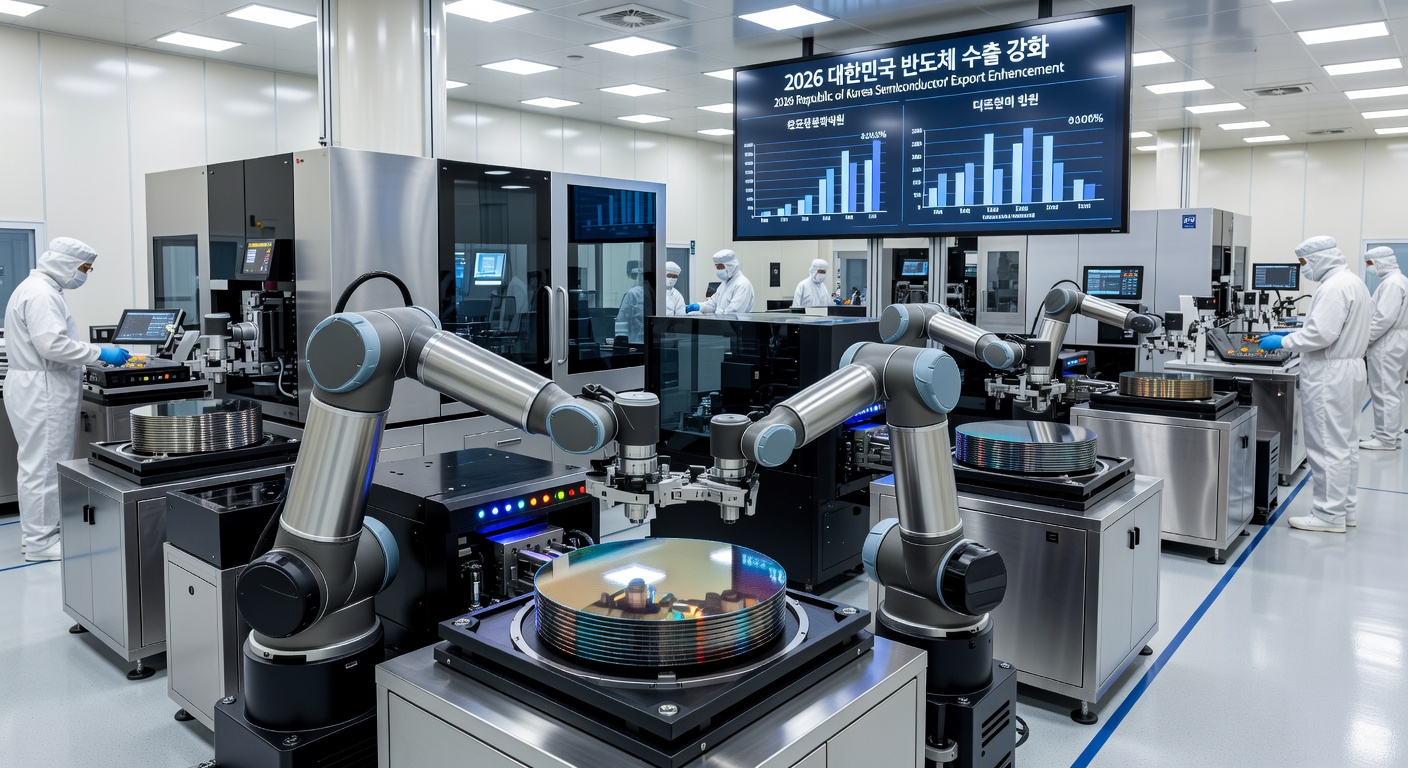
Official forecasts present a mixed picture for 2026. The Korea Development Institute (KDI) and the IMF highlight a modest 1.9% growth projection. This growth is bolstered by strong semiconductor exports. However, it is weighed down by sluggish domestic demand. Korean families are not spending money.
Global readers must understand the international perspective versus the Korean domestic view. Pro-US alliance analysts warn that policies overly accommodating to Beijing compromise corporate intellectual property (IP). These analysts highlight the urgent need for strict alignment with Digital infrastructure and cybersecurity laws in South Korea. Protecting your ideas from state-sponsored theft is critical.
Expert quotes emphasize the financial strain. “With pressure from a weaker won in focus, rate cuts in early 2026 appear unlikely,” notes Moody’s Analytics. This high-interest-rate environment limits local borrowing. It reinforces the need for highly competitive compensation structures within the South Korea executive talent market 2026.
Foreign firms with strong US dollars have massive buying power right now. You can outbid local firms for the best talent. Conservative experts praise the US-Korea security bond. They argue that leaning toward the US is the only way to save the tech sector. Read the complete economic miss reports here.
Table 5: 2026 Economic Forecasts and Drivers
| Forecasting Agency | 2026 GDP Growth | Primary Growth Driver | Primary Drag / Risk |
|---|---|---|---|
| Korea Development Inst. | 1.9% | Semiconductor Exports | Sluggish Domestic Demand |
| Int. Monetary Fund (IMF) | 1.9% | US-Korea Tech Alliance | Energy/Naphtha Supply Crisis |
| Moody’s Analytics | N/A | High-Tech Manufacturing | Weak Won & High Rates |
Supplemental Explanation: The Geopolitical Threat Landscape
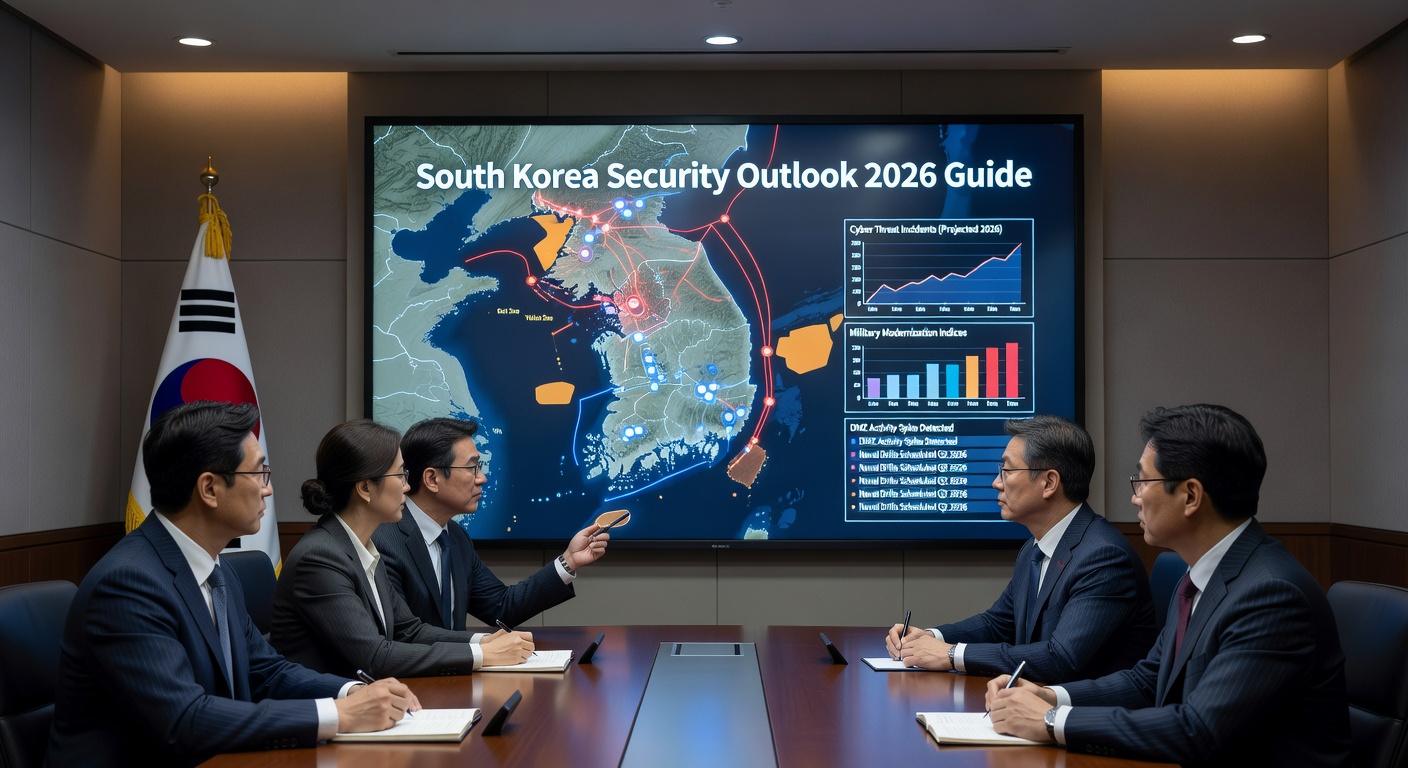
The expert analysis for 2026 shows deep geopolitical stress. A RAND Corporation study details the dangers of regional conflicts. The Middle East crisis directly hurts Korea’s oil supply. At the same time, North Korea maintains a hardline stance. Conservative analysts strongly support peace through strength. They demand tighter US-Korea military drills.
For a global business, this means physical security and digital security are linked. The Digital infrastructure and cybersecurity laws in South Korea are designed to stop North Korean hackers. These hackers try to steal money to fund weapons. When you comply with these tech laws, you protect your own bank accounts. You also help defend the nation. Read the full regional security report here.
6. Conclusion & Next Steps: Mastering the Market
Successful crisis management in 2026 requires balance. You must balance the unparalleled infrastructure of the US-Korea alliance against domestic regulatory friction. You also must navigate petrochemical supply crunches and escalating regional geopolitical risks.
South Korea remains a highly profitable market for those who prepare. Understanding South Korea business visa requirements for investors is your baseline for entry. From there, you must capture top leaders in the South Korea executive talent market 2026. Finally, you have to support your team against the high Cost of living in Seoul for global assignees.
We encourage you to read more of our related content to build your strategy. Please read “Leveraging the US-Korea Security Alliance for Tech Investments.” You should also review “Navigating Labor Union Volatility Under Democratic Party Rule.” Lastly, study our piece on “Korean Economic Freedom: A 2026 Roadmap for Foreign Capital.” These articles provide deep insights into conservative policy responses.
Take action today. Subscribe to our executive newsletter for real-time, data-driven updates. We cover South Korean regulatory shifts, market-friendly reforms, and exclusive intelligence on Asia-Pacific corporate risk management.
Table 6: Essential Resource Checklist for 2026
| Resource Name | Purpose | Action Required |
|---|---|---|
| KDI Economic Outlook 2026 | Track GDP and inflation. | Review before budget planning. |
| Invest KOREA Visa Guide | Ensure legal D-8 compliance. | Share with HR and legal teams. |
| AMCHAM 2026 Policy Briefs | Understand US-Korea business climate. | Read for networking and strategy. |
Supplemental Explanation: Building a Resilient Future
The events of 2026 prove that business is never simple. President Lee Jae-myung’s administration has deployed 20.3 trillion won in exporter support. There are also loans up to 500 million won for businesses hit by the Middle East crisis. Multinationals can use these funds if they know how to ask.
Good Cultural intelligence for negotiating with Korean partners helps you unlock these government benefits. However, conservative voices remind us that handouts are not a long-term fix. True success comes from economic freedom, free markets, and strong borders. As an international reader, your next step is clear. You must build a flexible, legally sound business model. Start with your visa. Secure your data. Hire the best people. South Korea will reward those who act with speed and respect for the rules.
Frequently Asked Questions (FAQ)
What are the core South Korea business visa requirements for investors?
To secure the D-8 corporate investor visa, which is essential for legally managing a company in Korea, you must invest a minimum of 100 million Korean won and establish a valid corporate bank account to verify your enterprise’s operations.
Why are Free Economic Zones (FEZs) crucial for multinational companies?
Free Economic Zones provide significant tax incentives, simplified regulatory procedures, and a protective buffer against strict national labor laws. Setting up operations within an FEZ maximizes flexibility and limits exposure to domestic labor volatility.
How is the “defensive management” trend impacting the Korean market?
With supply chain shortages and rising costs, over 70% of local firms are prioritizing cash preservation over growth. This cautious environment makes local partners hesitant, but it also creates prime opportunities for foreign companies to attract top-tier executive talent actively looking for stability.