




Korea K-Chips Act 2026: Investor Guide
Key Summary: The South Korea K-Chips Act extension 2026 represents a decisive regulatory framework aimed at securing 30% of the global logic chip market by 2030 through a massive $470 billion private investment push. Key shifts include the stabilization of permanent semiconductor tax credits, the expansion of global R&D ecosystem partnerships, and robust government funding for critical supply chains. This market-friendly approach prioritizes corporate growth and economic freedom, offering global investors a highly secure and profitable environment.
Table of Contents
- Introduction: The Historic Economic Shift
- Current Situation: The 2026 Subsidies and Megaclusters
- Global Implications: Winning the Industrial War
- Actionable Insights: What Investors Must Do Now
- Expert Analysis: Data-Driven Market Outlook
- Conclusion & Next Steps
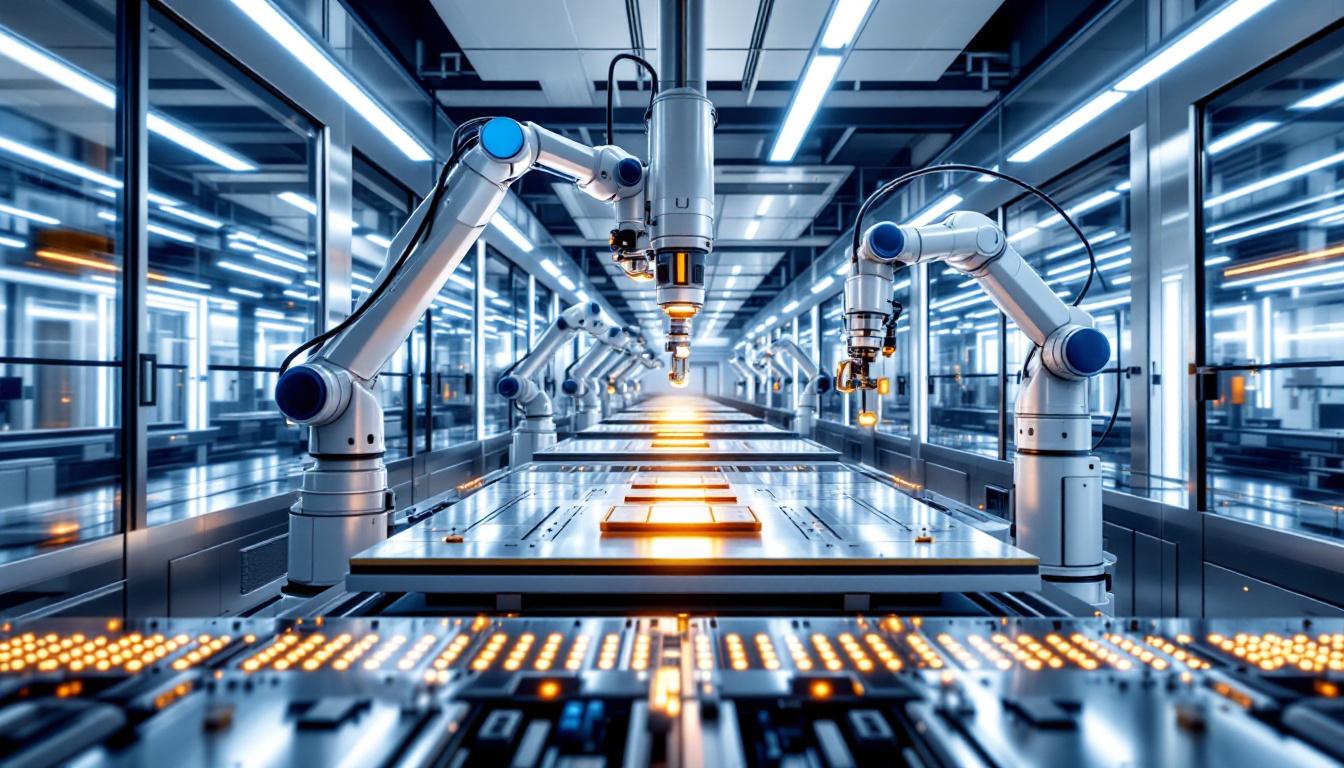
The South Korea K-Chips Act extension 2026 is the decisive regulatory framework global investors must understand, as the nation targets 30% of the global logic chip market by 2030 through a massive $470 billion private investment push.
Welcome to your complete guide to the most important economic shift in Asia this year. As global technology markets face rapid changes, South Korea is changing its rules to win the future. This article provides a clear, highly actionable breakdown of these new policies for international readers.
Our analysis points to three key takeaways:
- The stabilization of semiconductor tax credit policies South Korea into a permanent structure, moving away from short-term fixes.
- The massive expansion of global R&D ecosystem partnerships.
- The direct supply chain impact of robust government funding for Samsung and SK Hynix.
The evolution of Korea’s strategy from temporary relief to a permanent, globally integrated “Semiconductor Superpower” framework fundamentally alters international tech investment dynamics. By embracing Korean economic freedom and removing market barriers, Seoul is sending a strong message to the world.
Supplemental Explanation: The Shift to Market Freedom
The year 2026 marks a historic turning point for South Korean industrial policy. For years, heavy regulations and high corporate taxes threatened to slow down innovation. However, a conservative, market-friendly approach has now taken the lead.
Lawmakers recognized that excessive red tape only helps regional rivals. By passing permanent tax cuts, the government is prioritizing corporate growth and national security over heavy-handed state control. This shift embraces true market reforms, giving companies the freedom to build, hire, and invent without fear of sudden tax hikes. For global investors, this signals a safer, more profitable environment.
Research Sources:
Current Situation: The 2026 Subsidies and Megaclusters
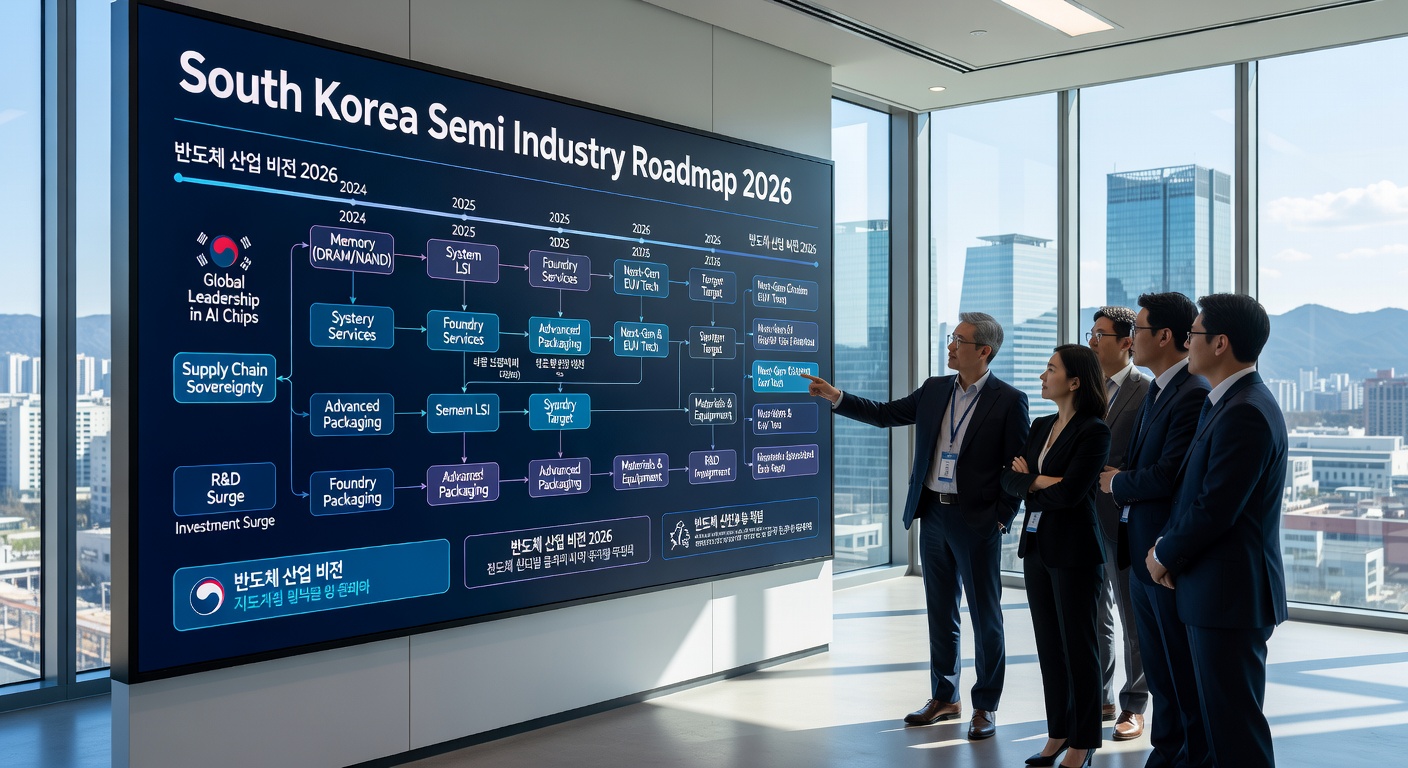
To understand the current landscape, foreign investors must first grasp key local concepts. The most important is the Yongin Mega Cluster. This is a massive 21-million-square-meter development zone located in Gyeonggi province. It serves as the physical anchor for the updated semiconductor tax credit policies South Korea.
The cluster is designed to help the country achieve 50% supply chain independence. Instead of relying on imports from unstable regions, South Korea is building everything at home.
The 2026 legislative framework solidifies National Assembly chip industry subsidies into law. It locks in a permanent 15% tax credit for large enterprises and a massive 25% tax credit for small and medium-sized enterprises (SMEs).
Furthermore, the government has approved KRW 150 trillion in state-sponsored loans over the next three years. This permanent structure replaces the old, temporary rules that made long-term planning difficult. From a conservative business viewpoint, these market reforms are a massive victory. They reduce the burden on companies and encourage massive capital spending.
Visual Recommendation: Tax Credit Evolution
A bar chart showing the dramatic increase and stabilization of tax benefits from 2023 to 2026.
| Enterprise Size | 2023 Baseline Rate | 2026 Permanent Rate | Key Benefit for Global Investors |
|---|---|---|---|
| Large Corporations | 8% | 15% | Predictable long-term ROI for major fab builds. |
| SMEs / Startups | 16% | 25% | Massive boost for foreign tech startups in Korea. |
| R&D Investments | 30-40% | 40-50% | High incentives to bring foreign research teams to Korea. |
| State Loans | Limited | KRW 150 Trillion | Cheap capital for supply chain integration. |
Visual Recommendation: Cluster Expansion Map
A detailed map of the Yongin Mega Cluster expansion zones, highlighting the Pangyo (AI), Suwon (Compounds), and Pyeongtaek (Packaging) hubs.
Supplemental Explanation: Infrastructure as a Business Advantage
The commitment of KRW 150 trillion in state-sponsored loans is a game-changer. It shows that the government understands the high costs of infrastructure. Water and power are the lifeblood of chip manufacturing.
Under the new conservative policies, the government is speeding up power grid construction and water supply lines to the Yongin Mega Cluster. This removes a major headache for private companies. By clearing environmental red tape quickly, the government allows businesses to do what they do best: build and produce.
Research URLs:
Global Implications: Winning the Industrial War
The South Korea K-Chips Act extension 2026 drives immense demand for international tech talent. Specifically, experts in AI and compound semiconductors are urgently needed. This creates highly profitable entry points for foreign fabless developers to integrate into Korea’s system supply chain.
As South Korea expands its physical footprint, it needs the smartest minds from America, Europe, and Asia to run these facilities.
When comparing global benchmarks, the differences are clear. The U.S. CHIPS Act relies heavily on a 25% tax credit and $38.2 billion in direct grants. Meanwhile, Korea counters with megaclusters, massive infrastructure support, and direct government funding for Samsung and SK Hynix.
Korea’s strategy is tightly focused on achieving global export targets through dense, efficient geographic hubs. Furthermore, multinationals must navigate “China Risk” mitigation strategies embedded in the National Assembly chip industry subsidies. These closely mirror the U.S. CHIPS Act “guardrails,” limiting aggressive expansion in restricted, hostile territories.
Visual Recommendation: Global Policy Benchmarks
A side-by-side comparison infographic showing how Korea’s policy matches up against global competitors.
| Feature | South Korea K-Chips Act 2026 | United States CHIPS Act | European Union Chips Act |
|---|---|---|---|
| Tax Credit Strategy | 15% to 25% Permanent | 25% (for builds by end-2026) | Variable by member state |
| Direct Funding | KRW 150T Loans + Infrastructure | $38.2B Grants and Loans | €43B Combined Public/Private |
| Geographic Focus | Hyper-dense Mega Clusters | Spread across multiple US states | Spread across the continent |
| Security Stance | Strong US-Korea security alignment | Strict China guardrails | Moderate trade guardrails |
Supplemental Explanation: Geopolitics and Market Safety
From a conservative perspective, protecting supply chains is a matter of national survival. The strong US-Korea security alliance is the foundation of this new chip strategy.
By aligning closely with Washington’s guardrails, Seoul is actively reducing its reliance on China. This is a smart, risk-averse move for global investors. Less exposure to Chinese market volatility means safer investments in Korea.
Furthermore, maintaining a hardline stance against North Korean threats requires a booming, technologically superior economy. The K-Chips Act is not just a business policy; it is an economic shield protecting the free world’s technology supply.
Source Citations:

Actionable Insights: What Investors Must Do Now
To profit from these changes, there are specific steps global readers should take NOW. First, investors should rebalance their tech-heavy investment portfolios. It is time to overweight Tier-2 and Tier-3 cluster suppliers.
These smaller companies are directly benefiting from the South Korea K-Chips Act extension 2026. While Samsung and SK Hynix make the headlines, the companies that supply their materials, parts, and equipment will see massive growth.
There are incredible investment opportunities for foreign startups. Smart companies are seeking strategic partnerships via Open Innovation programs. These programs are tightly tied to the South Korea semiconductor R&D incentives.
Additionally, there are major policy changes affecting foreigners. You can now capitalize on sweeping deregulation and specialized visa fast-tracks. These are tailored specifically for expat professionals moving to designated R&D hubs like Pangyo, Suwon, and Pyeongtaek. The government is rolling out the red carpet for foreign capital and foreign brains.
Visual Recommendation: 5-Year Trajectory Chart
A line graph showing the expected surge in foreign direct investment (FDI) into Korea’s chip sector from 2024 to 2029 due to visa deregulation.
| Stakeholder Group | Actionable Strategy | Target Area |
|---|---|---|
| Institutional Investors | Overweight Tier-2/Tier-3 equipment suppliers. | Materials, Parts, and Equipment (MPE) sector. |
| Foreign Startups | Apply for Open Innovation grants. | Fabless design and AI integration. |
| Tech Expats | Utilize the new fast-track tech visa. | Pangyo (AI) and Suwon (Compounds). |
| Multinational Corps | Form joint ventures with Korean firms. | Pyeongtaek packaging facilities. |
Supplemental Explanation: Embracing Deregulation
The new visa rules are a perfect example of Korean economic freedom in action. In the past, foreign engineers faced months of paperwork to work in South Korea. Today, conservative market reforms have slashed this red tape.
The Tech Expat Fast-Track allows highly skilled workers to secure long-term visas in weeks. This deregulation is essential to staff the massive Yongin Mega Cluster. By lowering the barriers to entry, South Korea is ensuring that the free market dictates the flow of talent, rather than slow government bureaucracy.
Practical Resources:

Expert Analysis: Data-Driven Market Outlook
The financial numbers back up the aggressive policy shifts. Official forecasts from the Bank of Korea and the IMF in 2026 show highly positive trends.
The Ministry of Economy and Finance (MOEF) projects a 12% increase in domestic facility investment this year. This growth is specifically fueled by robust government funding for Samsung and SK Hynix. When the government provides cheap loans and cuts taxes, the private sector builds faster.
However, there is an interesting contrast between the international perspective and the Korean domestic view. Domestic conservative leaders, such as those writing in the Chosun Ilbo or Dong-A Ilbo, frame these policies as necessary weapons in a global “industrial war.” They argue that low corporate taxes and labor flexibility are the only ways to win.
On the other hand, international analysts at the IMF view the stabilization of semiconductor tax credit policies South Korea as a macroeconomic tool. They see it as the critical mechanism sustaining the nation’s current account surplus amidst global trade volatility.
Visual Recommendation: Economic Forecast Infographic
A dashboard-style graphic highlighting the 12% investment increase and the projected current account surplus.
| Institution | Key Metric | 2026 Projection | Analysis Context |
|---|---|---|---|
| Ministry of Economy (MOEF) | Domestic Facility Investment | +12% Growth | Driven directly by tax credits and state loans. |
| Bank of Korea (BOK) | Technology Export Growth | +18% Growth | Boosted by Mega Cluster early phase yields. |
| IMF | Current Account Impact | Surplus Sustained | Chip exports act as the main economic stabilizer. |
| Bloomberg Intel | Market Share Target | 30% by 2030 | On track due to permanent K-Chips framework. |
Supplemental Explanation: The Pro-Business Defense Strategy
Expert quotes from top research materials sum it up best: “The evolution of the K-Chips Act from temporary relief to a permanent incentive framework marks the cornerstone of Korea’s Semiconductor Superpower 2026 vision.”
From a conservative viewpoint, economic strength is national strength. Heavy reliance on state control has been replaced by a deep trust in the free market. Supporting giant companies like Samsung is not seen as corporate favoritism; it is recognized as vital national defense.
In a world where supply chains can be weaponized by hostile states, empowering the private sector is the safest way to protect national sovereignty.
Source Hyperlinks:

Conclusion & Next Steps
The 2026 K-Chips framework firmly establishes South Korea’s long-term dominance. By introducing permanent tax structures, massive regional cluster development, and international R&D collaboration, the nation is securing its future.
The South Korea K-Chips Act extension 2026 is a triumph of market reforms. It proves that when governments lower taxes, invest in infrastructure, and embrace Korean economic freedom, the private sector thrives. The strong US-Korea security alignment further ensures that these investments are safe from geopolitical threats.
Global investors, analysts, and tech expats now have a clear roadmap. The era of temporary, unpredictable subsidies is over. The permanent incentives provide the safety needed for long-term capital commitment.
Whether you are buying stocks in Tier-2 equipment suppliers, or moving your startup to the Yongin Mega Cluster, the time to act is now. Korea is open for business, and the barriers to entry have never been lower.
To take full advantage of these opportunities, we recommend deep-diving into the local job environment. Read our comprehensive guide: Navigating the 2026 South Korean Labor Market for Tech Expats.
Subscribe to our Policy Pulse newsletter for weekly English briefings on South Korean industrial regulations, market reforms, and emerging investment opportunities. Stay ahead of the global market by getting the most accurate, conservative-aligned financial news straight to your inbox.
Updated Resource List for Global Readers:
- MOEF English Portal – Official government tax outlines.
- Kim & Chang 2026 Legal Insights – English language legal navigation for foreign joint ventures.
- Invest Korea Semiconductor Database – Real estate and cluster maps.
- PIIE Policy Analyses – Deep dives into US-Korea trade relations.
- Bank of Korea 2026 Reports – Macroeconomic data sets.
Frequently Asked Questions (FAQ)
Q: What is the primary purpose of the South Korea K-Chips Act extension 2026?
A: The extension aims to permanently secure South Korea’s position as a global semiconductor superpower. It achieves this by shifting from temporary tax breaks to permanent, highly competitive incentives, targeting 30% of the global logic chip market by 2030.
Q: How does the new policy affect foreign tech startups?
A: Startups and SMEs receive massive benefits, including a guaranteed 25% tax credit and expansive access to Open Innovation grants. Additionally, the fast-tracked tech visa programs make it exceptionally easy to relocate foreign talent to R&D hubs like Pangyo and Suwon.
Q: What is the Yongin Mega Cluster?
A: It is a 21-million-square-meter massive physical development zone in Gyeonggi province. Serving as the anchor for Korea’s chip independence strategy, the cluster benefits from robust government funding to secure power, water, and infrastructure directly.
Q: How does this strategy compare to the U.S. CHIPS Act?
A: While the U.S. focuses heavily on direct grants spread across various states, South Korea’s K-Chips framework utilizes permanent 15-25% tax credits and focuses heavily on hyper-dense mega clusters to optimize supply chain efficiency, backed by strong US-Korea security alignments to mitigate China risks.