
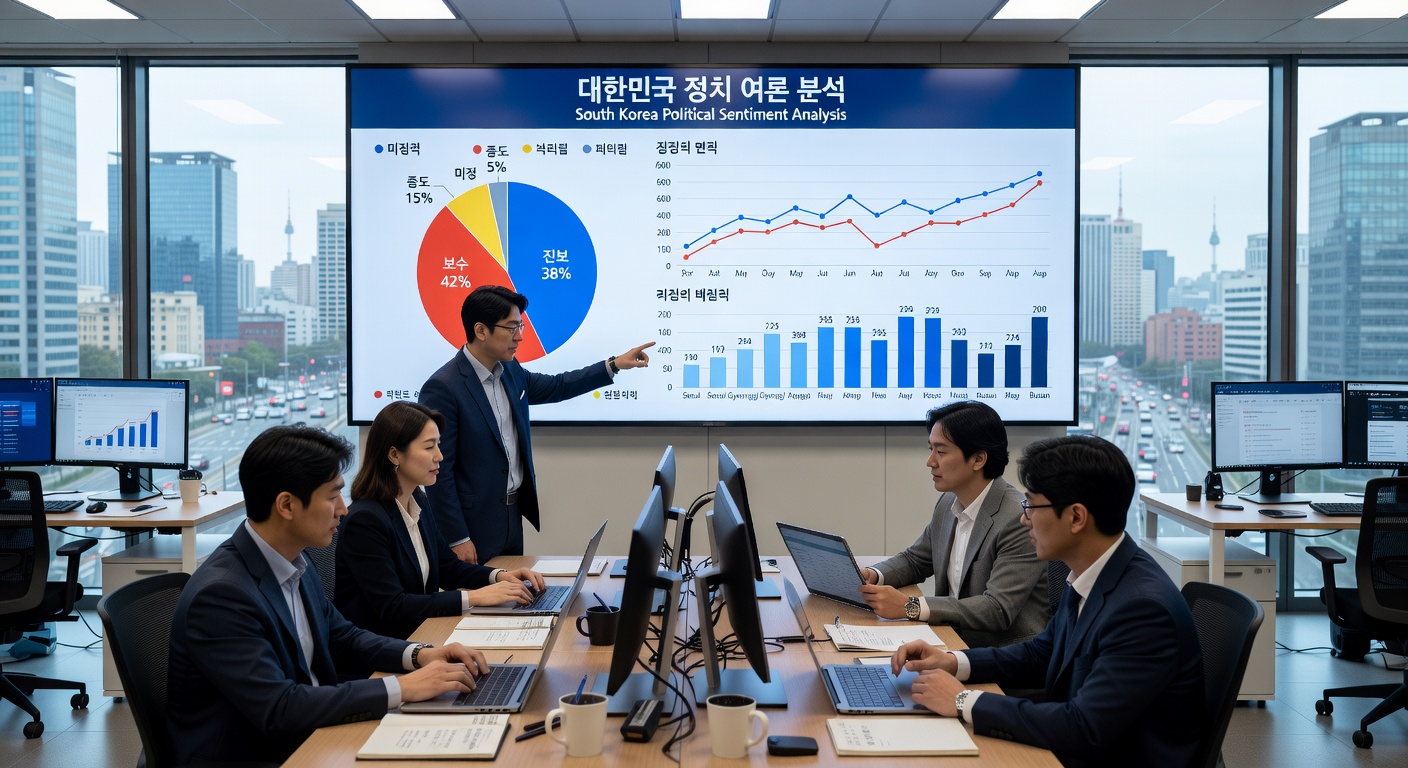
South Korea Political Sentiment Analysis
Key Summary: In 2026, South Korea faces an unprecedented economic dilemma, navigating a precarious position between its primary security ally, the United States, and its largest trade partner, China. With 40% of memory chip exports tied to Chinese markets and looming US tariffs threatening tech giants, international investors must remain highly vigilant. This comprehensive analysis explores shifting political sentiments, the vulnerabilities of global supply chains, and the strategic actions required to protect foreign capital in a deeply fragmented geopolitical landscape.
Table of Contents
- 1. Navigating the 2026 Chip War and Economic Reality
- 2. Current Situation
- 3. Global Implications
- 4. Actionable Insights
- 5. Expert Analysis
- 6. Conclusion & Next Steps
- Frequently Asked Questions (FAQ)
1. Navigating the 2026 Chip War and Economic Reality
A thorough South Korea political sentiment analysis is critical for international investors to understand why the nation is caught in a trap today rather than smoothly joining a US-led tech group. As of March 29, 2026, the global tech industry is watching Seoul very closely. Right now, 40% of South Korea’s memory chip exports remain firmly tied to China. This high number stays strong despite new and heavy US taxes on trade.
Foreign expats and analysts must see that South Korea is facing an impossible choice. The country is stuck between its biggest security partner and its biggest buyer. This guide provides three main takeaways for the year 2026:
- First, we will look at the direct hit of Washington’s 25% to 100% tariffs on Korean tech companies.
- Second, we will see how political approval ratings in 2026 are causing a sudden shift back to Beijing to protect a massive $52 billion trade surplus.
- Third, we will explore why public trust in the Korean judiciary fluctuates during major corporate court battles, affecting how safe foreign money is in the country.
To build this report, we used data from top global research groups. You can read the full studies at the CSIS report on domestic impacts of export controls and the OECD economic snapshot for Korea.
Supplemental Explanation: The Conservative View on 2026 Politics
From a conservative Korean viewpoint, the current government’s pivot toward China is highly risky. Top conservative papers warn that chasing short-term profits in China damages the long-term US-Korea security bond. Conservatives believe that true Korean economic freedom comes from strong market reforms, lowering corporate taxes, and standing firm with the United States. They argue that backing away from the US alliance to save chip sales will eventually hurt South Korea’s safety and economic future.
A strong North Korea hardline stance is also impossible if Seoul relies too much on Beijing. Balancing these conservative warnings against the mainstream government actions is key for any investor in 2026.
| Economic Marker | 2026 Data Point | Impact on Foreign Investors |
|---|---|---|
| Chip Exports to China | 40% of total memory chip exports | High risk of US penalty taxes |
| US Tariffs | 25% to 100% on non-US investing firms | Lower profit margins for tech giants |
| Trade Surplus | $52 Billion (68% from China) | Forces government to favor China trade |
| Market Trend | Moving away from US tech rules | Unpredictable rules for foreign capital |
2. Current Situation
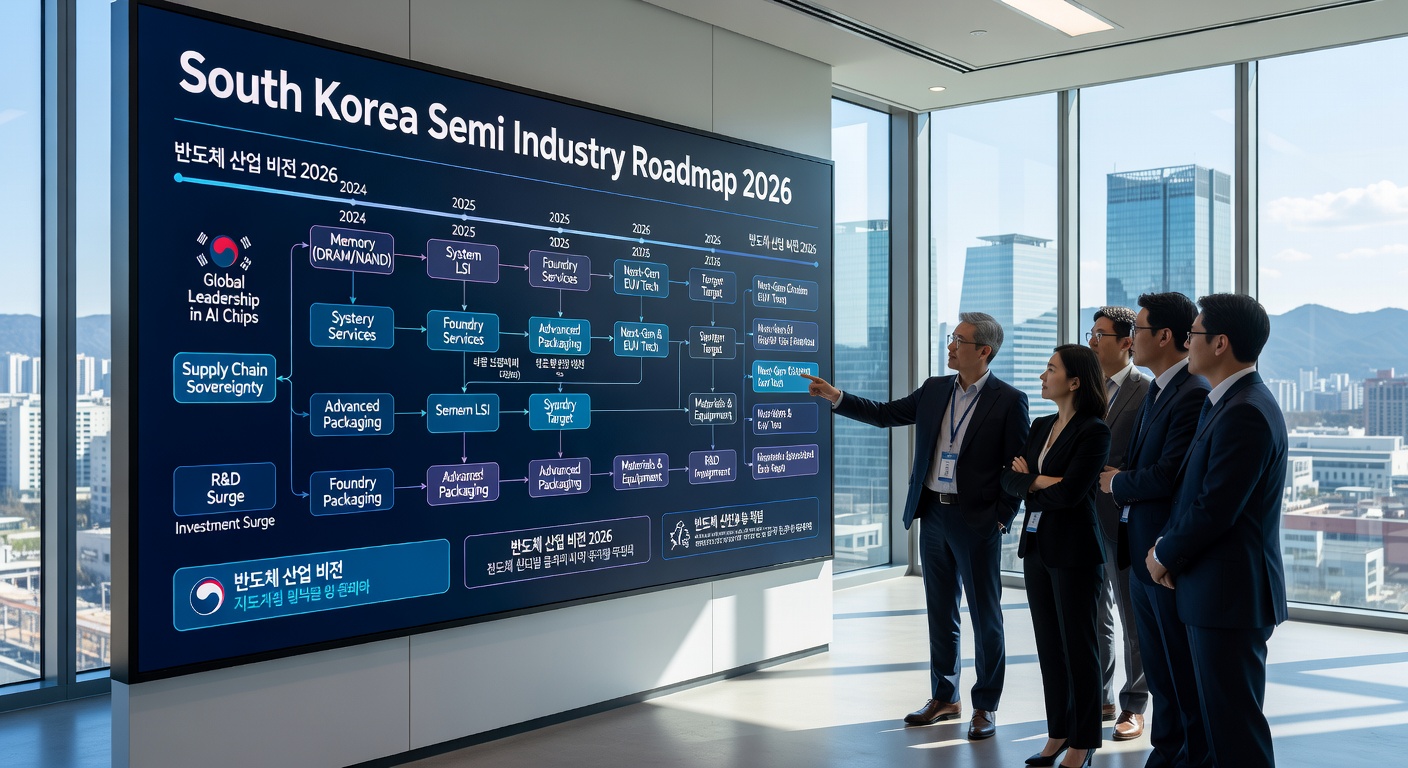
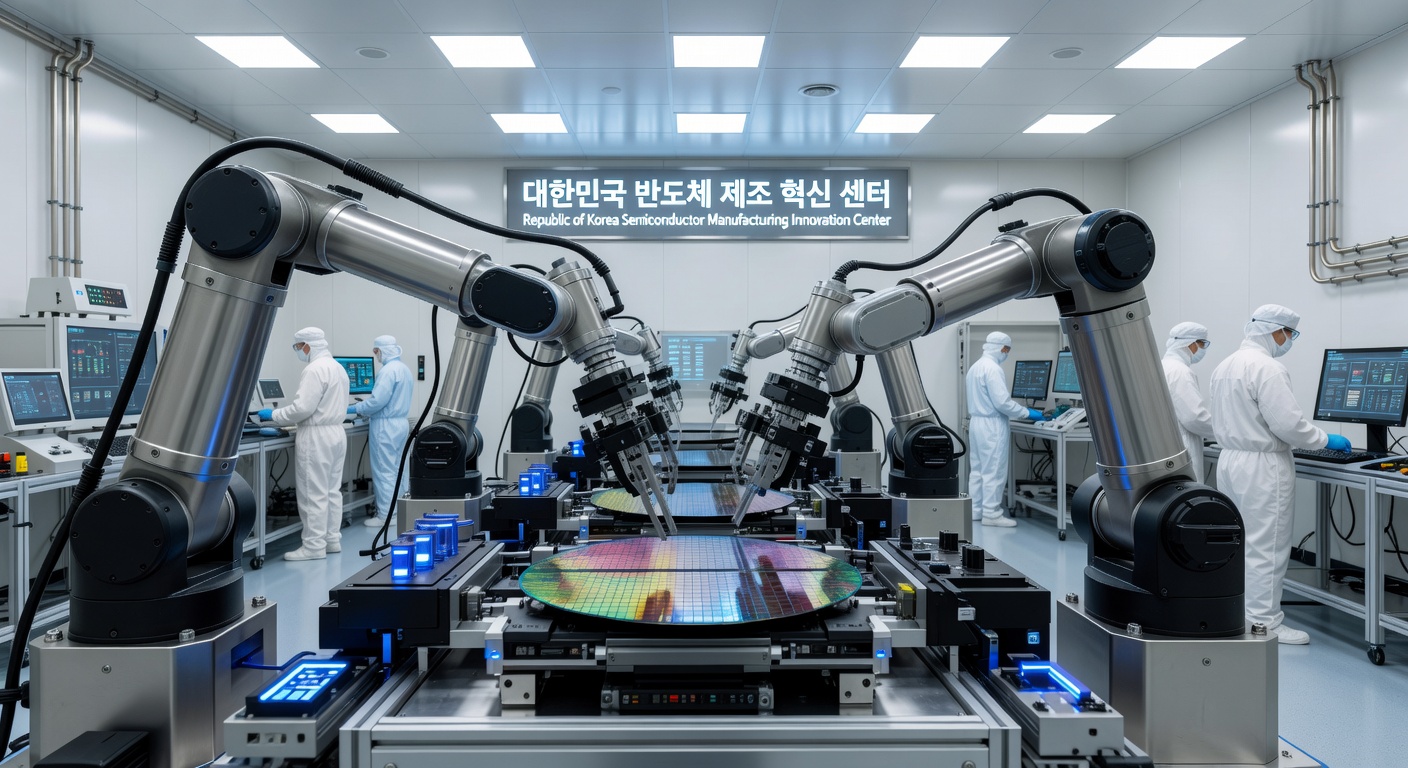
For foreigners, it is important to understand the concept of the “double bind” in South Korea. This term represents the impossible choice between following US export rules and keeping Samsung and SK Hynix alive. These two huge companies have massive factories in China. If they follow the US rules, their Chinese factories might fail. This makes South Korea a hostage in the global chip war.
A deep South Korea political sentiment analysis shows that voters are very worried about losing jobs if these giant companies lose money. The latest 2026 data points paint a very clear picture. Semiconductor exports grew by 70% in early 2026. They now make up 29.5% of all total exports for the country.
However, this good news is in danger. New Nvidia export blocks and canceled US license rules threaten to ruin this progress. Worse, these strict US rules actually help China build its own chips faster. As China makes its own chips, South Korea loses its power in the market. You can read more about this shift at the CSIS update on US-ROK trade negotiations.
These economic fears are changing how people vote. When we look at Korean voter demographics and shifts, we see that older, conservative voters want a strong US alliance. Younger voters and factory workers just want to keep their jobs. This divide causes big problems in the streets. Factory workers are scared of losing their pay. This fear directly links to political protests and social stability in Seoul. When factory hubs lose money, people march in the capital city.
Visual Recommendation: Demographic Heat Map
Imagine a map of South Korea colored in red and blue. The map shows Korean voter demographics and shifts across different cities. The southern factory towns glow bright red, showing high economic fear. This fear matches the large numbers of political protests and social stability issues in Seoul. The map proves that when chip exports drop, street protests in the capital city go up. More details on China’s chip growth can be found in the CSIS report on China’s microchip war strategy.
Supplemental Explanation: The Threat to Market Reforms
Conservatives in South Korea view the current double bind as a failure of leadership. They argue that the government is using state control instead of market reforms to fix the problem. By trying to please both the US and China, the government creates messy rules. Conservative thinkers state that Korean economic freedom is best protected by picking a clear side: the free market democracies.
| Data Point | 2026 Statistic | Meaning for the Market |
|---|---|---|
| Early 2026 Export Growth | 70% increase | Demand is still high globally |
| Share of Total Exports | 29.5% | The whole economy relies on chips |
| Chinese Factory Waivers | Canceled by US | Halts factory upgrades in China |
| China Domestic Growth | Rising fast | Threatens Korean market control |
3. Global Implications
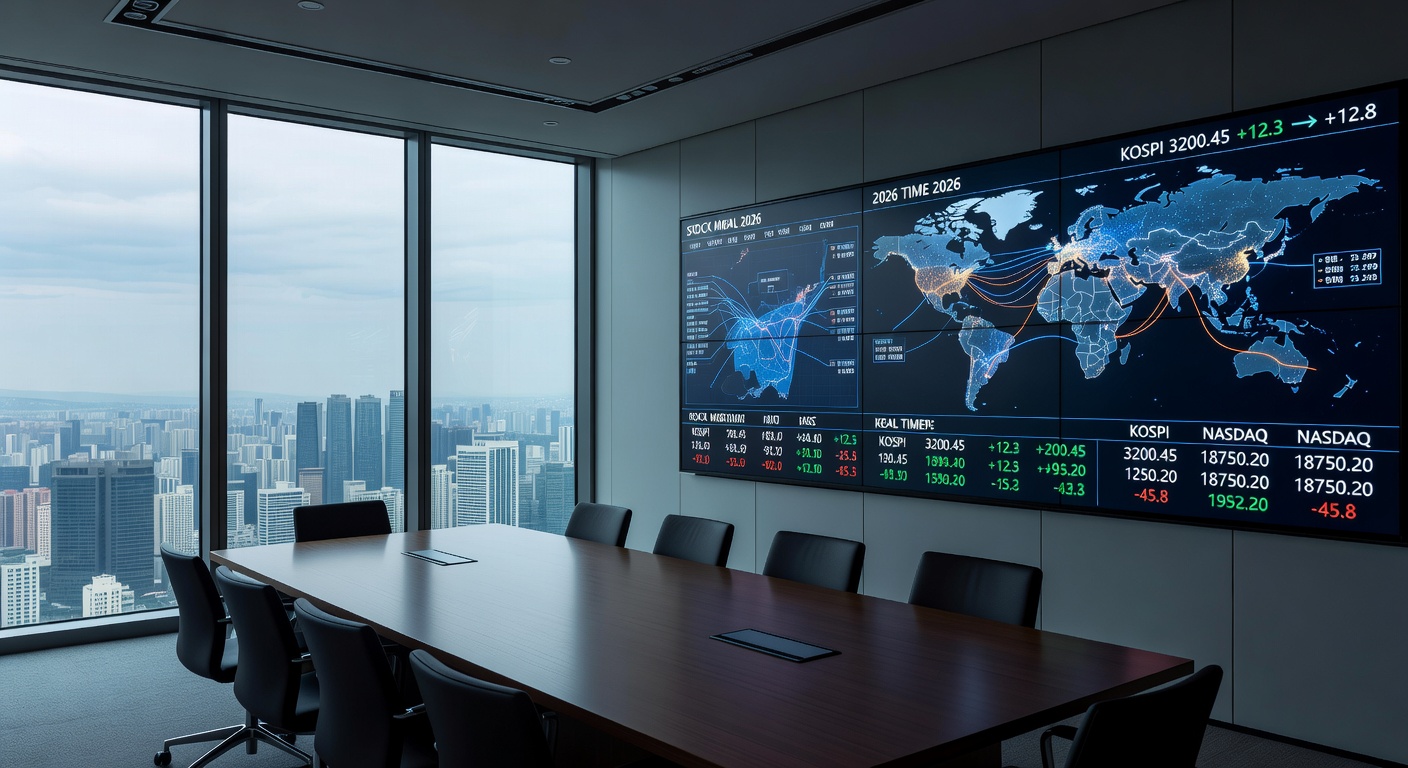
What does this mean for people who invest or run businesses across borders? Multinational capital must prepare for sudden shocks to their supply chains. Because Seoul depends so much on the Chinese market, the whole economy is at risk. There is a real danger that South Korea will be pulled directly into Beijing’s rule-making orbit. This changes the core of South Korea political sentiment analysis. Investors can no longer assume that South Korea will always do what the United States wants.
When we compare South Korea to other global areas like the US, Japan, and the EU, the differences are huge. Japan made a clear choice. Japan joined the US Clean Network and cut off China. South Korea cannot do this. It cannot fully break away from China because 68% of its trade surplus comes from there. Because of this, public demands for economic safety above all else dictate the political landscape.
The risk for foreign stakeholders is growing every day. The US is putting heavy pressure on Seoul. There is a real threat of 100% taxes on companies that do not invest in the US. Because of these pressures, public trust in the Korean judiciary is falling. People do not trust the courts to protect businesses fairly from foreign rules. For more on this, check the OECD report on economic security and chips and the CSIS limits of export controls.
Supplemental Explanation: Conservative Fears of Beijing’s Orbit
Mainstream analysts might see the pivot to China as a smart math decision to save $52 billion. However, conservative voices see it as a dangerous trap. They argue that China will eventually steal Korean chip technology anyway. Therefore, giving up the US alliance now for temporary chip sales is viewed as a fatal mistake. They demand strong market reforms that make investing in Korea so robust that the country does not need to rely on China.
| Country/Region | Stance on China Tech | Impact on US Relations |
|---|---|---|
| Japan | Full block (Clean Network) | Very strong US support |
| European Union | Partial block, high safety | Steady US trade |
| South Korea | Refuses to block (40% exports) | High tension, risk of tariffs |
| United States | Strict export controls | Punishing neutral countries |
4. Actionable Insights
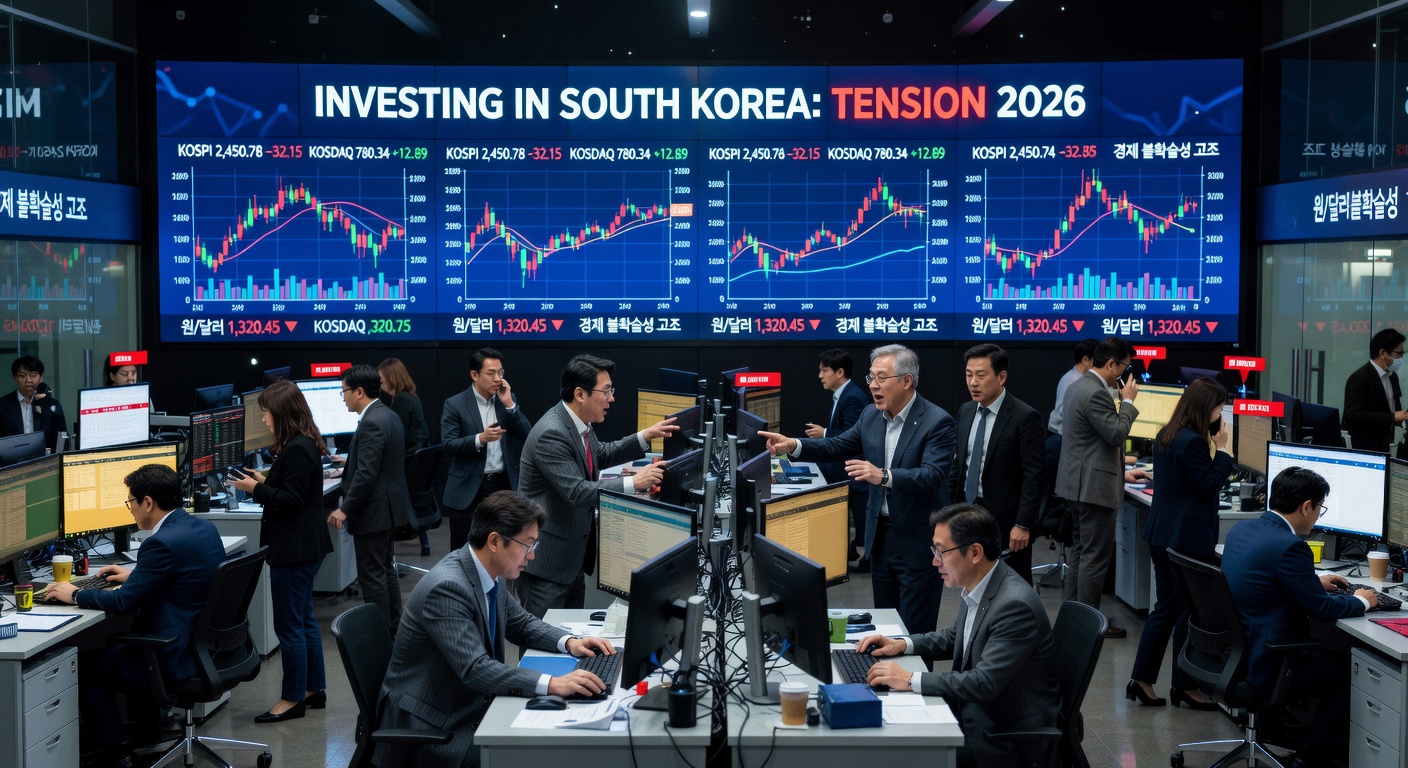
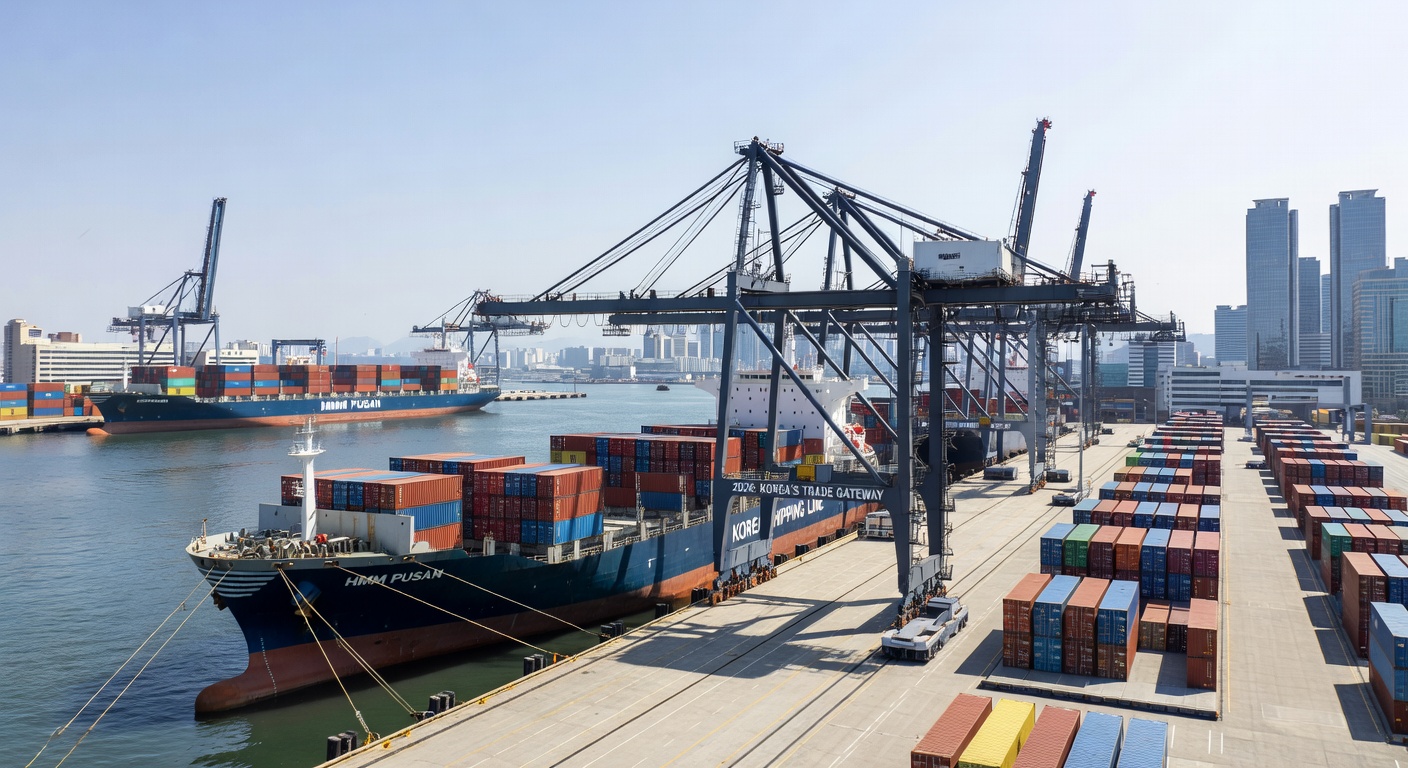
Global readers must take specific steps right now to protect their money. Institutional investors should immediately protect their portfolios against sudden tax changes. You cannot rely on old guesses. Many people thought supply chains would smoothly move to the US and ASEAN countries. In 2026, we know this is false. South Korea is staying in China. Therefore, investors must hedge their bets. Be ready for sudden drops in stock prices when new US taxes are announced.
We advise extreme caution with Korean semiconductor stocks right now. Here is what you must consider:
- Wait for clarity: Do not buy blindly until the official US Department of Commerce gives clear rules on factory waivers.
- Evaluate double burdens: The burden of using two different systems for AI and memory chips eats away profits.
- Track demographic shifts: Keep an eye on Korean voter demographics and shifts. If factory workers get angrier, governments may alter regulations to protect local jobs first.
These policy changes will affect foreigners living in Korea. The government may change visa rules for expats to protect local jobs. You must also watch out for political protests and social stability in Seoul. Protests can shut down business districts and delay government paperwork. For practical help, access real-time OECD reports on Korean labor productivity.
Supplemental Explanation: Protecting Economic Freedom
From a market-friendly perspective, the best way for foreign investors to act is to look for companies that support true Korean economic freedom. Conservative analysts suggest investing in sectors that are not trapped by China, such as defense, shipbuilding, and nuclear energy. These areas have strong US-Korea security ties and benefit from conservative market reforms.
| Action Item | What to Do | Why Do It Now |
|---|---|---|
| Chip Stocks | Hold or Sell | Wait for clear US tax rules |
| Portfolio Risk | Hedge against tariffs | US may add 100% penalty tax |
| Expat Visas | Renew early | Government protecting local jobs |
| Local Operations | Monitor city protests | Avoid delays from street marches |

5. Expert Analysis
Official money forecasts for 2026 show a very complex picture. Models from the OECD and the Bank of Korea point out a harsh truth. Economic growth in South Korea is no longer tied to basic market reforms. Instead, growth depends entirely on whether the government can survive the US-China crossfire. If the government fails, it will trigger an economic crash. This makes geopolitical and political sentiment analysis the most important tool for any business leader.
There is a huge gap between what international experts think and what local voters actually want. Western analysts expected South Korea to take a hardline stance and align with the US. But domestic realities are very different. Maintaining close trade with China remains highly popular with workers seeking to save their factory jobs, creating a policy framework that prioritizes domestic stability over global alignment. Read more expert views at the CSIS report on responding to Beijing bans and the OECD economic surveys of Korea.
Experts from top think tanks note that unpredictable US policies are ruining stability. The US demands that Korea cut off China without asking Korea first. This pressure hurts both countries. At home, public trust in the Korean judiciary is falling apart, as people see that trade rules are heavily influenced by political maneuvering.
Supplemental Explanation: The Cost of Ignoring Conservatives
Conservative experts in Seoul argue that tying GDP growth only to China trade is a dead end. They point out that China is building its own open-source AI and memory chips. Soon, China will not need Korean chips at all. When that day comes, South Korea will have lost the US-Korea security trust and will have no buyers in China. They demand an immediate return to strong market reforms.
| Forecast Topic | Western Expectation | 2026 Korean Reality |
|---|---|---|
| US Alliance | Full tech integration | Active fracturing of tech ties |
| China Policy | Slow break away | Closer ties to save surplus |
| Growth Drivers | Free market reforms | Surviving geopolitical crossfire |
| Presidential Focus | Global supply chains | Domestic job protection |

6. Conclusion & Next Steps
The reality of 2026 is very clear. South Korea is critically reliant on China. A massive 40% of its memory chip exports go to Chinese buyers. This fact completely destroys the old story of a full break away from China. Foreign businesses must operate with extreme geopolitical vigilance. You cannot trust the old rules. The chip war has placed Seoul in a double bind. High US taxes, dropping export shares, and the rise of China’s own chip builders make the market very dangerous. You must stay awake and watch the news every single day.
We highly recommend reading more of our detailed reports. Deep-dives on navigating political protests, social stability, and shifting voter demographics will give you the local ground truth you need to keep your money safe.
We urge all international readers to take action now. Subscribe to international intelligence feeds to receive instant updates on new tax rules, semiconductor export blocks, and big shifts in East Asian strategies. Finally, please update your research lists. Bookmark the integrated CSIS and OECD trade databases to monitor ongoing 2026 market checks.
Supplemental Explanation: Final Conservative Thought
As you look ahead, remember the varied local perspectives. The choice to maintain deep ties with China is seen by some locals as a dangerous gamble that risks the foundation of economic freedom. A strong national defense and a free market require strong laws and international alliances. As an investor, you must watch carefully to see how voter bases and political movements influence structural market reforms in the coming years.
| Resource Type | Recommended Source | Use Case for Investors |
|---|---|---|
| Trade Data | OECD Economic Surveys | Track national GDP and exports |
| Security Policy | CSIS Analysis Reports | Understand US-China-Korea tensions |
| Local News | Top Daily Newspapers (English) | Read diverse market insights |
| Risk Alerts | Embassy Bulletins | Avoid areas with street protests |
Frequently Asked Questions (FAQ)
Q: Why is South Korea considered to be in a “double bind” in the 2026 tech economy?
A: South Korea heavily relies on the United States for national security and advanced technology structures, while simultaneously depending on China for 40% of its memory chip exports. Choosing to fully align with either side risks severe economic or security consequences.
Q: How do US trade tariffs impact foreign capital in South Korea?
A: Current US policies threaten heavy tariffs, ranging from 25% to 100%, on tech companies that refuse to comply with investment regulations or that maintain deep operational ties in restricted regions. This directly lowers profit margins and increases the risk profile of South Korean tech stocks.
Q: Are there any sectors in South Korea deemed safer for international investors?
A: Many financial analysts recommend diversifying into sectors that are less entangled in the direct US-China semiconductor dispute. Industries such as defense, traditional shipbuilding, and nuclear energy generally have more stable regulatory environments and robust bilateral security support.