




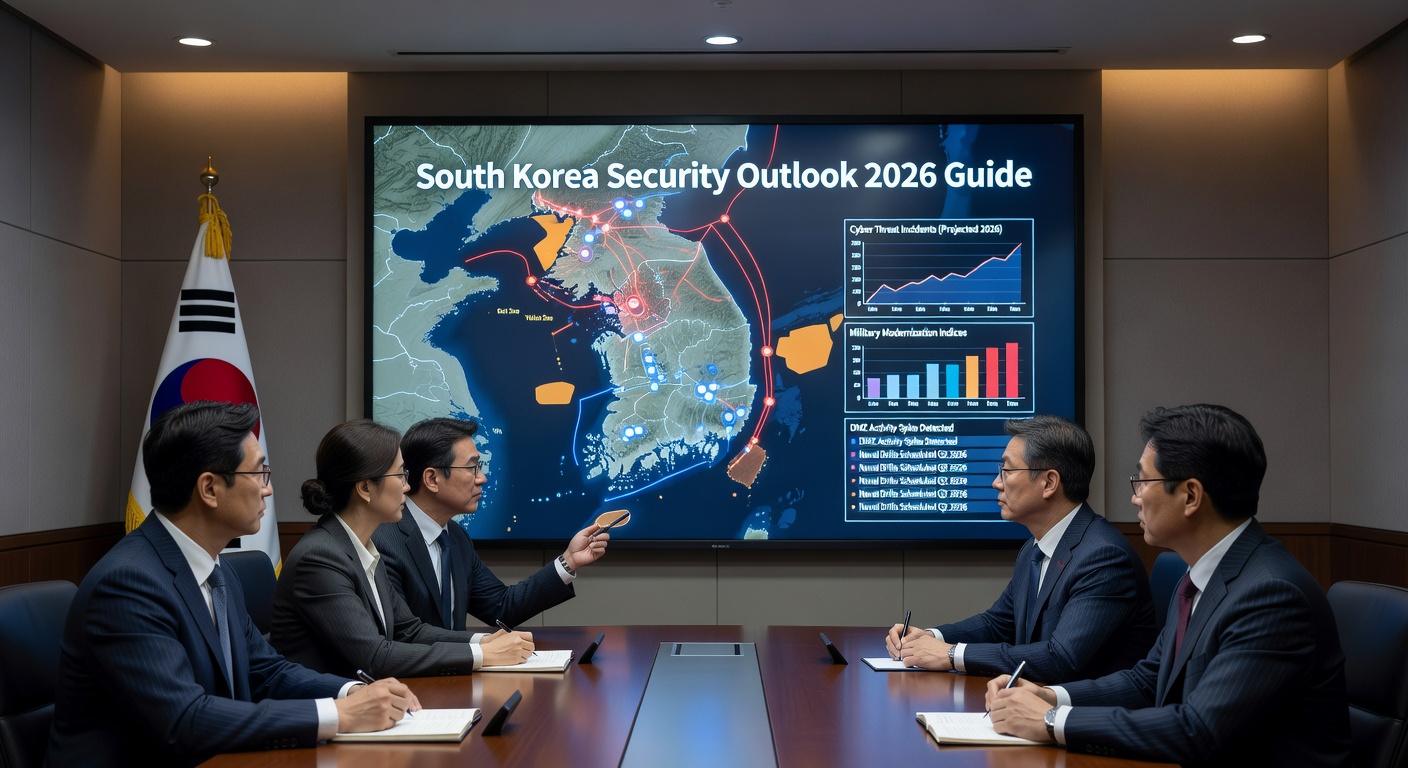
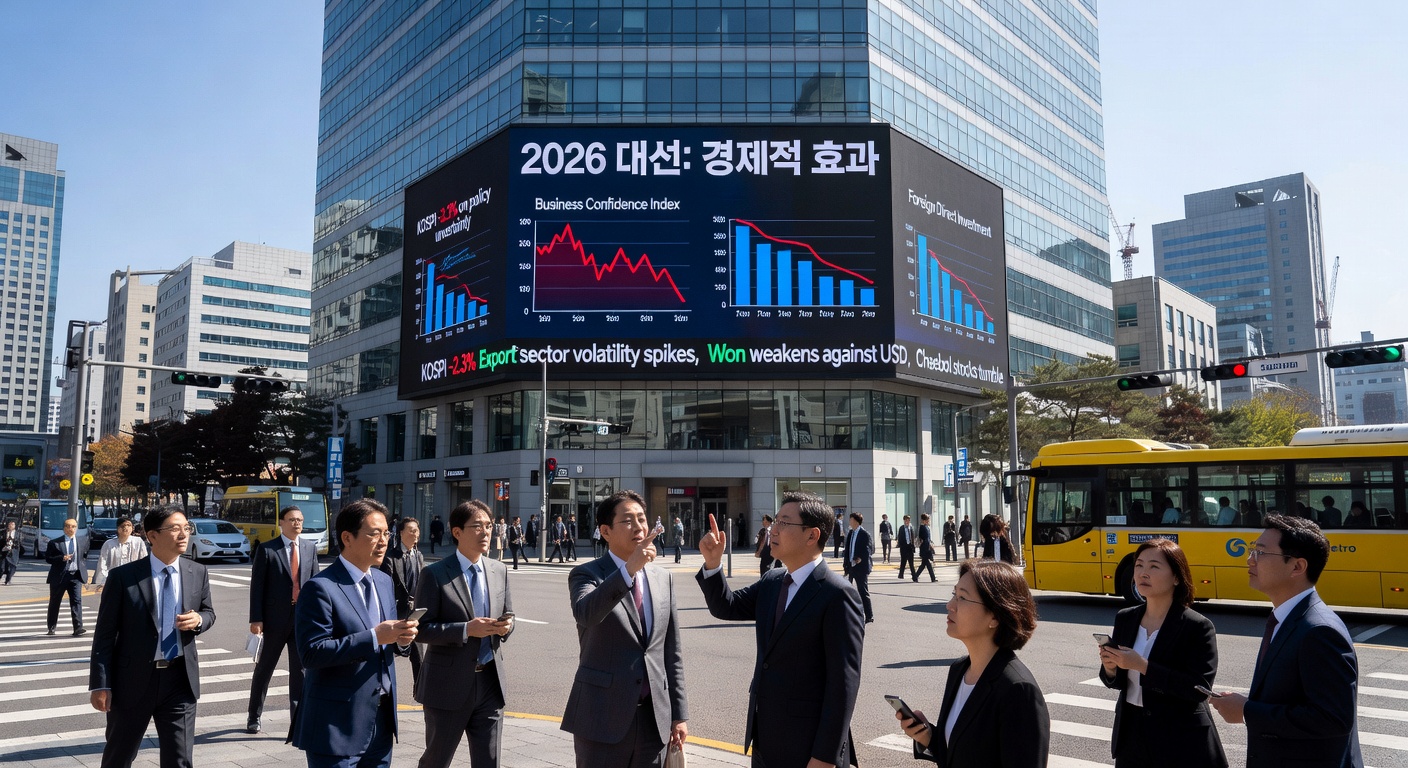
South Korea security outlook 2026 Guide
South Korea Security Outlook 2026: As South Korea enhances its military infrastructure with a $47.6 billion defense budget and transitions operational control frameworks, global investors and multinational supply chains face a shifting geopolitical landscape. This analysis details the strategic updates in the Korean Peninsula, providing actionable risk assessments and investment insights for navigating emerging defense markets and regional stability.
Table of Contents
- Preface: Market Stability and Defense
- 1. Introduction
- 2. Current Situation
- 3. Global Implications
- 4. Actionable Insights
- 5. Expert Analysis
- 6. Conclusion & Next Steps
- 7. Frequently Asked Questions (FAQ)

Preface: Market Stability and Defense
The South Korea security outlook 2026 is a critical topic for those investing in Asian markets today. As of April 2, 2026, South Korea maintains its position as the fifth most powerful conventional military globally. However, the Korean peninsula faces a complex map of operational considerations. These dynamics demand careful planning from foreign capital and international businesses.
Analyzing this outlook is necessary for global investors, expatriates, and multinational analysts to safeguard supply chains and capital. Geopolitical dynamics in the Indo-Pacific region are highly intricate. Stable markets require robust security frameworks. This post explores the immediate financial and operational impacts of heightened defense budgets, shifting operational control (OPCON) dynamics, and border airspace activities, providing actionable takeaways for international stakeholders.
Supplemental Analysis: Economic and Security Perspective
A robust defense infrastructure is often viewed as a key stabilizer for economic activity. International observers note that market stability in Asia is closely tied to the security posture against regional complexities. South Korea’s military investments are designed to protect trade routes and property rights, aligning with its strong economic standing globally. Security-focused analysts emphasize that regional stability is reinforced through strategic alliances, including those with the United States, NATO, and AUKUS. Global investors are increasingly evaluating South Korea’s commitment to strategic security by analyzing its growing defense sector.
1. Introduction
The South Korea security outlook 2026 influences the broader global trade network. A key factor this year is the frequency of North Korean military provocations 2026. These actions continually reshape our Korean Peninsula war risk assessment. Global investors must understand these changes to protect their assets, while expatriates monitor them for personal preparedness.
South Korea remains a global economic powerhouse, leading in the production of vehicles, shipbuilding, and advanced semiconductors. However, it shares a highly militarized border. In recent months, North Korea has continued to test new defense technologies and deploy uncrewed aerial vehicles (drones) near the border. These developments introduce logistical risks for nearby industries. You can examine South Korea’s comprehensive military capabilities in the Global Firepower 2026 Index.
To maintain regional deterrence, South Korea relies on its strategic partnership with the United States. However, the operational framework between the two militaries is undergoing significant transition in 2026. Expert panels suggest carefully monitoring these developments. For instance, the American Enterprise Institute February 2026 update highlights how strategic posturing could affect regional balance. Commercial operations depend on precise risk evaluations to maintain uninterrupted supply chains.
Table 1: Key Factors for Investors in 2026
| Risk Factor | Current 2026 Status | Impact on Global Markets |
|---|---|---|
| Defense Budget | Rising to $47.6 Billion | High growth for local defense stocks. |
| Military Control | Shifting from US to Joint | Creates a transitional strategic window. |
| Border Safety | UAV (Drone) incursions | Poses logistical risks near the border. |
| Supply Chains | Complex vulnerabilities | Demands resilience audits by global firms. |
Supplemental Explanation: Market Dynamics
Global markets depend heavily on predictability. South Korea’s economic development has historically attracted significant foreign capital. Expatriates residing in Seoul and manufacturers operating in Gyeonggi province must account for operational contingencies. Border activities and strategic responses directly interact with global shipping schedules and corporate logistics. Evaluating the Korean Peninsula war risk assessment is a practical measure for protecting infrastructure and ensuring long-term financial stability.

2. Current Situation
The US-South Korea joint defense strategy serves as a primary stabilizing mechanism in East Asia. Currently, two major frameworks shape regional security. The first is the Wartime Operational Control (OPCON) transfer. The second involves the multilayered Korea Air and Missile Defense (KAMD) system. These South Korea missile defense upgrades act as a technical countermeasure to North Korean military provocations 2026.
The OPCON transfer dictates chain-of-command protocols during wartime conditions. The ongoing transition shifts leadership from a predominantly US-led structure to a Joint framework led by a South Korean general. Concurrently, KAMD is being expanded to protect industrial hubs. South Korea’s 2026 military spending is increasing by 7.5 to 8.2 percent, bringing the budget to approximately US$47.6 billion. This funding primarily supports AI military drones and the deployment of the Cheongung and Hyunmoo missile series.
As the Lowy Institute notes South Korea’s track to become a defense powerhouse, shifts in training methodology are also visible. A reported scale-back of field training exercises during the March 2026 Freedom Shield (FS) joint drills has sparked debate. Some defense analysts caution that altering traditional exercise structures changes the region’s deterrence calculus. These operational adjustments are tracked closely by organizations such as the Institute for the Study of War March 2026 update.
Table 2: South Korean Defense Budget Growth (2022-2026)
| Fiscal Year | Budget (USD) | Growth | Key Investments |
|---|---|---|---|
| 2022 | $40.4 Billion | Baseline | Basic ground forces, early missile tech. |
| 2024 | $44.0 Billion | +4.5% | Initial AI tech, radar upgrades. |
| 2026 | $47.6 Billion | +7.5 to 8.2% | Cheongung/Hyunmoo missiles, OPCON tech. |
3. Global Implications
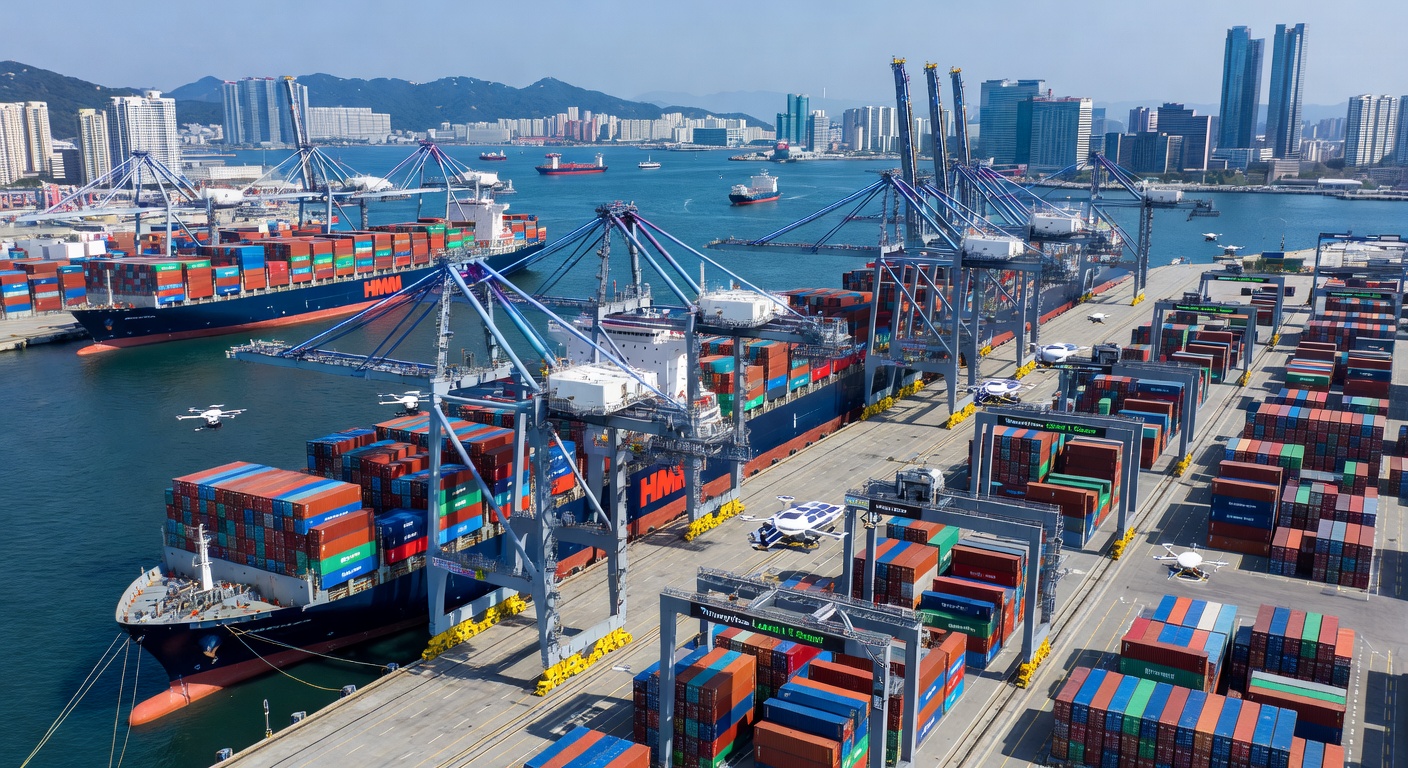
A comprehensive Korean Peninsula war risk assessment directly informs global logistics. The South Korea security outlook 2026 affects intercontinental supply chains, especially as the US-South Korea joint defense strategy evolves into the Future Combined Forces Command (FCFC). Supply chain managers and foreign direct investors are integrating this transitional phase into their 2026 risk models.
Notably, South Korea has emerged as a premier exporter of defense technology. Supplying major hardware to nations like Poland, Malaysia, and the Philippines, its domestic defense industrial base has become a high-yield sector. As the Carnegie Endowment explores these deep long-term defense ties, the structural link between South Korean manufacturing and international defense networks continues to solidify.
However, localized risks remain prominent. In recent months, uncrewed aerial vehicle activities near the Military Demarcation Line (MDL) led to discussions about restoring inter-Korean no-fly zones. This potential airspace restriction introduces logistical variables for nearby commercial hubs. Stakeholders often review these developments closely, just as the Diplomat asks if South Korea is ready for full OPCON control, considering the broader economic impact if trade routes face temporary closures.
Table 3: Defense Industry Integration Trends
| Metric | South Korea Market Trajectory |
|---|---|
| Domestic Arms Production | Scaling rapidly as a top-tier exporter. |
| Defense Spending Growth | Consistent upward trend (approaching 8%+). |
| International Export Reach | Expanding into European and Southeast Asian markets. |

4. Actionable Insights
As South Korea missile defense upgrades accelerate, global stakeholders are adjusting their strategic plans. A clear Korean Peninsula war risk assessment highlights both sector-specific investment opportunities and necessary corporate safety audits.
Institutional investors are increasingly pivoting capital toward South Korea’s domestic defense manufacturing sector. Corporations involved in major European export contracts present notable operational growth through 2027. Concurrently, multinational corporations with manufacturing nodes in the Gyeonggi or Gangwon provinces are actively auditing their supply chain resilience. Contingency plans for potential short-notice airspace closures or transit delays are highly recommended.
Expatriates and international staff should continuously monitor official advisory updates regarding the OPCON transition. Leveraging open-source data and embassy protocols remains a standard best practice. Global contractors can also utilize the Ministry of National Defense’s procurement portals to identify emerging business avenues.
- Investors: Evaluate high-yield aerospace and defense equities.
- Supply Chain Managers: Audit northern-province factory logistics for resilience.
- Expatriates: Review updated embassy advisories and emergency protocols regularly.

5. Expert Analysis
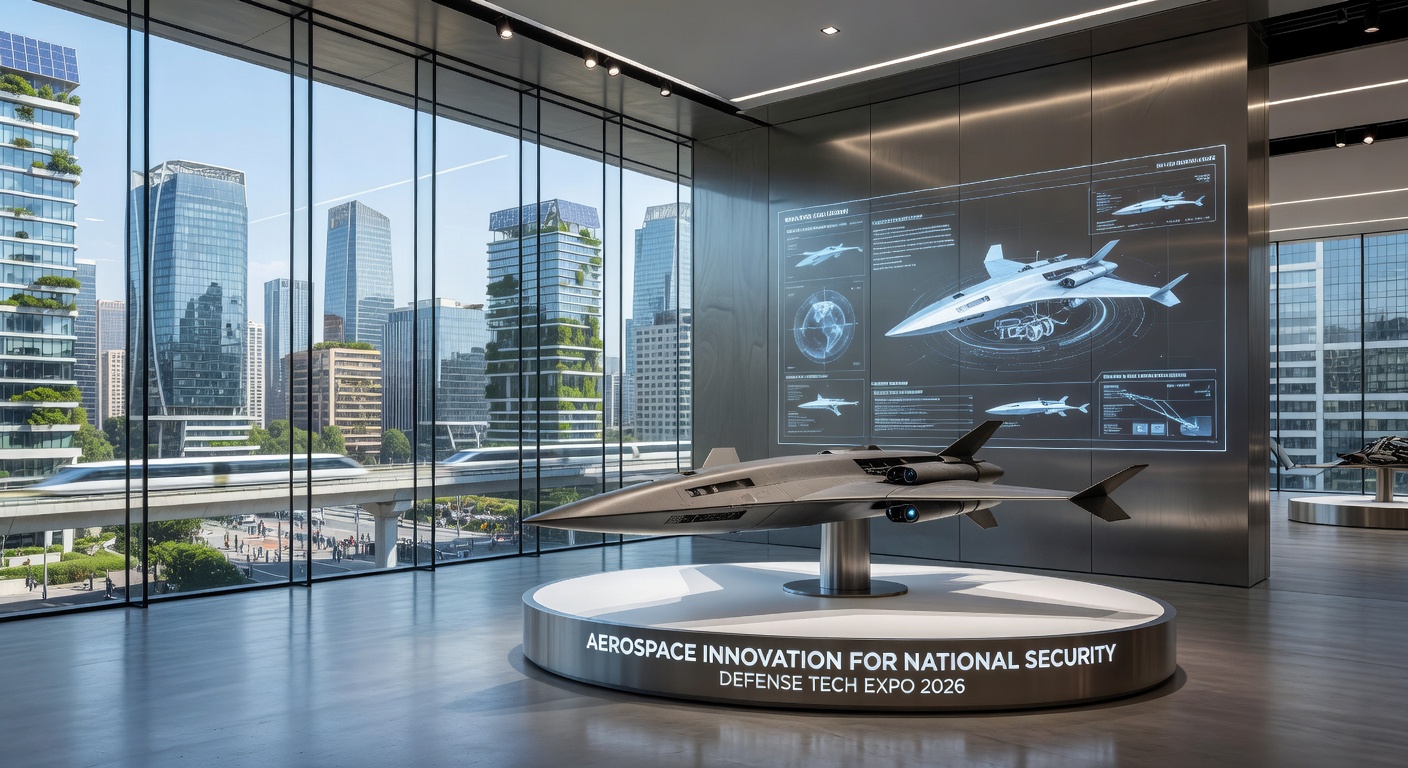
Strategic analysts are extensively tracking North Korean military provocations 2026 as stress tests for the evolving US-South Korea joint defense strategy. Projections indicate that the transitional phase of the FCFC command structure may be met with calculated regional posturing.
There is a notable dialogue between domestic policy goals and international risk assessments. South Korean domestic policy emphasizes the restoration of wartime operational control to enhance sovereign defense capabilities. In contrast, some international defense analysts maintain a cautious outlook, emphasizing the necessity of integrated command structures and a robust nuclear deterrence umbrella to ensure market predictability.
Defense Minister Ahn Gyu-back stated: “2026 represents a watershed for rebuilding the people’s military, as well as an important year for the defense reform roadmap… recovering wartime OPCON within the administration’s term.” Official statements can be referenced in GlobalSecurity.org’s MND 2026 report.
Table 4: Varied Perspectives on the 2026 OPCON Transfer
| Perspective Group | Core Focus | View on US Military Integration |
|---|---|---|
| Domestic Policy Leaders | Sovereignty, Defense Reform | Prioritizes domestic general leadership. |
| International Analysts | Deterrence, Strategic Stability | Emphasizes seamless combined command. |
| Global Investors | Market Predictability | Relies on established deterrence frameworks. |
6. Conclusion & Next Steps
The 2026 landscape in South Korea is characterized by expanded defense budgets, robust global arms exports, and a pivotal transition in joint operational control. These structural elements serve as leading indicators for broader market stability in East Asia. A well-resourced defense infrastructure is closely correlated with economic reliability, requiring ongoing situational awareness from stakeholders.
By evaluating comprehensive defense sector stock analyses and tracking OPCON transfer developments, organizations can navigate supply chain risks more effectively. Aligning operational logistics with current regional assessments ensures that capital and resources remain secure amid geopolitical fluctuations.
- Monitor the integration of the
FCFCtransition framework. - Assess supply line vulnerabilities relative to border proximity.
- Evaluate opportunities in the expanding South Korean aerospace and defense manufacturing sector.
Frequently Asked Questions (FAQ)
What is driving the increase in South Korea’s defense budget in 2026?
The budget increase to approximately $47.6 billion is primarily driven by necessary modernization efforts, including the integration of AI military drones, expansions in the KAMD missile defense systems, and technical preparations for the OPCON transfer.
How might the OPCON transfer impact multinational supply chains?
The transition to the Future Combined Forces Command (FCFC) represents a significant shift in military leadership. Analysts suggest this transitional period may prompt regional adversaries to test operational readiness, potentially leading to localized disruptions such as temporary airspace restrictions that affect logistics and freight routes.
Are there emerging opportunities for foreign investors within this security outlook?
Yes. South Korea’s transition into a top-tier global arms exporter—securing major contracts with European and Southeast Asian nations—presents substantial growth potential in the domestic aerospace and defense manufacturing sectors.