


South Korean Social Integration Policies
Key Summary: Global investors are closely monitoring South Korea’s 2026 social integration policies and its massive 728 trillion won budget. Key market shifts include the National Pension rate rising to 9.5%, a 6.5% median income threshold increase, and dramatically eased visa requirements for international tech talent to address demographic challenges. Balancing these expansive welfare programs with rigorous free-market reforms and deregulation will be critical for maintaining economic freedom, securing Western alliances, and attracting sustained foreign direct investment in the region.
Table of Contents
- 1. Introduction: The Post-Election Business Climate
- 2. Current Situation: Demographic Shifts and Fiscal Realities
- 3. Global Implications: Securing Supply Chains and Alliances
- 4. Actionable Insights for Global Capital
- 5. Expert Analysis: Resilience Through Market Reforms
- 6. Conclusion & Next Steps for the Global Market
- 7. Frequently Asked Questions (FAQ)
1. Introduction: The Post-Election Business Climate
Understanding how South Korean social integration policies evolve in 2026 is critical for global investors. Right now, international markets are closely watching the nation’s record 728 trillion won ($542 billion) budget. This massive spending plan aims to drive demographic resilience and economic innovation.
Following the resolution of the tumultuous 2025 snap elections, evaluating the democratic institutional stability in Seoul has become a top priority. Multinational corporations heavily invested in the region’s tech and manufacturing sectors need to know their assets are safe.
There are three key takeaways for international stakeholders today:
- First, businesses must anticipate the 2026 foreign worker visa and residency reforms.
- Second, investors should identify market opportunities linked to the historic 6.5% median income threshold increase.
- Third, risk officers must assess the mitigation of political extremism and Korean democracy vulnerabilities.
Healing social divisions in South Korean politics remains the current administration’s central strategy to offset severe labor shortages. This presents a unique window for foreign direct investment and expat talent acquisition. By embracing free market policies, South Korea can attract top global talent.
At the same time, conservative analysts warn that massive government spending must be balanced with strict market reforms. Expanding the welfare state without cutting red tape will hurt the nation’s economic freedom. A strong economy relies on private business growth, not just state subsidies. South Korea must protect its business-friendly environment to stay competitive against authoritarian regimes.
Research sources: Yahoo Finance: South Korea unveils 2026 budget, UPI: Welfare eligibility raises median income
Supplemental Explanation: The Post-Election Business Climate
The 2025 snap elections caused brief market panic, but the dust has settled. Today, on April 1, 2026, the political landscape is stabilizing. Global investors prefer predictability. When a country respects property rights and free enterprise, foreign money flows in.
South Korea is learning that to fund its new social programs, it needs a booming private sector. High taxes and heavy rules push job creators away.
By focusing on market reforms, Seoul is signaling that it remains open for global business. This balance between social care and economic freedom is the real story of 2026. Western partners are eager to see South Korea succeed as a free-market stronghold in Asia.

2. Current Situation: Demographic Shifts and Fiscal Realities
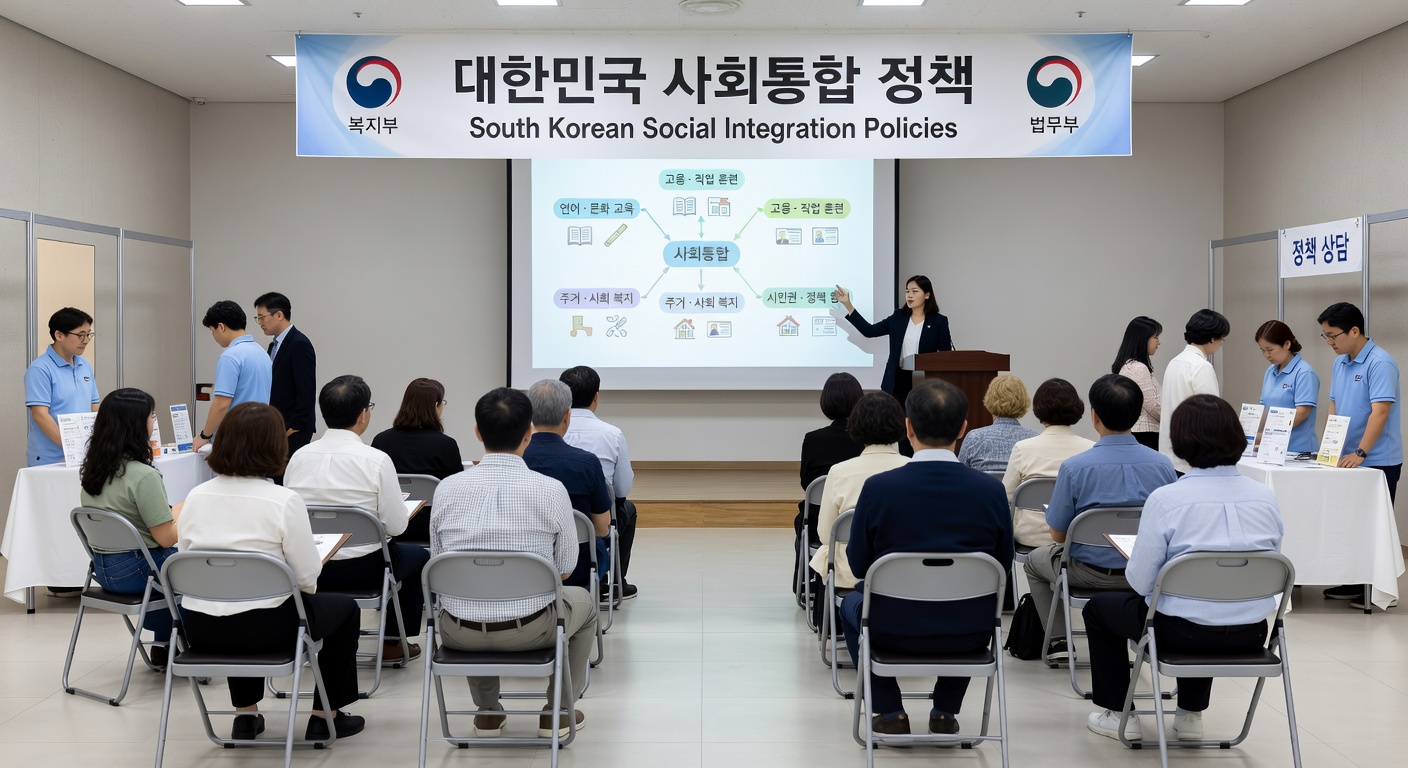
The 2026 rollout of new government settlement programs specifically targets ethnic Koreans with foreign nationalities. It also targets international AI students. The government is offering eased permanent residency requirements to combat domestic labor shortages.
Despite severe polarization testing the nation in recent years, civil liberties and structural pluralism remain fundamentally robust. This is officially confirmed by Freedom House’s latest 2026 metrics.
South Korea has officially surpassed 8 million single-person households. This massive demographic shift prompted the Ministry of Health and Welfare to act. They implemented a 6.5% median income standard increase to expand the basic livelihood safety net. This will add an estimated 40,000 new welfare recipients.
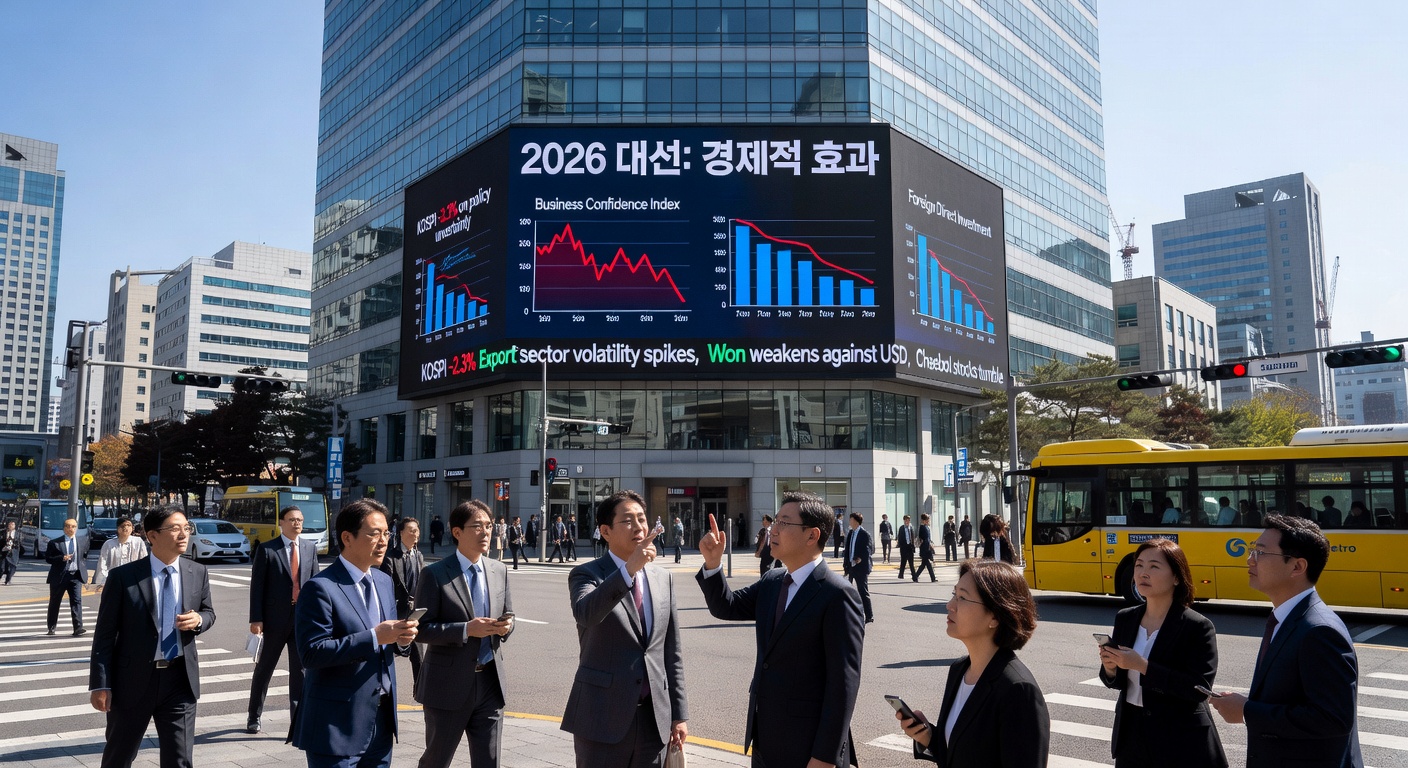
However, funding these programs comes at a cost to job creators. Social Insurance Contribution Rates for employers have officially increased for 2026. The National Pension rate is rising from 9.0% to 9.5%. This significantly alters payroll budgeting for multinational corporations and expat packages.
From a conservative viewpoint, rising pension taxes create friction for foreign direct investment. To maintain its high score on the economic freedom index, South Korea must offset these tax hikes with deregulation. The government must ensure that welfare expansions do not choke private enterprise. Free markets create lasting wealth, while heavy tax burdens limit wage growth.
Visual Recommendation: A demographic pyramid chart overlaying the projected influx of foreign skilled workers in 2026 against the rising metric of single-person domestic households.
Table: South Korea 2025 vs. 2026 Key Market Metrics
| Economic Metric | 2025 Status | 2026 Status | Investor Impact |
|---|---|---|---|
| National Pension Rate | 9.0% | 9.5% | Higher payroll costs for global firms. |
| Median Income Threshold | Base Level | +6.5% Increase | Broader welfare safety net, more state spending. |
| Single-Person Households | 7.5 Million | Over 8 Million | Shift in consumer demand to healthcare and housing. |
| Foreign AI Student Visas | Strict Limits | Relaxed Rules | Easier tech hiring and global talent acquisition. |
Research URLs: The Korea Times: Social Policies Changing in 2026, Freedom House: South Korea 2026, Korea Tax Expert: Social Insurance Rates 2025-2026
Supplemental Explanation: Managing the Tax Burden
Taxes are the biggest hurdle for business growth. The jump in the National Pension rate to 9.5% means companies have less cash to hire new people. When governments raise taxes to pay for social programs, the private sector slows down. Conservative economists argue that the best welfare program is a good job. South Korea must be careful not to punish the businesses that keep its economy alive. To keep foreign investors happy, the government must find ways to lower other business taxes. Less government waste and more free trade will help South Korea pay for its aging population without hurting its global competitiveness.
3. Global Implications: Securing Supply Chains and Alliances
The revitalized focus on civil society and political discourse in Korea sends a strong signal to foreign stakeholders. It shows that policy predictability is returning. This lowers the geopolitical risk premium previously attached to East Asian supply chains.
Compared to US and EU benchmarks currently struggling with immigration friction, Seoul is taking a smarter approach. The deliberate systemic inclusion of international students and specialized foreign workers offers a streamlined expansion environment. Global tech firms are taking notice of these free market policies.
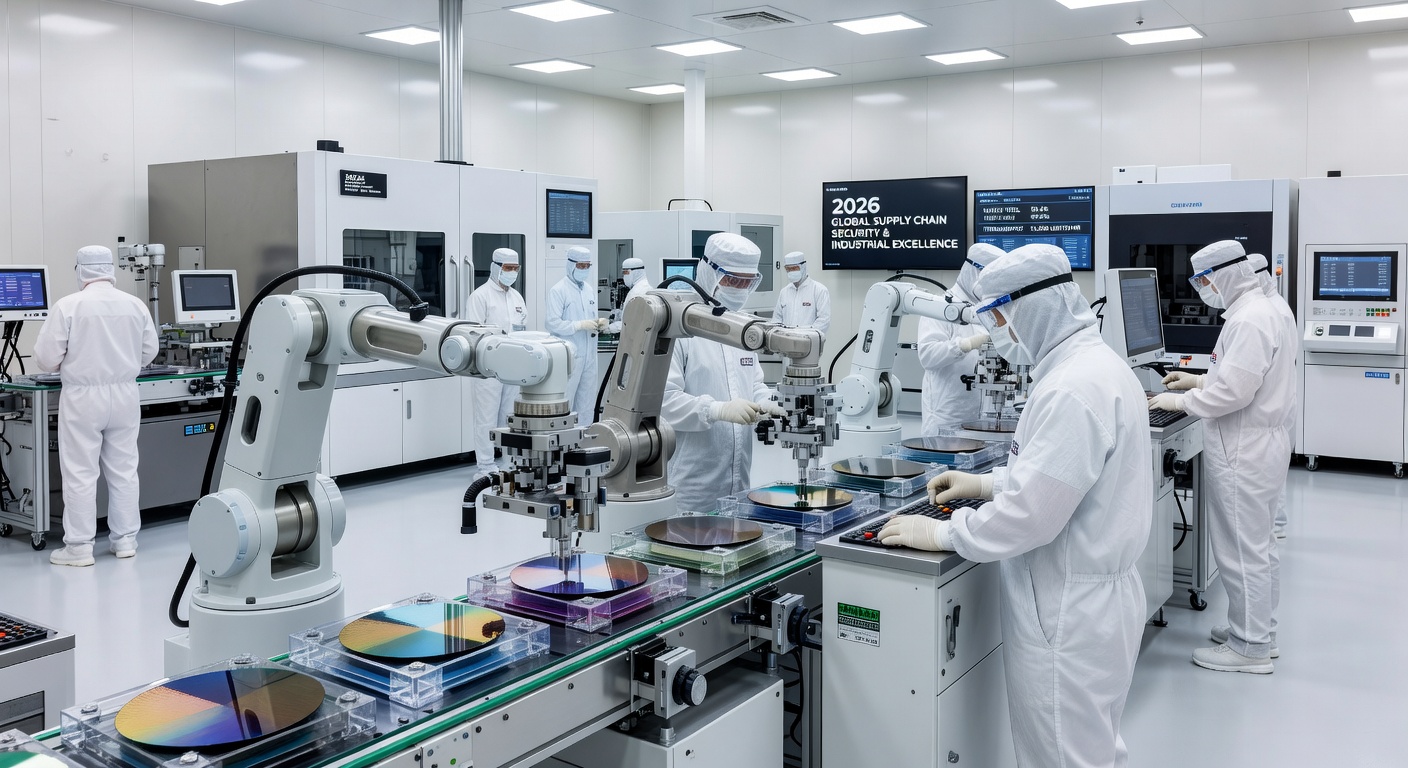
International supply chains reliant on Korean semiconductors and battery exports face reduced disruption risks. Domestic labor unions and civil society groups are pivoting toward collaborative negotiations in the post-crisis political climate. This pro-business shift is vital for Western alliances. As the US, NATO, and AUKUS nations work to counter authoritarian regimes like China and North Korea, South Korea remains a crucial free-market partner. Strong economic ties secure regional peace.
The 2026 shift in multicultural education policies also boosts Seoul’s global reach. By dispatching more Korean-language teachers abroad and digitizing the TOPIK language exam by 2029, South Korea is growing its soft-power influence. These moves establish South Korea’s dominance in the global education market. When free-market democracies project cultural and economic strength, they deter authoritarian aggression.
Table: Supply Chain Risk Comparison 2026
| Region | Immigration Friction | Labor Union Climate | Supply Chain Risk Level |
|---|---|---|---|
| South Korea | Streamlined for Tech/AI | Collaborative | Low/Improving |
| European Union | High Friction/Regulations | Highly Restrictive | Medium/High |
| United States | Politically Polarized | Strike-Prone | Medium |
Source citations: Korea Herald 2026 Updates, ISPI: Navigating Crisis and Division
Supplemental Explanation: The Power of Western Alliances
Supply chains are not just about business; they are about national security. The world is divided between free democracies and authoritarian dictatorships. South Korea stands firmly with Western alliances like the US and AUKUS.
By reforming its labor laws and inviting skilled foreign workers, South Korea makes its high-tech factories stronger. This ensures that the free world never runs out of vital computer chips and batteries. A strong, capitalist South Korea acts as a massive shield against the threats from North Korea. Economic freedom at home creates a powerful defense abroad.

4. Actionable Insights for Global Capital
Multinational enterprise HR teams must immediately update 2026 payroll systems. They need to account for the new 9.5% National Pension contribution rate. Simultaneously, smart companies will leverage new tax holidays designed for foreign tech investors.
Global talent acquisition directors should capitalize on Seoul’s 2026 relaxed visa regulations. It is time to fast-track hiring for international STEM and AI graduates currently studying at designated South Korean universities. This deregulation is a massive win for free enterprise.
Foreign investors should overweight portfolios with domestic consumer goods, healthcare, and housing services. These sectors are tailored to the expanding demographic of 8 million single-person households. Newly integrated expat communities also drive fresh consumer demand. Corporate risk officers must continuously monitor the democratic institutional stability in Seoul. They should utilize specialized local legal counsel to navigate evolving labor compliance and social security frameworks.
From a libertarian perspective, investors should target sectors with the least government intervention. Healthcare and housing are heavily regulated, but tech innovation thrives when the state steps back. Navigating this new welfare state expansion requires strict focus on cost-saving strategies. Companies must use market reforms to their advantage to maximize shareholder value.
Table: 2026 Corporate Action Plan
| Department | Immediate 2026 Action Item | Strategic Goal |
|---|---|---|
| Human Resources | Update payroll for 9.5% Pension Rate. | Ensure compliance and avoid state penalties. |
| Recruiting | Fast-track AI/STEM student hiring. | Capture top global talent through eased visa rules. |
| Investment | Overweight single-household consumer goods. | Profit from the 8-million single-household shift. |
| Risk Management | Hire local legal counsel for compliance. | Protect assets from shifting social security laws. |
Practical resources: ImmiGuides 2026 South Korea Relocation Framework, Ministry of Economy and Finance (MOEF) 2026 Budget Guidelines.
Supplemental Explanation: Profiting from Deregulation
To make money in 2026, global investors must be quick. The new visa rules are a perfect example of how removing government barriers helps business. For years, strict visa laws kept smart foreign students from working in Korea. Now, the government is getting out of the way. This is a classic free-market success story.
Companies that move fast to hire these students will crush their competition. Furthermore, the rise of single-person households creates a massive new market for private businesses. Companies that offer smaller housing, single-serving foods, and private healthcare will see huge profits.
5. Expert Analysis: Resilience Through Market Reforms
Economic analysts project that the government’s 13.6 trillion won emergency management fund will stabilize markets. Combined with the 4.3 trillion won trade support budget, export companies are successfully buffered from external tariff shocks through the end of 2026.
Freedom House officially notes that while South Korea maintains strong democratic resilience, systemic focus must remain on ensuring the long-term integration of minority groups. Preventing structural inequality is important, but conservatives argue this must be done through job creation, not just state handouts.
Regional experts from the Center for Strategic and International Studies (CSIS) point to positive trends. They indicate that post-2025 election governance is actively mitigating political extremism. The government is prioritizing pragmatic economic growth over ideological battles.
“The government will launch a settlement program to attract overseas Korean youth… backed by expanded budgets for scholarships and tailored integration programs,” reports The Korea Times in January 2026.
Think tanks like the Heritage Foundation and Fraser Institute closely track these developments. South Korea’s standing on the economic freedom index depends on keeping taxes low and property rights strong. While the 2026 social integration budgets are large, the government’s commitment to free trade keeps the economy afloat. A free market is the best tool for integrating new citizens into a society.
Source hyperlinks: Yahoo Finance: South Korea unveils 2026 budget, CSIS: South Korea’s Political Crisis, Freedom House South Korea Report
Supplemental Explanation: The Heritage Economic Freedom Index
The Heritage Economic Freedom Index measures how free a country’s economy is. It looks at taxes, government spending, and how easy it is to start a business. Countries with high economic freedom have richer, happier citizens.
South Korea usually scores well, but heavy welfare spending can lower its rank. When the government spends too much, it has to borrow money or raise taxes. This slows down the private sector. Conservative analysts praise South Korea for its strong trade laws. However, they warn that the 2026 budget must be managed carefully. Free markets, not big government, will solve the nation’s demographic crisis.
6. Conclusion & Next Steps for the Global Market
South Korea’s transition into 2026 presents a stabilizing, rapidly globalizing market. Proactive social integration policies are now directly linked to sustained economic innovation and foreign investment appeal. Healing social divisions in South Korean politics has proven to be a vital catalyst for institutional modernization. This political maturity makes the local business environment more transparent and accessible for international operations.
Global investors must remember the difference between free-market success and interventionist failures. Nations that rely entirely on government control eventually run out of money. South Korea is smartly pairing its social safety nets with pro-business visa reforms and robust Western alliances. By protecting its economic freedom and standing strong against authoritarian threats, Seoul remains a premier destination for global capital.
As the year progresses, C-suite leaders must adapt to both the increased tax burdens and the exciting new talent pools. The market rewards those who stay informed and act decisively. By embracing market reforms and leveraging the new demographic trends, multinational firms can secure massive long-term growth in East Asia.
Table: Next Steps for Institutional Investors
| Action Area | 30-Day Goal | 90-Day Goal |
|---|---|---|
| Payroll Management | Audit all expat contracts for 9.5% tax compliance. | Finalize new 2026 labor budgets. |
| Visa Programs | Identify tech openings for foreign AI students. | Secure visas under the new relaxed laws. |
| Portfolio Allocation | Research domestic housing and healthcare stocks. | Shift capital to single-household consumer trends. |
Internal linking: Check out our related guides: “Navigating 2026 Asian Market Supply Chains: A Global Investor’s Guide” and “The Future of AI: How South Korea’s University Visa Reforms are Attracting Top Global Talent.”
Call-to-action: Subscribe to our premium global market intelligence newsletter! Get real-time updates on South Korean regulatory shifts, institutional stability metrics, and demographic investment opportunities today.
Updated global resource list:
- Ministry of Economy and Finance (MOEF) English Portal
- Freedom House 2026 Asia-Pacific Indicators
- Korea Tax Expert Compliance Database
Supplemental Explanation: Securing Free-Market Success
History proves that capitalism works. When countries let people own property, trade freely, and keep what they earn, poverty vanishes. South Korea rose from the ashes of war to become a global tech giant by embracing free enterprise.
Today, as it faces an aging population and labor shortages, the solution remains the same. More freedom, not more government, is the key. By opening its doors to skilled foreign workers and cutting red tape, South Korea is securing its future. Global investors who understand this dynamic will find incredible opportunities in the South Korean market in 2026 and beyond.
7. Frequently Asked Questions (FAQ)
Q: What is the primary focus of South Korea’s 2026 social integration policies?
A: The primary focus is to combat severe domestic labor shortages by dramatically easing permanent residency requirements for foreign talent, particularly international AI students, and providing targeted settlement programs to boost demographic resilience.
Q: How does the 2026 fiscal budget affect multinational employers in South Korea?
A: Employers will experience a notable increase in the National Pension rate, shifting from 9.0% to 9.5%, which effectively raises overall payroll costs. However, relaxed visa rules will simultaneously make it much easier and more cost-effective to hire top global STEM and AI talent.
Q: Why are single-person households important for global investors in 2026?
A: South Korea has officially surpassed 8 million single-person households. This massive and expanding demographic shift provides lucrative investment opportunities in tailored consumer goods, localized private healthcare, and single-serving housing services.