East Asia international policy shifts
Key Summary: Unprecedented 2026 Middle East escalations are severely disrupting global energy flows, forcing immediate shifts in East Asian international policies. Authoritarian threats to vital waterways expose critical supply chain vulnerabilities, demanding urgent strategic adaptation. Multinational investors must pivot toward robust “friend-shoring” strategies, relocating capital to Western-aligned, deregulation-focused economies. By leveraging South Korea’s “pragmatic diplomacy” and focusing on property rights, traditional defense, and energy sectors, global stakeholders can protect their wealth from centralized interventions and geopolitical instability.
Table of Contents
- 1. Introduction
- 2. Current Situation
- 3. Global Implications
- 4. Actionable Insights
- 5. Expert Analysis
- 6. Conclusion & Next Steps
- 7. Frequently Asked Questions (FAQ)
1. Introduction
East Asia international policy shifts are taking center stage as the unprecedented February-April 2026 escalations in the Middle East paralyze 20% of global oil flows. Tracking East Asia international policy shifts is now mandatory for global investors, expats, and analysts. Authoritarian aggression weaponizes vital waterways and directly endangers international economic freedom, property rights, and portfolio stability.
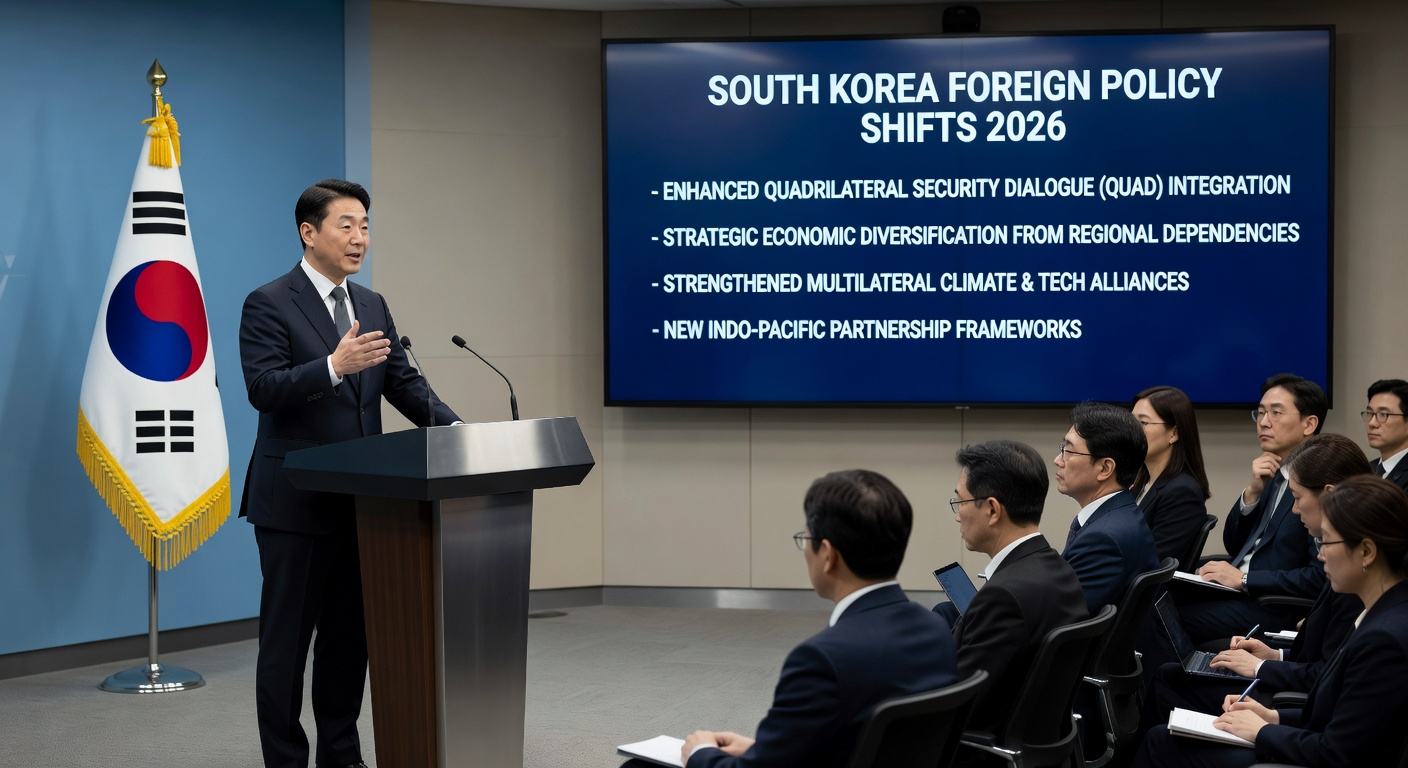
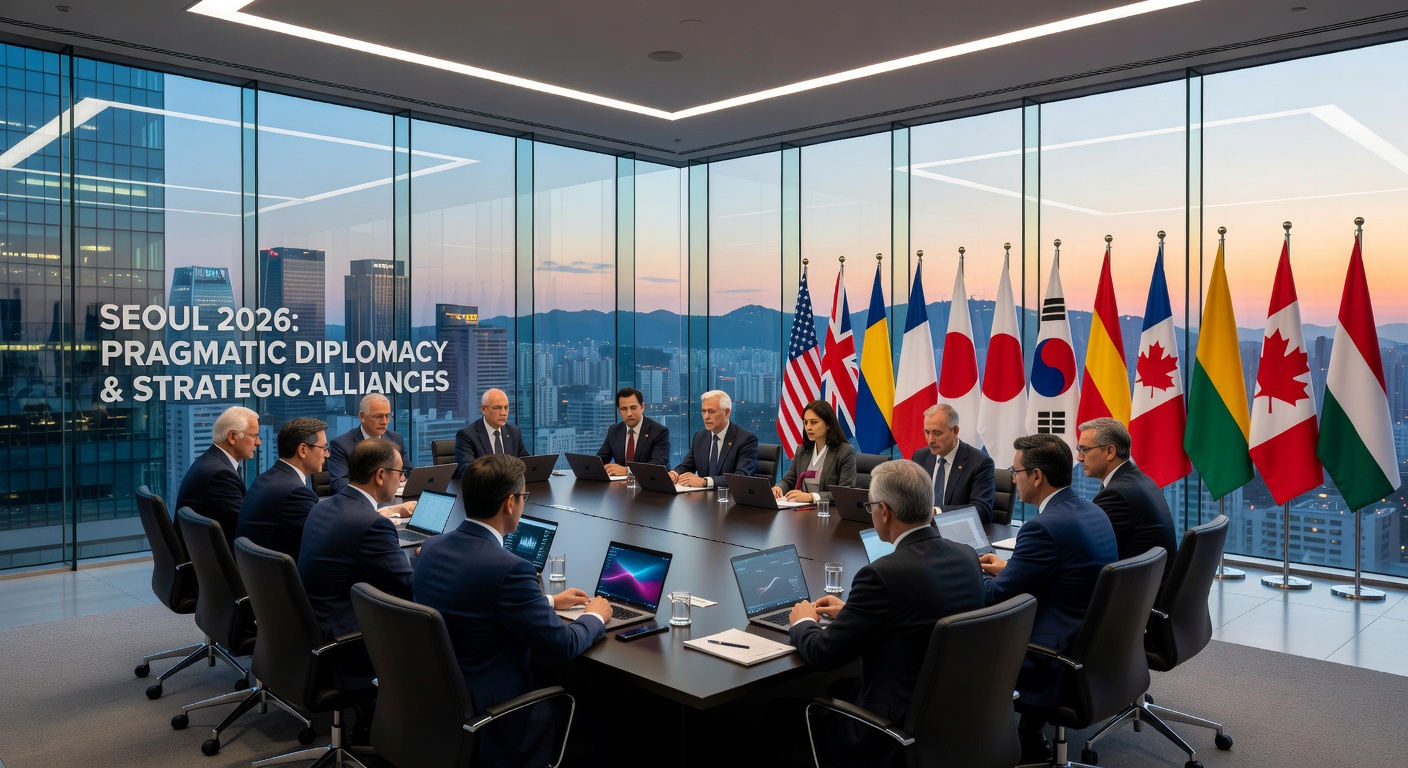
The effective closure of the Strait of Hormuz exposes catastrophic vulnerabilities in global supply chains. As authoritarian regimes attack free trade, international stakeholders must adapt quickly to protect their wealth. We must closely examine the South Korea foreign policy forecast 2026. South Korea is adopting a new “pragmatic diplomacy” model. This change shows how global geopolitical alliance strategies are actively shifting.
The United Nations Security Council is deadlocked over Gulf state security, causing massive global economic fallout. To survive, multinational businesses need actionable free-market strategies. They must relocate operations to nations that respect private property.
Global investors need reliable data. You can read the latest updates from the UN Security Council. Analysts can also review the Korea Economic Institute of America and conflict monitors like ACLEDdata.com to understand these risks.
Key Takeaways for International Stakeholders
| Focus Area | Core Insight for Global Investors | Immediate Action Required |
|---|---|---|
| South Korea Policy | Implementation of “pragmatic diplomacy” prioritizes economic survival. | Monitor shifts in the South Korea foreign policy forecast 2026. |
| Global Security | UN Security Council divisions leave global oil supplies completely unprotected. | Assess the impact on global geopolitical alliance strategies. |
| Supply Chains | Authoritarian regimes are weaponizing trade routes against free markets. | Execute “friend-shoring” strategies to protect multinational supply chains. |
Supplemental Explanation: The Free-Market Perspective
When governments fail to protect international waters, global markets suffer. The events of early 2026 prove that relying on state-controlled regimes for energy is a dangerous mistake. Free-market policies depend on safe trade routes. When authoritarian nations close the Strait of Hormuz, they violate international economic freedom. This blocks the free movement of goods and destroys property rights.
Western alliances must step up to protect these vital supply chains. The best way to secure global wealth is through market reforms and deregulation. Investors must shift their capital away from hostile nations. They should place their money in countries with high scores on the economic freedom index. Free markets thrive when property is secure and taxes remain low.
2. Current Situation
Asian governments Middle East diplomacy is failing to secure vital energy imports. To understand why, international readers must learn two key concepts:
- Friend-shoring: Relocating multinational supply chains to geopolitical allies who maintain strong property rights and free-market policies.
- Pragmatic Diplomacy: The new 2026 South Korean foreign policy doctrine prioritizing national economic interests and strategic flexibility over rigid global politics.
In late February 2026, US-Israeli military strikes hit Iranian infrastructure. Iran retaliated with strikes on all Gulf Cooperation Council (GCC) countries. This included attacks on vital energy hubs like the Ras Tanura oil facility. These attacks shattered regional security illusions and severely disrupted East Asian energy imports. Middle East Asia diplomatic clash implications are now reshaping global trade. You can read more about this regional outlook at The Asia Cable.
The UN resolution voting patterns analysis reveals deep global divisions. China and Russia abstained from voting on Resolution 2817. They refused to hold authoritarian actors fully accountable. This gridlock proves the UN cannot protect free trade. Further details are available from the American Enterprise Institute and the United Nations.
Visual Recommendation: Risk Exposure Heat Map
A visual heat map contrasting UN Security Council voting divisions against Asian nations’ energy import dependencies reveals stark operational risks:
| Country / Bloc | UN Res. 2817 Stance | Gulf Energy Dependency | Geopolitical Risk Level |
|---|---|---|---|
| China | Abstained / Criticized | Very High | Severe (State-controlled) |
| Russia | Abstained / Criticized | Low (Exporter) | High (Sanctioned) |
| South Korea | Supported | Very High | Moderate (Adapting) |
| United States | Backed Resolution | Low (Independent) | Low (Free Market) |
Supplemental Explanation: Failing Diplomacy and Economic Freedom
The ongoing Middle East Asia diplomatic clash implications highlight the failure of centralized global governance. The UN resolution voting patterns analysis proves that international committees cannot secure economic freedom. China and Russia’s abstentions on Resolution 2817 show a clear disregard for private property rights.
When Asian governments Middle East diplomacy fails, energy prices spike. This harms everyday consumers and global investors alike. Free markets require stability. The recent attacks on the Ras Tanura oil facility prove that authoritarian regimes do not respect market forces. Investors must rely on Western alliances for true security. Strong military deterrence protects free trade better than weak international resolutions. Capital will always flee unstable regions and seek out strong economic freedom.
3. Global Implications
Tracking the South Korea foreign policy forecast 2026 is critical for your portfolio. The disruption of Gulf energy forces multinational enterprises to price in massive supply-side risk. Companies are fleeing heavily regulated, high-tax markets. They are driving capital toward Western-aligned economies that offer robust property rights and reliable rule of law.
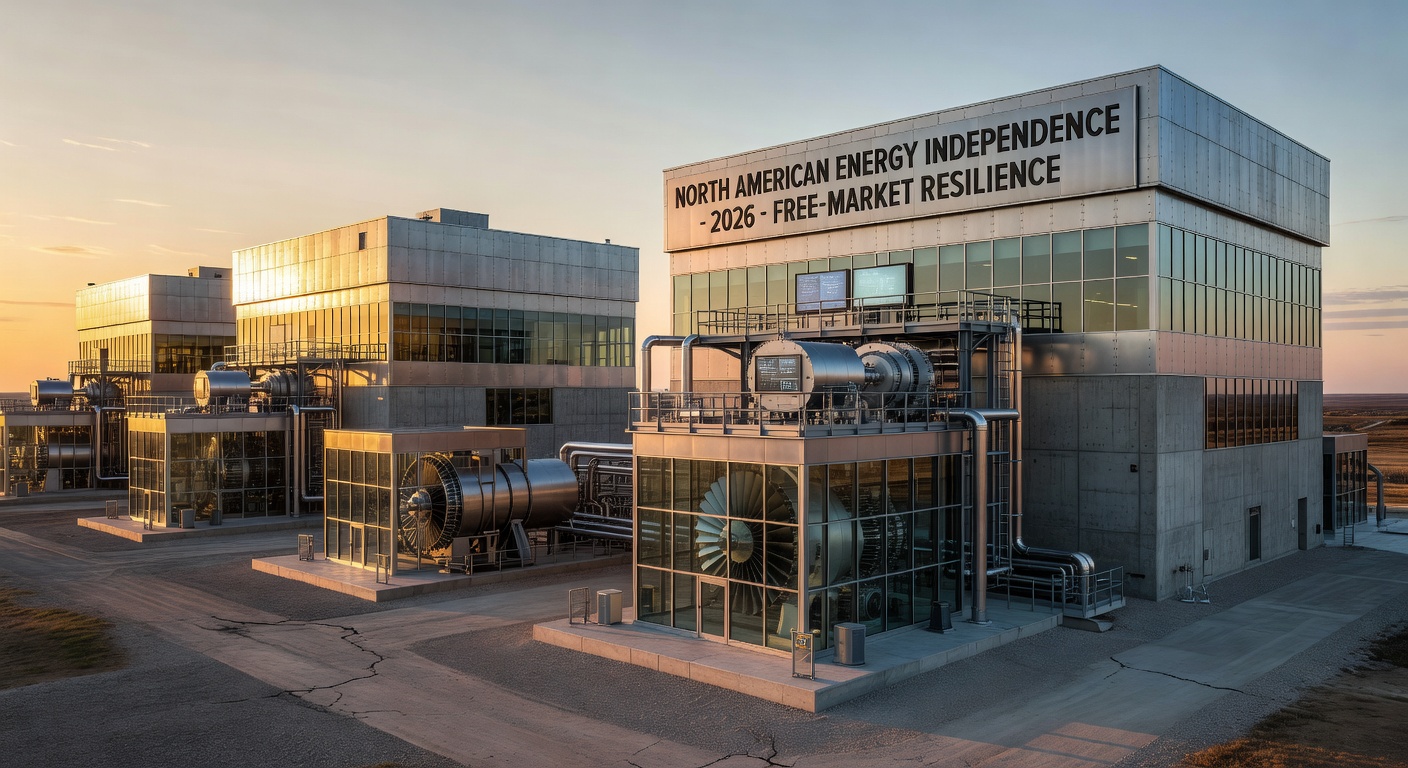
We must compare the severe energy vulnerability of East Asian manufacturing hubs to safer regions. North American energy markets and Five Eyes jurisdictions show strong structural resilience. These nations prioritize energy independence. They reject excessive socialist economic interventions that cripple growth. Asian governments Middle East diplomacy is struggling to fix the energy crisis. Read more about Korea’s 2026 economic questions from ING Think.
This creates a serious risk assessment for foreign stakeholders. The ongoing US military entanglement in the Middle East creates strategic openings for China in the Indo-Pacific. Multinational manufacturing dependencies in Taiwan, South Korea, and Japan demand immediate reassessment. Global geopolitical alliance strategies must adapt. Chatham House explains how nations balance global engagement.
Global Benchmarks: East Asia vs. North America
| Economic Metric | East Asian Manufacturing Hubs | North America (Free Market Focus) | Conservative Market Advantage |
|---|---|---|---|
| Energy Security | Highly dependent on Gulf oil | Energy independent | Protected from authoritarian shocks |
| Regulatory Burden | Increasing state intervention | Deregulation focus | Low taxes encourage business growth |
| Supply Chain Risk | Exposed to Strait of Hormuz | Near-shoring / Friend-shoring | Reliable rule of law secures trade |
| Property Rights | Moderate to High | Very High | Capital protected from seizure |
Supplemental Explanation: Escaping Socialist Interventions
The current energy crisis shows exactly why socialist economic interventions fail. When governments try to control energy markets, they create shortages. North America remains strong because it largely allows free-market policies to dictate energy production. East Asia relies heavily on imported oil from unstable, state-controlled regions. This makes their economies very fragile.
Global geopolitical alliance strategies must shift toward nations that respect the economic freedom index. Capital flight is a natural market reaction to bad policy. Investors pull their money out of countries that over-regulate and over-tax. They move their money to places that protect private property. Western alliances like NATO and AUKUS provide the security shield needed for free markets to operate safely without interference.

4. Actionable Insights
Global readers must adapt to East Asia international policy shifts right now. You must immediately audit your cross-border portfolios. Divest from state-controlled enterprises in authoritarian regimes. These investments are no longer safe. You should aggressively reallocate capital into deregulation-focused markets. Look for allied-nation defense contractors and traditional energy sectors.
There are major investment opportunities here. Consider the following structural pivots:
- Capitalize on South Korea’s July 2026 implementation of 24-hour trading for the won.
- Leverage South Korea’s sweeping 7.5% defense budget increase.
- Place heavy investments in North American traditional energy producers operating free from profit-killing ESG-mandated restrictions.
You must navigate escalating global frictions carefully. Relocate corporate structures and wealth to jurisdictions with minimal government intervention. Seek out countries with strong fiscal discipline and expanding free-trade agreements. Global geopolitical alliance strategies require careful planning. Explore conservative policy papers on regulatory reform to guide your choices. Use the Heritage Index of Economic Freedom to find safe havens.
Free-Market Investment Strategy 2026
| Action Type | Divest From (Sell) | Invest In (Buy) | Rationale for Global Investors |
|---|---|---|---|
| Energy Focus | State-run foreign oil monopolies | North American traditional oil & gas | Rejects restrictive ESG mandates. |
| Currency | Heavily manipulated fiat | South Korean Won (24-hour trading) | Capitalizes on market reforms. |
| Defense | Authoritarian tech sectors | Western allied-nation defense | Aligns with Western alliances security. |
| Geography | High-tax, low-freedom states | High Economic Freedom Index nations | Ensures property rights protection. |
Supplemental Explanation: Defeating Woke ESG Mandates
East Asia international policy shifts prove that survival requires hard power, not soft social policies. ESG (Environmental, Social, and Governance) mandates are destructive socialist interventions. They force companies to make bad financial choices to please activists. The 2026 crisis shows that traditional energy is essential for human survival and economic freedom.
By investing in North American oil and gas, you bypass these harmful ESG restrictions. You support true market reforms. South Korea’s 7.5% defense increase is a smart, pragmatic choice. It shows a commitment to protecting national borders and property rights. Global geopolitical alliance strategies only work when backed by strong military deterrence. You must move your wealth into jurisdictions that reward hard work. Avoid places that punish success with high taxes and endless government red tape.
5. Expert Analysis
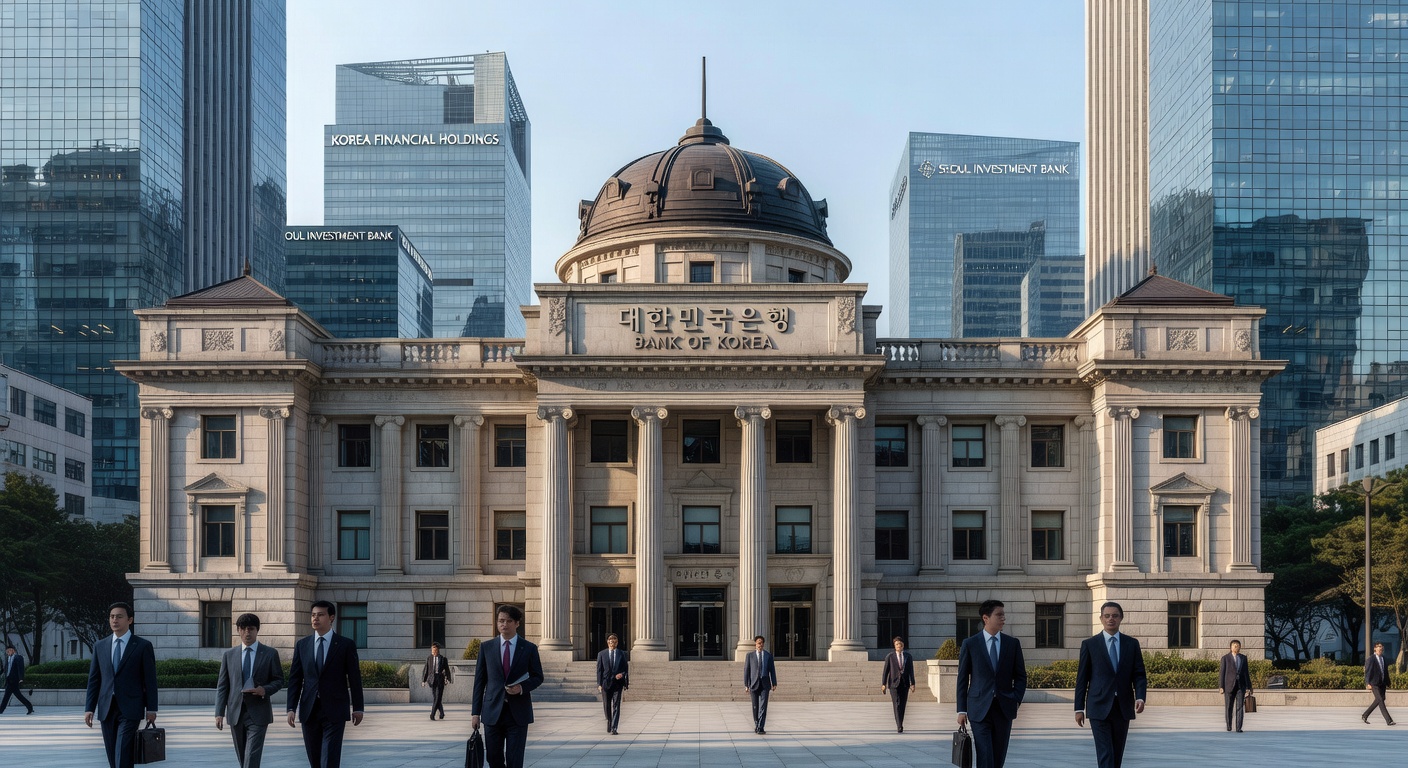
The South Korea foreign policy forecast 2026 requires careful expert analysis. Official April 2026 macroeconomic data highlights major changes. South Korea has revised its GDP growth target down to 1.9%. The Bank of Korea (BoK) stabilized the policy rate at 2.5%. The Asian Development Outlook warns about massive trade uncertainty across the region.
We must contrast the local domestic view with the international perspective. Domestic East Asian leaders focus on localized economic stimulus and inflation control. This government printing of money rarely works. Meanwhile, international investors prioritize mitigating macroeconomic shocks. They want to survive the prolonged Strait of Hormuz closure.
Expert quotes confirm these fears. In April 2026, Goldman Sachs reported on Asia-Pacific growth potential. They stripped away the AI-tech bloat to reveal lower underlying growth. You can watch the full Goldman Sachs insight on CNBC. Chatham House analyses show Asian nations are navigating a highly transactional US foreign policy posture. More legislative context is tracked via Congress.gov. UN resolution voting patterns analysis confirms international instability.
2026 Macroeconomic Forecast Summary
| Economic Indicator | April 2026 Status | Conservative Market Impact | Recommended Investor Action |
|---|---|---|---|
| South Korea GDP | Revised to 1.9% | Slow growth due to supply chain shocks | Seek higher yields in deregulated markets |
| Bank of Korea Rate | Stabilized at 2.5% | Central bank attempting to control inflation | Move capital to stable Western alliances |
| Asian Trade | Highly Uncertain | Authoritarian disruptions harm free trade | Implement rapid supply chain friend-shoring |
| AI-Tech Sector | Overvalued (Bloat) | Market correction removes artificial value | Pivot to tangible defense and energy assets |
Supplemental Explanation: The Failures of Economic Stimulus
The South Korea foreign policy forecast 2026 reveals a harsh truth about government intervention. Local economic stimulus packages do not solve supply chain crises. When governments print money to fix inflation, they usually make it worse. The real solution is supply-side deregulation.
Western alliances must promote free-market policies to restore trade. UN resolution voting patterns analysis shows that diplomacy alone cannot reopen the Strait of Hormuz. International investors know that true wealth is built on property rights and low taxes. Goldman Sachs rightly points out the AI-tech bloat. Free markets always correct overvalued sectors eventually. Investors must ignore government promises of stimulus. Instead, rely on tangible assets like traditional energy. Protect your portfolio by choosing nations that respect the economic freedom index and reject heavy-handed state control.
6. Conclusion & Next Steps
The dual threats of Middle East instability and unchecked authoritarian maneuvering require uncompromising action. Global decision makers must embrace free-market investment strategies. You need immediate supply chain diversification to safeguard international wealth. East Asia international policy shifts show that the old ways of doing business are dead. The closure of the Strait of Hormuz proves that depending on hostile nations is a terrible strategy.
To protect your assets, read our related guides. Check out “Evaluating Market-Oriented Alternatives to Government Overreach” and “The Expat’s Guide to Wealth Preservation in Free-Market Economies“. These resources will help you navigate the chaos.
We urge international investors and analysts to subscribe to our global newsletter. Get premier, data-backed updates sent directly to your inbox. We track how deregulation, shifting East Asian alliances, and energy security dictate international market performance. Stay informed on the latest market reforms and free-market policies.
Essential Resources for 2026 Market Tracking
| Resource Category | Recommended Portal / Database | Why Investors Need It |
|---|---|---|
| Economic Freedom | Heritage Foundation Index | Identifies low-tax, pro-business safe havens. |
| Global Security | UN Security Council Monitors | Tracks authoritarian threats to global trade. |
| Alliance Defense | Western Military FDI Trackers | Highlights defense sector growth opportunities. |
| Wealth Protection | Expat Financial Network | Guides capital flight toward strong property rights. |
Supplemental Explanation: Securing Your Financial Future
The world in April 2026 is dangerous for unprepared investors. However, it is highly profitable for those who understand free-market policies. Authoritarian regimes hate economic freedom because it gives power to the individual. By weaponizing global oil flows, they are trying to break the capitalist system.
They will fail if investors make smart, conservative choices. You must use the economic freedom index to guide your money. Trust in strong Western alliances to maintain global order. Reject the high taxes and over-regulation pushed by socialist governments. Keep your money in jurisdictions that honor private property and the rule of law. By acting decisively today, you can protect your family and your business from global geopolitical shocks.
Frequently Asked Questions (FAQ)
Q: Why is “friend-shoring” increasingly critical for multinational businesses in 2026?
A: Friend-shoring is crucial because authoritarian regimes are actively weaponizing key trade routes, such as the Strait of Hormuz. By relocating supply chains to allied nations that value free markets and property rights, businesses can bypass geopolitical friction, reduce state-imposed regulatory burdens, and maintain stable operational continuity.
Q: What does South Korea’s “pragmatic diplomacy” mean for international investors?
A: South Korea’s shift to “pragmatic diplomacy” prioritizes sheer economic survival over rigid ideological alignments. For investors, this signals a more flexible, highly adaptive market environment, highlighted by moves such as launching 24-hour won trading and sharply increasing defense spending to safeguard national sovereignty.
Q: How do ESG mandates negatively impact portfolio stability during the current energy crisis?
A: ESG mandates act as artificial, restrictive market interventions that handicap reliable energy production. During crises where global energy flows are interrupted, portfolios tied to these mandates suffer unnecessarily. Investing in deregulated, traditional North American energy sectors avoids these profit-killing barriers.
Q: Why has the UN Security Council failed to resolve the Middle East supply chain disruptions?
A: The UN Security Council is paralyzed by deeply ingrained global divisions, evidenced by strategic abstentions from major authoritarian powers. This deadlock proves that centralized international bodies cannot effectively guarantee free trade or protect property rights, reinforcing the necessity for strong, unified Western military deterrence.