

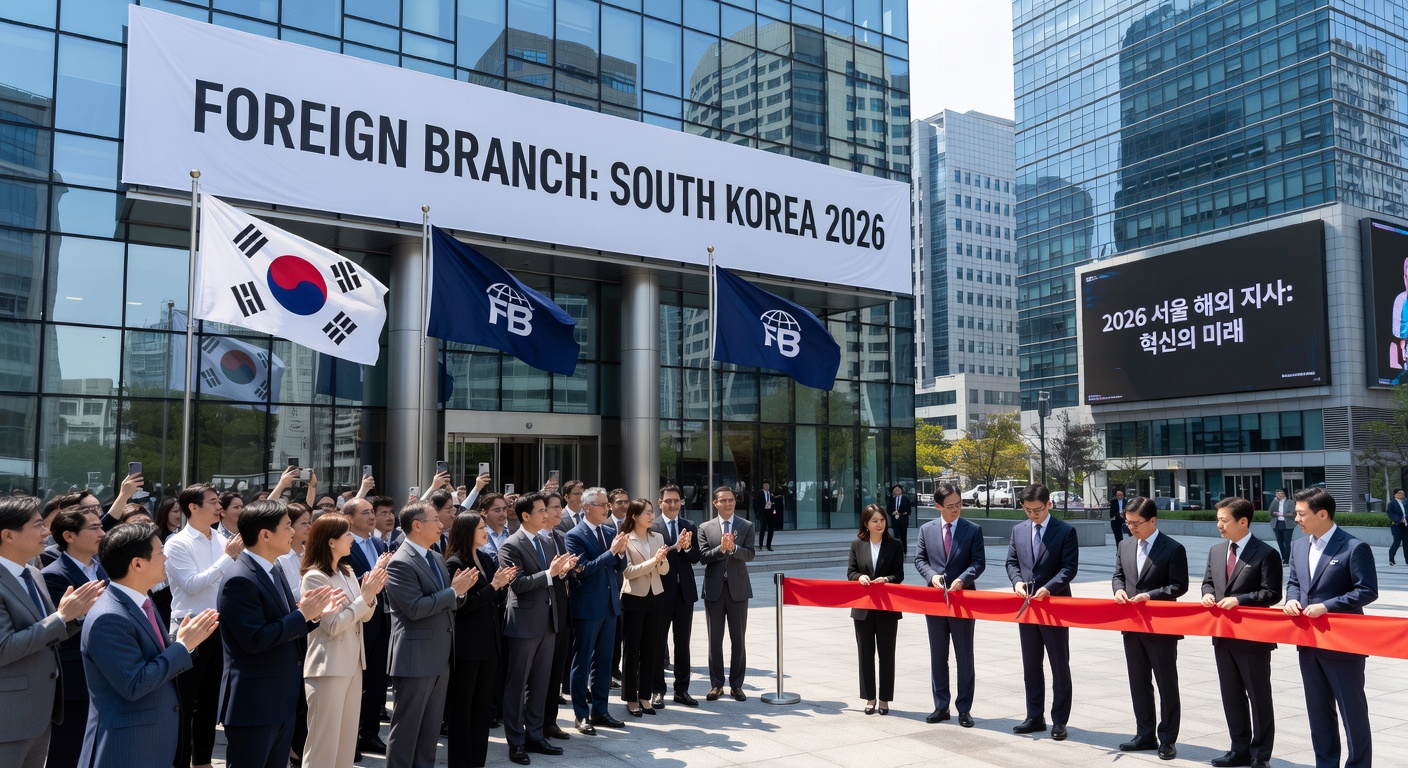



Setup a Foreign Branch: South Korea 2026
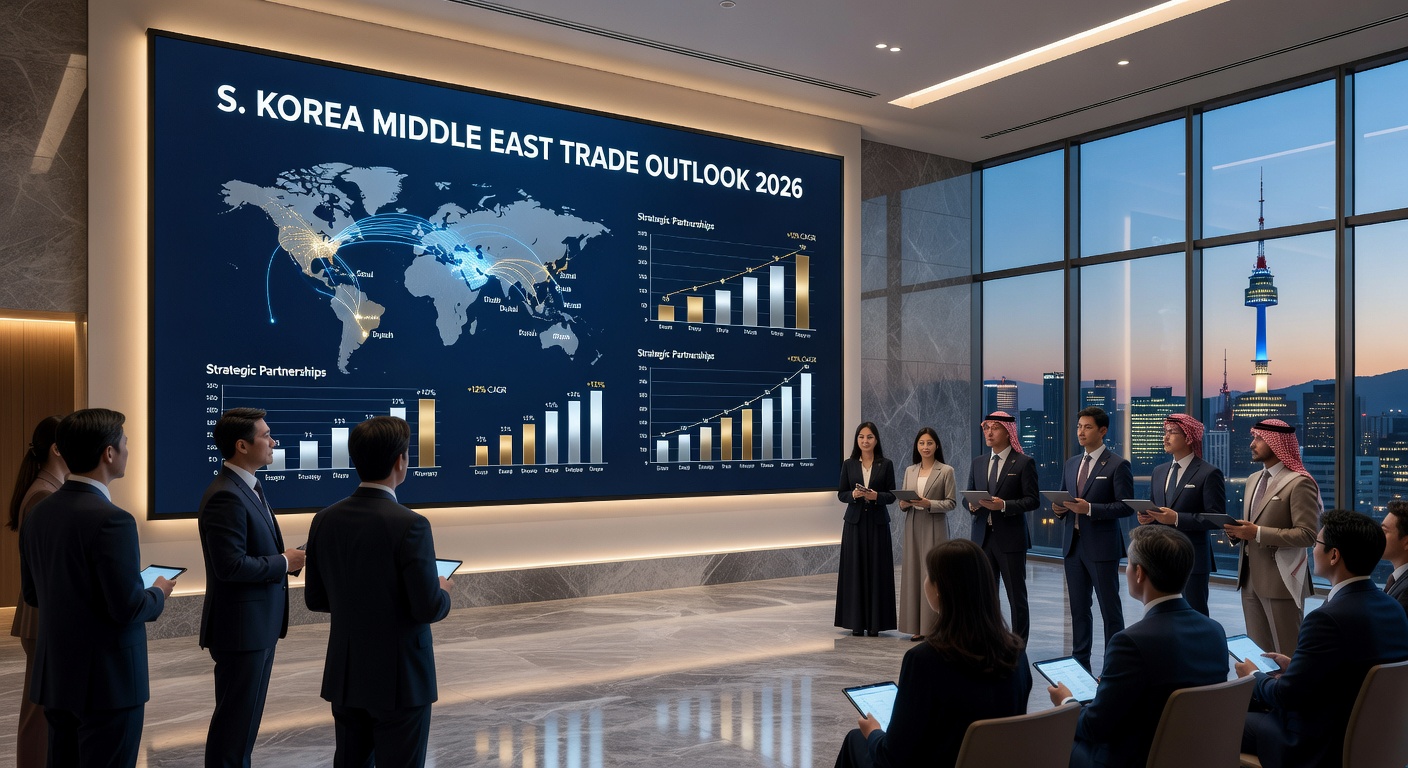
Key Summary: The 2026 macroeconomic landscape of South Korea offers an unparalleled growth environment for global investors, underscored by an impressive 74.0 Economic Freedom Index score. By establishing a foreign branch, multinational corporations can bypass restrictive command economies, securely leverage pro-business free trade zones, and capitalize on high-yield tech joint ventures. Strategic market entry requires mastering streamlined foreign direct investment (FDI) regulations while actively mitigating local labor union risks to maximize structural tax benefits and ensure robust intellectual property protection.
Table of Contents
- 1. Introduction
- 2. Current Situation
- 3. Global Implications
- 4. Actionable Insights
- 5. Expert Analysis
- 6. Conclusion & Next Steps
- 7. Frequently Asked Questions (FAQ)
1. Introduction
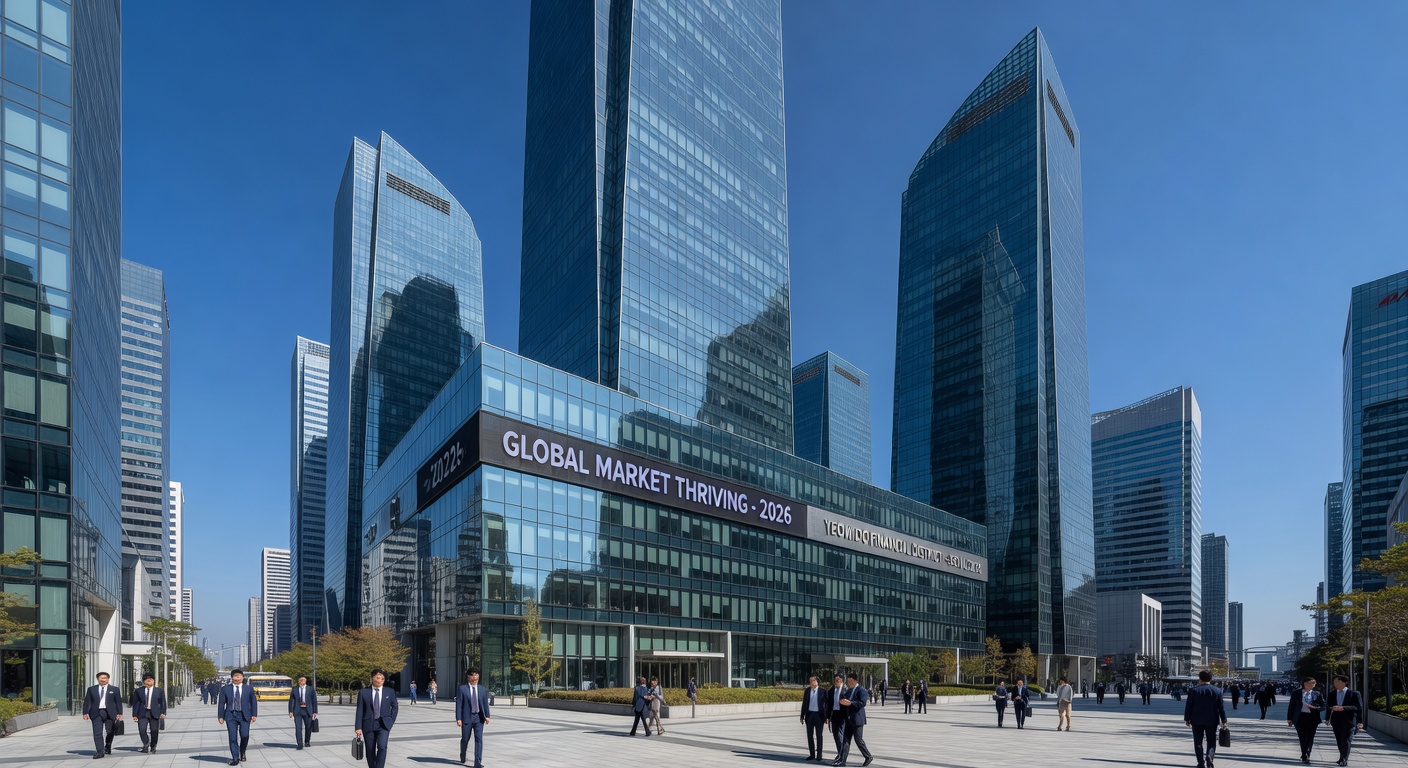
Setting up a foreign branch in South Korea 2026 is the smartest move for global investors today. The Republic of Korea has made great strides in free enterprise. Its economic freedom index has officially climbed to 74.0 out of 100 in the 2026 Heritage Foundation Index. This high score signals a highly lucrative, safe environment for multinational growth. It proves that capital friend-shoring to Western-aligned nations is working. The strategic urgency for global investors to secure an operational foothold here is at an all-time high. South Korea is now a vital node in the global supply chain.
There are three key takeaways for smart investors this year:
- First, you can unlock massive tax relief by using South Korea free trade zones for international logistics.
- Second, you must learn to navigate the tension between pro-business executive policies and rigid, union-backed labor monopolies.
- Third, you must capitalize on high-yield joint venture opportunities with Korean tech firms in the semiconductor and defense sectors.
Global investors know that free market policies create wealth. High taxes and heavy government rules only destroy value. By expanding into South Korea now, your company can bypass authoritarian command economies entirely. You can rely on strong property rights and a government that wants your capital to grow. To learn the exact legal steps for this process, you can study the open a branch in Korea guide.
Supplemental Explanation
The concept of the economic freedom index is simple. It measures how much control you have over your own money and business. A higher score means the government stays out of your way. When governments step back, private businesses step up. This creates more jobs, better products, and higher profits for investors. The 2026 score of 74.0 proves that South Korea is moving toward stronger free-market policies. Western alliances, like NATO and AUKUS, heavily favor doing business in free countries. Expanding your business here protects your wealth from the dangerous rules found in state-controlled economies.
Market Entry Benefits vs. Risks
| Factor | Free-Market Benefit | Populist Risk to Watch |
|---|---|---|
| Tax Policy | Low corporate rates in free trade zones | Left-wing pushes for wealth taxes |
| Trade | Frictionless supply chains with the US | Union blockades at shipping ports |
| Investment | Streamlined FDI remittance laws | Bureaucratic delays in local courts |
| Property | Strong courts protect foreign capital | Over-regulation of daily labor tasks |
2. Current Situation
To understand the market, you must know what a foreign branch actually is. A foreign branch lacks a separate legal personality. This means the parent company bears full legal liability for the branch. However, it enables direct, profit-generating operations in Korea. This makes it very different from a limited representative liaison office, which cannot make money. Setup mandates formal authorization from the Ministry of Finance. It also requires basic foreign exchange notifications.
The latest 2026 data shows clear market reforms. South Korea successfully streamlined its Foreign Direct Investment (FDI) remittance laws. It also upgraded property rights enforcement to secure its 74.0 Heritage Index score. You can read about the impact of these changes in the Korea Herald’s latest updates. However, militant, union-backed labor laws still hold the country back. These aggressive unions keep South Korea at an international competitive disadvantage. The nation rests at the 100th spot in global labor freedom.
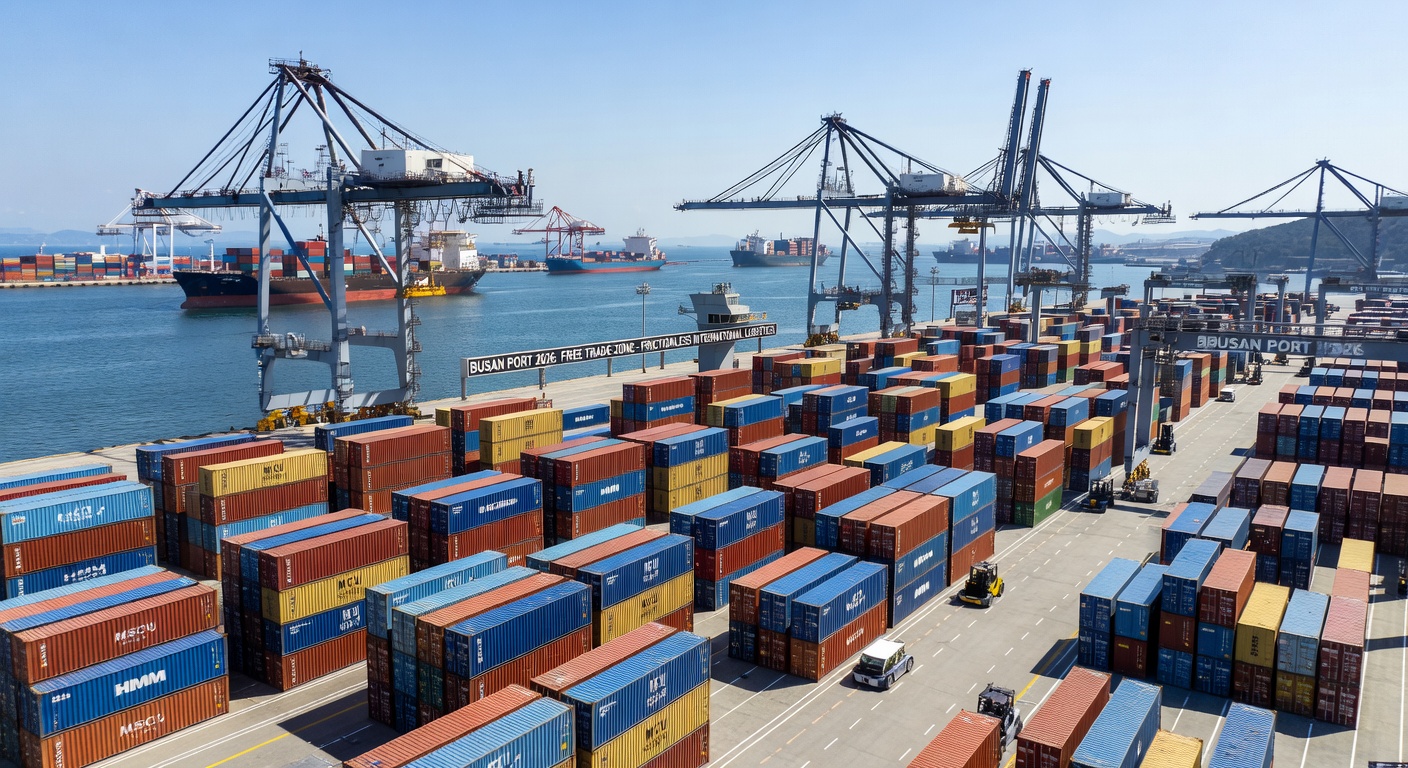
Visual recommendations for your investor pitch decks should highlight these facts. We suggest a scatter plot mapping regulatory burden versus new business creation rates among top-tier OECD nations. You should also use a heat map highlighting the optimal South Korea free trade zones for international logistics. Cities like Incheon, Busan, and Gwangyang shine bright green on this map. These zones offer lower taxes and less government interference. You can compare different corporate structures by reviewing types of companies in Korea.
Supplemental Explanation
Setting up a foreign branch in South Korea 2026 requires balancing great opportunity with obvious labor risks. Conservative economic principles teach us that aggressive labor unions hurt business growth. When unions control the workforce, companies cannot hire or fire freely. This kills innovation. Thankfully, the current executive branch in South Korea favors deregulation. They are actively fighting back against these socialist labor policies. By locating your business inside a free enterprise zone, you can shelter your capital from local union overreach. This lets you focus on creating wealth and serving global markets.
Foreign Branch vs. Other Entity Types
| Entity Type | Can Generate Profit? | Parent Liability | Setup Complexity | Best For |
|---|---|---|---|---|
| Foreign Branch | Yes | Full Liability | Medium | Direct sales, logistics, consulting |
| Liaison Office | No | Full Liability | Low | Market research, networking only |
| Subsidiary (LLC) | Yes | Limited Liability | High | Major manufacturing, large scale retail |
3. Global Implications
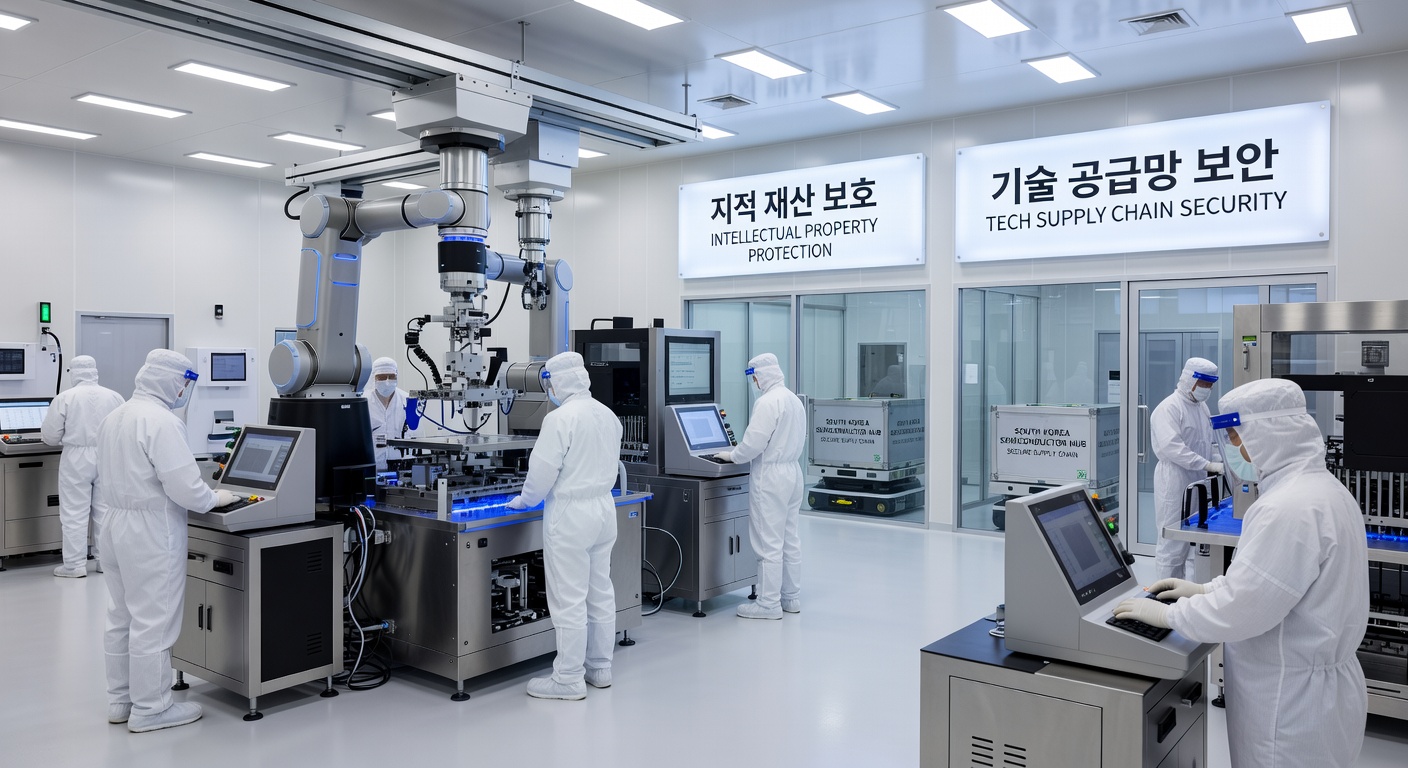
The international impact of moving into South Korea is massive. Western multinationals gain frictionless access to semiconductor and defense tech supply chains. They do this by leaning into pro-Western security frameworks like NATO-aligned protocols and Five Eyes cooperation. This allows smart investors to entirely bypass authoritarian command economies. China’s heavy-handed government rules destroy private wealth. South Korea offers a safe, capitalist alternative for your supply chain.
There are clear global benchmarks to consider. The registration process for setting up a foreign branch in South Korea 2026 mirrors standardized OECD procedures. It is very similar to opening a branch in Taiwan or Japan. You must complete your FDI notification, visit the Court Registry, and get a Tax ID. However, South Korea operates under a substantially safer legal environment compared to mainland China. This is thanks to rigorously upgraded South Korea intellectual property protection for foreigners. You can trust that your patents, tech designs, and trademarks are safe from state theft. Read the latest Marotta on Money 2024-2026 Index Update for deeper insights.
Early movers can capture massive market share right now. But you must comprehensively mitigate your risk. You must protect your business from domestic populist legislation and militant labor monopolies. The best strategy is structurally isolating your operations. Keep your business inside designated free-enterprise zones. Pursue joint venture opportunities with Korean tech firms to share the risk. You can verify the safety of these zones by checking the Heritage Economic Freedom Report.
Supplemental Explanation
South Korea intellectual property protection for foreigners is the cornerstone of modern Western alliances. In command economies, the state can steal your ideas and give them to local companies. Free market policies demand the exact opposite. Strong property rights ensure that if you invent something, you own it. This creates a safe space for global tech innovation. By partnering with Korean tech firms, you align your business with US and NATO defense interests. You secure the tech supply chain while maximizing your own corporate profits.
Regional Setup Benchmarks 2026
| Country | IP Protection Level | Setup Speed | Market Freedom | Risk of State Theft |
|---|---|---|---|---|
| South Korea | Very High | 2-3 Weeks | High (74.0) | Extremely Low |
| Taiwan | High | 3-4 Weeks | High | Low |
| Japan | Very High | 3-4 Weeks | High | Very Low |
| China | Poor | 4-8 Weeks | Low (Mostly Unfree) | High |

4. Actionable Insights
You must take specific steps right now to succeed. Setting up a foreign branch in South Korea 2026 is simple if you follow this exact sequence:
- Immediately file your foreign investment notification with an exchange bank. The Bank of Korea is the standard choice for this. You must do this before executing any capital remittance from your parent company.
- Secure a localized virtual office to establish a registered address.
- Finally, you must apostille all parent company board resolutions.
Your investment positioning must be aggressive. Structure your expansion to actively pursue joint venture opportunities with Korean tech firms. You should leverage the newly introduced 2026 pro-growth residency visas. Take advantage of the streamlined capital repatriation laws that strip away bureaucratic red tape. Free markets work best when money can move freely. The new 2026 policies make it easier than ever to send your Korean profits back to your Western parent company.
You must capitalize on the 2026 deregulatory environment. New market reforms actively remove the necessity of a local board of directors for the branch. This is a massive win for corporate freedom. Your compliance focus is now strictly on the Foreign Exchange Transaction Act, rather than overarching corporate restructuring. For practical resources, you should use the BridgeWest Legal Network consulting team. You can also look into Acclime Korea compliance frameworks and the Companyformationkorea.com registration portals.
Supplemental Explanation
Joint venture opportunities with Korean tech firms allow you to bypass heavy local regulations. By partnering with a free-market Korean company, you gain their local expertise. You also avoid the high taxes and union traps that catch new foreign players. True economic freedom means removing barriers to entry. The 2026 removal of the local board requirement is a perfect example of free market policies in action. It lowers your overhead costs. It keeps decision-making power in the hands of the parent company, exactly where it belongs.
Step-by-Step Setup Sequence
| Phase | Action Required | Responsible Party | Estimated Time |
|---|---|---|---|
| Step 1 | Apostille parent docs & board resolutions | Parent Company | 1 Week |
| Step 2 | File FDI Notification with Exchange Bank | Local Agent | 1-2 Days |
| Step 3 | Secure local virtual office lease | Branch Manager | 2 Days |
| Step 4 | Register with Supreme Court & get Tax ID | Legal Counsel | 1 Week |

5. Expert Analysis
Official forecasts from 2026 IMF and World Bank data validate South Korea’s direction. Their macroeconomic stabilization strategy relies heavily on private-sector export growth. It also relies on deep tech-supply-chain integration with the US. The current administration fundamentally rejects inflationary government stimulus. Printing money and handing out government subsidies only causes inflation. By rejecting these left-wing ideas, South Korea protects the buying power of your capital.
There is a fierce battle between international free-market views and local domestic politics. Domestic left-leaning legislative factions advocate for massive minimum wage hikes. They push for interventionist fiscal policy that destroys small businesses. However, global free-market think tanks uniformly warn against this. They state that dismantling wealth-destroying tax burdens is non-negotiable for achieving top-tier economic freedom. South Korea free trade zones for international logistics act as a shield against these bad domestic policies. You can view the global rankings on the World Population Review Economic Freedom page.
Expert quotes back up this strategy. According to the Heritage Foundation’s latest economic freedom analyses:
“High levels of economic freedom within a country correlate to greater wealth per person… when individuals are free to work, produce, consume, and invest in any way they please, society thrives.”
This underscores the absolute superiority of market-led democracies over state-controlled economies. You can track this data over time via Statista’s worldwide index of economic freedom.
Supplemental Explanation
South Korea free trade zones for international logistics are the ultimate proof that low taxes work. When governments lower tariffs and remove red tape, businesses rush in. These zones create high-paying jobs and massive export wealth. This stands in stark contrast to the socialist demands for higher minimum wages, which only cause unemployment. Conservative experts from the Wall Street Journal and the National Review agree on this point. Western alliances are built on shared military goals and shared capitalist values. Protecting your investments requires choosing markets that respect property rights.
Economic Freedom Impact on Investment
| Economic Policy | Result for Global Investors | Long-Term Market Impact |
|---|---|---|
| Lower Corporate Tax | Higher profit margins for branches | Increased foreign capital inflow |
| Deregulation | Faster speed to market | Higher business survival rates |
| Forced Wage Hikes | Increased operating costs | Job losses and automation shifts |
| Strong IP Laws | Safe tech transfers | Tech dominance over command economies |

6. Conclusion & Next Steps
The 2026 macroeconomic landscape presents unprecedented potential for global capital. But absolute success demands precise execution. You must follow the exact setup sequencing: notification, court registration, and finally, your tax ID. Doing this correctly actively combats the persistent threat of anti-business populism in the local legislature. Setting up a foreign branch in South Korea 2026 is the ultimate way to leverage Western alliances for corporate gain.
We highly recommend exploring our related strategic guides to further your education:
- Read “The Cost of Government Overreach: Asia’s Tax Burden” to understand regional risks.
- Study “Navigating Defense Tech Investments in the AUKUS Era” to maximize your defense-sector profits.
These guides apply conservative, free-market principles to real-world global investing. They will help you protect your wealth from overzealous government regulators. Take action today to protect your capital and expand your global footprint. Subscribe to our global markets newsletter right now. We provide unfiltered, data-driven insights into international investment climates. We track regulatory reforms that impact your bottom line. We deliver unapologetically free-market analysis that you will not find in mainstream, left-leaning media.
Supplemental Explanation
Your long-term strategy must focus on minimizing government friction. The faster you can move your money, the faster your business grows. By utilizing South Korea’s free enterprise zones and strong IP courts, you secure your place in the future of Western tech. Always remember that capital goes where it is welcome and stays where it is well treated. South Korea’s 2026 reforms welcome your capital. Do not let bureaucratic delays stop you. Follow the data, trust in free market policies, and build your international branch today.
Updated Global Resource List 2026
| Resource Name | Purpose for Investors | Access Value |
|---|---|---|
| Heritage Economic Freedom Index | Track market deregulation | High |
| The Global Economy Data Portal | Monitor inflation vs private growth | High |
| Bank of Korea FDI Guidelines | Ensure safe capital repatriation | Essential |
| Company Formation Korea Guide | Step-by-step legal branch setup | Essential |
7. Frequently Asked Questions (FAQ)
Q: What is the primary advantage of setting up a foreign branch in South Korea compared to a liaison office?
A: A foreign branch allows you to legally engage in profit-generating operations, direct sales, and logistics within South Korea. Conversely, a liaison office is restricted to non-profit activities like market research and networking.
Q: How do South Korea free trade zones benefit global investors?
A: Free trade zones in cities like Incheon and Busan offer significant tax relief, streamlined customs processes, and reduced government interference, creating an ideal environment for international logistics and manufacturing.
Q: Are my company’s patents and technologies safe in South Korea?
A: Yes. South Korea boasts very high levels of intellectual property protection for foreigners, ensuring your tech designs and patents are secure from state theft, unlike the risks faced in rigid command economies.
Q: What is the first step in the branch setup sequence?
A: The crucial first step is filing your Foreign Direct Investment (FDI) notification with a designated exchange bank, such as the Bank of Korea. This must be completed before any capital is remitted from your parent company.