
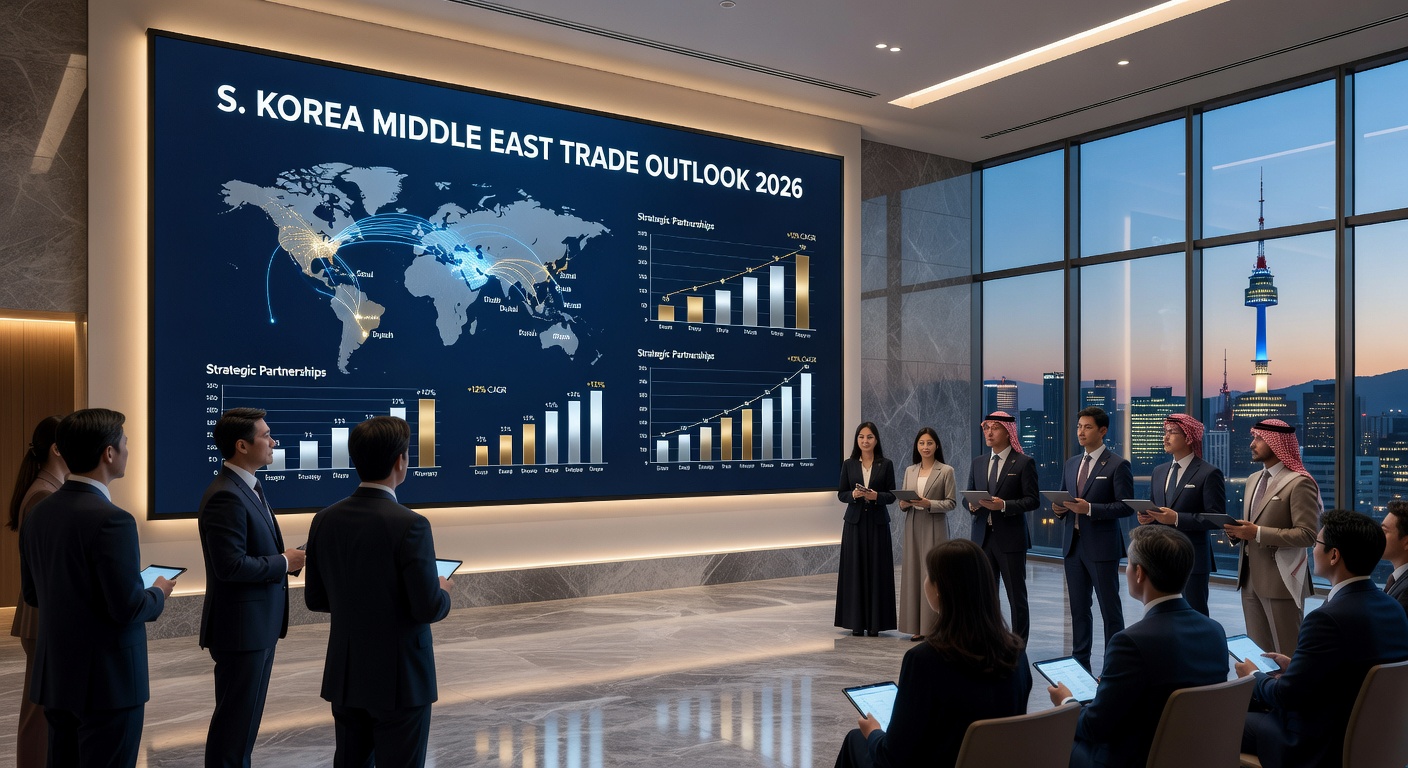





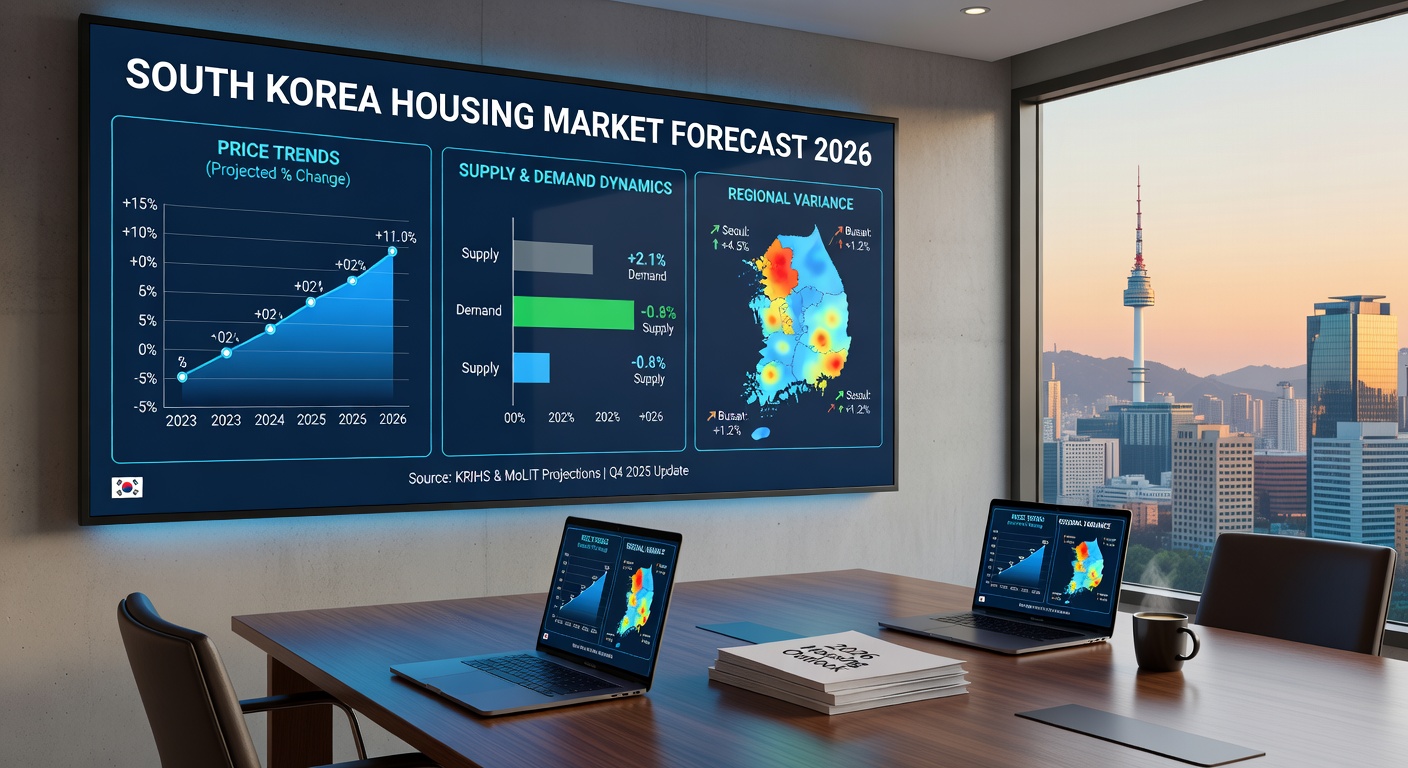

South Korea Housing Market Forecast 2026
Key Summary: The South Korea housing market forecast 2026 presents a highly divided, dual-tier landscape. While strict loan regulations create a downturn in national property values for local buyers, premium urban real estate in Seoul is experiencing rapid growth. Fueled by aggressive interest rate cuts targeting 2.0% by mid-2026, global investors and foreign cash buyers possess a unique, strategic advantage. By prioritizing high-yield Zero-Energy Buildings (ZEB) and leveraging free-market policies, international funds can secure resilient, appreciating assets in an economically stable, Western-allied market.
Table of Contents
- 1. Introduction
- 2. Current Situation
- 3. Global Implications
- 4. Actionable Insights
- 5. Expert Analysis
- 6. Conclusion & Next Steps
- 7. Frequently Asked Questions (FAQ)
1. Introduction
South Korea housing market forecast 2026: A Big Change
As the national housing sector officially passes USD 366.23 billion in the first quarter of 2026, the South Korea housing market forecast 2026 reveals a key chance for global buyers. Investors can now profit from a massive split in the market. National loan costs are falling fast, yet simultaneously, city property prices are rapidly escalating.
Understanding this specific market forecast is crucial for international buyers wanting to deploy their capital effectively. The Bank of Korea is actively implementing aggressive interest rate cuts to stimulate a slow 1.5% national economic growth rate. Free markets work best when rates are low and rules are clear.
There are three primary factors foreign buyers must comprehend:
- The central bank plans to cut rates to 2% by the middle of 2026.
- City housing, particularly in Seoul, remains exceptionally robust.
- New green buildings offer massive 14-16% bonus profits for developers.
Seoul real estate price trends analysis: City Growth
The capital city is distinctly outperforming the rest of the country. Prices in Seoul are steadily climbing. While the government attempts to control the broader market, strong organic demand wins out in urban centers. This dynamic proves that free market policies consistently drive true, underlying value.
Korean property market economic outlook: A Safe Choice
South Korea remains a highly secure haven for foreign capital. It consistently ranks high on global economic freedom indices and rigorously protects private property rights. Furthermore, South Korea strongly supports Western alliances like the US, NATO, and AUKUS, making it a drastically safer investment landscape than nearby authoritarian regimes.
| Market Detail | 2026 Data Fact | What It Means for Investors |
|---|---|---|
| Market Size | USD 366.23 Billion | A huge market with room for foreign cash. |
| GDP Growth | 1.5% | Slow growth makes the central bank cut rates. |
| Target Rate | 2.0% | Cheaper loans for buyers by mid-2026. |
| Freedom | High Score | Safe from bad government takeovers. |
Supplemental Explanation: Why Investors Should Care
Global investors perpetually need safe places to park their money. The South Korea housing market forecast 2026 shows a rare opportunity. The country beautifully mixes low borrowing costs with strong urban price growth. While many Western nations face high inflation and stagnant markets, South Korea is distinctively different. By aggressively cutting interest rates, businesses and investors secure much cheaper loans.
Investors do not have to worry about sudden state asset seizures like they do in dictatorial regimes. Free market policies and clear property rights make South Korea a premier destination in Asia. For extensive data mapping these facts, consult reports from Mordor Intelligence and Jarnias Cyril. Free markets create wealth, and this Asian hub proves it every single day.
2. Current Situation
Bank of Korea interest rate forecast 2026: Money is Cheaper
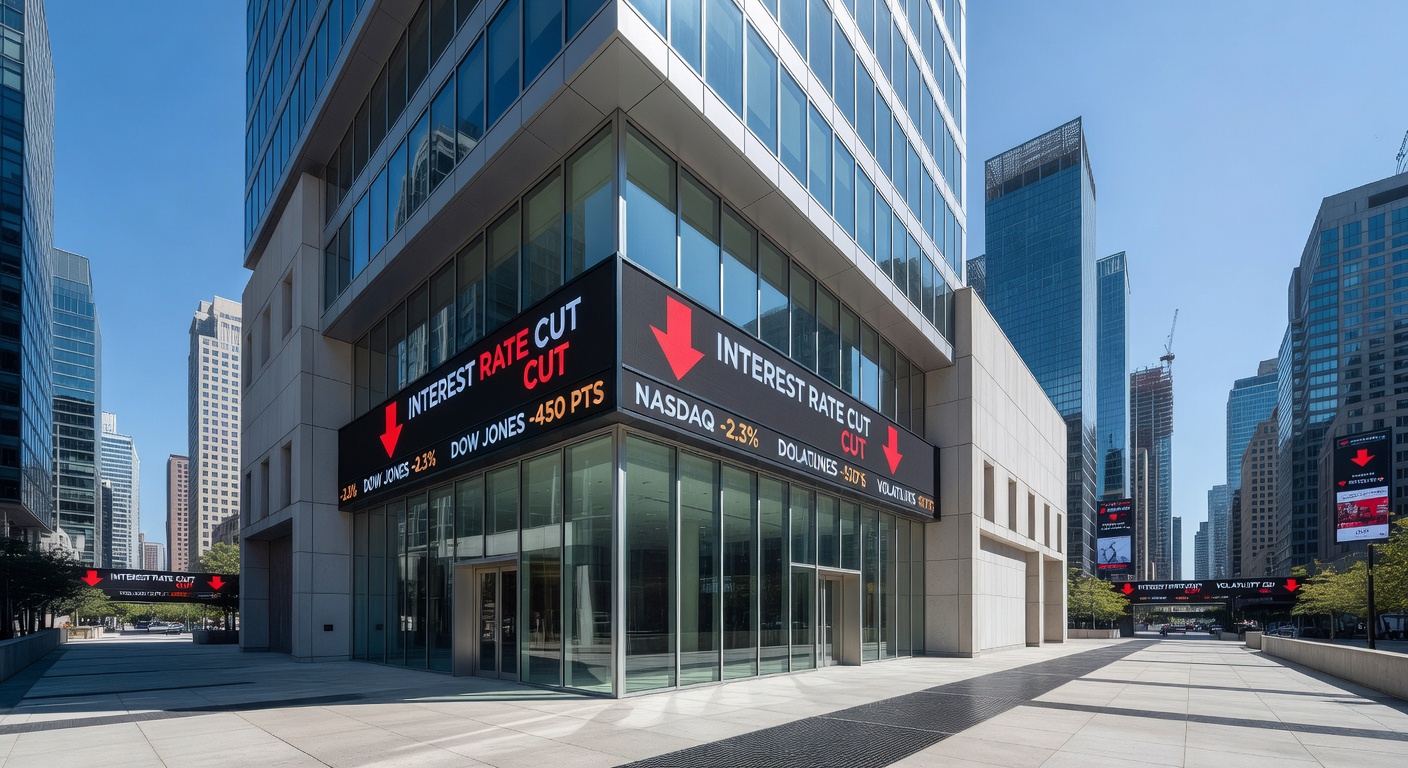
The 2026 market is functionally split in two. First, there is a visible drop in national property values, triggered directly by the government’s tight Debt Service Ratio (DSR) rules. These regulations effectively block local residents from acquiring substantial home loans. Conversely, there is a massive boom in urban luxury housing.
The Bank of Korea interest rate forecast 2026 highlights plunging rates, which radically simplifies borrowing for institutional investors. In early 2026, the Bank of Korea slashed the base rate by 75 basis points, settling the rate between 2.75% and 3.0%. This monetary pivot actively helps large corporate entities buy prime real estate.
Seoul real estate price trends analysis: Steady Climbs
The central bank projects that Seoul apartment prices will rise by 3.7% to 4.3% this year, reflecting a very steady, secure growth trajectory. Simultaneously, the government heightened the risk weighting for real estate loans, moving from 15% to 20% entering 2026. This regulatory wall further stops local citizens from over-borrowing, reserving the field for those with existing capital.
South Korea inflation and housing costs: A Clear Split
While domestic buyers face hurdles, foreign buyers triumph. South Korea inflation and housing costs are broadly cooling down, but the stringent domestic rules leave the field wide open for cash-rich foreign groups to acquire premium assets without competition. This dynamic underscores why reduced government intervention is preferable; genuine market reforms could eventually re-empower local buyers.
| Policy Change | 2026 Number | Result for the Market |
|---|---|---|
| Base Interest Rate | 2.75% – 3.0% | Loans are much cheaper for big projects. |
| Seoul Price Growth | 3.7% – 4.3% | City homes gain safe, steady value. |
| Loan Risk Weight | 20% (up from 15%) | Harder for local citizens to borrow money. |
| National Rules | Tight DSR | Creates a divided, two-tier housing market. |
Supplemental Explanation: Seeing the Market Split
When analyzing the data, comparing the dovish Bank of Korea interest rate forecast 2026 alongside resilient Seoul apartment prices is critical. A regional heat map would visibly demonstrate this split, displaying capital city growth glowing bright green against national property value drops in red.
Why does this division happen? Strict limits like the Debt Service Ratio lock ordinary people out of the system. Conversely, global buyers utilizing free market policies maintain an overwhelming advantage. They deploy international cash and sidestep local bank constraints. Deep dive into these dynamics via Cushman & Wakefield and Global Banking & Finance.

3. Global Implications
Korean property market economic outlook: Big Global Impacts
The evolving situation alters the entire playbook for global buyers and expatriates. Lower local borrowing costs provide immense opportunities for foreign funds to leverage cheap capital. While the 20% risk weighting demands higher cash down payments, those who possess the liquidity can thrive.
The Korean property market economic outlook is dazzlingly bright for multinational corporations. As the United States and the European Union continue to struggle against sticky, high interest rates, their central banks keep money supply tight. South Korea has chosen the opposite, pro-growth path.
South Korea housing market forecast 2026 vs. The West
For businesses seeking expansion, South Korea offers substantially cheaper capital. The nation deeply respects free enterprise and deliberately avoids the heavy-handed bureaucratic controls plaguing many European markets. It stands as a vital sanctuary compared to restrictive neighbors, making the South Korea housing market forecast 2026 incredibly robust against struggling global peers.
Seoul real estate price trends analysis: Risks and Rewards
Despite the optimism, foreign capital must operate judiciously. The Seoul real estate price trends analysis highlights fantastic urban growth, yet long-term structural risks like an aging population and US tariff tensions exist. However, steadfast ties to Western alliances keep supply chains resilient, and free trade policies heavily protect foreign investments.
| Region | Interest Rates | Market Freedom | Investment Appeal |
|---|---|---|---|
| South Korea | Dropping fast | Very High | Excellent for cash buyers. |
| United States | High and sticky | High | Expensive to borrow right now. |
| European Union | High | Medium | Heavy taxes and strict rules. |
| China | Controlled | Very Low | Unsafe, authoritarian regime. |
4. Actionable Insights
Bank of Korea interest rate forecast 2026: Steps to Take Now
Global readers must act definitively today. Institutional funds should move rapidly to lock in variable-rate loans. The Bank of Korea interest rate forecast 2026 squarely points to a 2.0% rate by mid-2026. Securing assets prior to this monetary floor means beating the incoming rush; once rates hit 2.0%, local cash will flood the zone and severely drive up prices.
South Korea inflation and housing costs: The ZEB Advantage
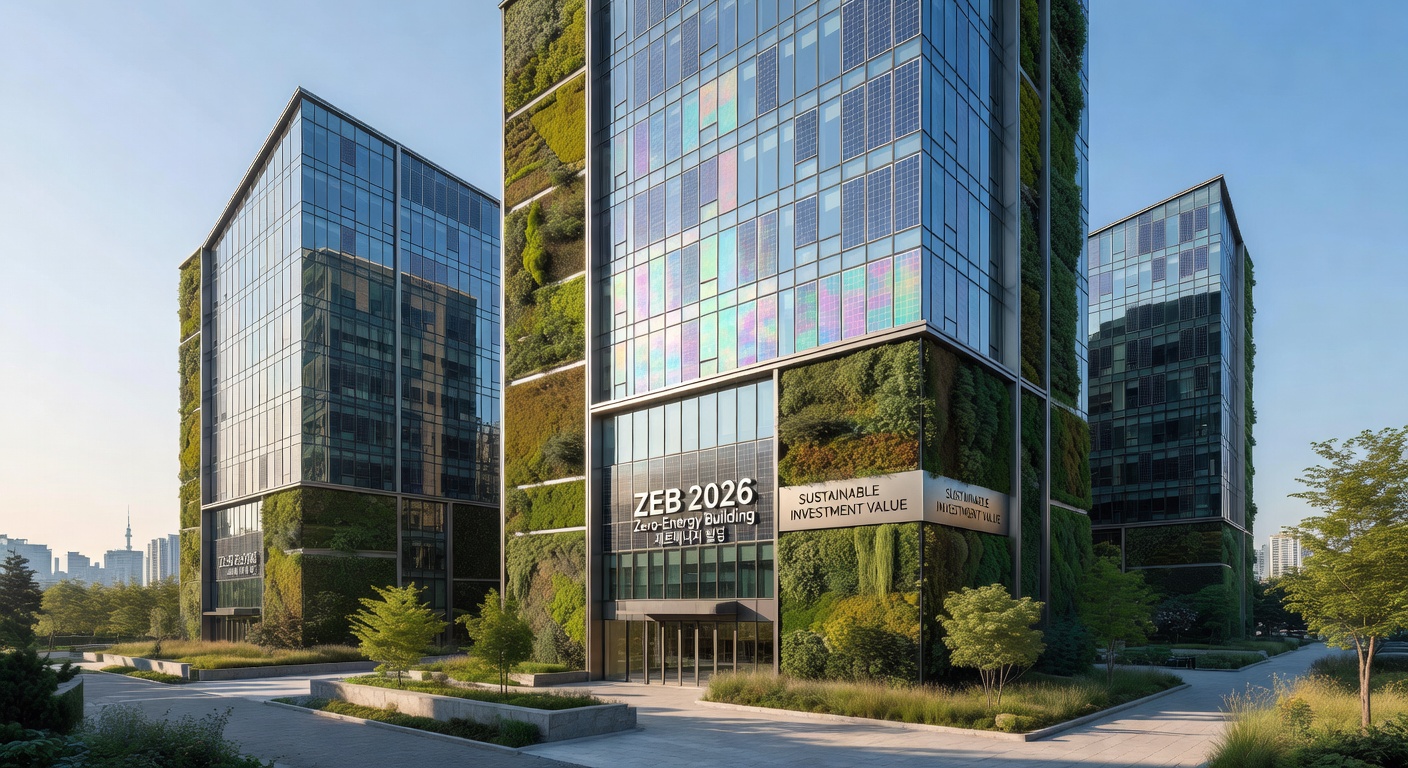
Incredible opportunities lie within the green housing sector. Savvy investors are directing Foreign Direct Investment (FDI) into Zero-Energy Building (ZEB) apartments. These next-generation homes sell for a staggering 14% to 16% premium. Because they consume near-zero energy, utility bills are drastically minimized, naturally protecting renters against South Korea inflation and housing costs.
Market Reforms and Smart Tactics
It is equally critical to avoid obsolete properties. The government has enforced stringent tenant protection laws specifically targeting older homes, effectively suffocating operational freedom. By channeling capital exclusively into brand-new residential units, investors unlock the true benefits of free market policies, allowing for flexible rental pricing and significantly higher yields.
| Investment Type | Strategy | Expected Result |
|---|---|---|
| ZEB Apartments | Buy completely new green builds. | Get a 14-16% sales price premium. |
| Variable Rate Loans | Secure funding before mid-2026. | Beat the rush when rates hit 2.0%. |
| Older Properties | Avoid due to strict tenant laws. | Save money by avoiding bad rules. |
| Distressed Assets | Use the Binjibae platform. |
Find cheap properties to rebuild. |
Supplemental Explanation: Using Tools and Reforms
Investors must capitalize on all available technological tools. The government’s newly launched online platform, Binjibae, actively tracks vacant homes across the nation. Foreign groups can meticulously scan Binjibae to uncover heavily discounted, distressed assets, tear them down, and erect highly profitable ZEB apartments.
By strictly choosing new buildings, you preserve your economic freedom to set market-driven rental prices, simultaneously shielding yourself from South Korea inflation and housing costs.

5. Expert Analysis
Korean property market economic outlook: Future Growth
Official statistics point directly toward reliable, consistent growth. The South Korean residential real estate market is on track to expand at a Compound Annual Growth Rate (CAGR) of 4.55%, ballooning from USD 366.23 billion in 2026 up to USD 457.50 billion by 2031. This momentum is heavily propelled by massive, unfulfilled demand for professionally managed corporate rental homes.
Seoul real estate price trends analysis: The Foreign Edge
Local buyers are feeling suffocated, lacking true purchasing power due to DSR constraints. Conversely, the Seoul real estate price trends analysis paints a picture of a pristine playground for external capital. Large global funds are actively leveraging this market divergence to shield their portfolios from wild Western market swings, buying top-tier properties while local money waits on the sidelines.
Free Market Policies and Shifting Demands
According to Mordor Intelligence, “A decisive policy pivot toward institutionally managed rental housing, coupled with shifting household structures and carbon-neutral construction mandates, is redefining demand fundamentals.”
This transition explicitly indicates that the market is primed for large-scale professional landlords executing corporate strategies.
| Market Metric | 2026 Start Value | 2031 Expected Value | Growth Rate (CAGR) |
|---|---|---|---|
| Total Market Value | USD 366.23 Billion | USD 457.50 Billion | 4.55% |
| ZEB Premium | 14% Extra Value | 16%+ Extra Value | Fast Growth |
| Base Interest Rate | 2.75% – 3.0% | Normalizing | Dropping then steady |

6. Conclusion & Next Steps
Summary of the South Korea housing market forecast 2026
The 2026 South Korean property landscape is presenting a fleeting, pivotal moment. As national home prices flatten out under regulatory weight, premium homes in Seoul continuously appreciate. This split creates amazingly targeted opportunities for foreign money, heavily amplified by the central bank’s aggressive push to make borrowing cheaper.
Capitalizing on the Korean property market economic outlook
Decision-makers must reassess and update their East Asian real estate strategies immediately. Prepare for the significant mid-2026 rate cut to 2.0% by securing positions now. Engaging with institutional networks and staying abreast of real-time policy adjustments will differentiate the winners from the followers.
Western Alliances and Final Thoughts
Ultimately, South Korea serves as a shining example of functioning free-market policies in Asia. By standing firmly within Western alliances, the nation vehemently protects your capital from the dangers typically associated with authoritarian regimes. Invest confidently in a robust, capitalist democracy.
| Action Step | Why Do It Now? | Expected Benefit |
|---|---|---|
| Reassess Asian Portfolios | Rates will drop to 2.0% soon. | Get cheaper loan terms early. |
| Target Seoul Real Estate | City prices rising up to 4.3%. | Secure high-value urban assets. |
| Invest in ZEB Buildings | High tenant demand and low bills. | Earn a 14-16% yield premium. |
7. Frequently Asked Questions (FAQ)
Q1. Why is the South Korea housing market forecast 2026 considered “divided”?
A: The market is fundamentally split because tight government borrowing rules (like the Debt Service Ratio) prevent local citizens from buying, causing national property values to decline. In stark contrast, wealthy foreign buyers and institutional investors unaffected by these rules are rapidly buying up luxury properties in Seoul, driving urban prices higher.
Q2. How is the Bank of Korea’s interest rate policy affecting foreign investment?
A: Unlike Western nations struggling with high, sticky inflation, the Bank of Korea is aggressively slashing interest rates, aiming for a 2.0% target by mid-2026. This dovish approach allows foreign corporations and funds to borrow money incredibly cheaply, expanding their asset portfolios before the rates drop completely and local competition returns.
Q3. What are ZEB apartments and why are they highly recommended?
A: ZEB stands for Zero-Energy Building. These are modern, environmentally friendly properties engineered to consume almost zero external energy. For investors, purchasing brand-new ZEB properties yields a massive 14% to 16% sales price premium and helps entirely bypass stringent tenant protection laws affecting older buildings.
Q4. Is it safe to invest capital into the South Korean real estate market?
A: Yes. South Korea scores remarkably high on international economic freedom indices. By maintaining strong ties to Western alliances such as the US and NATO, the country protects private property rights and shields foreign investments from sudden bureaucratic asset seizures commonly seen in neighboring authoritarian regimes.