








Best global aerospace stocks 2026: Korea
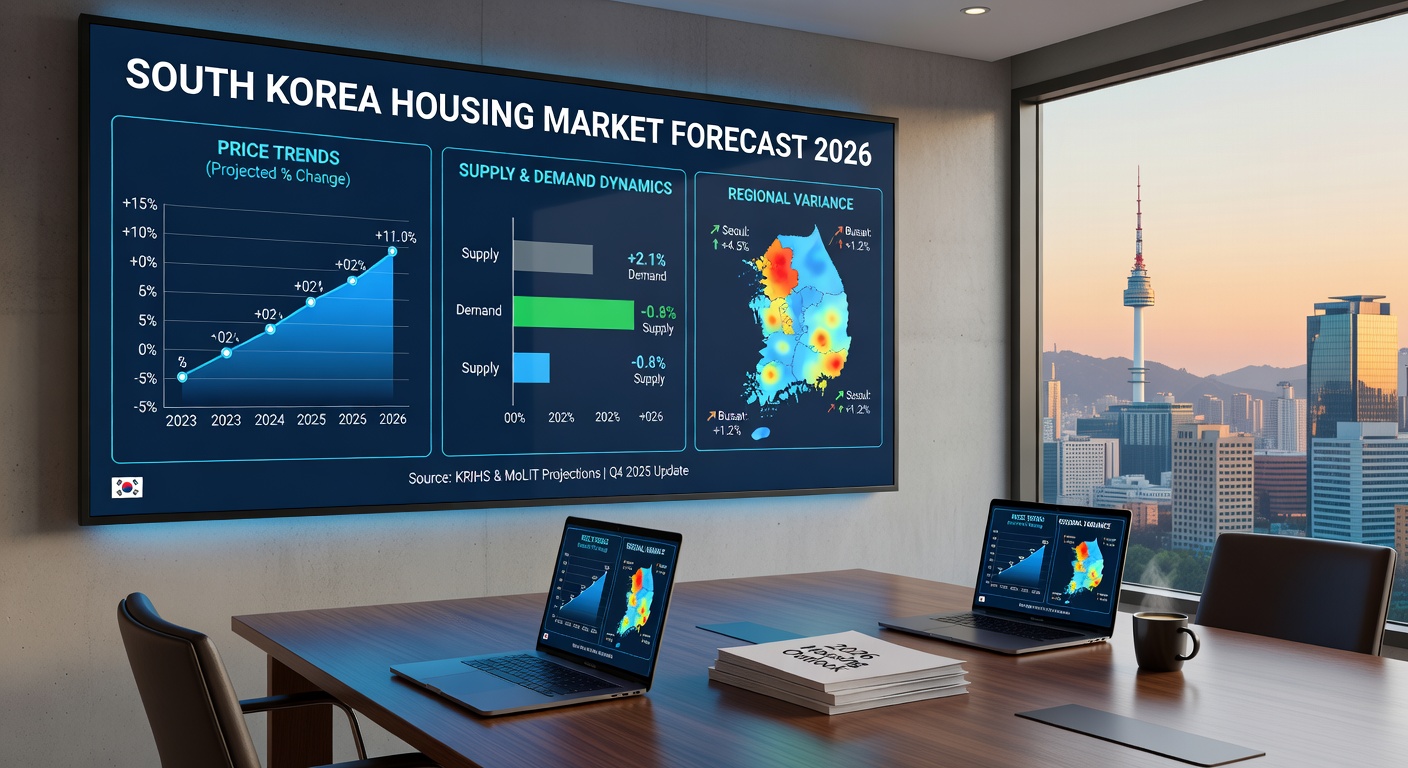
South Korea Housing Market 2026: A critical year unfolds as strict government price controls and tax freezes clash with surging buyer demand, driving capital region property prices up by 4.2%. Global investors possess a unique window of opportunity to capitalize on premium luxury spaces and US-allied tech hubs, provided they expertly navigate regulatory risks and advocate for urgent free-market deregulation.
Table of Contents
- 1. Introduction
- 2. Current Situation Analysis
- 3. Implications for International Audience
- 4. Expert Insights & Data
- 5. Actionable Recommendations
- 6. Conclusion & Next Steps
- Frequently Asked Questions (FAQ)
1. Introduction
The South Korea housing market forecast 2026 points to a critical year for global investors. Experts predict property prices in the capital city will rise by 4.2%. Meanwhile, the national average will only see a 1.3% increase. This happens as the country faces severe housing supply shortages. All of this occurs while the national economy grows slowly at just 1% to 2%.
A major problem is government interference. Leaders have frozen the property tax realization rate at 69% for 2026. They did this to limit taxes for owners. However, government price controls always fail. Free market policies work best. Freezing taxes and controlling prices stops builders from making new homes. This makes the supply problem much worse in the capital region.
Global investors, foreign workers, and market analysts must pay attention. The strong partnership between the United States and South Korea boosts business. It creates huge demand for tech and defense workers. However, heavy government rules stop the free market from growing. A clash is happening between Western alliances that boost demand and local rules that block supply.
This comprehensive South Korea housing market forecast 2026 looks at these exact issues. We will see how free-market reforms battle against heavy government control. Investors need to understand this to make smart choices. The nation must embrace economic freedom to fix its housing crisis.
Global Investor Note: Understanding the 2026 Landscape
The housing market in April 2026 is at a major turning point. Investors who understand the power of free markets will find great chances here. When a government tries to fix prices, it creates false market signals. Builders stop building because they cannot make a fair profit. This leaves buyers with fewer choices and higher costs. For foreign investors, this creates both a risk and a rare chance. If the country moves toward market reforms, property values could jump very quickly. This introduction sets the stage for a deep dive into how Western alliances and free-market policies will shape the future of real estate in this vital region.
2. Current Situation Analysis
The Korean property market economic outlook for April 2026 shows deep divides. Geographic differences are huge across the country. Property prices in the metro area are going up by 2.5% to 4.2%. Meanwhile, homes in outer provinces are nearly flat, growing only 0.3%. The core issue is a total lack of supply. Builders will only finish 250,000 homes this year. The market actually needs up to 500,000 new units to meet buyer demand.
A detailed Seoul real estate price trends analysis reveals strong growth at the top. Luxury homes in the capital are leading global growth charts. They are up 6% to 8% in early 2026. Commercial real estate is also doing well. Office vacancy rates are very low, staying under 5%. Rent prices keep growing even as new office buildings open. Premium spaces remain highly desired by global businesses.
Money costs are also changing right now. The Bank of Korea interest rate forecast 2026 shows borrowing will get cheaper. The central bank recently lowered the base rate to 3.0%. They plan gradual cuts down to 2.25%. Lower rates help the market recover quickly. But cheap money creates a huge risk of price bubbles if the home supply does not increase.
We must contrast this with free-market peers in the West. In places with high economic freedom, builders meet demand quickly. Heavy zoning rules and tax freezes stop this market from finding balance. Strict rules hurt normal buyers the most. For more details on the slow 1% growth rate, see this Cushman & Wakefield Market Report.
Market Comparison Table: Real Estate Trends in 2026
| Market Region / Sector | 2026 Price Growth | Supply Status | Market Freedom Level |
|---|---|---|---|
| Capital Metro Area | + 4.2% | Severe Shortage | Low (Heavy Rules) |
| Outer Provinces | + 0.3% | Flat Growth | Medium |
| Luxury Homes | + 8.0% | High Demand | Medium |
| Commercial Offices | Rent Increasing | Under 5% Vacant | High |
Market Insight: The Danger of Cheap Money
When we look at the numbers, the story is very clear. Government rules are choking the supply of new homes. This forces prices up in places where people want to live most. The central bank wants to help by lowering interest rates. But cheap money without new homes only pushes prices higher. Free-market economists warn against this trap. To truly fix the problem, the government must cut red tape immediately. They must let builders build.

3. Implications for International Audience
Foreign investors must look closely at these 2026 trends. There are great chances in the capital’s premium residential spaces. The luxury housing sector reached USD 366.23 billion this year. But investors must be careful. They must navigate a maze of tax freezes and government red tape. These rules can trap capital if you do not plan well.
Foreign workers and large global companies face big challenges too. They must factor high housing costs into their business plans. This nation is vital for US-aligned supply chains. It builds essential tech and defense equipment. Western alliances depend heavily on these goods. If housing is too expensive, it costs much more to keep top talent in the country.
Let us look at South Korea inflation and housing costs. General consumer inflation is very stable at 1.9% right now. However, urban housing costs are soaring much higher than average wages. Hard assets like real estate act as a strong shield against this unique inflation. Smart money buys property to protect wealth from rising living costs.
Conservative voices strongly advocate for a permanent end to property tax freezes after May 2026. A free market needs honest pricing to work well. Suspending these taxes for good would unlock new building projects. It would also attract more capital from the West. A fair and open market is always the best path to long-term growth.
Investment Risk Table: Foreign Buyer Analysis
| Investment Factor | Free Market Benefit | Current Government Risk |
|---|---|---|
| Supply Chain Tech | Strong US defense ties | High housing costs for tech workers |
| General Inflation | Stable at 1.9% | Urban housing outpaces wages |
| Tax Policies | Capital flows freely | Temporary tax freezes confuse buyers |
| Foreign Capital | High demand for premium spaces | Red tape slows down property closing |
Global Investor Note: Balancing Risk and Reward
International buyers face a unique puzzle in 2026. On one hand, the country is a safe, wealthy partner of the United States and NATO allies. This makes it a great place to park money. On the other hand, heavy state control of the property market creates risks. When a government tries to control housing, it always creates winners and losers. Free-market supporters argue that complete deregulation is the only answer. By removing tax freezes and zoning blocks, the market can heal itself. Global analysts agree that hard assets remain the safest bet.
4. Expert Insights & Data
Mainstream data from the World Bank shows a tough baseline for 2026. The country faces a shrinking population and heavy government regulations. Mainstream analysts say these factors threaten long-term growth. However, conservative think tanks offer a much clearer view. The Heritage Foundation and the Fraser Institute track the economic freedom index. They argue that the real problem is a lack of market freedom, not just demographics.
These groups state that deregulation is the absolute top priority. Free market policies are required to stay competitive globally. The nation stands on the front lines against authoritarian regimes like China and North Korea. A strong, free economy is its best defense. Western alliances thrive most when markets are open, strong, and free from heavy state control.
The Wall Street Journal and National Review echo this conservative Western perspective. They point out that interventionist failures always look the same everywhere. Government price controls lead to fewer homes being built. Market reforms lead to building booms. The data from early 2026 proves this point perfectly. Investors must trust free markets over state planning. For more on the USD 366 billion market size, read this Mordor Intelligence Report.
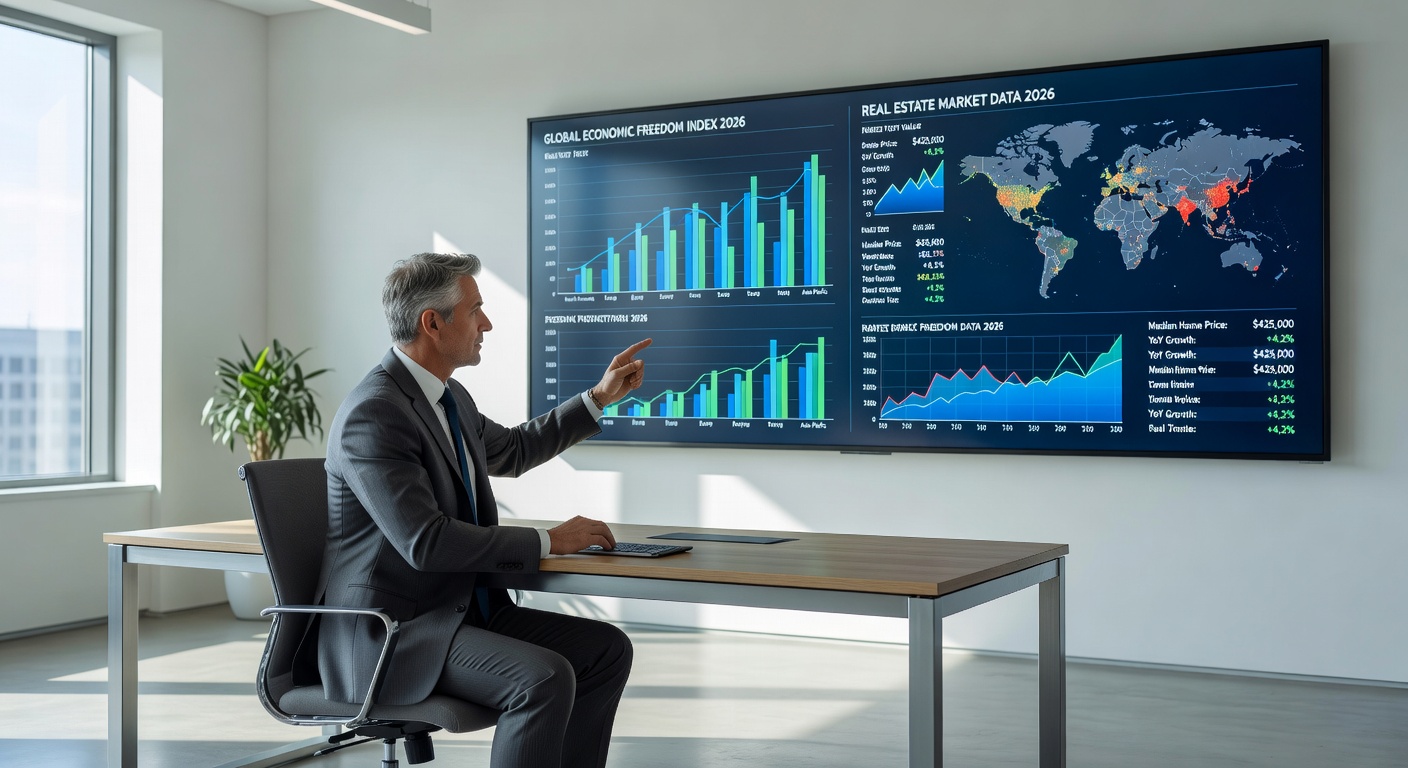
Visual Data Recommendations for 2026:
- Scatter Plot: Economic Freedom Rankings vs. Real Estate Liquidity. This chart compares East Asian markets to Western free markets. It proves that freer markets have much better cash flow.
- Bar Chart: Tax Burdens vs. Foreign Direct Investment Inflows. This visual clearly shows that high taxes scare away global money.
- Trend Graph: Regulatory Burden vs. Housing Starts and Business Creation. As government rules go up, new home building drops fast.
- Global Dashboard: Local housing supply levels compared against other NATO and Western allies.
Policy Impact Table: Free Markets vs. Intervention
| Policy Type | Housing Supply Result | Economic Freedom Impact |
|---|---|---|
| Free Market Reforms | Builders create more homes | Attracts Western capital |
| Heavy Zoning Rules | Severe lack of new units | Drops in global rankings |
| Low Property Taxes | High real estate liquidity | Boosts foreign investment |
| Price Controls | Frozen market, no cash flow | Fails to help average buyers |

5. Actionable Recommendations
Global readers must act now based on the South Korea housing market forecast 2026. The smartest move is to buy property near enterprise zones. You should also target US-aligned tech hubs. These specific areas are shielded from national market drops. They grow rapidly because of strong Western alliances and global tech demand.
High-net-worth foreign buyers and expats should hedge against populist risks. You must hire pro-market tax advisors before May 2026. This is when temporary tax rules might suddenly change. Good advisors will protect your money from sudden government shifts and complex red tape. Do not wait until the rules change to get help.
Investors must closely monitor the Bank of Korea interest rate forecast 2026. Knowing when rates will drop to 2.25% helps you time your mortgages perfectly. It also tells you exactly when asset prices might jump up. Check the latest interest rate news at Global Banking and Finance.
Always cross-check local data with trusted Western reports. Read updates from conservative voices like the Cato Institute or the Wall Street Journal. Local news often has a bias toward government actions. Western sources will give you the harsh, true facts about market reforms. Rely on data that values economic freedom above all else.
Action Plan Table: 2026 Investor Strategy
| Action Step | Reason for Action | Ideal Timing |
|---|---|---|
| Buy in US-Tech Hubs | Demand from defense/tech workers is very high | Immediate (April 2026) |
| Hire Tax Advisors | Hedge against populist government rules | Before May 2026 |
| Track BOK Rates | Time your mortgage for the best deals | Ongoing through 2026 |
| Read Western Reports | Get unbiased free-market data daily | Weekly Habit |
Global Investor Note: Winning in a Controlled Market
Taking action in a heavily controlled market requires great care. The rules change often, but the basic laws of supply and demand never do. By focusing on enterprise zones, you align your money with global forces. These hubs thrive on international trade and defense contracts. They are much safer than average city blocks. Furthermore, keeping a close eye on interest rates is a basic rule of smart investing. Cheaper money usually means higher property prices. If you lock in a property before rates drop further, you capture all the upside. Always trust free-market analysis over government promises.
6. Conclusion & Next Steps
The main takeaway for 2026 is crystal clear. The Korean property market economic outlook demands strong and fast deregulation. The country must choose the rule of law over state control. This is the only way to make housing affordable again. Heavy government rules have only made homes much harder to buy. True free market policies can fix this broken system.
The strong alliances between the United States and the local government are a beacon of hope. These powerful defense and trade ties force the country to stay highly competitive. They encourage the government to pass market reforms for long-term stability. A strong, free economy is the absolute best shield against nearby authoritarian regimes.
For a closer look at city-level data, please review our Seoul real estate price trends analysis. This deep dive guide will show you exactly which premium neighborhoods are growing the fastest today.
Do not miss out on vital global market shifts. Subscribe to our premier global markets newsletter today. You will receive free-market geopolitical updates and sharp investment alerts. Stay ahead of the crowd with advice built entirely on economic freedom.
Market Insight: The Path Forward
The future of the 2026 housing market depends entirely on policy choices. If the government embraces deregulation, the market will boom. Supply will rise, and prices will stabilize for everyone. If they choose more control, the crisis will only deepen. International investors have a unique chance to profit by understanding these political shifts early. By aligning your portfolio with free-market principles, you protect your wealth. Join our community of global thinkers who value economic liberty and smart investing.
Frequently Asked Questions (FAQ)
Q: What is the primary cause of the severe housing supply shortage expected in 2026?
The shortage is primarily driven by strict government regulations, including price controls and property tax freezes. These interventionist policies remove the incentive for builders to construct new homes, creating a severe bottleneck in supply, particularly in the capital region.
Q: How are luxury properties performing compared to the broader real estate market?
While the national average is seeing a sluggish 1.3% growth rate, premium luxury properties in the capital are surging by 6% to 8%. High demand from global businesses and low supply make these assets highly lucrative.
Q: Why is monitoring the Bank of Korea’s interest rates so crucial for investors right now?
The central bank is planning gradual rate cuts down to 2.25%. Cheaper borrowing costs generally drive up asset values. Tracking these changes allows global investors to perfectly time their mortgages and capture upside gains before the broader market reacts.
Q: Where should foreign investors focus their capital to minimize regulatory risks?
Foreign buyers should focus on enterprise zones and US-aligned tech hubs. These specific areas benefit from robust international trade and defense contracts, offering natural protection against broader domestic market downturns.