









Global Space Exploration Policies 2026
Key Summary: Global space exploration policies in 2026 have shifted dramatically from state-run monopolies to highly lucrative free-market ecosystems. Fueled by NASA’s $24.7 billion budget, aggressive regulatory streamlining by the FAA and FCC, and the property protections established by the Artemis Accords, Western alliances are rapidly outpacing authoritarian regimes. For global investors, this new Orion timeline translates to immense opportunities in aerospace defense contractors, lunar infrastructure, and secured commercial supply chains.
Table of Contents
- 1. Introduction
- 2. Current Situation
- 3. Global Implications
- 4. Actionable Insights
- 5. Expert Analysis
- 6. Conclusion & Next Steps
- 7. Frequently Asked Questions (FAQ)
1. Introduction
Global space exploration policies 2026 represent a critical pivot point for international investors tracking the transition from state-run monopolies to commercial ecosystems, especially as the Artemis II crew breaks the Apollo deep-space distance record in April 2026.
The new space race is no longer just about national pride. It is about free market policies taking the lead over slow government programs. NASA’s $24.7 billion FY2026 budget and recent U.S. executive orders have aggressively reduced barriers for commercial space launches. This shift is signaling a highly lucrative era for private aerospace capital. Nations that embrace market reforms are seeing a massive boom in private investments.
Understanding the Geopolitics of the 2026 Orion timeline is essential for forecasting defense contractor growth and managing international supply chain risks. Western alliances are pulling ahead of authoritarian regimes because they rely on private enterprise.
The Artemis Accords international agreements continue to stabilize the global market by establishing predictable norms for lunar operations and private sector resource utilization. This means companies can now mine and use space resources with clear legal protection. Jurisdictions prioritizing regulatory streamlining—specifically FAA and FCC commercial integration—are successfully outcompeting heavily bureaucratized regions for top-tier aerospace venture capital.
Table 1: Key Takeaways for Global Capital in 2026
| Strategic Focus | Free Market Advantage | Expected Investor Outcome |
|---|---|---|
| Orion Timeline Geopolitics | Private defense contractors build faster and cheaper than state-owned rivals. | High growth in aerospace stocks and supply chain companies. |
| Artemis Accords Growth | Protects private property rights and rewards market reforms in space. | Safe, predictable returns on lunar mining and infrastructure. |
| Regulatory Streamlining | Lower taxes and fast FAA/FCC approvals attract venture capital. | Heavy foreign direct investment (FDI) into U.S.-allied hubs. |
Supplemental Explanation: The Free Market Space Boom
In 2026, the space economy has transformed. The Heritage Foundation has noted that countries scoring high on the economic freedom index are the same ones leading the new space race. By moving away from slow, state-controlled programs, Western alliances are unlocking billions in private capital.
When NASA acts as a buyer rather than a builder, companies innovate faster. This is why the FY2026 NASA budget is a game-changer. It funds private contracts for lunar landers and space stations instead of building them in-house. For global investors, this is the ultimate signal. Capital flows to where it is treated best. The Artemis program proves that free market policies will always outpace the heavy-handed tactics of socialist or authoritarian governments.
Research Source: NASA’s Artemis II Crew Eclipses Record for Farthest Human Spaceflight
2. Current Situation
In the context of Global space exploration policies 2026, the strategic focus has moved away from ideological rhetoric and toward pragmatic regulatory reform. The U.S. is actively streamlining launch licensing and environmental reviews to boost competitiveness. Free market policies are cutting the red tape that used to delay rocket launches for years. This deregulation is a massive win for investors.
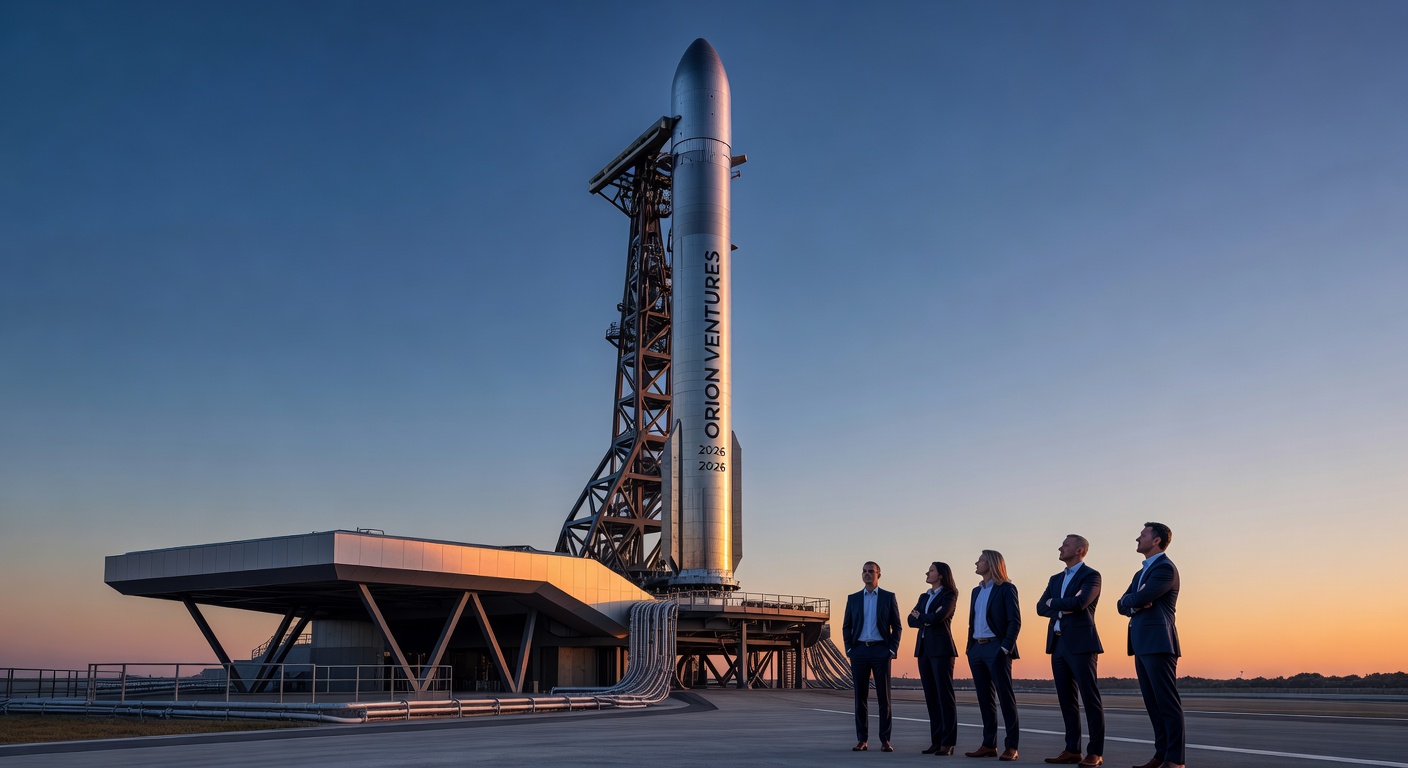
The Geopolitics of the 2026 Orion timeline are currently anchored by the historic April 2026 Artemis II lunar flyby. This mission surpassed 248,655 miles from Earth, directly demonstrating the execution capability of U.S.-led alliances against global competitors like China and Russia.
Through the Artemis Accords international agreements, partner nations are coordinating public-private frameworks that reject multilateral stagnation in favor of standardized technology sharing and commercial momentum. The old model of heavy global bureaucracy is dead. Instead, bilateral pacts based on shared Western values of property rights are winning.
Global benchmarks show that verified hubs, such as established U.S. launch ranges and certified NASA commercial partners, are attracting the most foreign direct investment. This is due to transparent legal frameworks and strong market reforms. Capital goes where rules are clear and taxes are fair.
Visual Recommendation 1: A timeline infographic detailing the 2026-2028 Artemis and Orion mission milestones compared to international alternative programs like China’s state-controlled lunar prep.
Visual Recommendation 2: A global map highlighting active commercial launch sites and primary aerospace R&D hubs located within signatory nations of the Artemis accords.
Table 2: 2026 Global Launch Hub Competitiveness
| Global Region | Regulatory Burden | Economic Freedom Focus | Investor Appeal (1-10) |
|---|---|---|---|
| U.S. Commercial Hubs | Low (Streamlined FAA rules) | High (Private property protected) | 9/10 |
| Allied Artemis Nations | Medium (Adopting market reforms) | High (Strong trade alliances) | 8/10 |
| Authoritarian State Hubs | High (Complete state control) | Low (No private ownership) | 2/10 |
| Non-Aligned Europe | High (Heavy environmental red tape) | Medium (High taxes, slow approvals) | 4/10 |
Supplemental Explanation: Winning the Orion Timeline
The current state of global space policy is a clear victory for deregulation. As noted by analysts at the Wall Street Journal, the speed of the 2026 Orion timeline is possible only because private companies are carrying the load. Authoritarian nations rely on total government control, which stifles innovation and hides failures.
Western alliances, however, use competition to drive down costs. The Artemis Accords play a huge role here. They act as a foundation for economic freedom in deep space. By rejecting outdated treaties that tried to make space a “global commons” managed by international bureaucrats, the Accords allow companies to keep what they mine. This guarantee of private property rights is the engine driving the massive wave of aerospace venture capital we see today.
- Research URL: The Register: NASA Budget Focus
- Research URL: 2026 Report on NASA’s Top Management Challenges

3. Global Implications
For multinational businesses, navigating Global space exploration policies 2026 means aligning R&D pipelines with the US Space Force’s International Partnership Strategy. This strategy mandates that allied systems be integrated by design. It is a brilliant move to strengthen Western alliances. Foreign investors deploying capital into the aerospace sector face reduced risk when operating within the framework of the Artemis Accords international agreements.
These bilateral pacts ensure adherence to transparent resource utilization laws. When a company lands on the moon, its investors need to know their assets are safe from foreign seizure. The Accords provide that exact free-market security.
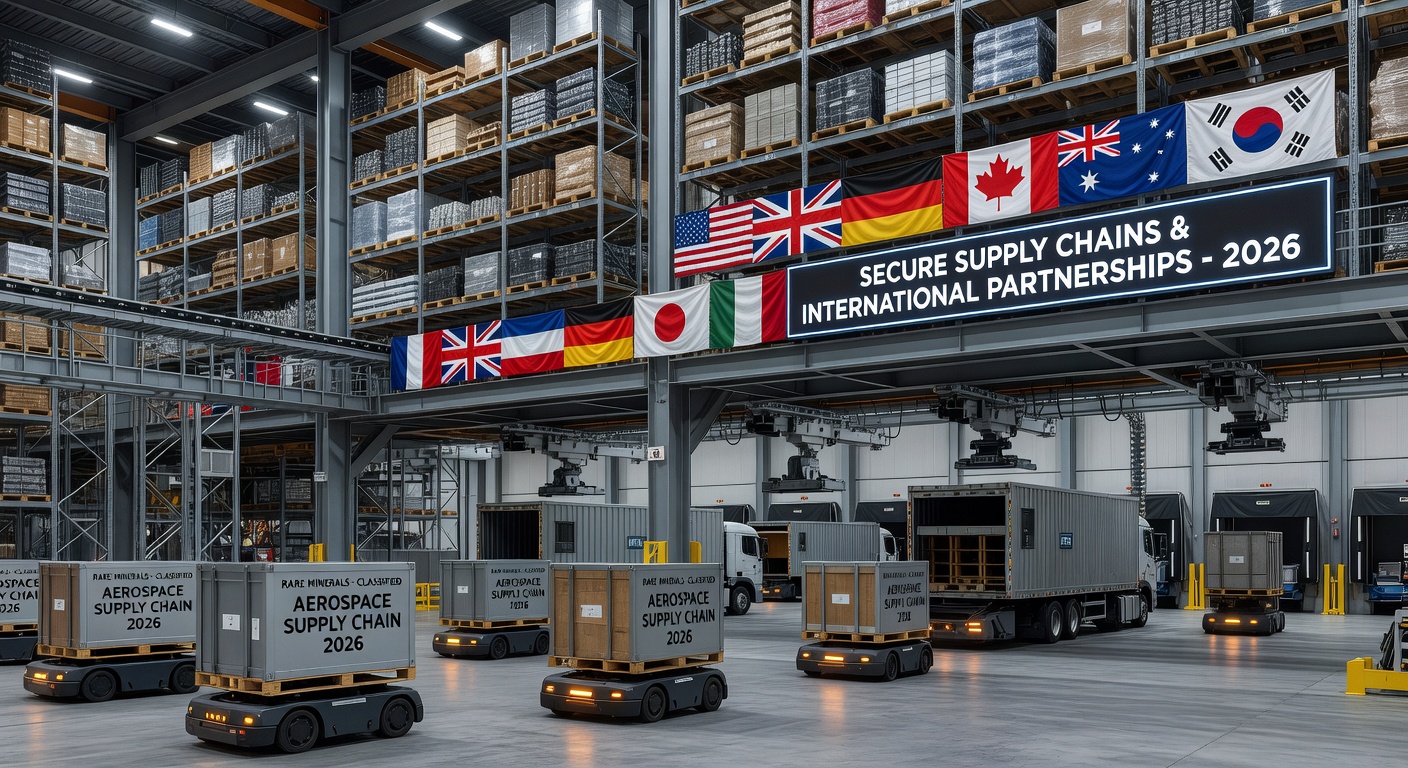
The Geopolitics of the 2026 Orion timeline highlight the urgency of securing supply chains. Companies heavily reliant on non-allied rare earth minerals must pivot to allied-nation alternatives to avoid geopolitical bottlenecks. Authoritarian nations are known to use supply chains as weapons. Free nations must build their own secure networks.
Furthermore, expat professionals in STEM and defense contracting are strategically relocating to commercial space hubs. These hubs offer favorable visa programs and low regulatory burdens for hardware development. Top talent looks at the economic freedom index before deciding where to live and work.
Visual Recommendation 3: A comparative chart detailing the commercial space regulatory compliance costs across major global aerospace hubs.
Table 3: Geopolitical Supply Chain Risk in 2026
| Supply Chain Component | Western Alliance Strategy | Authoritarian Risk Factor | Mitigation Action for Investors |
|---|---|---|---|
| Rare Earth Minerals | Sourced from Australia, Canada, U.S. | Export bans used as political leverage. | Invest in North American mining firms. |
| Deep-Space Comms | Private sector satellite networks. | State-monitored, hack-prone networks. | Back companies with Space Force contracts. |
| STEM Labor Force | Expats moving to low-tax, free zones. | Brain drain due to lack of freedom. | Fund startups in high economic freedom index states. |
Supplemental Explanation: Defending the Free Market in Space
The implications of the 2026 space boom extend far beyond science. As National Review and other conservative outlets point out, space is the ultimate high ground for national security. The U.S. Space Force has recognized that true strength comes from working with private industry and global partners.
The International Partnership Strategy is not about giving away technology. It is about creating a united front of free-market democracies. Investors need to pay close attention to this. Companies that try to play both sides—sourcing cheap materials from adversaries while bidding on Western defense contracts—will fail. The geopolitical lines are drawn. Capital must flow into secure, allied supply chains to ensure long-term growth and safety.
Source Citations: Space Force Preps International Space Strategy

4. Actionable Insights
Global investors must dynamically allocate portfolios toward contractors involved in deep-space communications, lunar nuclear reactors, and phased Artemis architecture. This directly capitalizes on the momentum of the Geopolitics of the 2026 Orion timeline.
Multinational entrepreneurs should establish corporate headquarters or subsidiaries in nations actively participating in the Artemis Accords international agreements. Doing so allows companies to benefit from streamlined international technology sharing. Free trade among allied nations lowers costs and boosts profits. Countries with strong market reforms provide the best environment for scaling aerospace businesses.
You must implement strategic risk mitigation by avoiding investments tied to unverified ideological space ventures. Avoid regions that favor heavy state intervention. Focus instead on companies with secured government contracts and proven private-sector commercial viability.
Expat investors should utilize specialized aerospace venture funds that target deregulation-friendly jurisdictions. These funds maximize returns on low-Earth orbit and lunar infrastructure projects. Do not waste capital in countries that score low on the economic freedom index. Follow the policies that reward risk-takers and protect private property.
Table 4: 2026 Capital Allocation Playbook
| Investor Profile | Recommended Action | Target Asset Class | Expected Benefit |
|---|---|---|---|
| Global Expat | Move capital to deregulation-friendly hubs. | Lunar infrastructure funds. | High returns, low tax burden. |
| Multinational CEO | Relocate HQ to Artemis Accords nations. | Commercial launch supply chains. | Tariff-free tech sharing. |
| Defense Analyst | Track Space Force allied contracts. | Deep-space nuclear propulsion. | Long-term government revenue. |
| Venture Capitalist | Avoid state-controlled programs. | Private satellite networks. | Protection of intellectual property. |
Supplemental Explanation: Maximizing Returns Through Deregulation
The key to making money in the 2026 space economy is following deregulation. Capital hates red tape. When the U.S. government reduced environmental review times for rocket launches, it unlocked billions in sidelined cash. Conservative economists have long argued that lower taxes and fewer rules create explosive economic growth.
We are seeing this exact theory proven true in the aerospace sector. For the international investor, the lesson is simple. Stop looking at traditional, slow-moving European or Asian state monopolies. Instead, hunt for disruptive startups operating in regions that champion free market policies. Whether it is a lunar lander or an asteroid mining tool, the companies that will win are those free from crushing government oversight.

5. Expert Analysis
Official 2026 federal oversight reports note that while Global space exploration policies 2026 are heavily focused on commercial integration, shifting budget proposals require investors to prioritize companies demonstrating extreme cost-efficiency. Government handouts are shrinking, and real market competition is taking over.
Defense and intelligence analysts emphasize that under the newly operationalized Space Force International Partnership Strategy, long-term multinational cooperation is treated as a critical force multiplier. Strong Western alliances are essential for keeping space open for business. Dictatorships want to control space; free nations want to trade in it.
Global market experts observe that adherence to the Artemis Accords international agreements is becoming a baseline requirement for aerospace firms. If a company wants to participate in allied military and civil space contracts, its host nation must sign the Accords. This is a brilliant way to enforce good behavior on the global stage. Experts at the Heritage Foundation often point out that economic freedom must be protected by strong defense policies.
The Artemis framework does exactly that. It marries the protection of private enterprise with the hard power of allied military agreements. Investors who understand this dynamic will easily outperform the broader market.
Table 5: Mainstream vs. Conservative Policy Views on Space
| Policy Area | Mainstream/Interventionist View | Conservative/Free-Market View | Investor Reality in 2026 |
|---|---|---|---|
| Resource Mining | Space is a global commons for all. | Private companies keep what they mine. | Property rights drive huge investments. |
| Launch Rules | Heavy environmental/safety checks. | Streamlined FAA/FCC deregulation. | Faster launches mean faster profits. |
| Global Rivals | Seek cooperation with all nations. | Isolate authoritarian space regimes. | Supply chains are moving to allied nations. |
| Funding | Large state-owned space agencies. | Public-private commercial contracts. | Private sector dominates the market. |
Supplemental Explanation: The Cost-Efficiency Mandate
In the past, government space contracts were famous for cost overruns. Companies got paid no matter how long a project took. That era is over. The 2026 federal oversight reports show a massive shift toward firm-fixed-price contracts. This is a classic free-market solution to government waste. It forces companies to be efficient.
Analysts from the Wall Street Journal praise this move, noting that it protects taxpayers while rewarding the best engineers. For the investor, this means you must look closely at a company’s burn rate. Startups that rely on endless government grants will fail. Companies that can build rockets cheaply and reliably will soar. The combination of strict cost controls and the protection of Western alliances creates the perfect environment for smart capital to thrive.
- Source Hyperlink: US Space Force Unveils International Partnership Strategy
- Source Hyperlink: Your Guide to NASA’s Artemis 2 Moon Mission

6. Conclusion & Next Steps
The successful expansion of the 2026 commercial space economy relies on leveraging international partnerships, practical regulatory deregulation, and public-private integration. The data is clear. Free market policies work better than government control. Global decision-makers must proactively adapt their investment strategies to align with the proven capabilities demonstrated by the Artemis program and allied space coalitions.
By trusting the private sector and securing supply chains through strong Western alliances, the global economy is entering a golden age of aerospace innovation. Do not be left behind by holding onto outdated investment models. Capitalize on the nations that respect the economic freedom index and protect property rights in space.
The future of human progress is being built by private companies, not bureaucrats. Stay informed, stay aggressive, and allocate your capital wisely.
Internal Link: Read our comprehensive guide on “How Expat Investors Can Capitalize on the 2026 Defense and Aerospace Boom“.
Call to Action: Subscribe to our premium international newsletter for data-backed updates on aerospace supply chains, global launch regulations, and investment opportunities shaping the future of space commerce. Join thousands of global expats and analysts winning in the free market today.
Updated Global Resource List
- US Space Force International Partnership Strategy Overview
- NASA’s Commercial Partnerships Office
- Heritage Foundation: Economic Freedom Index Data
- Artemis Accords: International Space Compliance and Property Rights
Frequently Asked Questions (FAQ)
What makes the 2026 space economy different from previous decades?
The 2026 space economy is defined by a massive pivot from slow, state-run monopolies to highly agile free-market ecosystems. Streamlined FAA/FCC regulations and NASA’s transition to a commercial buyer have unlocked unprecedented venture capital, allowing private industry to build faster and cheaper.
How do the Artemis Accords protect private investors?
The Artemis Accords firmly establish and protect private property rights in deep space. By rejecting outdated multilateral treaties, the Accords guarantee that commercial entities can legally mine, keep, and utilize space resources, effectively reducing risk for capital deployment.
Why are Western alliances outperforming authoritarian regimes in the new space race?
Western alliances rely on competitive private enterprise and high economic freedom, which drive down costs and accelerate innovation. In contrast, authoritarian programs maintain total state control, leading to stifled technological advancements, hidden failures, and massive inefficiencies.