

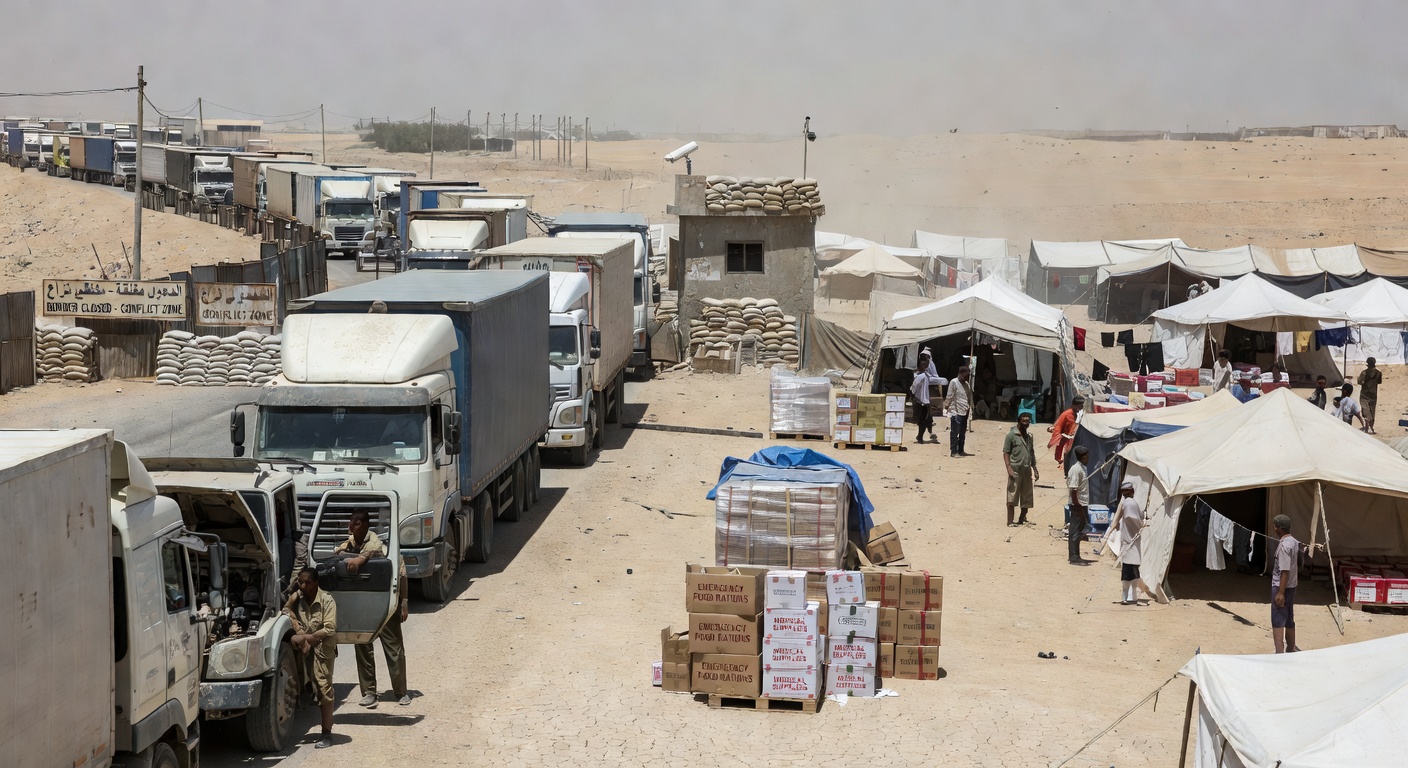
Middle East Conflict Logistics Impact
Key Summary: The 2026 Middle East conflict has triggered a severe global logistics crisis, paralyzing vital trade routes like the Strait of Hormuz and trapping over 138 container ships. With Emergency Conflict Surcharges eliminating profit margins and the “Sea-Air” transit model frozen, global investors and multinational executives must rapidly adopt agile strategies. By shifting supply chains to stable, allied nations and integrating multi-modal redundancies, businesses can safeguard their international portfolios against catastrophic state-sponsored disruption.
Table of Contents
- 1. Introduction
- 2. Current Situation
- 3. Global Implications
- 4. Actionable Insights
- 5. Expert Analysis
- 6. Conclusion & Next Steps
- 7. Frequently Asked Questions (FAQ)
1. Introduction
Understanding this Middle East conflict logistics impact is critical for global investors and multinational executives who must rapidly shield their international portfolios from crippling freight surcharges and supply chain paralysis.
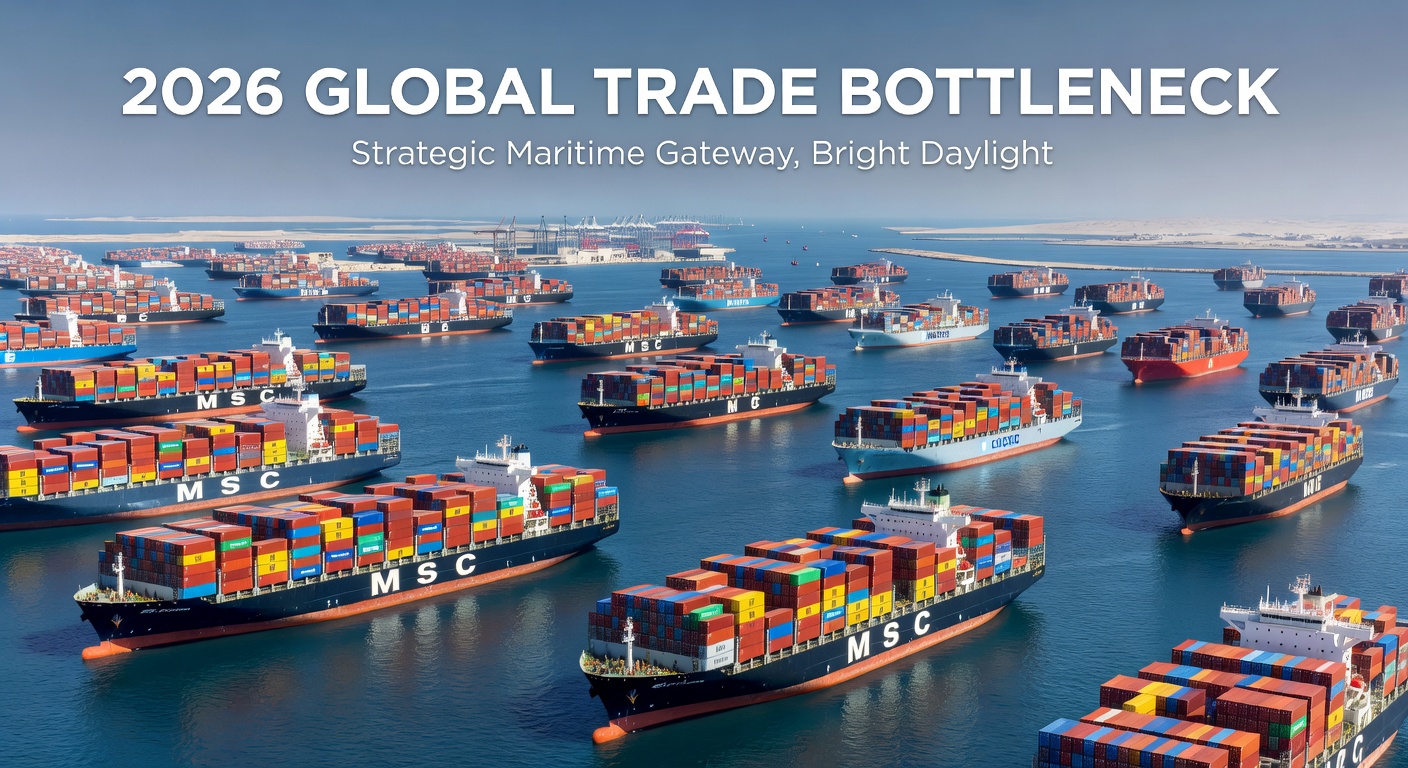
The year is 2026, and the world faces a massive trade crisis. Recent military escalation forced the complete closure of the Strait of Hormuz. The Suez Canal also suspended all transits.
Right now, more than 138 container ships are trapped in the Persian Gulf. Global trade is standing still. Hostile states and bad actors caused this mess, and Western alliances are working hard to protect these vital sea lanes.
Investors must pay attention. Free trade requires safe oceans. Readers will uncover the exact data behind the 2026 maritime shutdowns in this report. You will analyze how staggering Emergency Conflict Surcharges are eliminating profit margins.
You will also learn proven inventory routing strategies to safeguard your global investments. Free market policies work best when goods can move freely, but authoritarian regimes block this freedom. Conservative analysts strongly warn that relying on unstable regions is a bad investment.
We must look at the facts. Read the latest data from Flexport and Reuters to understand the full scope of this market disruption.
Key Takeaways for Global Stakeholders
- Maritime Shutdowns: 138 ships are currently trapped as Hormuz and Suez remain closed to free trade.
- Cost Increases: Unprecedented emergency surcharges are severely destroying international profit margins.
- Routing Strategies: Proactive investors must rapidly move goods away from dangerous conflict zones.
Supplemental Explanation
The Middle East conflict logistics impact is much more than just a shipping delay. It is a direct attack on global free enterprise. When radical groups and strict governments close vital waterways, they directly hurt consumers all over the world.
Free markets fundamentally rely on the safe and fast movement of goods. Western alliances, like NATO and the United States Navy, play a key role in keeping these waters open. Without strong naval protection, bad actors can successfully hold the global economy hostage.
This is precisely why conservative leaders push for strong military defense. Peace through strength keeps trade flowing. Global investors must understand this link between defense and profit. If ships cannot sail, businesses simply cannot make money.
By studying the current 2026 data, smart investors can protect their cash. They can aggressively move their supply chains to safer nations. Ultimately, this strategy supports countries that respect market reforms and the rule of law.
2. Current Situation
We must clearly define key market concepts for international readers to grasp the full extent of this problem. Emergency Conflict Surcharges (ECS) are severe mandatory fees applied by ocean carriers to offset extremely high geopolitical insurance risks.
Another key term is the “Sea-Air” logistics model. This is a hybrid transport strategy where ships move goods part of the way, and planes fly them the rest of the way. Sadly, this efficient model is now entirely paralyzed at vital transit hubs like Dubai.
State-sponsored chaos ruins complex supply chains. Free enterprise thrives on clear rules and predictable operations. When hostile states break these rules, shipping prices immediately explode.
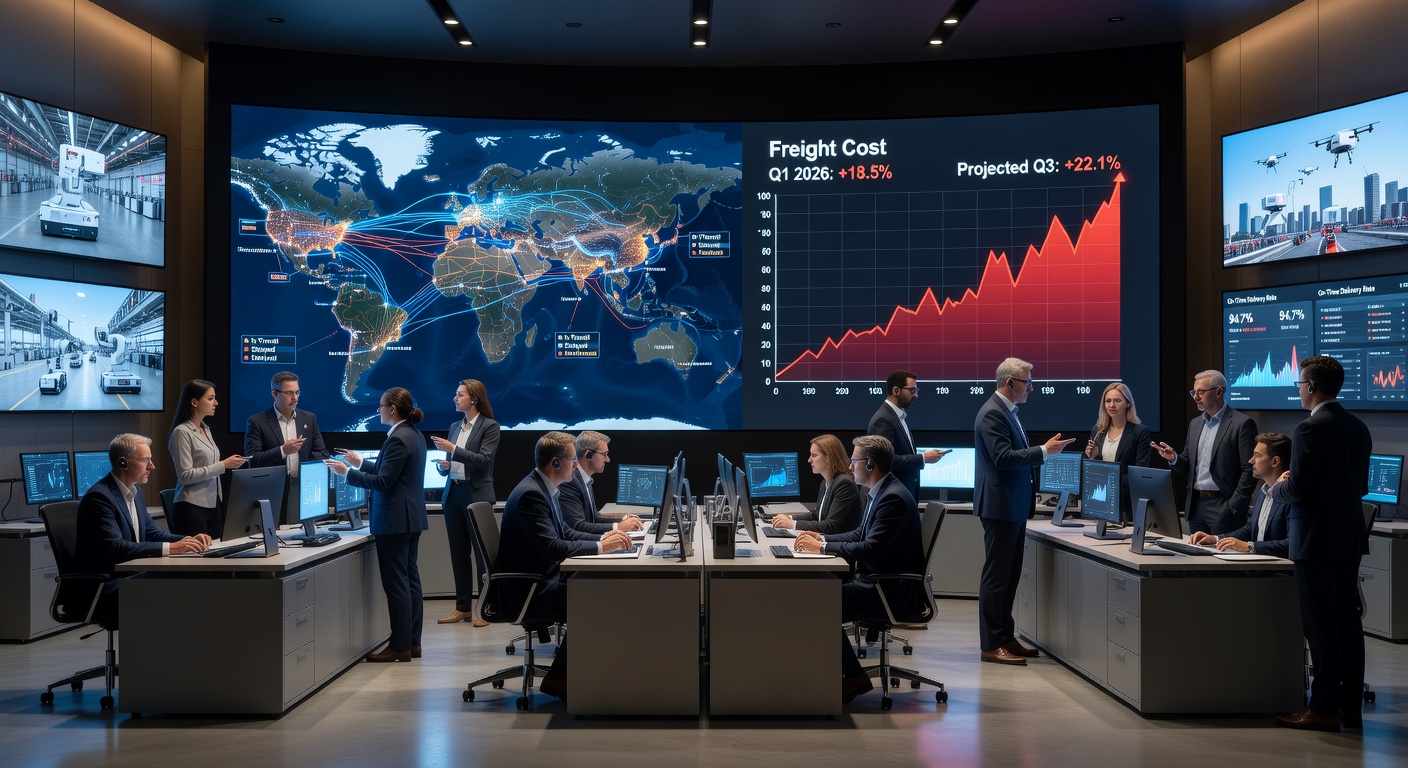
The latest 2026 data points from the target region paint a highly grim picture. Ocean carriers are strictly enforcing ECS up to $4,000 for special equipment. Air freight is also feeling the deep pain.
Early 2026 air freight spot rates from Shanghai to Europe surged 35% to 60% compared to late 2025, reaching a massive EUR 8.50 per kilogram. We strongly recommend utilizing visual data tools to map this out.
A global heatmap illustrates the current 70% reduction in vessel traffic through the Strait of Hormuz. Another great tool is an infographic tracking the real-time diversion of 470,000 TEUs of cargo entirely around the Cape of Good Hope. You can review this crucial data at Flexlogistics and Mathezfreight.
Metric Shifts & Trend Impact
- ECS (Special Equipment): Surged from $0 pre-crisis to up to $4,000, causing massive margin loss.
- Shanghai-Europe Air Freight: Spiked from EUR 5.30 per kg to EUR 8.50 per kg, representing a 35% to 60% increase.
- Strait of Hormuz Traffic: Dropped from 100% standard volume to just 30%, highlighting total supply chain paralysis.
- Cape of Good Hope Rerouting: Increased from minimal activity to 470,000 TEUs diverted, causing longer transit times.
Supplemental Explanation
The raw numbers from early 2026 show a massive market shock. The sharp rise in Emergency Conflict Surcharges acts exactly like a hidden tax on free trade. Private companies are forced to pay heavily for the security failures of weak international diplomacy.
The Wall Street Journal and other conservative voices often point out that weak foreign policy leads directly to expensive market disruptions. When hostile regimes are not kept in check, global shipping pays the ultimate price.
The “Sea-Air” model was once a brilliant free-market innovation. It combined the cheap cost of ships with the rapid speed of planes. Now, because of authoritarian violence in the Middle East, this great operational idea is frozen.
Hubs like Dubai cannot effectively process the cargo. Ships are avoiding the area completely, taking the long way around the Cape of Good Hope which costs significantly more fuel and time. This data proves unequivocally that strong Western alliances are needed to enforce maritime order. Economic freedom depends intimately on physical security.

3. Global Implications
How does this rapidly unfolding scenario impact international investors, expats, and multinational businesses? The total paralysis of key Middle Eastern airspace and maritime corridors is systematically destroying the unit economics of low-margin international products.
Foreign stakeholders must radically revise their 2026 revenue and capital deployment projections. You simply cannot make a consistent profit when baseline shipping costs double overnight.
Conservative economic models consistently show that state-caused delays hurt private business growth. Companies that depend on fast, reliable shipping are losing millions right now. The failure to stop radical aggression in the Middle East is a direct, palpable threat to global prosperity.
We must compare global benchmarks to see the whole, troubling picture. Asia-Europe trade routes currently endure extreme 70% air freight rate spikes alongside extensive transit delays.
Meanwhile, North American trade networks are experiencing a dangerous delayed reaction. Severe equipment imbalances are confidently projected to hit US markets by mid-Q2 2026. The ongoing Strait of Hormuz trade route tensions continually threaten 11% of all global maritime trade volume.
This persistent volatility creates critical vulnerabilities for multinational automotive, retail, and energy sectors heavily dependent on Asian manufacturing hubs. Moving operations to countries with a high economic freedom index remains the best defense. Find more actionable details at Dropshipchinapro and Automotive Logistics.
Regional Impacts & Free Market Solutions
- Asia-Europe Routes: Enduring 70% air freight rate spikes and a total capacity crisis. The solution is to aggressively diversify transport modes.
- North America: Seeing a delayed reaction now, but facing severe equipment imbalances soon. Businesses must increase domestic capacity.
- Automotive & Retail: With supply lines broken and factory shutdowns looming, companies must nearshore to allied nations.
- Energy Sector: 11% of sea volume is at extreme risk, guaranteeing massive price hikes. The solution is to drill domestically for energy.
Supplemental Explanation
The global implications of this Middle East conflict logistics impact are truly staggering. When authoritarian regimes successfully block 11% of all global maritime trade, they attack the very core of global capitalism.
Low-margin products simply cannot survive these massive, sudden cost increases. A company making cheap consumer goods cannot afford a $4,000 surcharge per container—this entirely wipes out their profit margin.
Western conservative thinkers correctly argue that relying heavily on hostile nations for critical trade routes is a fatal flaw. We must aggressively learn from this 2026 crisis. The Asia-Europe routes are taking the absolute biggest hit right now, but North America will soon feel the intense pain.
Empty shipping containers are stuck in the wrong parts of the world, which will undoubtedly cause huge equipment shortages in US ports very soon. The automotive and retail sectors are highly at risk.
Free market policies suggest that modern businesses should not wait for slow governments to fix this. They must act boldly now. They must shift their fragile supply chains to stable regions that respect property rights and free trade.
4. Actionable Insights
Multinational operators must take specific, proactive steps right now. You must immediately integrate extended buffer times into delivery estimates. You must bypass standard routing protocols entirely.
You must also systematically validate all new carrier bookings prior to dispatch. Do not blindly trust old schedules; the 2026 logistics map has fundamentally changed.
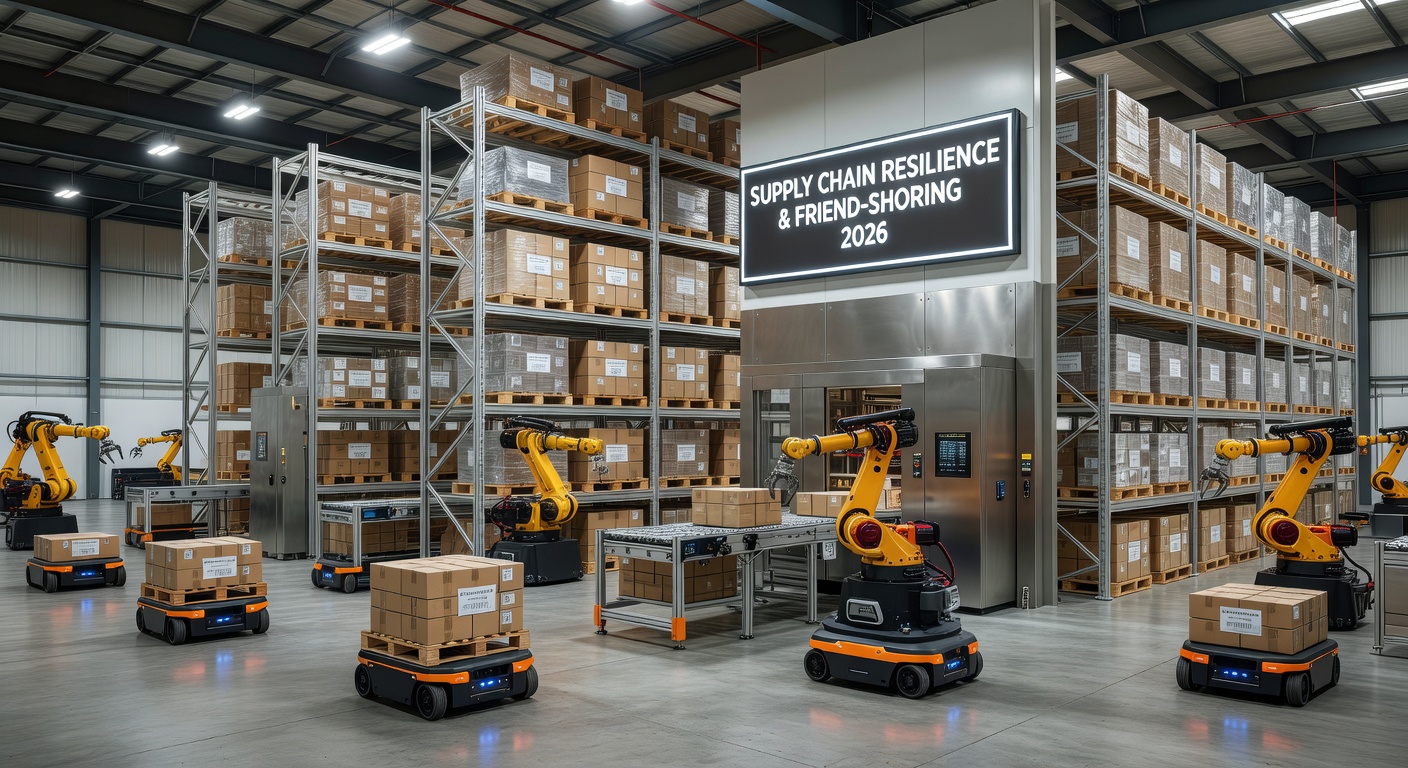
Capital should be aggressively redirected toward localized, “friend-shored” manufacturing. Build long-term logistics infrastructure in nations with strong Western alliances.
Expanding safety stock storage directly within European and North American borders is a very smart move. This lets you strategically bypass geopolitical choke points completely. Free markets always reward those who adapt fast.
Shippers and global logistics executives must closely monitor rapidly shifting global maritime security policies and aviation directives. Key carriers like Emirates SkyCargo continuously update strict restrictions on all new global shipments.
Government rules change daily, so you must stay ahead of them. Practical resources are utterly vital for success. We highly recommend enterprise implementation of real-time maritime tracking systems like Alphaliner.
You should also officially join rapid alert networks from major forwarders like Flexport and DSV. Constant oversight of airspace compliance and route viability is your best possible defense against state-driven chaos. Pro-market strategies require top-tier, real-time data.
Strategic Action Steps
- Integrate Buffer Times: Add 14-21 days to all global delivery estimates to effectively prevent costly stock-outs.
- Bypass Standard Routes: Actively route around the Cape of Good Hope to avoid trapped cargo scenarios entirely.
- Friend-Shoring Capital: Move factories to high economic freedom index countries to massively reduce geopolitical risk.
- Real-Time Tracking: Utilize Alphaliner and DSV rapid alert networks to continuously empower private sector agility.
Supplemental Explanation
Taking decisive action is the only proven way to survive the 2026 logistics crisis. Passively waiting for international committees to solve the problem is a losing strategy.
Conservative market principles teach us that private enterprise is vastly faster and smarter than state planning. By moving your operational capital to “friend-shored” locations, you actively protect your money.
Friend-shoring simply means doing business with allied countries that deeply share Western values and respect free trade. Nations with a notably high economic freedom index offer the safety and stability that businesses crave.
Expanding your safety stock heavily in North America or Europe permanently removes your reliance on dangerous Middle Eastern choke points. You must embrace the best private sector tools currently available.
Platforms like Alphaliner give you actionable, real-time data on exactly where ships are trapped. Major forwarders like Flexport and DSV successfully provide rapid alerts the moment shipping lanes close. By using these free-market tools, you can confidently route your goods safely.
You must rigorously validate every booking. You must expect and plan for delays. Do not, under any circumstances, let authoritarian regimes control your business destiny.

5. Expert Analysis
Official forecasts reveal very deep concerns about this evolving crisis. UN Trade and Development (UNCTAD) metrics highlight a major structural issue. Avoiding the Middle East transit corridors significantly inflates global carbon footprints because ships are sailing much further.
Also, the World Economic Forum’s 2026 Global Value Chains Outlook reveals massive industry shifts. Their extensive data shows that 74% of business leaders now view supply chain resilience investments as absolutely essential growth drivers.
However, we must objectively contrast international perspectives with local domestic views. Domestic Middle Eastern markets inherently suffer from frozen port infrastructure. The local economies are severely stalling.
Yet, international analysts heavily emphasize that global carriers are pivoting entirely to air freight just for high-value goods. This massive pivot unfortunately creates a cascading capacity crisis for standard global cargo.
There are simply not enough planes to carry the world’s goods. Expert quotes clearly confirm this grim reality. Steve Blough, chief supply chain strategist at Infios, notes regarding 2026 operations:
“Customers are shifting freight from ocean to air, however it is extremely expensive – typically 5x to 10x higher – and those costs are climbing as capacity tightens.”
The Heritage Foundation and the Wall Street Journal loudly echo this stark warning. They accurately note that a lack of free market policies in conflict zones directly causes these massive price hikes. Explore the comprehensive data at the World Economic Forum and Reuters.
Mainstream vs. Conservative Analysis
- UNCTAD (Mainstream): Focuses mostly on carbon footprint inflation from longer sea routes, proposing more global treaties and green shipping funds.
- WEF (Mainstream): Notes that 74% of leaders want supply chain resilience, aggressively recommending coordinated global stakeholder planning.
- Heritage Foundation (Conservative): Highlights dangerous authoritarian threats to free enterprise, advocating for strong military deterrence and open market reforms.
- Wall Street Journal (Conservative): Emphasizes the massive cost hikes from state intervention, urging immediate deregulation and private sector agility.
Supplemental Explanation
Expert analysis of the 2026 crisis shows a very clear ideological divide. Mainstream global groups like UNCTAD worry mostly about the extended carbon footprint of longer shipping routes.
The World Economic Forum correctly notes that 74% of business leaders want better structural resilience. But conservative experts dig much deeper into the underlying root cause.
The Wall Street Journal and the Heritage Foundation successfully argue that bad state actors are the real, systemic problem. When unfree nations actively sponsor violence, they systematically wreck the global economy.
Steve Blough from Infios correctly points out that moving from ocean to air freight functionally costs 5 to 10 times more. This serves as a massive, unfair tax on the free market. Capitalist systems rely inherently on predictable efficiency.
State-sponsored terrorism decisively destroys that efficiency. The local domestic view in the Middle East shows ruined, frozen ports. But the international view shows a desperate, expensive rush for limited cargo planes.
Standard consumer goods are being completely left behind. Market reforms and strong national defenses are the only true, lasting cures. Private companies must relentlessly build their own resilience to survive.

6. Conclusion & Next Steps
The extreme Q1 2026 shipping closures rigorously prove a vital business lesson. Centralized reliance on the Strait of Hormuz and the Suez Canal poses an existential threat to lean global supply chains.
Authoritarian control over narrow, essential waterways is a profound risk we can no longer afford to take. Decentralized inventory models and multi-modal redundancy are now strictly mandatory for operational survival.
You must strategically spread your goods across safe, pro-business regions. Actively protect your assets from rogue states. We formally invite you to read our related international market content: “Navigating Global Maritime Security Policies in a Volatile 2026” and “Strait of Hormuz Trade Route Tensions: Asset Protection Strategies for Global Investors.” Knowledge is absolute power in a free market.
International investors and financial analysts must take immediate, data-driven action. Subscribe to our proprietary global risk intelligence platform today. You will continuously get real-time, data-backed updates on freight rate volatility and structural geopolitical shifts.
We aggressively provide proven strategies to safeguard your international capital. Do not let unfree nations destroy your wealth. Instead, use the absolute best tools available to stay ahead of the curve.
Review our continuously updated global resource list below. You will find direct links to vital 2026 UNCTAD maritime updates, Alphaliner vessel data, and the World Economic Forum’s latest economic trackers. Smart capital always successfully finds a way to grow. Defend your portfolio right now.
Essential Resources for Investors
- Vessel Tracking (Alphaliner): Provides an interactive, real-time map of trapped and moving ships worldwide.
- Risk Intelligence (Proprietary Platform): Delivers customized, data-backed alerts on critical freight rate volatility.
- Economic Trackers (WEF / UNCTAD 2026 Updates): Closely monitors macro-economic trends and disruptive policy changes.
- Forwarding Alerts (Flexport / DSV Networks): Sends vital instant updates on airspace and sea lane closures.
Supplemental Explanation
The Middle East conflict logistics impact is undoubtedly the defining economic challenge of early 2026. The widespread illusion that global trade can safely flow through unstable or hostile regions is permanently broken.
Conservative economic theory has long sternly warned against this specific danger. When you place your ultimate trust in nations with a remarkably low economic freedom index, you predictably risk everything.
The sudden, coordinated closure of the Strait of Hormuz and the Suez Canal highlights the brilliant, urgent need for multi-modal redundancy. Decentralized inventory routing is unmistakably the future.
By strategically holding stock in safe, Western-allied nations, you successfully bypass the dictators and the dangerous conflict zones. Free market policies allow smart, agile investors to pivot quickly without state interference.
They can rapidly use private data tools like Alphaliner to accurately map new routes. They can rely confidently on private sector innovation to solve massive state-created disasters. We urge all global investors to subscribe immediately to our risk platform.
Stay fully informed with real-time, capitalist-driven intelligence. Boldly protect your international capital from geopolitical chaos. The right data will ultimately save your profit margins. Take strategic action today to securely lock in your global supply lines for tomorrow.
Frequently Asked Questions (FAQ)
What are Emergency Conflict Surcharges (ECS)?
Emergency Conflict Surcharges (ECS) are mandatory fees heavily applied by ocean carriers to offset the extreme geopolitical risks and elevated insurance costs associated with sailing through or near active conflict zones.
How has the Middle East conflict affected global air freight?
Due to closed sea lanes, global carriers have aggressively pivoted to air freight, causing spot rates on Asia-Europe routes to surge by 35% to 70%. This has unfortunately created a cascading capacity crisis where there are not enough planes for standard cargo.
What is “friend-shoring” and why is it recommended for investors?
“Friend-shoring” is the strategic relocation of manufacturing and supply chain infrastructure to stable, allied nations that respect free trade and property rights. This model inherently minimizes geopolitical risk and protects profit margins from authoritarian state-sponsored disruptions.