






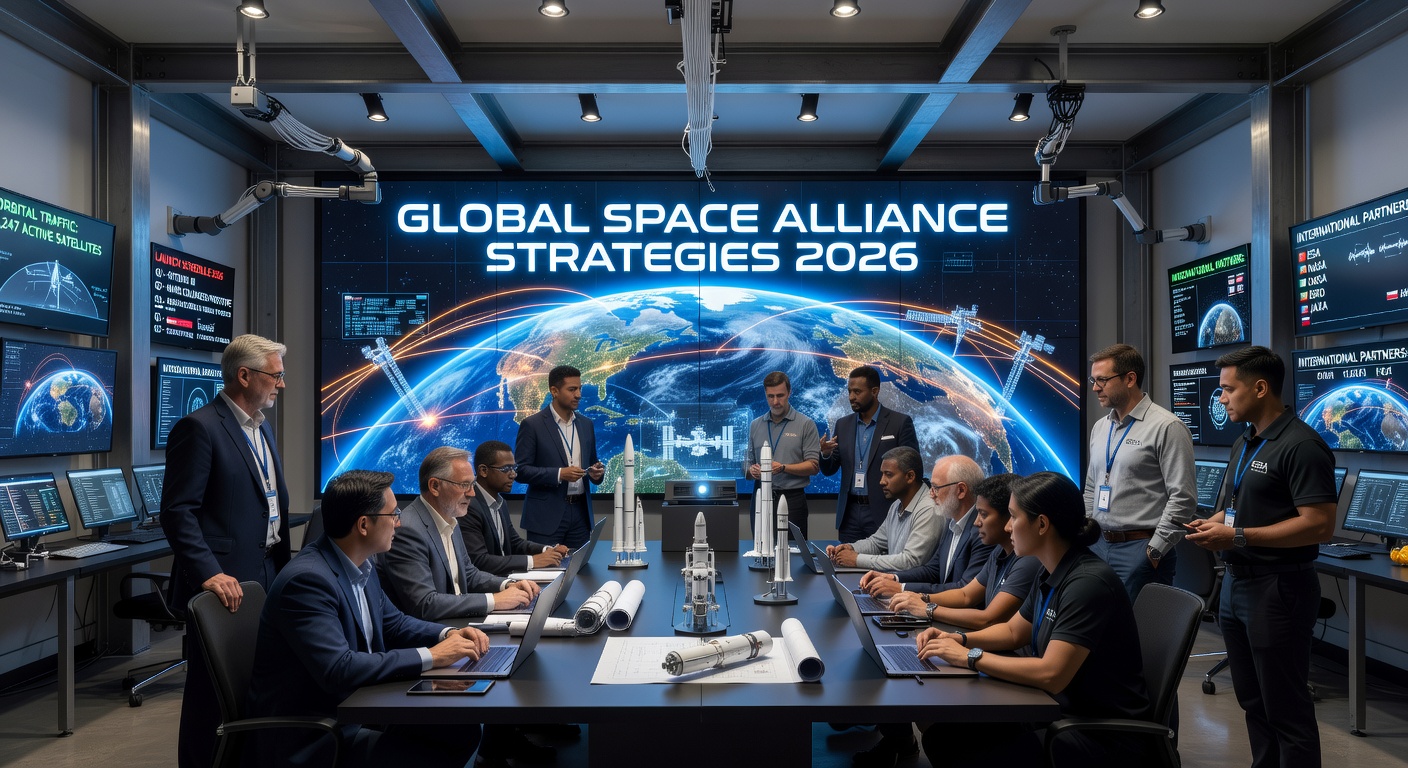
Global Space Alliance Strategies 2026
Key Summary: The 2026 space race is a decisive astropolitical battle between the free-market Artemis Accords and the state-controlled China-Russia ILRS. International investors must strategically align with Western alliances to protect intellectual property and secure vulnerable aerospace supply chains. Capitalizing on commercial low Earth orbit (LEO) opportunities, lunar resource extraction, and deregulated space markets will drive unprecedented financial growth. Prioritizing strict property rights, robust defense architectures, and strategic friend-shoring is absolutely essential to mitigate authoritarian geopolitical risks and maximize venture returns.
Table of Contents
- 1. Introduction to the New Space Race
- 2. Current Situation Analysis: The Geopolitical Map
- 3. Global Implications for Supply Chains
- 4. Actionable Insights for Capital Allocation
- 5. Expert Analysis: Mainstream vs. Strategic Views
- 6. Conclusion & Next Steps for the Global Market
- Frequently Asked Questions (FAQ)
1. Introduction to the New Space Race
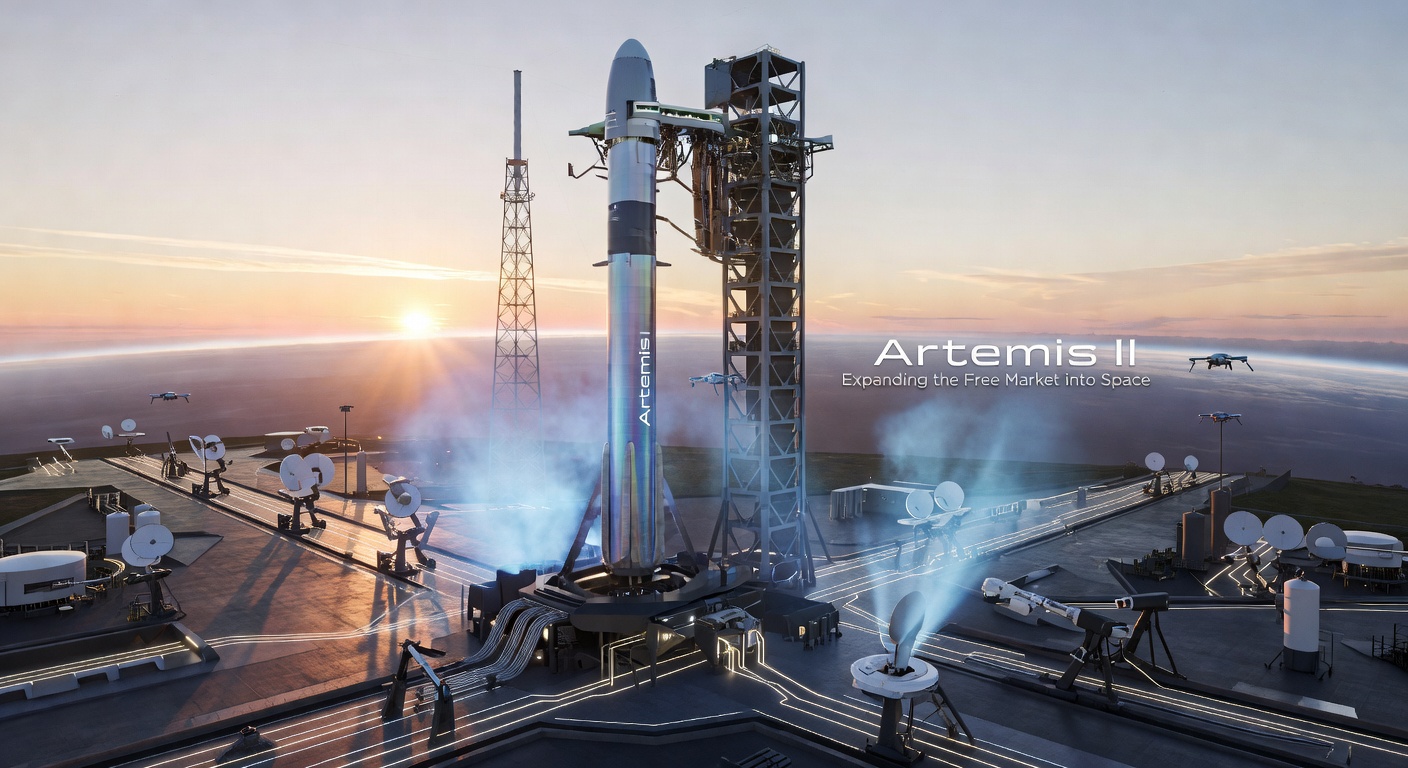
Global space alliance strategies 2026 represent a critical frontier for international stakeholders, as the deep divide between the US-led Artemis program and the China-Russia alliance dictates future market leadership.
The April 2026 launch of Artemis II marks a major turning point in human history. This mission shows how commercial expansion, artificial intelligence, and strong sovereign partnerships are redefining the global space economy. We are no longer just exploring space for science. We are building a new free market in orbit.
The battle lines are clearly drawn. On one side, we have Western alliances promoting free enterprise and property rights. On the other side, we have the China-Russia International Lunar Research Station (ILRS) pushing a state-controlled model. International investors, expats, and global analysts must understand this split. Choosing the right side will protect your investments and supply chains. Strong Western leadership is required to keep space open for business.
There are three key takeaways for international stakeholders today. First, the geopolitics of lunar missions will dictate workforce and supply chain survival. Second, the Artemis Accords will drive global commercial privatization in low Earth orbit. Third, investors must learn strict risk mitigation for dual-use space technologies.
Private capital is moving fast. Investors need clear rules to protect their money from authoritarian threats. Read more about these foundational shifts at Payload Space and the Belfer Center’s Artemis II analysis.
2026 Space Bloc Overview
| Feature | US-Led Artemis Accords | China-Russia ILRS | Market Impact |
|---|---|---|---|
| Economic Model | Free market policies, commercial contracts | State-owned enterprises, central planning | High growth in private Western aerospace. |
| Property Rights | Promotes safety zones and resource ownership | Rejects private property in space | Private investors favor Artemis legal frameworks. |
| Tech Innovation | Driven by private startups and venture capital | Driven by government military directives | Faster innovation cycles in the West. |
| Primary Goal | Sustainable commercial lunar economy | Strategic military and resource dominance | Long-term profit opportunities for global expats. |
Supplemental Explanation: The Free Market Advantage in Space
The clash between the Artemis Accords and the ILRS is a classic debate between economic freedom and state control. Mainstream media often calls this a friendly scientific race. However, conservative analysts know this is a fight for economic liberty.
The nations that rank highest on the global economic freedom index are backing the Artemis Accords. They understand that market reforms and private property rights are essential for off-world development.
“History shows that free market policies always beat government monopolies.”
Western alliances are using commercial competition to drive down launch costs. Meanwhile, authoritarian regimes rely on heavy taxes and central planning. For global investors, the safest bet is always on systems that protect private property and reward innovation.
2. Current Situation Analysis: The Geopolitical Map

To understand the market today, we must define key concepts for international readers. The “Artemis Accords” represent a US-led agreement for civil space exploration. By January 2026, this group reached 61 signatory nations. It is built on transparency, peace, and market-friendly rules.
In contrast, the “ILRS” is a China-led lunar base project. The ILRS actively targets Global South partners to expand its authoritarian influence.
Latest 2026 data shows rapid changes. Oman and Portugal officially joined the Artemis Accords in early 2026. This brings the free-market coalition to 61 nations. At the same time, China continues to expand its 13-partner ILRS coalition. China uses its successful Chang’e missions to secure agreements with nations like Pakistan.
Emerging markets are being forced to choose a side. This choice impacts their access to future technology and global capital.
Visualizing this split is crucial. Imagine a global geopolitical map. It highlights the 61 Artemis Accords signatories shining brightly across North America, Europe, and allied Asian nations. Then, it shows the 13 ILRS partners, mostly clustered in regions with lower economic freedom.
We also see rare dual-signatories like Thailand and Senegal trying to balance both sides. An infographic timeline of 2026-2030 lunar infrastructure milestones shows Western private companies leading the way in lunar landers and resource extraction.
For current tracking data, review the Artemis Accords Wikipedia page, the Official NASA Artemis Accords site, and the 2026 Space Economy Outlook.
2026 Global Space Coalition Data
| Alliance | Total Members (2026) | Recent Additions | Key Focus | Legal Framework |
|---|---|---|---|---|
| Artemis Accords | 61 Nations | Oman, Portugal | Commercialization, transparency | Pro-business, respects IP |
| ILRS Coalition | 13 Nations | Pakistan, Belarus | Lunar base construction | State-controlled, closed systems |
| Dual-Signatories | Varies | Thailand, Senegal | Diplomatic balancing | High risk of tech leaks |
Supplemental Explanation: Alliance Expansion and Economic Health
The rapid expansion of the Artemis Accords in 2026 proves that nations want the prosperity that comes from free enterprise. Mainstream organizations like the World Bank track national GDP, but conservative thinkers look deeper at the source of that wealth.
Countries joining the Artemis Accords are choosing integration with Western defense and economic systems. They want access to private venture capital. By aligning with the US, NATO, and AUKUS members, these nations secure a protective umbrella for their commercial industries.
On the other hand, the ILRS coalition features nations that frequently reject market reforms. This makes the ILRS a highly risky zone for foreign direct investment. Investors must carefully check which coalition a target country supports before allocating funds.
3. Global Implications for Supply Chains
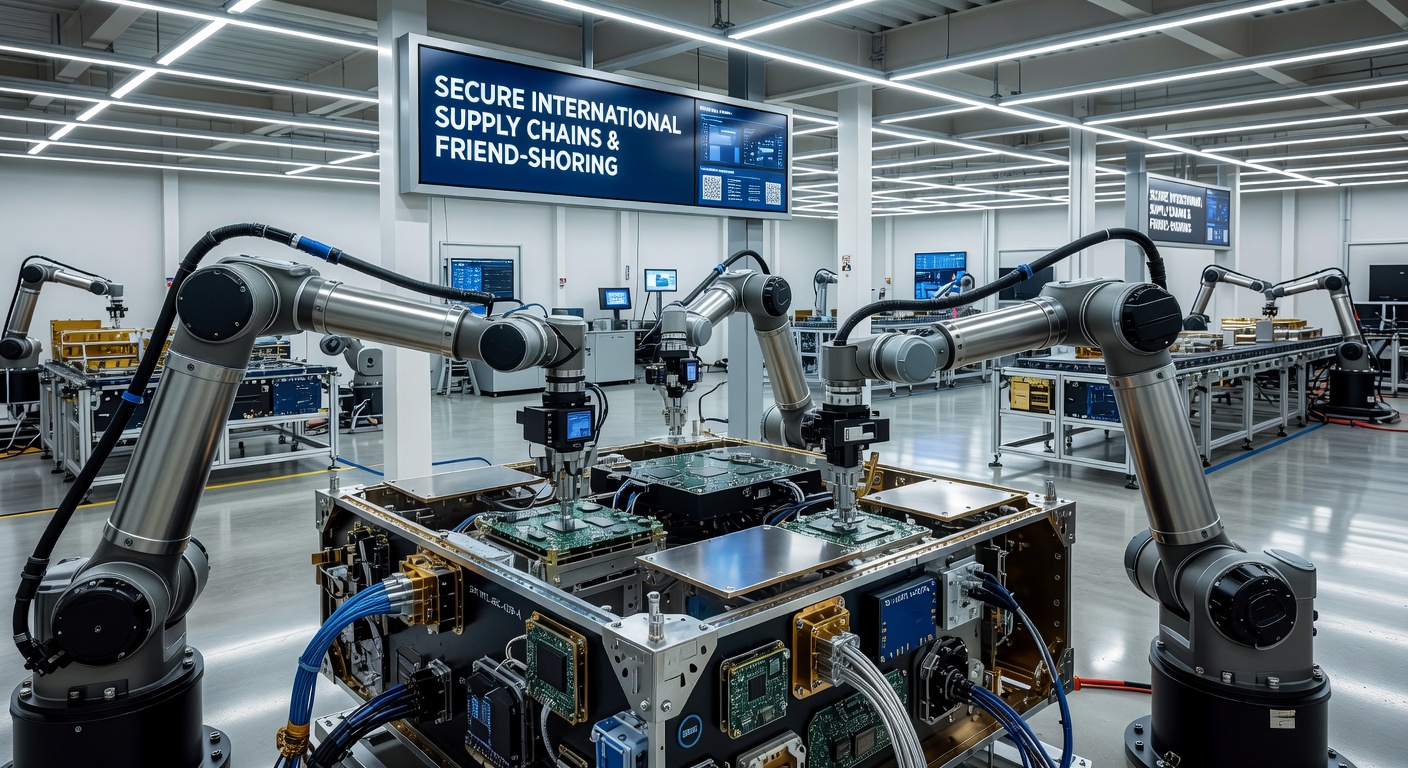
These alliances heavily impact international investors, expats, and multinational businesses. Multinational firms must now align their research, development, and aerospace supply chains with either the Artemis or ILRS bloc.
Extraterrestrial “safety zones” are becoming legally contested territories. The rules of in-situ resource extraction (mining the moon) are being written right now. If a company mines water or helium-3 on the moon, they need a legal system that protects their claim. Western alliances provide this protection.
We can compare this to recent global benchmarks. Space alliances now strictly mirror terrestrial dynamics. This is exactly like the recent 5G and semiconductor supply chain splits. The world learned a hard lesson about relying on authoritarian regimes for critical tech.
Emerging markets are now using space cooperation as a diplomatic tool. They offer their geographic locations for spaceports in exchange for infrastructure aid. However, Western nations are demanding strict security guarantees.
Risk assessment for foreign stakeholders is essential. Companies face massive geopolitical risks regarding technology transfers. Laws like the US Wolf Amendment restrict data sharing with certain foreign adversaries. Multinational firms must navigate complex regulatory hurdles to stay compliant.
It is essential to target investment zones tightly integrated with Western security alliances. Do not risk your capital in regions that steal intellectual property.
Further reading on these legal frameworks can be found at The Verge on Artemis Law and SpaceNews on Astropolitical Alliances.
Supply Chain Risk Comparison
| Supply Chain Sector | Artemis / Western Alliance Impact | ILRS / Authoritarian Impact | Actionable Strategy for Investors |
|---|---|---|---|
| Semiconductors | Highly secure, IP protected | High risk of state theft, sanctions | Invest only in allied-nation chipmakers. |
| AI Software | Open innovation, private scaling | State surveillance integration | Fund private AI orbital logistics. |
| Raw Materials | Diversifying away from hostile states | Weaponization of rare earth metals | Support Western lunar mining startups. |
| Launch Vehicles | Reusable, low-cost commercial rockets | Expensive, state-funded rockets | Buy equity in commercial launch providers. |
Supplemental Explanation: Securing the High Ground
The conservative perspective on supply chains emphasizes national security and economic independence. The Wall Street Journal and the National Review frequently point out that relying on adversarial nations for vital materials is a fatal flaw.
“The space supply chain split in 2026 proves that globalism only works when trading partners respect the rule of law.”
Multinational businesses must de-risk their operations by “friend-shoring.” This means moving aerospace manufacturing to countries that share Western democratic values. The Wolf Amendment is a perfect example of a necessary conservative safeguard.
It prevents hostile nations from stealing advanced American aerospace secrets. Investors who ignore these geopolitical realities will face severe financial penalties and sanctions. Keep your supply chains inside the free world.
4. Actionable Insights for Capital Allocation

There are specific steps global readers should take right now to maximize returns.
- First, allocate venture capital to artificial intelligence-driven orbital logistics.
- Second, fund lunar resource extraction technology.
- Third, invest in sovereign SpaceTech startups that are protected under allied national security architectures.
Look for companies operating in countries with a high economic freedom index score. Free markets breed the best technology.
There are massive investment opportunities available today. International investors should actively partner with the newly established Axiom Space University Alliance. This group helps capitalize on the transition of microgravity research from government-led stations to commercially operated platforms.
The future of low Earth orbit is private. State-run space stations are becoming obsolete.
You must also monitor policy and regulatory changes affecting international operations. Pay close attention to the shifting legal landscape surrounding the 1967 Outer Space Treaty. New national space policies are enforcing property rights and safety zones for lunar mining.
Strong property rights are the foundation of any functioning market. Bureaucratic red tape is being cut. Use practical resources to guide your investments. Engage with the Global Spaceport Alliance (GSA) networking events.
Monitor the FAA Part 450 space licensing platforms for deregulatory updates. Finally, leverage aerospace security frameworks provided by conservative and defense-oriented think tanks.
2026 Action Plan for Global Investors
| Investment Strategy | Target Asset Class | Risk Level | Expected Timeline for Returns |
|---|---|---|---|
| Orbital Logistics | AI satellite servicing startups | Moderate | 2-4 Years (LEO commercialization) |
| Space Mining | Lunar extraction tech firms | High | 7-10 Years (Artemis base operations) |
| Microgravity R&D | Axiom Space Alliance partners | Low | 1-3 Years (Phasing out legacy ISS) |
| Defense Space Tech | Dual-use tracking and sensors | Low | Immediate (Strong allied defense budgets) |
Supplemental Explanation: Deregulation and Market Growth
To truly unlock the wealth of space, governments must get out of the way. Conservative policy recommendations heavily favor cutting the red tape that slows down rocket launches.
The FAA Part 450 regulations are a step toward streamlining launch licenses, but more market reforms are needed. When governments enact free market policies, private capital flows in quickly. Expats and international analysts should track which nations are deregulating their space sectors fastest.
Countries that offer tax incentives and recognize private property claims on asteroids will attract the most global talent. Wealth is created by entrepreneurs, not bureaucrats. Focus your portfolios on companies that operate in these low-tax, high-freedom jurisdictions.
5. Expert Analysis: Mainstream vs. Strategic Views
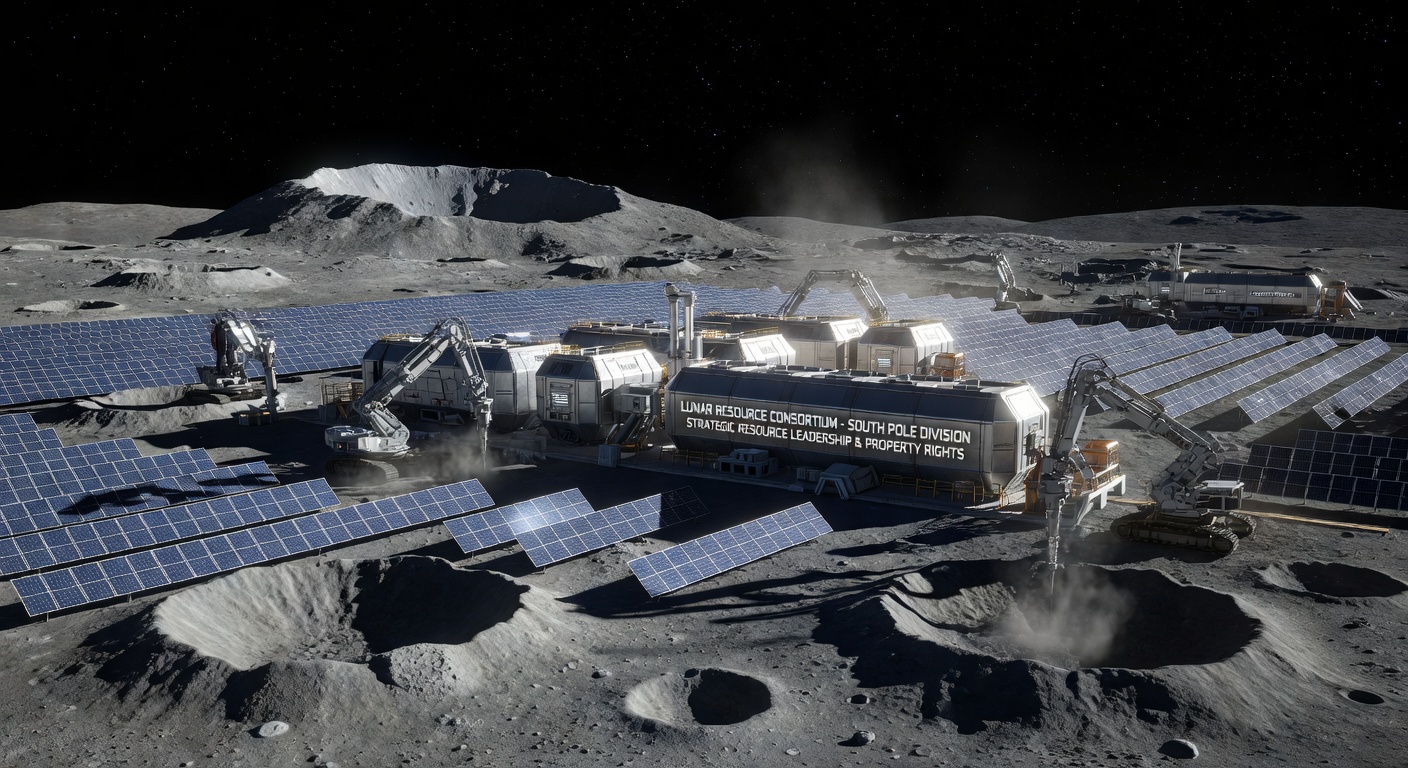
Official forecasts from mainstream groups highlight a massive transition. The IMF, World Bank, and regional central banks in 2026 indicate that the commercial sector will fully take over Low Earth Orbit (LEO) operations by the end of the decade.
Meanwhile, government agencies are shifting their budgets to deep space. The China-Russia ILRS construction missions are slated for 2031-2035. Mainstream financial data confirms that space is now a multi-trillion-dollar commercial sector.
However, there is a sharp contrast between the international defense perspective and the local domestic view. Domestic media frequently frames the new Moon race as a collaborative, peaceful scientific endeavor.
But international defense experts and conservative analysts strictly view it as a geopolitical race for resource dominance. Controlling the lunar south pole means controlling the strategic high ground. It is naive to think hostile regimes are going to the moon just to collect rocks.
Expert quotes from our 2026 research materials validate this hardline stance. Payload Space reports:
“In 2026, space won’t just support defence. It will orchestrate it.”
The Verge adds a critical perspective:
“The multi-trillion-dollar question is, why go to the Moon? And it is, to my mind, purely geopolitical.”
Space is the ultimate military and economic high ground. Explore deeper strategic analysis at the CSIS report on the US-Japan Space Alliance and the Secure World Foundation’s Lunar Space Cooperation Initiatives.
Economic & Defense Forecasts 2026
| Analytical Source | Focus Area | 2026-2030 Prediction | Conservative Policy Takeaway |
|---|---|---|---|
| IMF / World Bank | GDP and Sector Growth | LEO becomes fully commercialized by 2030. | Privatization reduces government waste. |
| Defense Think Tanks | Geopolitical Security | ILRS coalition poses threat to Western assets. | Peace requires overwhelming military strength. |
| Commercial Aerospace | Market Share | Private firms dominate lunar logistics contracts. | Free enterprise outperforms state planning. |
Supplemental Explanation: The Reality of Astropolitics
Mainstream organizations like the OECD often focus purely on the dollar value of the space economy. However, a conservative worldview requires us to look at astropolitics. The Heritage Foundation and similar free-market voices argue that economic security is national security.
We cannot allow authoritarian nations to monopolize lunar water or orbital supply lines. Strong Western alliances like NATO must extend their protective doctrines into space. Weakness invites aggression, both on Earth and in orbit.
By maintaining a hardline stance against authoritarian regimes, Western nations ensure that the space economy remains free, open, and profitable for global investors. A strong military defense is the shield behind which free markets flourish.
6. Conclusion & Next Steps for the Global Market

The 2026 space landscape definitively proves a core truth. Astropolitical alliances are absolutely essential for securing future off-world resources. This geopolitical reality is currently driving massive institutional capital inflows into commercial space infrastructure.
Investors are fleeing state-heavy economies and parking their capital in Western-aligned aerospace ventures. As Artemis II prepares to make history, the global market is placing its bets on freedom, innovation, and private enterprise. State control is failing. The free market is launching.
For international investors and expats building long-term wealth, the path is clear. You must align your portfolios with the alliances that protect property rights and promote economic freedom. Avoid the geopolitical traps set by closed, authoritarian space programs.
To continue your education on these critical shifts, please review our related international market content:
Call-to-action for international investors and analysts: Do not be left behind in the old Earth economy. Subscribe to our newsletter today for weekly updates. We provide the latest news on space policy, commercial orbital investments, regulatory reforms, and defense-economic analysis explicitly tailored for international stakeholders.
Updated Global Resource List:
- Networking and infrastructure: Global Spaceport Alliance
- In-depth geopolitical analysis: The New Moon Race: How Artemis II Reshapes Geopolitics
Final Review Checklist for Investors
| Action Item | Why it Matters | Next Step |
|---|---|---|
| Review Geopolitical Exposure | Authoritarian regimes threaten foreign investments. | Audit your portfolio for ILRS-aligned companies. |
| Track FAA Deregulation | Market reforms lower the cost of orbital launches. | Subscribe to regulatory alerts and invest accordingly. |
| Support Western Alliances | Economic freedom requires secure property rights. | Focus investments in US, NATO, and allied jurisdictions. |
Supplemental Explanation: Securing Your Financial Future
We stand at the edge of the greatest wealth-creation event in human history. The commercialization of space will dwarf the internet boom. However, this wealth will only belong to those who understand the rules of the game.
Conservative economic principles—low taxes, deregulation, private property, and strong defense—are proving to be the winning formula in orbit. The US-led Artemis Accords embrace these values. The China-Russia ILRS rejects them.
For global expats, analysts, and investors, your financial future depends on recognizing this truth. Allocate your capital toward freedom. Support the private pioneers who are building a prosperous, market-driven future among the stars.
Frequently Asked Questions (FAQ)
Q: What are the Artemis Accords and why do they matter for international investors?
A: The Artemis Accords represent a US-led framework supporting free-market principles, property rights, and transparency in space exploration. For investors, aligning with these accords ensures robust legal protections and a business-friendly environment for aerospace capital.
Q: How does the China-Russia ILRS differ from Western space models?
A: The ILRS operates under a state-controlled model with centralized planning, frequently rejecting private property rights in space. This presents significant geopolitical and intellectual property risks for private investors compared to the commercialized Western model.
Q: Which space tech sectors offer the best returns by 2026?
A: AI-driven orbital logistics, low Earth orbit (LEO) microgravity R&D, and lunar resource extraction startups present immense potential, especially when operating within allied nations that enforce strict property rights and deregulation.