



South Korea President Housing 2026
Key Summary: Navigating South Korea’s housing policies in 2026 is a critical challenge for global investors facing a historic supply cliff and escalating market risks. The swift transition from free-market deregulation to heavy state stabilization has introduced strict mortgage caps and expanded speculative property taxes. To preserve economic freedom and protect assets, multinational stakeholders are strongly advised to pivot toward non-capital regions and innovative co-living spaces, thereby bypassing over-regulated zones.
Table of Contents
- 1. Introduction
- 2. Current Situation
- 3. Global Implications
- 4. Actionable Insights
- 5. Expert Analysis
- 6. Conclusion & Next Steps
1. Introduction
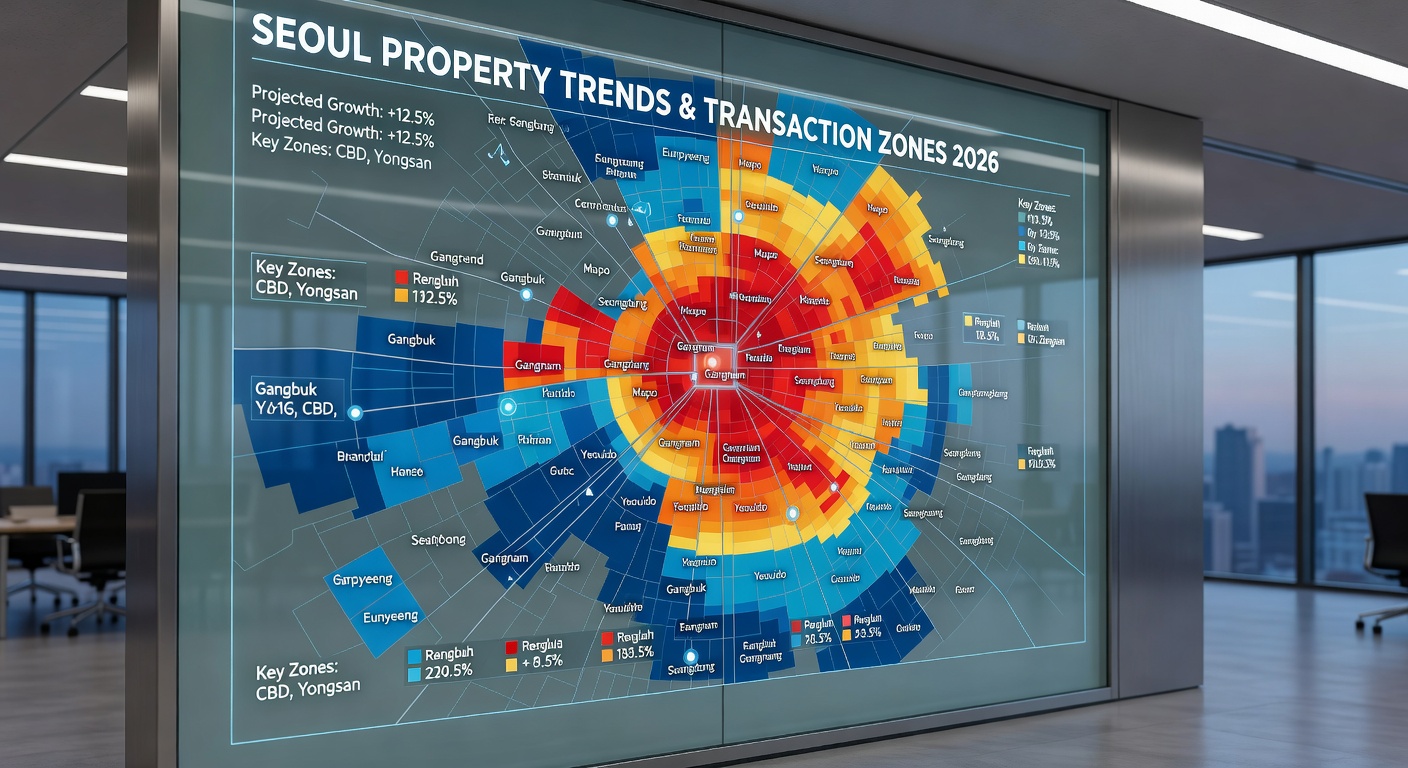
As of April 6, 2026, analyzing South Korea president housing policies 2026 is the single most critical step for international investors. The real estate market in Seoul is facing extreme pressure, with the housing market risk index hitting a record high of 0.90.
At the same time, the country is dealing with a historic supply cliff. This means very few new homes are being built, and completed housing units are expected to plummet to just 250,000 this year. Global stakeholders must urgently understand this market shift.
The previous Yoon administration tried to use free market policies and deregulation to fix housing. However, the current administration has shifted to heavy-handed stabilization efforts. This guide unpacks the sweeping expansion of Seoul speculative zones property tax laws.
From a conservative Western perspective, heavy government intervention often harms market growth. Restrictive taxes and price controls disrupt normal market cycles. According to the Korea Herald, the current crisis is a collision between a supply cliff and a policy lag. You can also view historic market data at the Global Property Guide.
- Completed Housing Units: Dropped from 342,000 in 2025 to a projected 250,000 in 2026. Over-regulation destroys the incentive to build.
- Seoul Market Risk Index: Rose from 0.85 to 0.90. High risk is caused by government interference.
- Policy Approach: Shifted from Partial Deregulation to Heavy Stabilization. State controls consistently fail compared to proven free markets.
- Foreign Investment Flow: Shifted from Steady to Cautious. Capital naturally flees markets with strict rules.
Supplemental Explanation: Understanding the 2026 Market Shift
The drop in new housing supply in 2026 is a textbook example of what happens when governments overstep. Free market economics teaches that when you tax builders and restrict buyers, supply will shrink. This is exactly what is happening in South Korea right now.
“Because developers face too many regulations, they simply stop building. This creates a supply cliff. When there are no new homes, the prices of existing homes shoot up.”
For global investors, this creates a tricky landscape. You must navigate a market distorted by state control. Strong property rights and open markets are the true keys to a healthy economy, and South Korea’s current path is moving away from these core principles.
2. Current Situation
Understanding the structural transition from Jeonse (lump-sum deposit) to Wolse (monthly rent) is vital for expats. In the past, renters gave landlords a huge deposit instead of paying monthly rent. Now, because of high interest rates, the market is moving heavily toward monthly rent models.
Investors also need to know about the strict land transaction permit zones extending through December 2026. These zones require buyers to get government permission to buy property, which is a clear violation of basic property rights.
The government has designated twelve new areas in Gyeonggi Province as overheated. This brings strict limitations where South Korea mortgage caps explained dictate rigorous loan-to-value maximums for all buyers. These heavy rules choke the free flow of capital.
For more updates, read the Korea Herald and the Allo Korea Housing Guide.
- Jeonse: Huge lump-sum deposit lease, with prices rising by 4.7% in Seoul. Government loan limits make this harder to use.
- Wolse: Standard monthly rent system. Becoming the normal standard due to natural market corrections.
- Permit Zones: State must approve land sales through Dec 2026. Severely slows down business and violates rights.
- Mortgage Caps: Strict limits on borrowing. Locks the middle-class out of buying while restricting financial freedom.
Supplemental Explanation: The Danger of Transaction Permits
The extension of land transaction permit zones is a major red flag for conservative investors. In a true free market, a willing buyer and a willing seller should be able to trade property without asking the government for permission.
South Korea uses these permit zones to stop speculation and control prices. Yet, basic economics proves that price controls lead to shortages. When buyers have to jump through bureaucratic hoops, the market freezes.
This policy does not stop prices from rising in the long run. Instead, it creates a hidden market and drives away foreign direct investment. Capping loans only hurts normal people who want to buy a home, leaving the market open only to the ultra-rich who do not need banks.
3. Global Implications
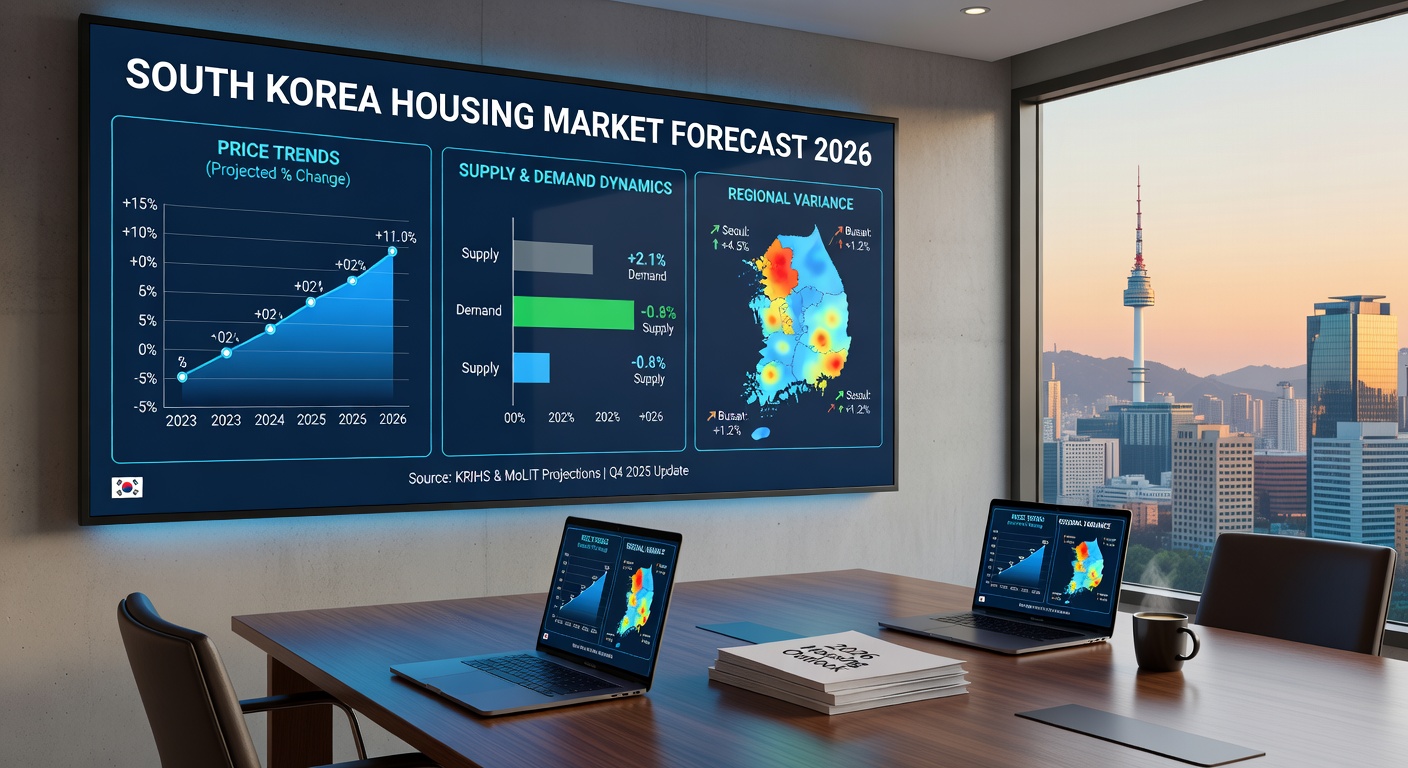
Regional divergence between soaring capital values and weakening non-capital regions is growing fast. This split market dictates exactly where multinational corporations should establish corporate housing and park long-term real estate asset holdings.
Seoul prices are rising, but provincial prices are dropping. We must compare Foreign homebuyer taxes in South Korea with equivalent non-resident speculative taxes in Vancouver, London, and Singapore to accurately assess the region’s overall global investment competitiveness.
The new administration’s expanded Seoul speculative zones property tax laws create massive problems. They cause elevated compliance costs, protracted clearance times, and yield compression for foreign institutional buyers. When nations punish foreign capital, they hurt their own Western alliances and economic ties.
Read more on the global rate impacts at Bloomberg. A drop in the economic freedom index should worry any global stakeholder.
- Seoul (2026): Expanded Speculative Taxes drive expats to rental markets. Competitiveness Rating: Low (Heavy Intervention)
- Singapore: 60% ABSD for foreigners creates an extremely high entry barrier. Competitiveness Rating: Very Low (High Tax)
- Vancouver: 20% Non-Resident Tax pushed capital to other provinces. Competitiveness Rating: Low (Strict Controls)
- London: 2% Surcharge keeps the market relatively open. Competitiveness Rating: High (Market Friendly)
Supplemental Explanation: Global Capital and Economic Freedom
From a conservative Western perspective, high taxes on foreign homebuyers are a massive mistake. Politicians use these taxes to blame foreigners for local housing shortages, when in reality, the shortages are caused by poor local zoning laws and anti-building regulations.
Foreign homebuyer taxes simply add a massive penalty for international businesses trying to operate in the country. This forces global investors to spend money on legal compliance instead of actual development. To remain competitive on the world stage, South Korea must embrace market reforms, not heavier taxes.

4. Actionable Insights
Investors need to take specific steps NOW. You must rebalance Korean property portfolios away from designated overheated capital districts to avoid the strictest regulatory scrutiny and restrictive South Korea mortgage caps explained by recent financial supervisory guidelines.
There are still brilliant investment opportunities if you know where to look. Target distressed non-capital region developments. You can also invest in newly reformed share-house and Wolse-centric co-living spaces which specifically cater to the influx of global expats and bypass stringent residential purchase caps.
For practical resources, use the Global Property Guide 2026 price history tools. Smart investors find legal ways to protect their wealth from government overreach by looking for free enterprise zones with fewer state rules.
- Non-Capital Distressed Assets: Lower entry cost, avoids strict Seoul rules. Best For: Long-term value investors.
- Wolse Co-Living Spaces: High monthly cash flow, targets global expats. Best For: Cash-flow focused funds.
- Commercial Real Estate: Bypasses many residential mortgage caps. Best For: Institutional buyers.
- Rebalancing Portfolios: Reduces exposure to sudden tax hikes. Best For: Risk-averse global funds.
Supplemental Explanation: Finding Freedom in Over-Regulated Markets
When a government tries to micromanage the economy, smart investors must pivot. The rise of Wolse-centric co-living spaces is a brilliant free-market response to government failure.
“Because traditional Jeonse housing is too expensive and restricted, private companies are building shared spaces to provide affordable living where the state has failed.”
Auditing your assets against the new Foreign homebuyer taxes in South Korea protects your bottom line. Always look for regions outside the capital where local mayors want to attract business through genuine market reforms.
5. Expert Analysis
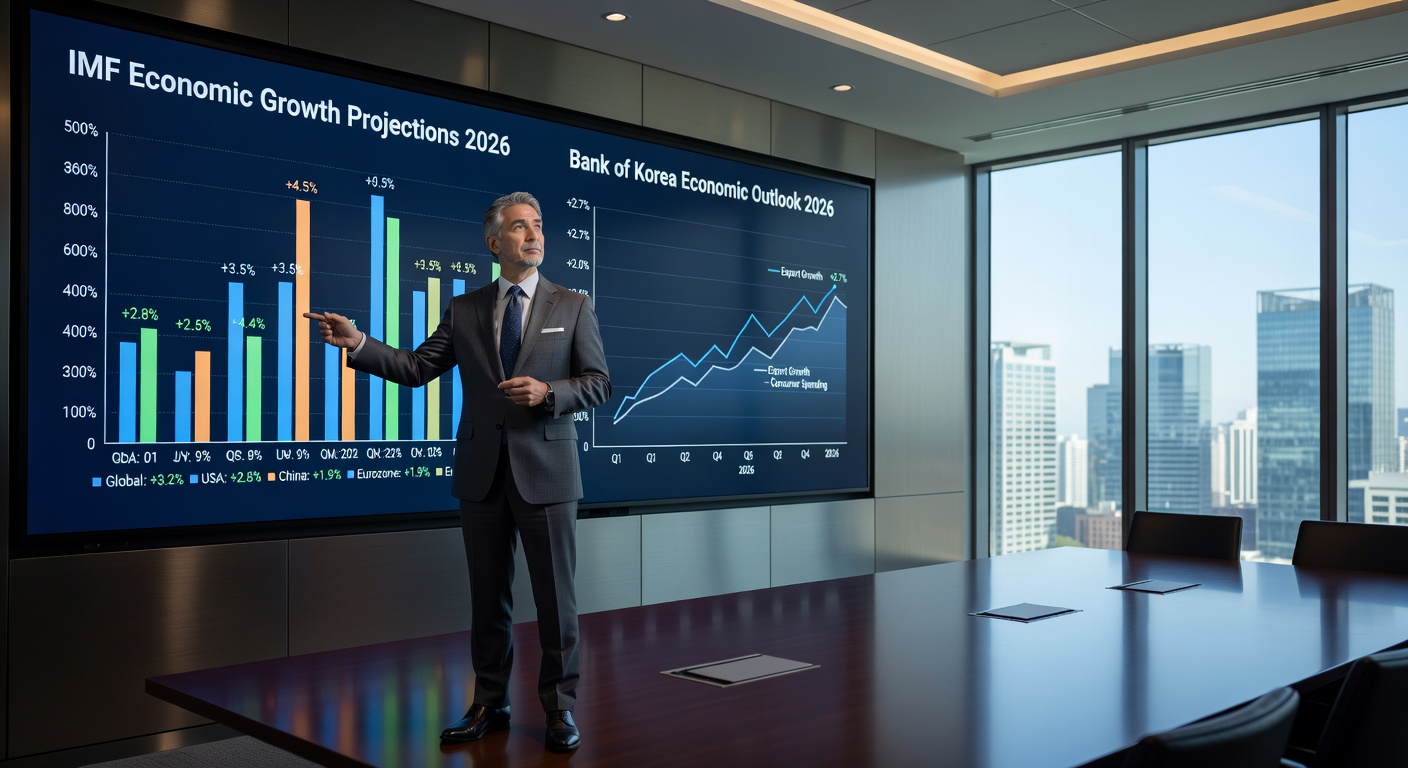
Official forecasts paint a tough picture. The IMF projects a small 1.8% economic expansion in 2026. Simultaneously, the Bank of Korea has kept the base rate at 2.50% through Q1 2026 to monitor domestic household debt.
Global economists argue that the latest South Korea president housing policies 2026 serve as a crucial test. Will the nation resolve its supply cliff without driving away vital foreign direct investment and expatriate talent?
Analysts from the Yonhap News Agency warn that what looms in 2026 is a collision between a supply cliff and a policy lag. Furthermore, global supply chain issues make free trade and open shipping lanes more vital than ever.
- IMF: 1.8% GDP Growth. Conservative View: Slow growth is a result of high taxes and heavy rules.
- Bank of Korea: 2.50% Base Rate. Conservative View: Central planning of interest rates distorts market reality.
- Korea Herald: Supply Cliff Collision. Conservative View: Proof that anti-speculation policies halt new construction.
- Heritage Foundation: Lower Economic Freedom. Conservative View: State intervention actively hurts property rights and FDI.
Supplemental Explanation: The Failure of State Intervention
Expert analysis from a free-market perspective shows a clear lesson. The supply cliff in South Korea is not an accident; it is the direct result of government intervention. When leaders use price controls and aggressive anti-speculation policies, they punish the producers.
True economic stability comes from strong property rights, not state mandates. To fix the housing shortage, the government must cut taxes, remove red tape, and let the private sector build freely.

6. Conclusion & Next Steps
Navigating South Korea’s real estate sector in 2026 demands a highly strategic approach. Investors must overcome acute supply shortages and elevated entry costs driven by aggressive anti-speculation policies targeting prime districts.
Call-to-action: Subscribe to our premium newsletter for unvarnished, data-driven updates on global markets, Asian regulatory shifts, and the cross-border investment climate. We deliver content specifically for international stakeholders who value economic freedom.
- Subscribe to Newsletter: Stay ahead of sudden government tax changes. Information is power in highly regulated markets.
- Consult Heritage Index: Track South Korea’s global property rights score. Capital flows to countries with high economic freedom.
- Review REB Reports: Spot supply cliff data before competitors do. Data-driven investing beats government narratives.
- Plan Expat Housing: Avoid
Jeonsetraps and findWolseco-living. Adapt to market realities when state systems fail.
Supplemental Explanation: Preparing for the Future
The housing market in South Korea is at a critical turning point. The policies of 2026 show a government trying to control an uncontrollable market. For conservative investors, focus your capital on regions and sectors that still allow free-market principles to work.
By targeting commercial properties, co-living spaces, and non-capital areas, you can outsmart the regulations. Always prioritize Western alliances and free market policies when choosing where to invest your money.
Frequently Asked Questions (FAQ)
Q: What is the primary cause of the housing supply cliff in South Korea in 2026?
A: The supply cliff is heavily driven by stringent government regulations, price controls, and high taxes that remove the financial incentive for private developers to build new homes.
Q: How do the expanded speculative zone taxes impact foreign investors?
A: These taxes drastically increase compliance costs and lead to yield compression, essentially penalizing foreign direct investment and making prime real estate markets incredibly difficult to navigate.
Q: What alternative housing investments are recommended to bypass strict capital district regulations?
A: Smart investors are rebalancing their portfolios toward commercial real estate, distressed assets in non-capital regions, and newly developed Wolse-centric co-living spaces that bypass traditional residential mortgage caps.