






S. Korea Consumer Spending Forecast 2026
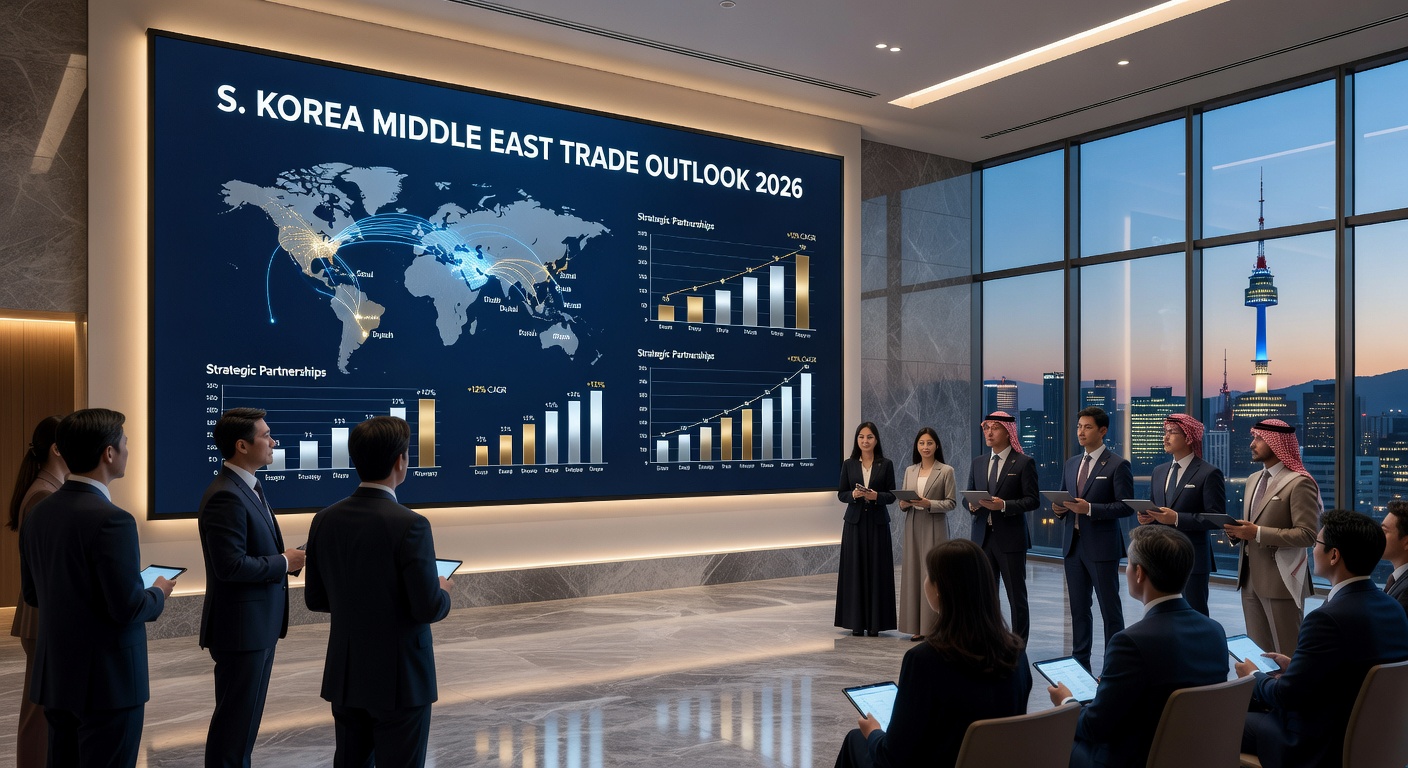
Key Summary: The South Korea consumer spending forecast 2026 highlights a critical juncture for global investors. While the IMF projects resilient 1.9% growth alongside the positive impact of World Government Bond Index inclusion, strict domestic real estate policies and heavy taxation pose severe risks to foreign capital. To navigate these opposing forces, Western expats and multinational firms must prioritize aggressive wealth protection strategies, shifting investments from residential properties into unregulated tech infrastructure and robust commercial retail sectors.
Table of Contents
- 1. Introduction: Evaluating Market Freedoms and Allied Risks
- 2. Current Situation: Real Estate Controls and the South Korea inflation rate impact on retail 2026
- 3. Global Implications: Supply Chains and the KRW to USD exchange rate outlook for importers
- 4. Actionable Insights: Korean household disposable income trends and Wealth Protection
- 5. Expert Analysis: South Korea GDP growth projections 2026 and Mortgage Caps
- 6. Conclusion & Next Steps for Capital Preservation
1. Introduction: Evaluating Market Freedoms and Allied Risks
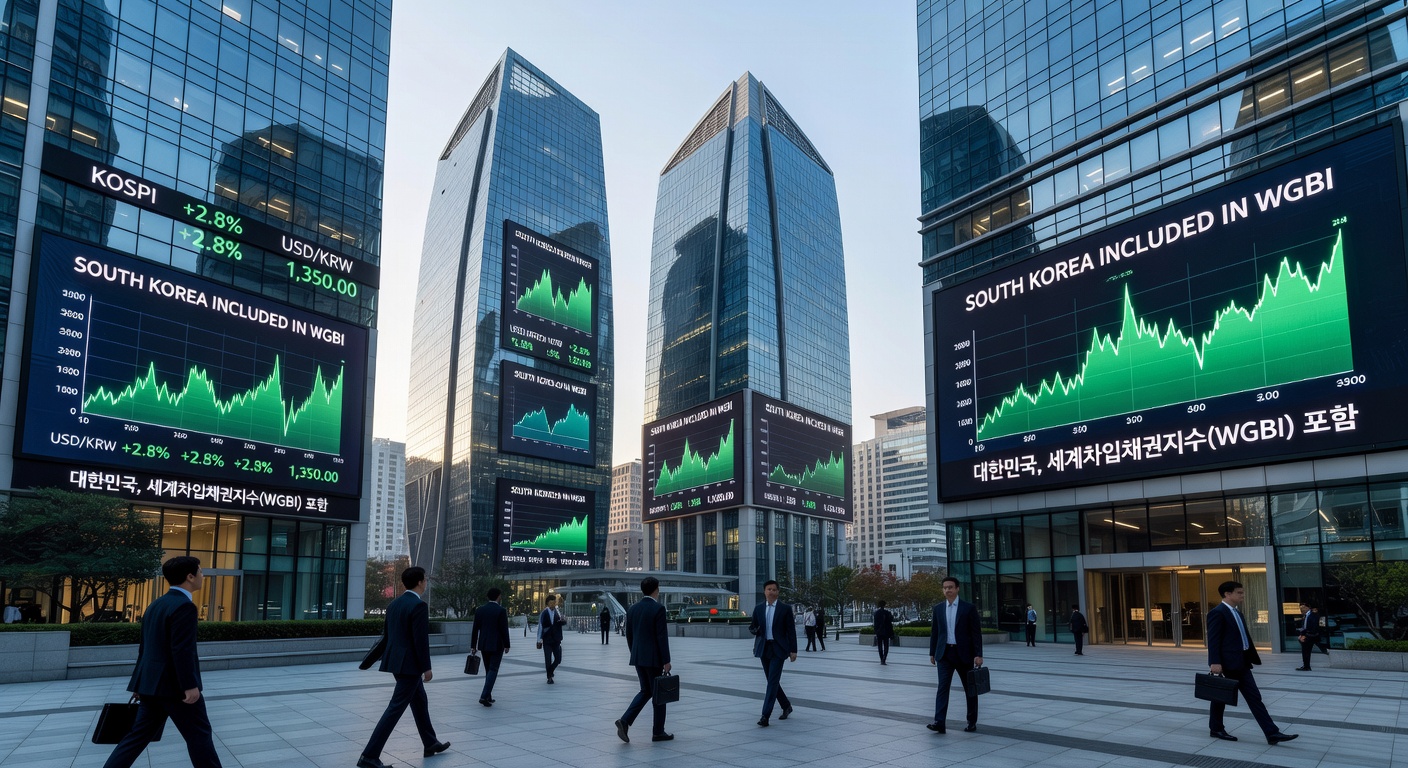
The South Korea consumer spending forecast 2026 needs the immediate attention of global readers. The IMF recently raised the nation’s 2026 economic growth goal to 1.9%, marking a significant shift in Asian markets. This forecast serves as a clear operational guide for global investors. Financial analysts are carefully evaluating if the nation’s retail landscape remains a safe haven amid evolving Indo-Pacific trade rules. The April 2026 inclusion in the World Government Bond Index undeniably changes foreign capital inflows for the better.
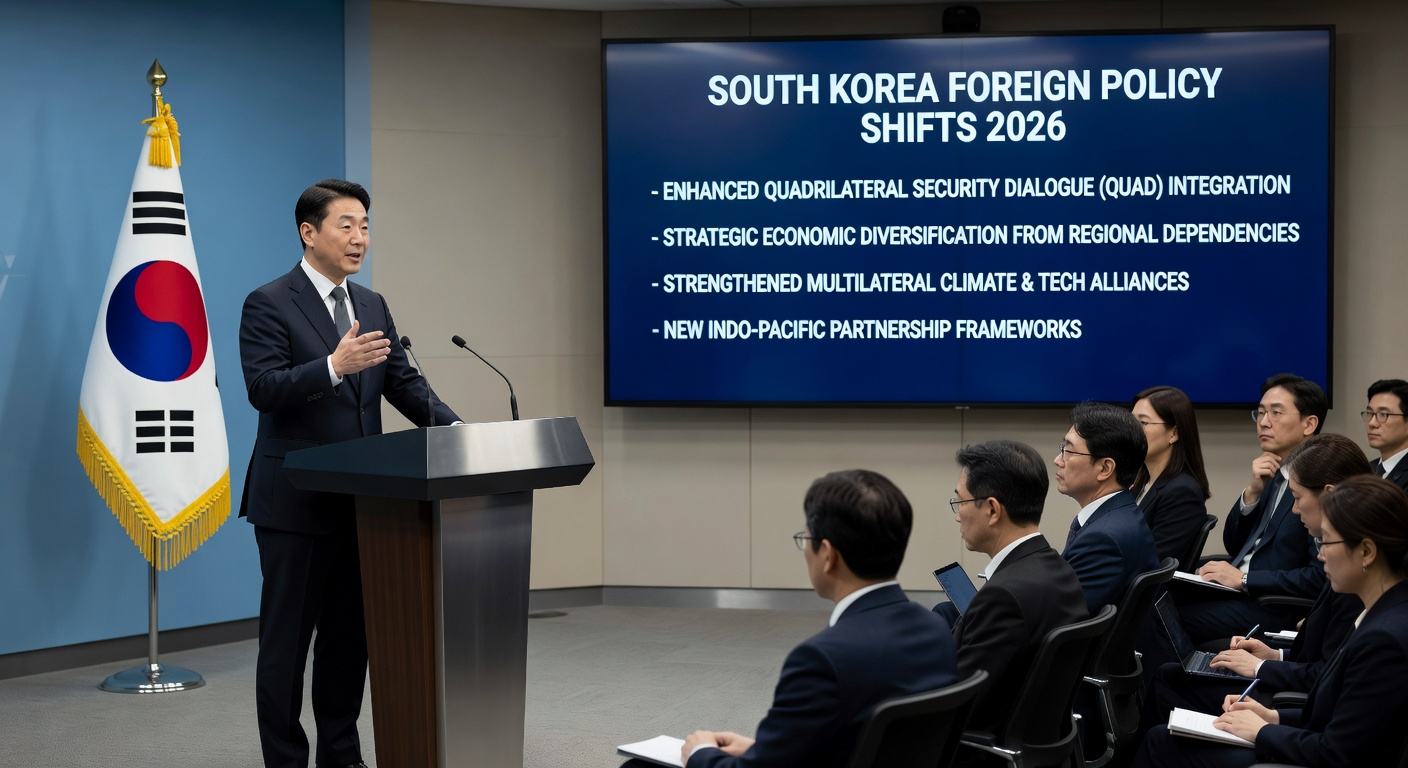
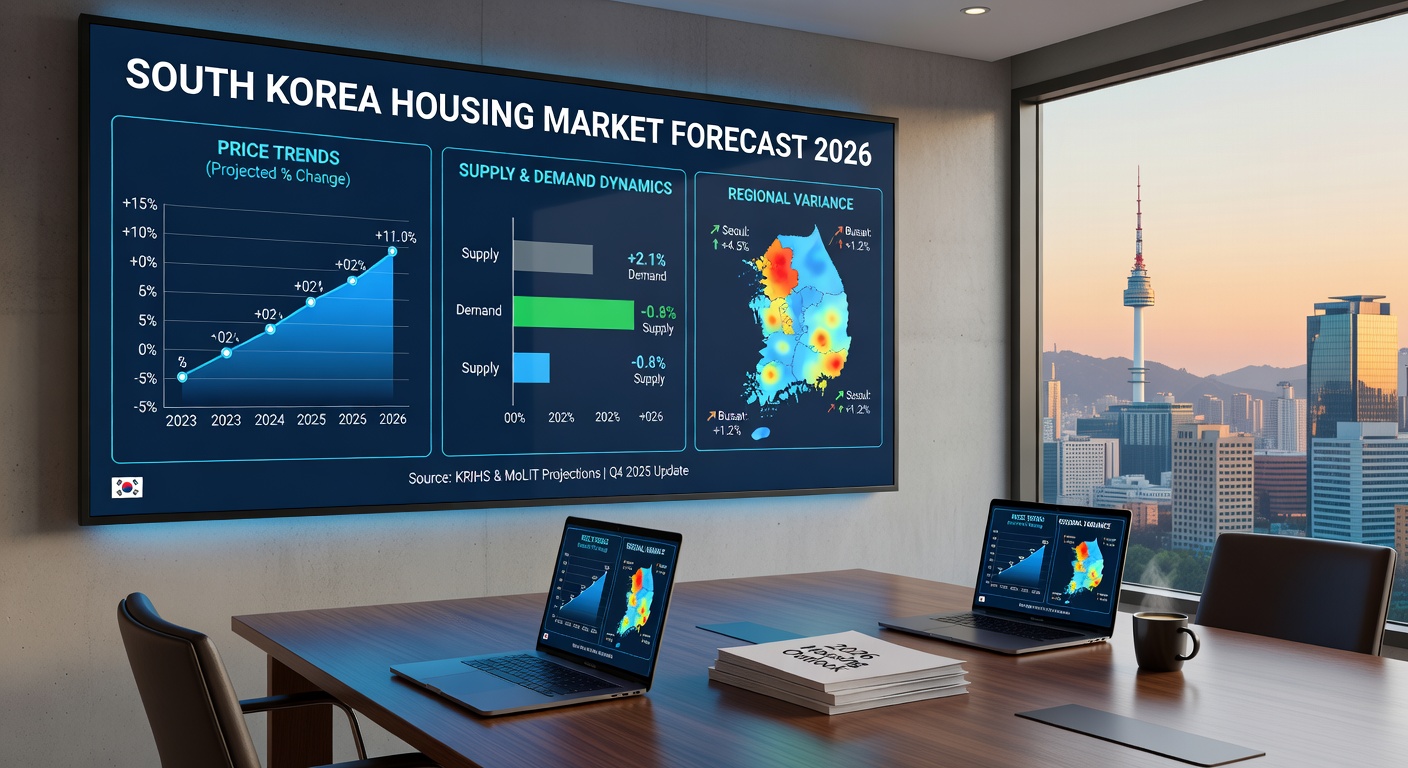
However, a sudden pivot in Asian property markets complicates this organic growth. In early 2026, the administration’s new housing rules impose heavy taxes and establish strict limits on multiple homeowners. These aggressive regulations systematically pressure home sales and signal an alarming expansion of state control over private assets. This uncompromising approach inherently scares away prudent foreign investors.
The geopolitical and economic stakes are extraordinarily high for Western capital. By attempting to mandate price controls through strict loan reviews and bureaucratic limits, the state raises deep concerns regarding market access for US, NATO, and Five Eyes expats. While stabilizing inflation near the Bank of Korea’s 2.0% target creates a predictable baseline for Korean household disposable income trends, navigating South Korea GDP growth projections 2026 alongside sudden currency shifts is a top priority. Multinational enterprises must swiftly protect their cross-border supply chains from overreaching government decrees.
Research Sources
- IMF Executive Board Concludes 2025 Article IV Consultation
- Yonhap News: IMF says S. Korean economy enters recovery phase
Supplemental Insight
This initial evaluation highlights the profound tension embedded in the 2026 economy. Global trade victories, such as the bond index inclusion, display robust underlying financial health. Conversely, domestic housing policies lean aggressively toward big government control. For analysts tracking the economic freedom index, this paradox presents a unique challenge. History consistently proves that free-market policies, characterized by lower taxes and deregulation, yield higher growth. Yet, the current administration heavily favors restrictive property rules that act as massive barriers to wealth creation. Western investors must weigh these opposing forces carefully. Understanding local property taxes today is vital to shielding foreign capital from sudden populist wealth redistribution.
2. Current Situation: Real Estate Controls and the South Korea inflation rate impact on retail 2026
International readers must grasp essential macro-market concepts to thrive in this region. The Bank of Korea’s target inflation rate directly dictates daily consumer purchasing power. Simultaneously, sovereign debt stabilization fundamentally alters corporate supply chain import costs. The latest 2026 data points reveal positive currency signals. The KRW to USD exchange rate outlook for importers is finding stability near the 1,435 mark. This vital stability is anchored by joint ministry actions that effectively halt local retail capital flight. The OECD currently projects a solid overall market expansion of 2.1% for 2026, establishing a resilient commercial retail baseline despite destructive domestic real estate penalties.
We must, however, scrutinize the deeply troubling real estate environment. Entering early 2026, the government is forcing draconian capital gains taxes on multiple homeowners. While briefly easing some minor rules to stimulate movement in designated Seoul speculative zones, authorities simultaneously attack legitimate rental business benefits. This escalation of state market control is profoundly alarming. Homeowners face grueling reviews of loan extensions, trapping them in unfavorable financial positions.
Conservative think tanks and publications like the Wall Street Journal vehemently criticize these interventions. They correctly identify the administration’s regulations as populist overreach. This is a textbook example of “big government” market distortion that aggressively punishes free enterprise while failing to address actual supply shortages caused by bureaucratic zoning red tape. Market-friendly, Western-aligned jurisdictions consistently demonstrate that deregulation and strong property rights unequivocally outperform government price ceilings.
Market Analysis Sources
Table 1: Comparing Market Freedom in Real Estate
| Policy Area | Free-Market Approach | South Korea 2026 Approach | Allied Investor Impact |
|---|---|---|---|
| Property Taxes | Low flat rates boost investment. | Heavy capital gains taxes. | Capital flees residential markets. |
| Loan Limits | Set by private bank risk models. | Strict state loan reviews. | Limits expat wealth scaling. |
| Zoning Rules | Deregulated for housing supply. | High regulatory red tape. | Causes artificial price spikes. |
Supplemental Insight
The table above starkly contrasts free enterprise with restrictive state control. When governments artificially manipulate prices, they fracture the broader market ecosystem. The South Korea inflation rate impact on retail 2026 appears superficially positive due to competent central bank maneuvering. Yet, the residential housing sector suffers immensely from legislative overreach. Punitive taxation does not construct homes; it merely penalizes success and strangles organic growth. For the global expat, purchasing property in Seoul has become an exceptionally precarious venture. Smart money inherently gravitates toward safer, deregulated asset classes that honor and protect economic liberty.

3. Global Implications: Supply Chains and the KRW to USD exchange rate outlook for importers
Fluctuating consumer spending limits wield immense power over global corporate operations. These macroeconomic shifts dictate regional pricing strategies and significantly alter how enterprises scale inventory within the competitive Asian market. When juxtaposed against stagnant European Union growth and highly volatile emerging markets, South Korea’s 1.9% IMF baseline stands out. It offers a reasonably strong operational hub for NATO and Five Eyes enterprise investments. Fortunately, direct government currency support serves to aggressively limit catastrophic downside drops, ensuring the KRW to USD exchange rate outlook for importers maintains a reliable floor.
Despite this reassuring currency stability, profound investment risks emanate directly from local legislation. The compounding weight of hidden foreign homebuyer taxes and multi-homeowner penalties acts as a massive regulatory wall. By attempting to normalize prices through forced decrees rather than natural market equilibrium, the state indirectly punishes global capital. Western expats experience direct, punitive pressures on property ownership, and the government’s aggressive push to stabilize asset prices ironically fractures normal household formation dynamics.
Free-market think tanks urgently highlight the necessity for conservative reform. They emphasize that dismantling these restrictive regulatory systems is paramount to restoring private property rights—the only proven mechanism to continually attract premier Western investment. Unwavering market reform remains critical for the enduring strength of the US-South Korea military alliance, as vibrant economic freedom ultimately funds indispensable military readiness.
Currency Forecast Sources
Supplemental Insight
Global alliances are forged upon shared foundational values like unyielding freedom and transparent trade. The US, NATO, and AUKUS partnerships heavily rely on robust, free economies. When an allied nation enforces suffocating market controls, it strains these vital security bonds. The KRW to USD exchange rate outlook for importers currently projects short-term safety, but the long-term vitality of foreign direct investment requires authentic free-market policies. Punishing successful homeowners inherently reduces available rental stock for expats, escalating basic business friction. Capital unequivocally flows to jurisdictions where it is treated best, proving that global security demands both formidable military prowess and uncompromising economic liberty.

4. Actionable Insights: Korean household disposable income trends and Wealth Protection
Global readers must enact specific, tactical steps immediately. It is imperative to divest liquid asset portfolios away from heavily taxed residential housing zones. Pivot aggressively into growth-oriented retail or advanced tech infrastructure sectors. The sheer regulatory risks embodied in the 2026 housing policies are mathematically untenable for wealth scaling. Western expats must structure their corporate holdings with meticulous precision, utilizing tax-efficient, legally compliant residency vehicles to shield capital from localized populist wealth grabs.
Monitor shifting Korean household disposable income trends rigorously. Granular data points allow global brands to expertly time market entries for luxury goods and high-end imported services. As systemic inflation cools to the targeted 2.0%, upper-middle-class discretionary spending is poised to accelerate rapidly. Redirect investment funds toward alternative asset classes; commercial real estate remains vastly less regulated than the residential sphere. By utilizing globally integrated brokerage platforms fortified with real-time monetary policy alerts, investors can elegantly bypass the overregulated residential housing trap.
Table 2: Actionable Wealth Protection Strategies
| Risk Factor | Market Threat | Conservative Mitigation Strategy |
|---|---|---|
| Residential Taxes | Populist wealth taxes drain capital. | Pivot to commercial real estate. |
| Currency Shifts | Import costs rise if KRW drops. | Hedge USD/KRW with brokerage alerts. |
| Bureaucracy | Zoning rules delay launches. | Use tax-efficient corporate structures. |
Supplemental Insight
Delivering highly targeted wealth-protection strategies elevates analysis beyond generic macroeconomic commentary. Global investors cannot passively hope for stability; they must proactively shield themselves from state overreach. Continuously tracking Korean household disposable income trends allows international brands to execute flawlessly timed product rollouts. Free-market advocates universally agree that the ultimate defense is aggressive, intelligent diversification. Routing capital into largely unregulated commercial sectors effectively starves bloated bureaucratic systems of unearned tax revenue while safeguarding your legitimate wealth.

5. Expert Analysis: South Korea GDP growth projections 2026 and Mortgage Caps
Official IMF forecasts for 2026 confirm an encouraging closure of the market output gap. Domestic demand is palpably strengthening following substantial government spending blueprints totaling 1.2% of GDP. However, a sharp conceptual contrast exists between the international assessment and local domestic reporting. While domestic media frequently fixates on punitive real estate controls and sensationalized political drama, top-tier global analysts properly identify broader market fundamentals and robust semiconductor exports as decisive net positives for sustained capital inflows.
“Growth is expected to rebound to 1.8 percent in 2026, driven by easing uncertainties, the full impact of accommodative policies, and base effects.”
We must confront the raw data regarding South Korea mortgage caps as they relate to foreign analysts. The administration rigidly enforces ongoing evaluations of loan-to-value parameters, aggressively deploying severe refinancing rules and suffocating debt limits on multiple homeowners. While ostensibly designed to curb rampant speculation, these policies violently suppress the nation’s broader Economic Freedom Index scoring. Renowned institutions like the Heritage Foundation and Fraser Institute meticulously document this restrictive lending tragedy, which persists despite strong democratic and security alignments with Western powers.
Institutional Research Links
- IMF Staff Completes 2025 Article IV Mission
- Korea Herald: IMF revises up S. Korea’s 2026 growth outlook
Supplemental Insight
Quantitative expert data definitively proves that unrestrained free markets operate with maximal efficiency. While South Korea GDP growth projections 2026 appear numerically decent, the nation’s vital Economic Freedom Index ranking plunges primarily due to draconian real estate decrees. Government-engineered mortgage limits obliterate personal consumer choice, replacing market dynamics with administrative dictates. Such government loan curbs consistently fail to halt speculation; they simply blockade the middle class from foundational wealth creation. A rapid restoration of free enterprise principles is non-negotiable for securing long-term, allied Indo-Pacific prosperity.

6. Conclusion & Next Steps for Capital Preservation
This extensive evaluation serves as an actionable framework for global decision-makers. In spite of intensely heavy-handed domestic real estate overreach, the broader commercial and technological sectors display remarkably stable expansion. This foundational growth is heavily buttressed by enduring financial metrics and the critical US-South Korea military alliance—a necessary bulwark against adversarial Indo-Pacific regimes. Nevertheless, the current domestic housing trajectory represents a deeply unfortunate slide into fiscal irresponsibility, characterized entirely by taxation and suffocating loan restraints.
We unequivocally advocate for the absolute necessity of authentic free-market reform. Comprehensive deregulation and the uncompromising protection of private property rights remain the only historically proven methodologies for achieving permanent economic prosperity and fortifying the larger Western alliance. Global investors and analytical professionals must proactively pivot into commercial sectors to bypass these harmful regulations, preserving their capital while supporting sectors driven by human ingenuity rather than state control.
Strategic Resources for Investors
- Global Frameworks: Access Fraser Institute property rights databases and IMF data mappers to verify real-time policy shifts.
- Market Analysis: Regularly consult leading conservative financial op-eds on Asian market operations to optimize cross-border scaling.
- Continuous Intel: Subscribe to premier international market newsletters focusing on Economic Freedom Rankings across Indo-Pacific Allied Nations.

Frequently Asked Questions (FAQ)
Q. What is the fundamental outlook for the South Korea consumer spending forecast 2026?
The IMF projects a solid 1.9% economic growth rate for 2026. This positive macroeconomic baseline, boosted by World Government Bond Index inclusion, creates a stable environment for commercial retail and tech investments, despite significant localized regulatory hurdles.
Q. How do the new domestic real estate rules impact foreign capital?
New regulations heavily penalize multiple homeowners through punitive capital gains taxes and severe loan review limits. These stringent policies act as hidden wealth taxes, creating immense risk for foreign expats attempting to invest in residential property markets.
Q. What are the most actionable wealth protection strategies for investors right now?
Investors are strongly advised to rapidly pivot their liquid assets away from highly regulated residential zones. Optimal strategies include leveraging tax-efficient corporate structures and redirecting capital into completely unregulated commercial real estate, tech infrastructure, and defense-aligned funds.